Coming home to mouse droppings on the kitchen counter—or waking up to ants moving in a neat line toward your pantry—can instantly turn a calm day into a stressful one. Beyond the “gross” factor, these pests can contaminate food, spread germs, and push you into an endless loop of buying sprays, baits, and traps that don’t seem to solve the problem for long.
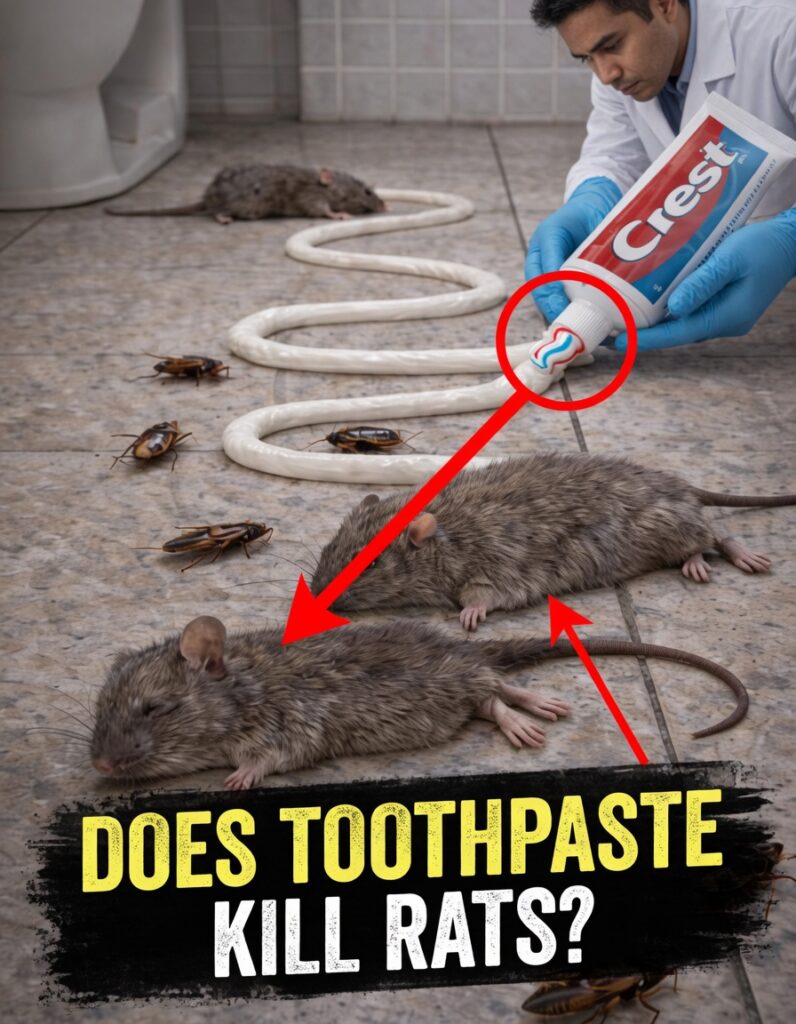
What if something as ordinary as a tube of toothpaste could help discourage mice, cockroaches, and ants—without flooding your home with harsh chemicals? Toothpaste isn’t a magic cure, but its strong mint scent may offer a simple, low-cost way to make certain areas of your home less inviting to unwanted intruders.
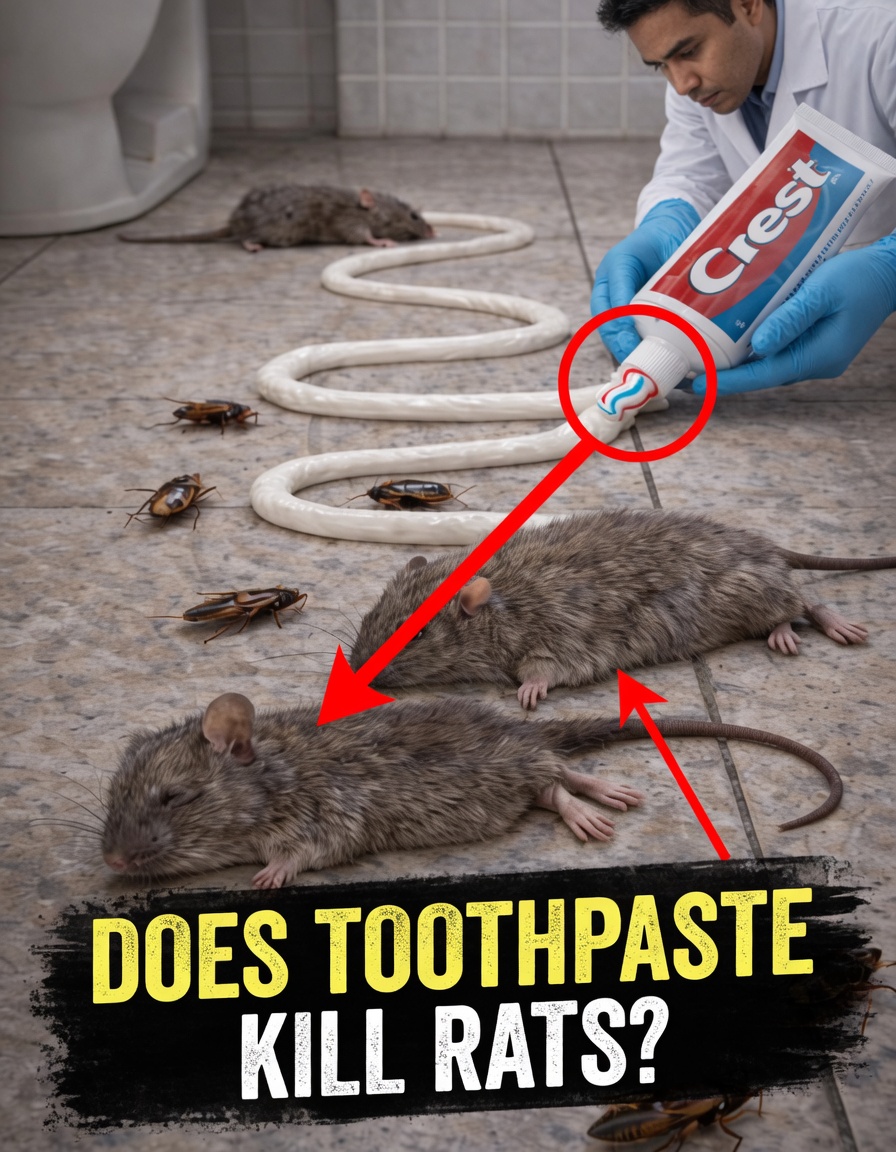
Why Toothpaste Is Trending as a Natural Pest Deterrent
Many homeowners feel stuck in the same cycle: treat the problem, see temporary relief, and then watch pests return weeks later. That frustration—combined with concerns about chemical residues and strong fumes—has helped spark interest in natural pest control options.
Mint toothpaste, in particular, is getting attention because:
- It’s inexpensive and easy to find
- It’s simple to apply in small “problem zones”
- The peppermint-like aroma may be unpleasant or confusing to pests with sensitive smell systems
For anyone tired of repeat infestations, the idea of using an everyday household item as a mild pest deterrent can feel like a practical first step—especially when you’re trying to reduce chemical use around food and family spaces.
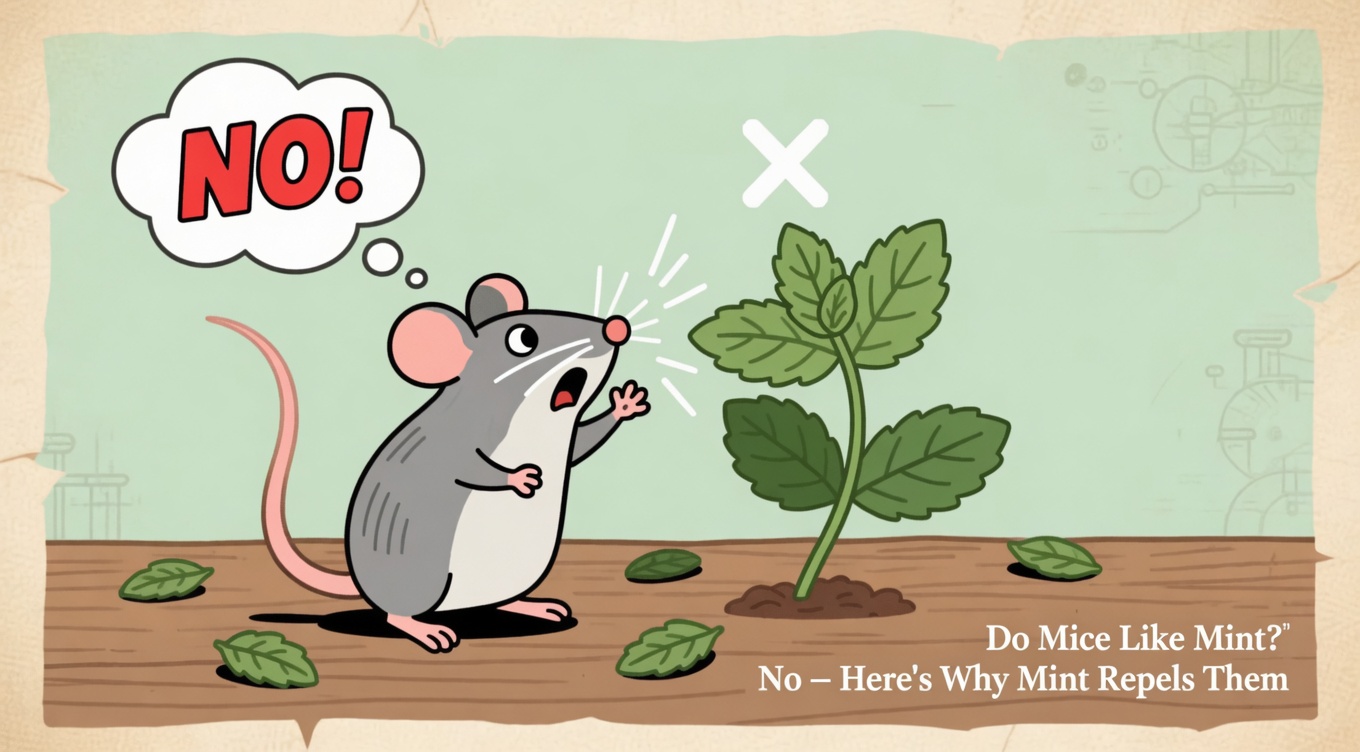
How Mint in Toothpaste Can Affect Pest Behavior
The key ingredient behind this approach is the minty scent—often linked to menthol and peppermint flavoring. Many pests rely heavily on smell to locate food, follow trails, and identify safe shelter.
Research on peppermint and essential oils suggests that strong mint odors can influence how pests behave in an environment by:
- Overwhelming scent-based navigation (especially in rodents)
- Disrupting trail-following patterns in insects that rely on chemical signals
- Making treated areas less appealing, encouraging avoidance
Toothpaste is not as concentrated as pure peppermint oil, but it can still release a noticeable aroma—strong enough to act as a mild “do not enter” signal in tight spaces like cracks, corners, and entry points.
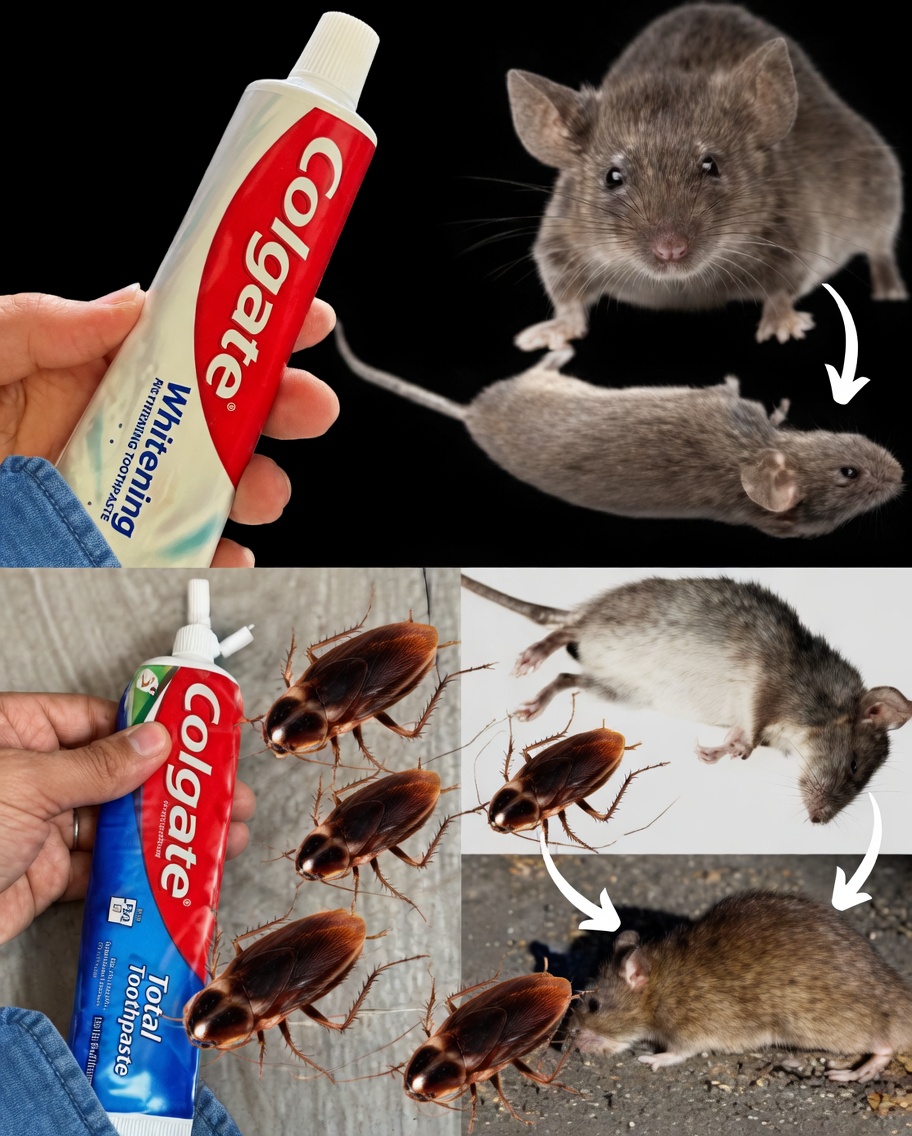
How Mice, Cockroaches, and Ants May React to Mint Toothpaste
Mice
Mice depend on smell far more than vision when exploring. A strong peppermint-like scent near suspected entry points can make a space feel risky or confusing, which may reduce how often they investigate the area. While it won’t eliminate a mouse problem on its own, it can support a broader prevention plan—especially if you’re also sealing gaps and removing food access.
Cockroaches and ants
Ants and cockroaches often travel along established routes. Strong odors and unfamiliar substances placed on or near these paths may interfere with movement patterns—particularly for ants that follow chemical trails.
Some people use small amounts of toothpaste to:
- Interrupt ant trails along baseboards or counter edges
- Make corners and gaps less attractive for roaches scouting for food and moisture
This is best viewed as a deterrent tactic, not a stand-alone cure—useful for light activity or as a supplementary method alongside cleaning and sealing.
Step-by-Step: How to Use Toothpaste for Pest Deterrence
If you want to test this home remedy, choose a mint-flavored toothpaste for the strongest scent impact.
-
Choose the right toothpaste
- Use classic mint toothpaste
- Avoid fruity varieties
- Skip heavily “gel” formulas if the scent seems weak
-
Find high-activity zones
Look for places where you’ve seen:- Droppings, chew marks, or rub marks (mice)
- Ant lines
- Roach sightings, especially near moisture
Common hotspots include baseboards, behind appliances, pantry edges, and small cracks.
-
Apply small amounts
- Place thin dabs or narrow lines near cracks, corners, and entry points
- Don’t smear it across food-prep surfaces
-
Reapply as the scent fades
- Refresh every 2–3 days, or sooner in warm areas where odor dissipates faster
-
Observe results
Track changes over a week:- Reduced sightings?
- Trails shifting away?
- Activity returning quickly?
If nothing changes, treat toothpaste as a brief experiment and switch to stronger prevention or professional guidance.
Long-Term Prevention Habits That Make Toothpaste More Effective
Toothpaste works best when you pair it with proven pest prevention steps. If pests still have easy entry, food, and water, a scent barrier won’t do much.
-
Seal entry points
- Close gaps around pipes, doors, vents, and baseboards
- Use caulk, steel wool (for rodents), or appropriate fillers
-
Store food properly
- Use airtight containers for grains, snacks, and pet food
- Keep counters free of crumbs and open packaging
-
Remove water sources
- Fix leaks under sinks
- Dry sinks and wipe spills nightly
- Reduce damp clutter where roaches thrive
-
Declutter and reduce hiding places
- Clean behind appliances
- Clear cardboard piles and storage corners
-
Boost natural mint strategies (optional)
- Peppermint oil on cotton balls in cabinets can reinforce the scent approach
- Keep oils away from pets and children
Toothpaste vs. Other Natural Pest Control Options (Quick Comparison)
-
Mint toothpaste
- Ease: Very high
- Strength: Mild to moderate
- Cost: Low
- Best for: Quick testing and light activity
-
Pure peppermint oil
- Ease: High
- Strength: Stronger
- Cost: Medium
- Best for: Targeted areas and stronger scent barriers
-
Vinegar spray
- Ease: High
- Strength: Helpful mainly for ants
- Cost: Very low
- Best for: Cleaning and trail disruption on hard surfaces
-
Boric acid baits
- Ease: Medium
- Strength: Highly effective (especially for roaches)
- Cost: Low
- Best for: Serious infestations (use carefully)
Safety Tips When Using Toothpaste as a Pest Deterrent
- Keep it out of reach of children and pets, since toothpaste ingredients are not meant to be eaten in large amounts.
- Test surfaces first in an inconspicuous spot to avoid staining or residue issues.
- Don’t rely on toothpaste for heavy infestations. If you’re seeing frequent rodents, widespread roaches, or persistent ant colonies, consider professional pest control support while continuing preventive steps.
Conclusion: A Practical, Lower-Chemical Approach to Common Household Pests
Toothpaste won’t replace full pest management, but mint toothpaste can be a surprisingly accessible tool to help make your home less attractive to mice, cockroaches, and ants. Used alongside sealing, cleaning, and proper food storage, it may reduce pest activity and help you regain peace of mind without depending entirely on harsh sprays.
Try it in one trouble spot, monitor the results, and build from there—often the most effective solutions are the ones you can realistically maintain.
FAQ
Does mint toothpaste really help keep mice away?
It can help discourage mice in certain areas because strong mint odors may disrupt their scent-based navigation. Results vary, and it works best when combined with sealing entry points and removing food sources.
Can toothpaste work against cockroaches or ants?
It may help interrupt ant trails and make some routes less appealing for roaches due to the mint smell and the physical residue. However, it’s not a complete solution and should be paired with cleaning and long-term prevention measures.