
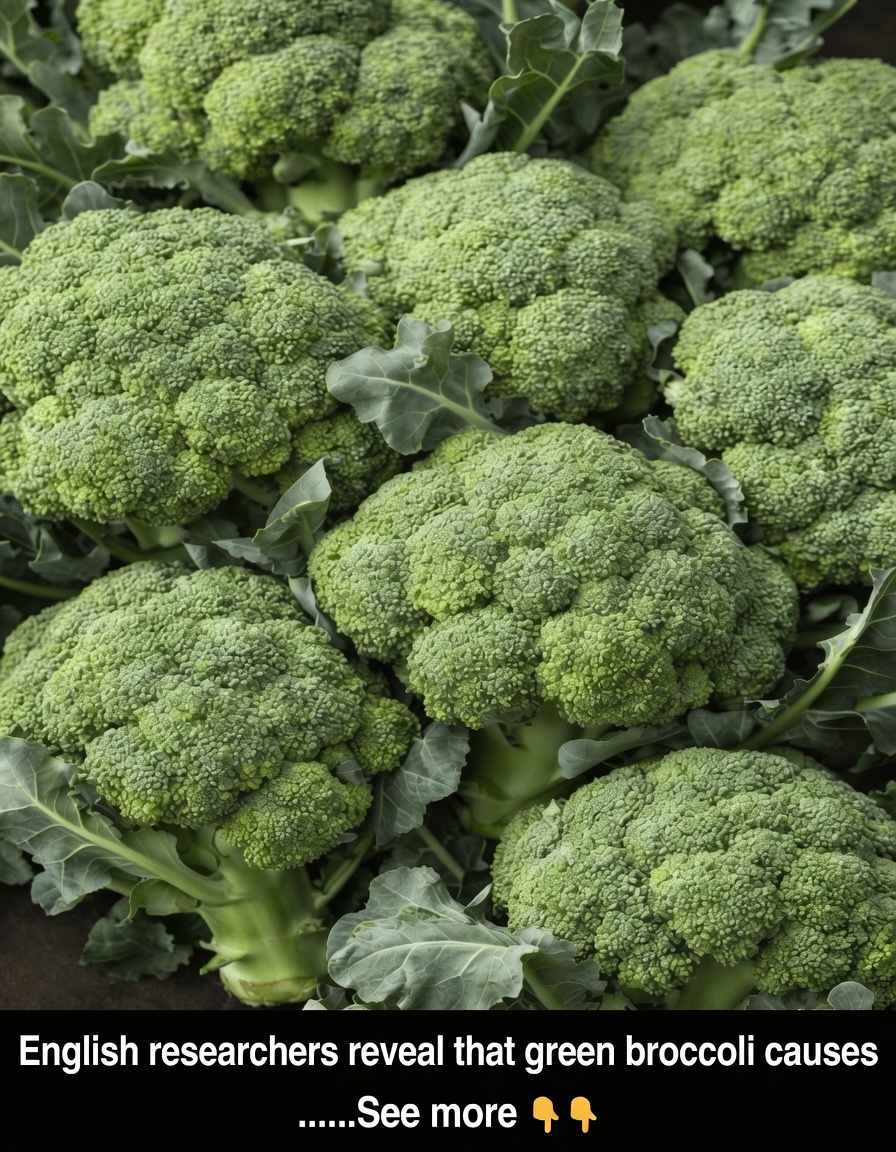
The “Doctors Reveal Broccoli Causes…” Posts: What They’re Really Saying
You’ve likely seen the scrolling-stopper headline: “Doctors reveal that green broccoli causes…” followed by a suspenseful pause designed to spark anxiety. It can be unsettling—especially if broccoli has been your reliable “healthy food” and you suddenly wonder whether it might be linked to thyroid trouble, digestive issues, or something more serious.
The reality is far less dramatic. Broccoli is still one of the most nutrient-dense vegetables available, and decades of research continue to support its role in long-term health. Still, a few nuances matter depending on how much you eat, how you prepare it, and your personal medical situation.
What Viral “Doctor Reveals” Claims Usually Refer To
Most of these posts take a small piece of real science and stretch it into a scary conclusion.
Broccoli is a cruciferous vegetable (along with kale, cabbage, and Brussels sprouts). This family contains goitrogens—naturally occurring compounds that can slightly reduce iodine uptake in the thyroid when consumed in very large amounts, especially in raw form.
For the average person, this is not a practical concern. You would typically need to eat extreme quantities (think: very large amounts of raw cruciferous vegetables every day) to see any meaningful effect. On top of that, cooking significantly reduces goitrogen activity, making standard servings even less relevant to thyroid function.
Other topics are often used as clickbait too:
- Trace natural compounds produced during plant metabolism (sometimes sensationalized with words like “toxic”)
- Vitamin K, which plays a role in blood clotting and can matter for people on specific medications
These facts are real, but the risk is frequently exaggerated into claims like “causes cancer” or “causes clots”—because fear drives clicks, not because the evidence supports those conclusions for normal dietary intake.

The Evidence-Based View: Broccoli’s Benefits Far Outweigh Rare Risks
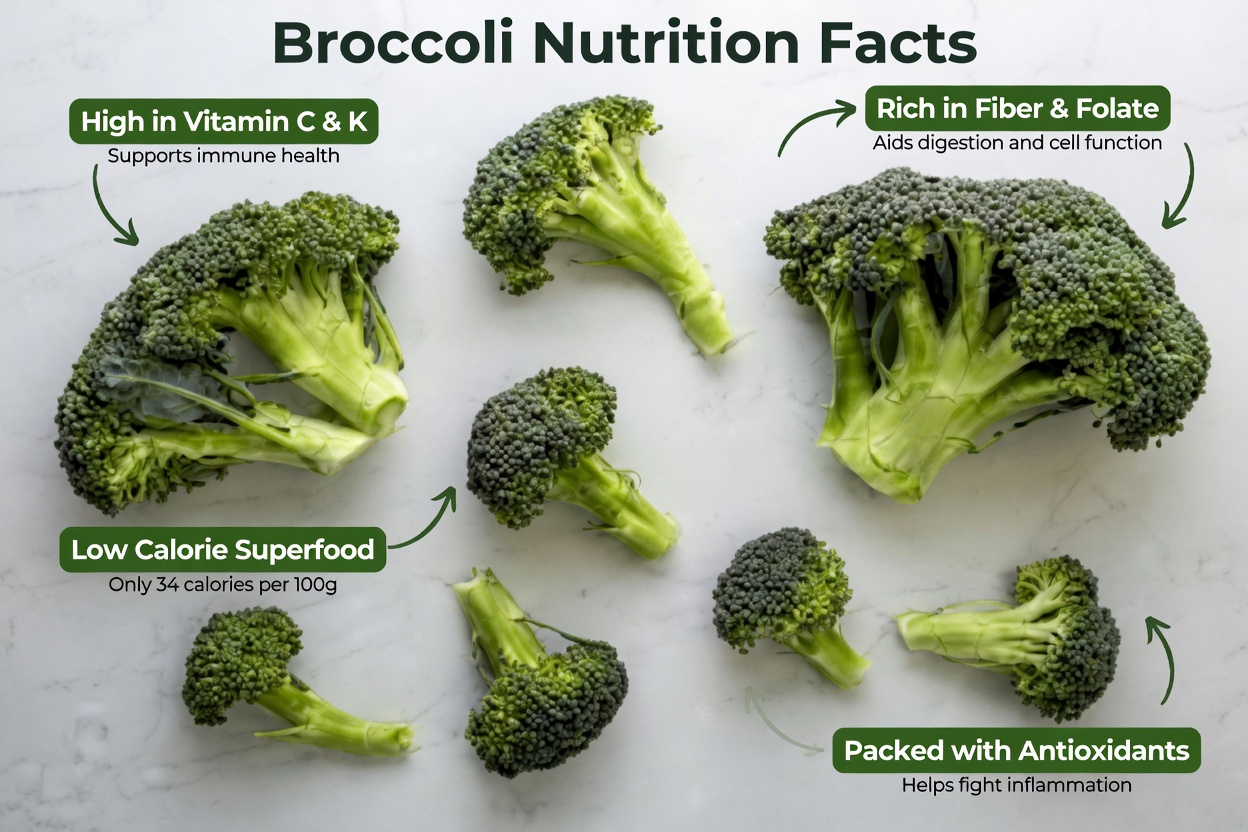
Broccoli consistently ranks as a top-tier vegetable for overall nutrition. One reason is sulforaphane, a compound formed when broccoli is chopped, chewed, or otherwise broken down. Research links sulforaphane to the body’s natural defenses, including:
- supporting detoxification pathways
- helping manage oxidative stress
- showing promise in studies related to aging and chronic disease risk
Large-scale observational research often associates higher intake of cruciferous vegetables—including broccoli—with lower overall cancer risk in some reviews, with potential benefits seen in areas like colorectal and prostate health.
Broccoli also contributes key nutrients that support daily function:
- Fiber for gut health and metabolic support
- Vitamin C for immune and tissue support
- Vitamin K for bone and clotting functions
- Folate for cellular processes and healthy growth/repair
Several reviews of population data suggest that people who eat broccoli more regularly may have modestly improved health outcomes, including lower all-cause mortality in some analyses. Moderate intake—such as 1–2 servings a few times per week—is commonly associated with heart and metabolic benefits.
When Broccoli Might Be a Problem (And Who Should Be Careful)
For most people, broccoli is safe and beneficial. However, there are specific situations where you may want to adjust portions or preparation.
-
Thyroid conditions or iodine deficiency
If you have hypothyroidism, Hashimoto’s, or low iodine intake, very large amounts of raw cruciferous vegetables could theoretically add pressure to thyroid function. The practical workaround is simple: eat broccoli cooked (steamed, sautéed, roasted) and keep portions reasonable. -
Blood-thinning medications (e.g., warfarin)
Broccoli contains a lot of vitamin K, which can affect medication management. The key is usually consistency, not avoidance. Sudden changes—like going from rarely eating broccoli to eating it daily—may matter more than broccoli itself. Coordinate with a clinician if you’re managing anticoagulant dosing. -
Digestive sensitivity
Broccoli’s fiber and certain carbohydrates (such as raffinose) can cause gas or bloating for some people. Cooking thoroughly, reducing portion size, and increasing intake gradually can make it easier to tolerate. -
Unrealistic “extreme intake” scenarios
Some lab findings involve doses that translate to absurd human equivalents (e.g., the idea of consuming the nutritional equivalent of 100+ cups per day). These situations don’t reflect real eating patterns.
How to Eat Broccoli Safely (Without the Stress)
If you want the benefits without second-guessing every bite, these practical habits cover most concerns:
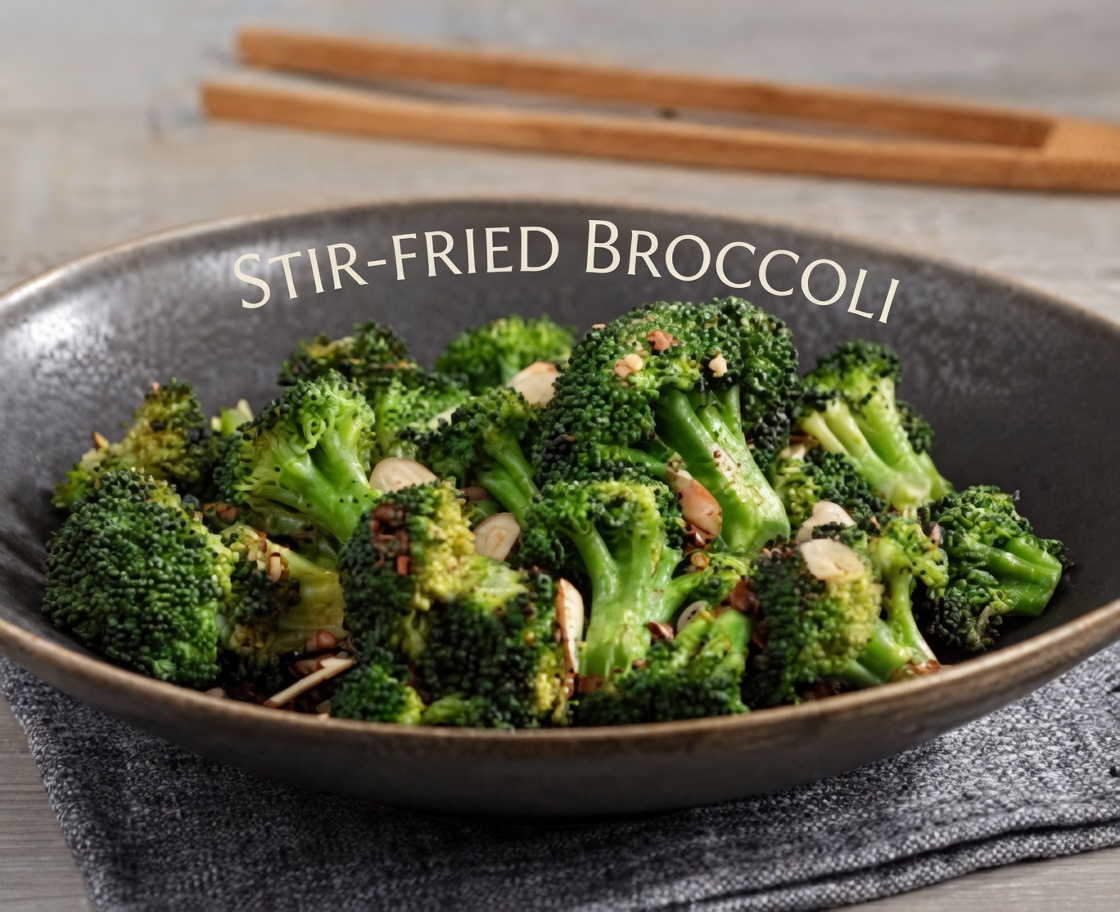
- Choose cooking methods like steaming or light sautéing to reduce goitrogen activity and improve digestibility.
- Pair broccoli with iodine sources if thyroid health is a concern (e.g., seafood or iodized salt, as appropriate for your diet).
- Prioritize variety by rotating broccoli with other colorful vegetables for broader micronutrient coverage.
- Start with realistic portions, such as 1–2 cups cooked a few times weekly, then adjust based on how you feel.
Broccoli vs. Other Cruciferous Vegetables (Quick Comparison)
- Broccoli — One of the best sources for sulforaphane potential; widely studied for protective properties.
- Kale — Similar goitrogen profile, and often eaten raw in large salads; cooking is a smart choice if you’re concerned.
- Cauliflower — Mild flavor and versatile; goitrogen levels can vary by type and preparation.
- Brussels sprouts — Very fiber-rich; can be more gas-producing for sensitive digestion.
Bottom Line: Don’t Fear the Green—Use It Wisely
When you see “Doctors reveal that green broccoli causes…” it’s usually science taken out of context and inflated for attention. Broccoli isn’t a hidden health threat—it’s a dependable, nutrient-rich food that fits well in a balanced diet.
Stick to sensible portions, cook it if you have thyroid concerns or digestive sensitivity, and consider your personal health picture (especially medications). With those basics covered, broccoli remains a smart—and delicious—staple without the social-media drama.
FAQ: Common Questions About Broccoli and Health
Does broccoli cause thyroid problems?
Not at typical serving sizes. Only unusually high intake of raw cruciferous vegetables may be a minor issue for people with existing thyroid conditions or iodine deficiency. Cooking makes the effect negligible for most people.
Can broccoli increase cancer risk?
No. Evidence generally points the other direction: cruciferous vegetables like broccoli are often associated with lower cancer risk in population studies, likely due to protective compounds such as sulforaphane.
Is it okay to eat broccoli every day?
Yes for most people. 1–2 servings daily (or a few times per week) fits well into healthy eating patterns. Rotating vegetables and cooking broccoli can further support balance and comfort.