Why “Doctors Reveal Broccoli Causes…” Posts Go Viral—and What They Leave Out
You may have seen dramatic social media headlines implying that green broccoli causes hidden health damage, often ending with an ominous “…” to spark anxiety. These posts can be unsettling—especially if broccoli has been your dependable “superfood” for years and now you’re wondering whether it could be linked to thyroid problems, digestive discomfort, or something more serious.
The reality is far less alarming. Broccoli is still one of the most nutrient-dense vegetables you can eat, and its health benefits are strongly supported by decades of research. What matters is understanding the science behind the claims, recognizing where the hype exaggerates the facts, and knowing how to eat broccoli in a way that fits your personal health needs.
What Those “Doctor Reveals” Claims Usually Refer To
Most viral warnings are based on a kernel of truth that gets stretched far beyond what the evidence actually suggests. Broccoli is a cruciferous vegetable (alongside kale, cabbage, and Brussels sprouts). This group contains natural compounds known as goitrogens, which can slightly interfere with iodine use in the thyroid—primarily when consumed in very large amounts, especially raw.
For most people, this is not a practical concern. You would generally need extreme intakes (think: unusually large quantities of raw cruciferous vegetables every day) to see meaningful thyroid effects, and cooking reduces goitrogen activity significantly. Research does not support the idea that normal servings of broccoli trigger thyroid problems in healthy individuals.
Some posts also sensationalize other details, such as:
- Trace natural compounds formed during plant metabolism (sometimes twisted into “toxic” narratives)
- Vitamin K, which plays a role in clotting and can matter for certain medications
These points can be relevant in specific situations, but they’re often reframed as “broccoli causes cancer” or “broccoli causes clots” simply to generate clicks.
The Evidence-Based View: Broccoli’s Benefits Greatly Outweigh Rare Risks
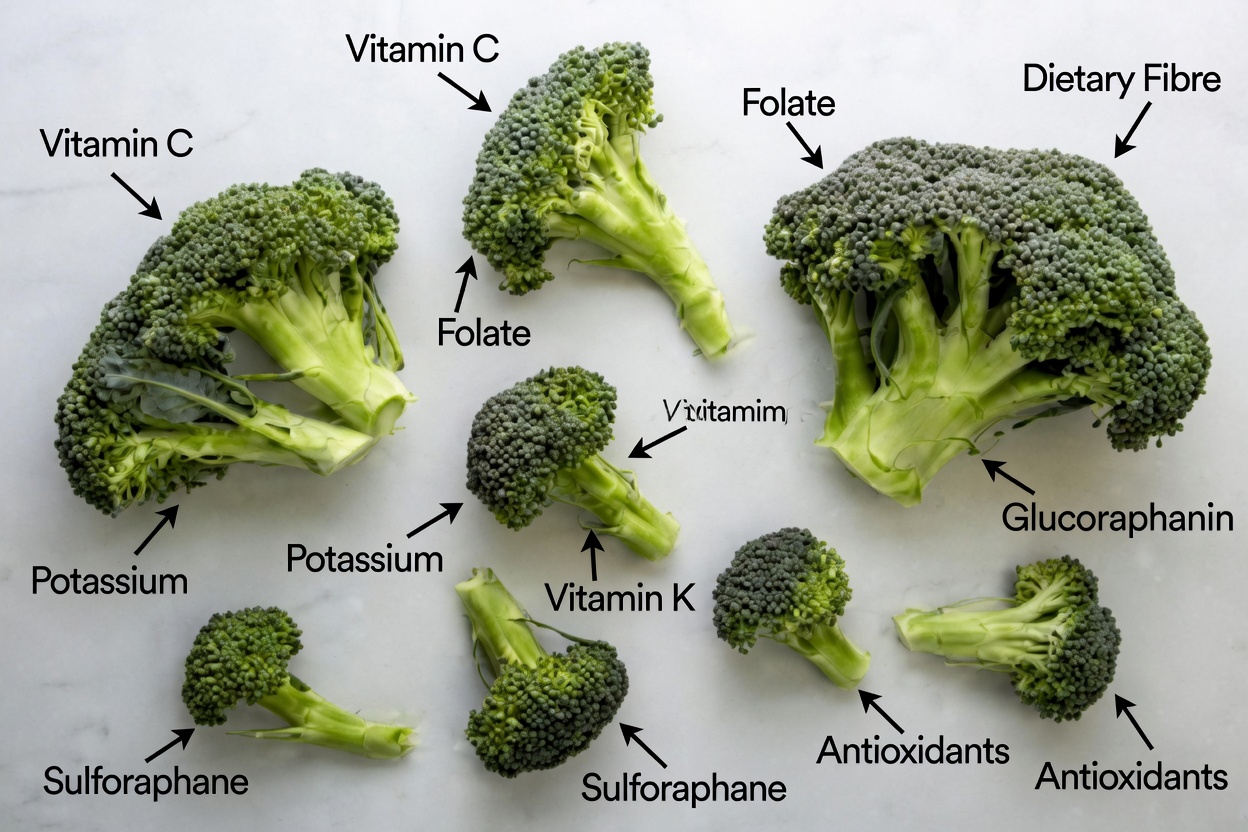
Scientific research consistently ranks broccoli among the best vegetables for overall wellness. One reason is sulforaphane, a compound formed when broccoli is chopped, chewed, or crushed. Sulforaphane has been studied for its role in supporting the body’s natural defense systems, including antioxidant activity and detox-related pathways.
Broccoli also contributes key nutrients associated with long-term health:
- Fiber to support gut function and regularity
- Vitamin C for immune support and antioxidant protection
- Vitamin K for bone and vascular health
- Folate for cell growth and normal function
Large observational reviews have linked higher intake of cruciferous vegetables (including broccoli) with modestly improved health outcomes, including lower rates of some cancers and reduced all-cause mortality. Moderate consumption—such as 1–2 servings several times per week—is often associated with better cardiometabolic markers as well.
When Broccoli Might Cause Issues (And Who Should Be More Careful)
For the vast majority of people, broccoli is safe and beneficial. Still, a few scenarios deserve extra attention:
-
Thyroid conditions or iodine deficiency
If you have hypothyroidism, Hashimoto’s, or low iodine intake, very high amounts of raw cruciferous vegetables could theoretically add strain. In most cases, steamed or sautéed broccoli in normal portions is well tolerated, because heat reduces goitrogen activity. -
Blood-thinning medications (e.g., warfarin)
Broccoli is high in vitamin K, which can affect medication management for some people. Typically, the goal is consistency, not complete avoidance. Discuss stable portion sizes with your clinician. -
Digestive sensitivity (gas, bloating)
Broccoli contains fiber and certain natural carbohydrates (including raffinose) that may trigger discomfort for sensitive stomachs. Cooking more thoroughly and starting with smaller portions often helps. -
Unrealistic “extreme intake” concerns
Some lab findings involve doses equivalent to absurd human intake (e.g., “100+ cups a day”). These scenarios don’t reflect normal eating patterns and shouldn’t be used to frighten everyday consumers.
How to Eat Broccoli Safely (Without Overthinking It)
If you want broccoli’s benefits while minimizing minor downsides, these practical habits help:
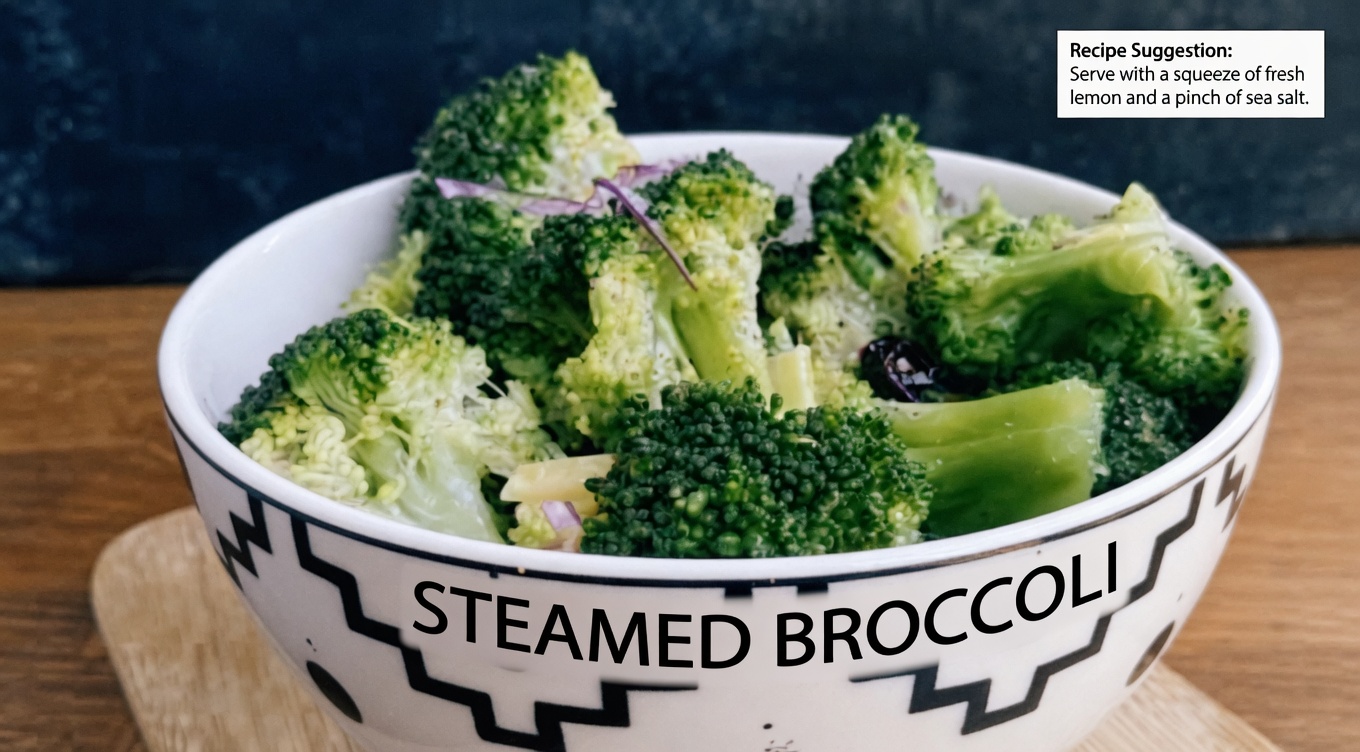
- Prefer cooked methods like steaming or light sautéing if you’re concerned about thyroid effects or digestion
- Balance iodine intake (such as using iodized salt or including seafood) if thyroid health is a priority
- Eat a variety of vegetables, not just one “hero food,” to diversify nutrients and reduce any single-compound overload
- Start with a realistic routine, such as 1–2 cups cooked broccoli a few times per week, and adjust based on how you feel
Broccoli vs. Other Cruciferous Vegetables (Quick Guide)
Cruciferous vegetables share many traits, but they’re not identical:
- Broccoli — Often praised for strong sulforaphane potential and broad nutrient density
- Kale — Similar goitrogen profile; frequently eaten raw, so cooking may be helpful for those with concerns
- Cauliflower — Milder taste; generally easy to eat in larger portions
- Brussels sprouts — High in fiber; may be more gas-producing for some people
Bottom Line: Don’t Fear Broccoli—Use It Wisely
The next time a post claims “Doctors reveal broccoli causes…” it’s usually science taken out of context and repackaged as a scare tactic. Broccoli is not a dietary villain—it’s a reliable, evidence-supported vegetable that fits well into long-term healthy eating.
Stick to moderation, choose preparation methods that work for your body, and consider your individual medical situation (especially thyroid conditions or anticoagulant use). For most people, broccoli remains a smart, nutrient-rich staple—without the drama.
FAQ: Common Questions About Broccoli and Health
Does broccoli really cause thyroid problems?
Not in normal servings. Only unusually high intake of raw cruciferous vegetables might matter, mainly for people with pre-existing thyroid issues or iodine deficiency. Cooking reduces this concern for most individuals.
Can broccoli increase cancer risk?
Current evidence points in the opposite direction. Many population studies associate cruciferous vegetables with lower overall cancer risk, likely related to protective compounds such as sulforaphane.
Is it safe to eat broccoli every day?
Yes for most people. Daily intake (or several servings weekly) can fit well into a healthy diet. Variety across vegetables is ideal, and cooking can improve tolerance for those prone to gas or bloating.