A Natural Way to Support Vision, Immunity, and Heart Health: Meet the Winged Bean
Living with blurry vision that complicates daily routines can be exhausting—especially as you get older. Add frequent colds, persistent fatigue, and lingering concerns about cardiovascular wellness, and it’s easy to feel like your body isn’t keeping up. One simple dietary upgrade may help: the winged bean, an underappreciated vegetable rich in nutrients that support whole-body health.
Why Winged Bean Is Considered a Nutrient-Dense “Hidden Gem”
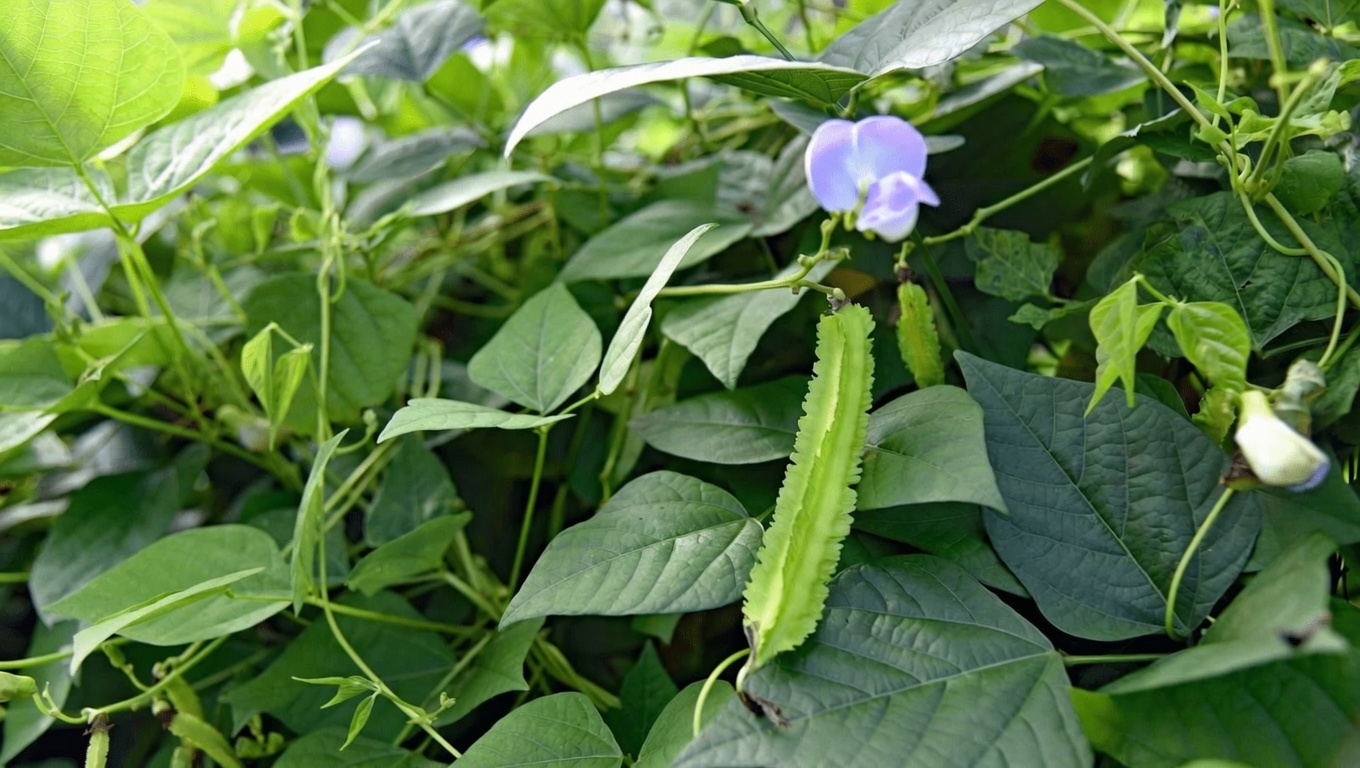
If you’re bored with common vegetables that don’t seem to make much difference, winged bean can feel like a great discovery. This tropical legume is also called four-angled bean or Goa bean, and what makes it unique is that nearly every part is edible—including the pods, leaves, flowers, tubers, and seeds.
- Leaves are especially rich in vitamins A and C
- Seeds contain high-quality protein, often compared to soybeans
- The plant provides essential minerals such as iron, calcium, and potassium
These qualities are exactly why winged bean is gaining attention as a practical, food-based way to strengthen everyday wellness.

Winged Bean Nutrition: What Each Part Offers
If you feel your diet lacks nutrient variety, winged bean helps fill gaps with a broader mix of vitamins and minerals than many standard vegetables.
Key nutrients by edible part:
- Young pods: low calorie, a good source of fiber and vitamin C
- Leaves: extremely high in vitamin A (up to ~270% Daily Value per 100 g) and strong vitamin C content (~75% Daily Value)
- Seeds: roughly 29–37% protein, plus iron, phosphorus, and B vitamins
- Tubers: starch-rich, with notable protein and B-complex vitamins
Quick reference:
- Leaves: Vitamin A, Vitamin C, fiber (very high contribution)
- Young pods: Vitamin C, fiber, folate (moderate contribution)
- Mature seeds: Protein, iron, phosphorus (very high contribution)
- Tubers: Protein, B vitamins, starch (useful nutrient boost)
Beyond vitamins and minerals, nutritional studies also note antioxidant compounds such as polyphenols, which adds to winged bean’s overall appeal.
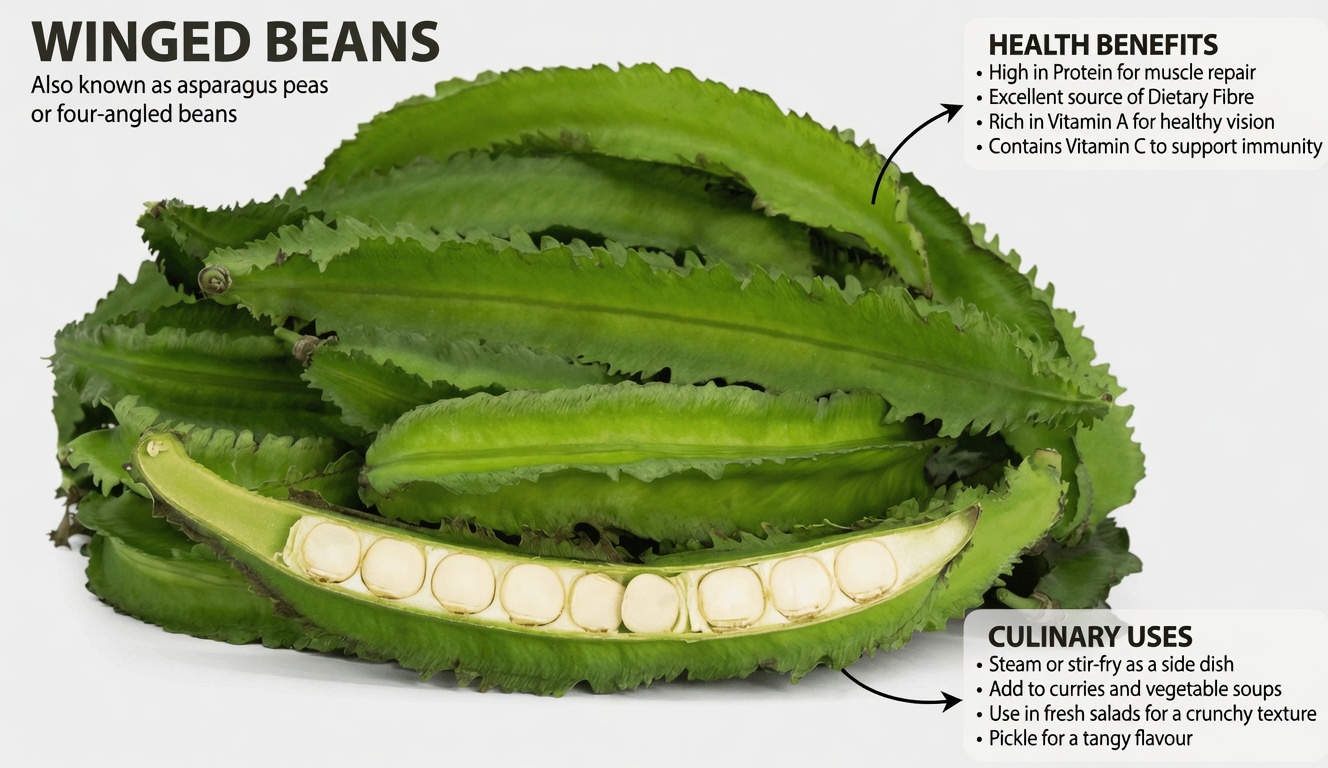
How Winged Bean May Help Support Eye Health
When your eyesight starts fading, everyday pleasures—reading, driving, or even using screens—can become stressful. Winged bean may help support vision because it provides beta-carotene, which the body converts into vitamin A, particularly in the leaves and pods.
Research consistently links adequate vitamin A intake with the maintenance of normal vision and reduced risk of deficiency-related eye issues. Winged bean leaves are reported to contain very high vitamin A levels (often described as over 8,000 IU per 100 g), making them a strong food-based option to include in regular meals.
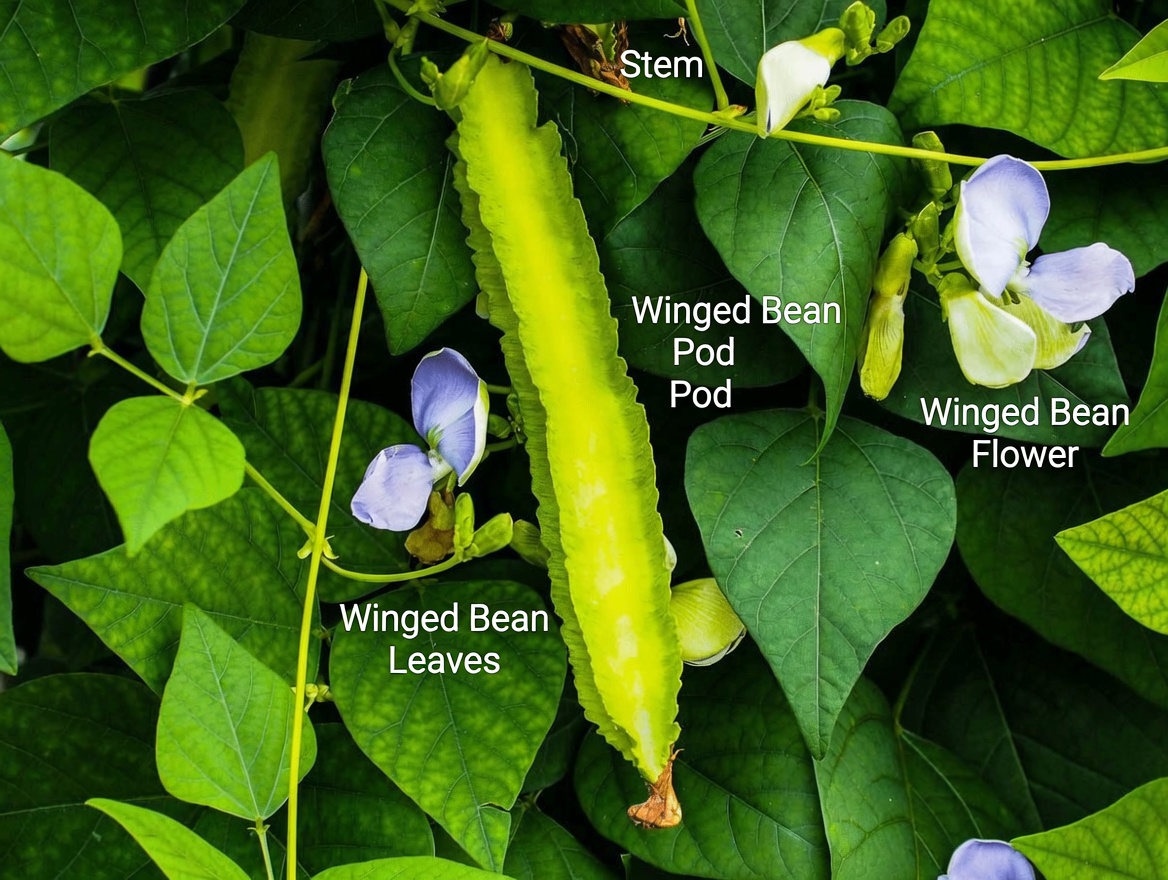
Supporting the Immune System with Winged Bean
If you’re catching colds too often or feeling run-down, nutrition plays a major role in resilience. Winged bean contributes to immune support through its vitamin C, especially in fresh pods and leaves, where it functions as an antioxidant.
Vitamin C is known to:
- support the body’s ability to produce and maintain white blood cells
- help protect cells from oxidative stress
Combined with the plant’s vitamin A content, winged bean offers a useful nutritional “double benefit.” Even the flowers and young shoots can contribute additional micronutrients when used in meals.
Winged Bean and Heart-Friendly Nutrition
Worrying about heart health can make food choices feel high-stakes. Winged bean offers several nutrients commonly associated with cardiovascular support, including fiber and potassium, along with a generally balanced nutrient profile typical of legumes.
- Potassium helps support healthy blood pressure regulation
- Dietary fiber (from pods and leaves) can help maintain healthy cholesterol levels
Research on legumes broadly suggests they fit well within heart-supportive eating patterns. Adding winged bean to your weekly rotation can be a straightforward, food-first step toward supporting cardiovascular wellness.

Easy, Practical Ways to Eat Winged Bean
Curious to try winged bean but not sure how to cook it? Its versatility makes it easy to use in both familiar and creative dishes.
Simple ways to add winged bean to meals:
- Slice young pods into stir-fries or toss them into salads for crunch
- Lightly steam or boil the leaves like any leafy green
- Roast mature seeds for a protein-rich snack
- Grate or dice tubers into soups and stews
- Mix flowers into omelets or rice dishes for a mild, pleasant flavor
Quick starter idea: finely chop fresh pods and combine them with lime juice, herbs, and your preferred protein for a fast, refreshing salad.
Final Thoughts
If eye strain, frequent illnesses, and heart-health concerns are affecting your quality of life, choosing nutrient-dense foods can be an empowering move. Winged bean delivers a rare mix of vitamins, minerals, protein, fiber, and antioxidants in a single plant—potentially supporting vision, immune strength, and cardiovascular wellness.
Consistent, small additions to your meals can build over time into noticeable improvements in energy and overall vitality.
Frequently Asked Questions
Where can I buy winged bean, and can I grow it at home?
Winged bean is commonly sold in Asian grocery stores and markets in tropical regions. It can also be grown at home in warm weather, ideally with a trellis for support.
How much winged bean should I eat to see potential benefits?
A practical approach is to include one serving (such as about 1 cup of pods or cooked leaves) a few times per week as part of a balanced, varied diet.
Are there any precautions when eating winged bean?
Yes. Mature seeds and tubers should be cooked thoroughly. If you’re new to winged bean, start with small amounts, and consult a qualified professional if you have food allergies or specific medical concerns.