
Cashews and the “Doctors Reveal…” Headlines: What’s Actually True?
You’ve probably come across dramatic posts that start with something like: “Doctors reveal that eating cashews causes…”—and then promise either a shocking danger or a near-miraculous benefit. It’s easy to feel uneasy after reading those claims, especially if cashews are one of your go-to snacks and you’re trying to avoid unwanted weight gain or health problems. Sorting facts from sensationalism can be exhausting when your goal is simply to eat better.
The reality is much calmer: cashews can be a nutritious, research-supported food when eaten in sensible portions, without the extreme cause-and-effect claims common in clickbait. Many physicians and dietitians point to their potential advantages for heart health, nutrient intake, and overall dietary quality. Below is a clear, balanced look at what eating cashews really does—and what to watch for.

Why So Many Misleading Claims About Eating Cashews?
Headlines built around “doctors reveal” are designed to trigger emotion and clicks, not nuance. In practice, cashews are nutrient-dense seeds (often grouped with nuts in everyday language) that contain:
- Unsaturated fats
- Plant protein
- Minerals such as magnesium, zinc, copper, and iron
Reliable nutrition references consistently describe cashews as a healthy option when portions are controlled. The problem isn’t cashews—it’s the oversimplified messaging. Like any calorie-rich food, eating too much can be unhelpful, and allergies or certain medical conditions can change what’s “safe” for an individual.
Benefit 1: Eating Cashews Can Support Heart Health
Cashews provide monounsaturated and polyunsaturated fats, the types of fats commonly associated with healthier lipid profiles when they replace highly processed snack foods. In practical terms, swapping chips or sugary snacks for a small serving of cashews may support:
- Healthier cholesterol management
- Better overall dietary fat quality
- Cardiovascular-friendly eating patterns
For many adults thinking about long-term heart risk, cashews can be an easy, satisfying upgrade—especially when chosen unsalted or lightly salted.

Benefit 2: Cashews May Help With Appetite and Weight Management
Cashews are calorie-dense, which is why clickbait often frames them as “fattening.” But calories are only part of the story. A moderate portion of cashews contains protein and some fiber, which can help you feel full and reduce the urge to keep snacking.
Key point: cashews tend to work best for weight goals when they replace less nutritious foods, not when they’re added on top of an already high-calorie diet. A small handful can be a “satisfying stop,” not a trigger for overeating.
Benefit 3: Eating Cashews Increases Essential Nutrients
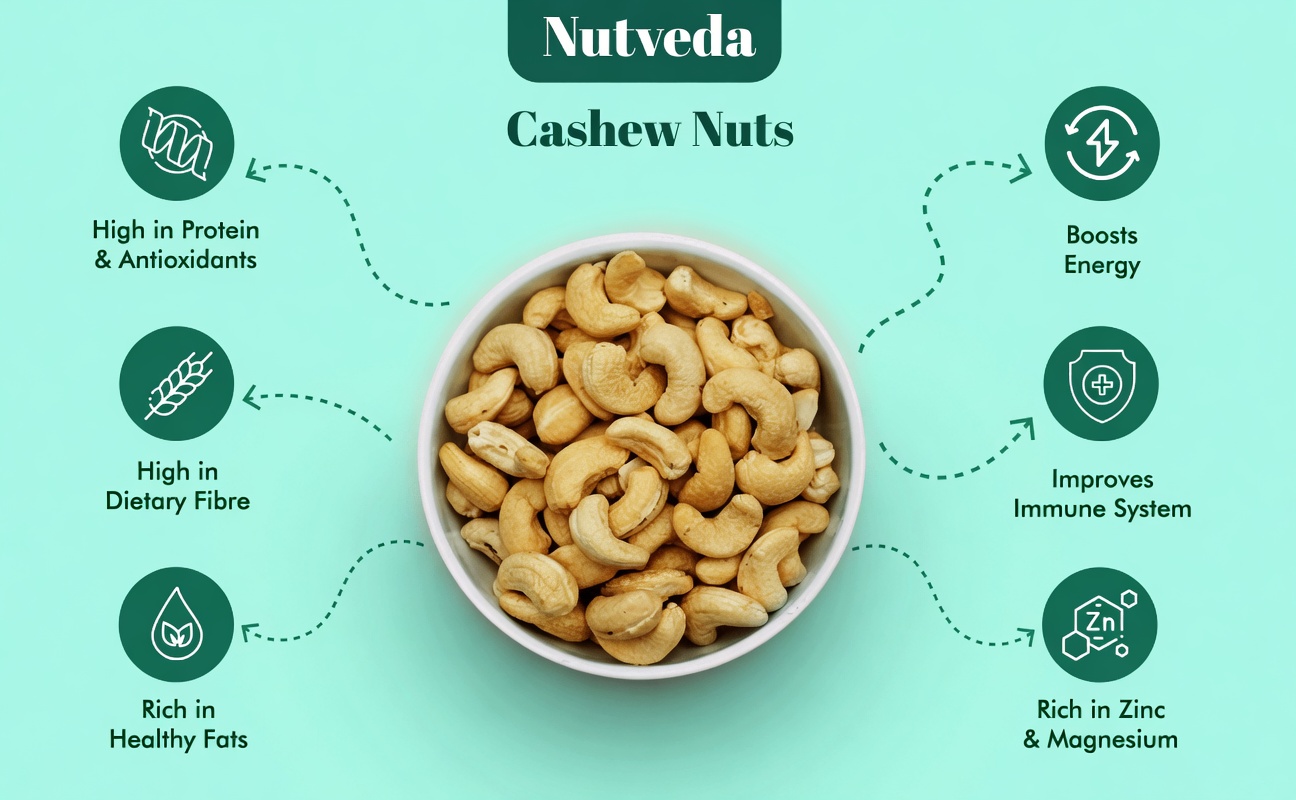
Cashews contribute several minerals that many people don’t get enough of consistently, including:
- Magnesium (important for muscle and nerve function)
- Zinc (supports immune function)
- Iron (supports oxygen transport and energy levels)
- Copper (plays a role in connective tissue and iron metabolism)
If your diet is light on mineral-rich foods, adding cashews strategically can help close nutrient gaps—without relying on highly processed snacks.
Potential Downsides of Eating Cashews (What to Watch For)
Cashews are safe for most people, but there are legitimate cautions:
- Allergies: Cashew allergy can be serious. If you suspect a sensitivity, seek medical guidance before eating them again.
- Kidney stone risk (for some people): Cashews contain oxalates, which may matter for individuals prone to oxalate kidney stones.
- Digestive discomfort: Large servings may cause bloating or stomach upset in some people, especially if their diet is low in fiber and they suddenly increase intake.
Cashews: Benefits vs. Overeating Risks
| Aspect | Potential benefit of eating cashews | Possible concern if you overeat |
|---|---|---|
| Calories & weight | Helps satiety; can replace less healthy snacks | Excess calories may contribute to weight gain |
| Heart health | Unsaturated fats support healthier eating patterns | No major concern for most people in moderation |
| Digestion | Some fiber supports gut function | Gas, bloating, or discomfort with large portions |
| Allergies | None | Severe reactions in allergic individuals |
| Micronutrients | Provides magnesium, zinc, copper, iron | Oxalates may matter for kidney stone–prone individuals |

Simple, Safe Ways to Eat Cashews
A practical starting portion is 1 ounce (about 18 cashews) per day. For everyday use:
- Choose unsalted or dry-roasted cashews to limit excess sodium and oils.
- Add chopped cashews to salads or oatmeal for texture.
- Blend cashews into smoothies for a naturally creamy feel.
- Pair cashews with fruit for a balanced snack that includes fiber and natural sweetness.
Final Takeaway: Enjoy Cashews Mindfully, Not Fearfully
The next time you see “Doctors reveal that eating cashews causes…” treat it as a red flag for clickbait. Eating cashews in reasonable portions can offer genuine, evidence-aligned benefits—including heart-friendly fats, valuable minerals, and satisfying snack power.
Quick tips
- Stick to a small handful daily.
- Prefer raw, dry-roasted, or unsalted options.
- Pay attention to personal reactions, especially if you have allergies or kidney stone history.
Frequently Asked Questions
Is eating cashews every day safe?
For most people, yes—in moderation (about 1–2 ounces daily). Individual needs vary based on calories, health conditions, and allergies.
Can eating cashews lead to weight gain?
It can if portions are large or if cashews are added on top of an already high-calorie diet. In controlled servings, they often support fullness and better snack choices.
Are there any risks to eating cashews?
The main concerns are allergies, digestive discomfort from overeating, and oxalate considerations for people prone to certain kidney stones. If you’re unsure, consult a healthcare professional.