
Avocado Nutrition: Fruit Benefits vs. Seed Claims
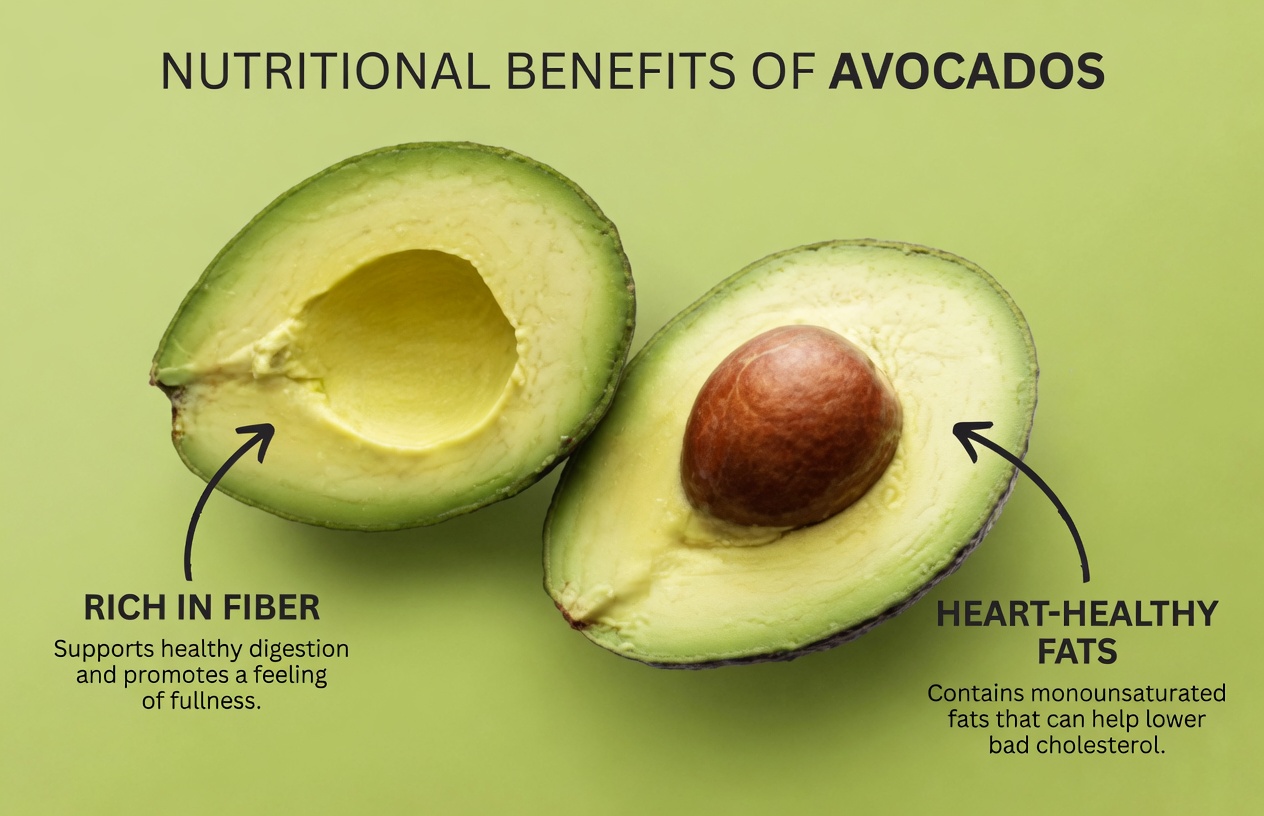
Avocados are nutrient-rich fruits prized for their creamy texture and flexibility in everyday meals. The edible flesh delivers a strong mix of monounsaturated fats, dietary fiber, potassium, folate, and key vitamins such as E, K, and C. A substantial body of clinical and population research links regular avocado intake with meaningful health advantages.

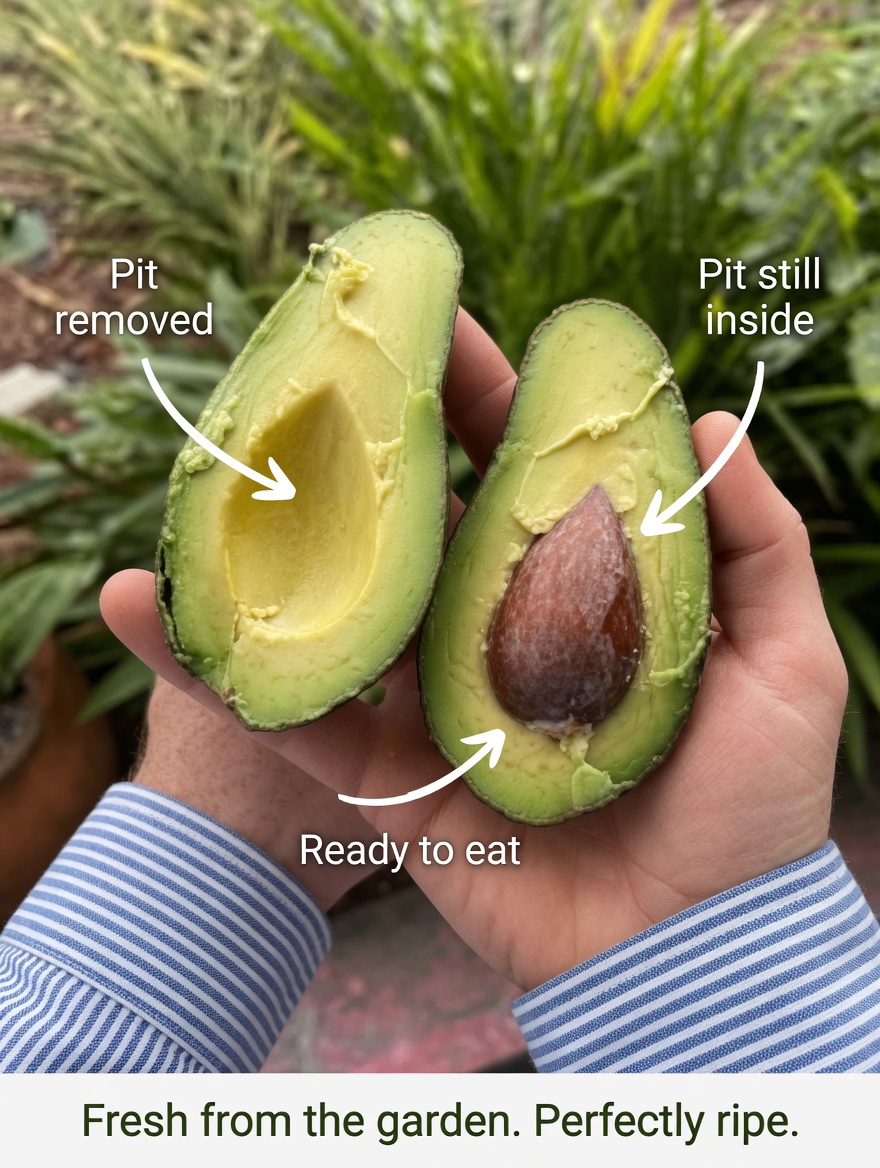
The avocado seed (pit) is a different story. While it contains certain compounds that look promising in early research, the evidence is largely limited to laboratory and animal studies. Human data is minimal, and there are unresolved safety concerns, so it is not considered a proven health food.
Evidence-Based Benefits of Avocado Flesh
1. Heart Health Support
Avocados are consistently associated with improved cardiovascular markers, largely because of their healthy fat profile and supportive micronutrients. Large observational studies report that people who eat avocados at least twice per week tend to have a lower risk of cardiovascular disease, including coronary heart disease.
Controlled clinical trials also show favorable changes such as:
- Improved lipid profiles
- Lower oxidized LDL (a marker linked to arterial damage)
- Better blood pressure–related indicators
Avocados also provide potassium levels comparable to bananas, which helps support healthy blood pressure regulation.

2. Weight Management and Better Satiety
Although avocados are energy-dense, research suggests they can still fit well into a weight-conscious eating pattern. Habitual avocado intake has been associated with:
- Lower body weight and BMI
- Less weight gain over time
A major reason is satiety. The combination of fiber and unsaturated fats can help meals feel more filling, which may reduce overall calorie intake. In at least one trial, adding avocado to a calorie-controlled plan supported weight-loss outcomes.

3. Improved Absorption of Fat-Soluble Nutrients
Avocado can act as a natural “nutrient booster” for other foods. When added to salads or vegetable-based meals, it can significantly increase absorption of:
- Fat-soluble vitamins
- Carotenoids such as beta-carotene and lycopene
This happens because dietary fat improves the body’s ability to take in these compounds from plant foods.
4. Potential Additional Upsides (Still Being Studied)
Early and developing research suggests avocado consumption may also play a role in:
- Healthy aging
- Blood sugar regulation
- Skin health
These areas are promising, but they still need more high-quality human studies before firm conclusions can be made.
Avocado Seeds: What Science Actually Says
Avocado pits contain fiber, antioxidants, and phenolic compounds. Some lab and animal research indicates possible benefits such as:
- Anti-inflammatory activity
- Improvements in cholesterol and blood pressure markers
- Potential support against obesity (seen in at least one animal study)
However, these findings do not translate into proven human benefits. In practice, seeds are very hard, bitter, and difficult to digest, and reliable safety data in humans is limited. High doses have caused harm in animal studies, and many experts recommend not consuming avocado seeds due to the combination of uncertain safety and lack of demonstrated advantage.
Easy, Practical Ways to Eat More Avocado
- Add half an avocado to salads, smoothies, or toast
- Use avocado as a healthier fat option instead of butter or mayonnaise
- A common range is 1/2 to 1 avocado per day, within a varied, balanced diet
Key Takeaways
Avocado flesh has strong scientific support for benefits related to heart health, nutrient absorption, and appetite/weight management, based on both clinical and observational evidence. Avocado seeds may contain interesting compounds, but they do not have solid human evidence and are not recommended for routine consumption.
Educational information only, not medical advice. For individualized nutrition guidance—especially if you have a medical condition—consult a qualified healthcare professional.