Stroke Warning Signs Can Appear Weeks Early
Strokes can happen abruptly, leaving little time to respond and potentially causing long-term effects on health, mobility, and independence. In some cases, subtle warning signs a month before a stroke may develop gradually and get mistaken for stress, overwork, or simple fatigue—until everyday activities suddenly feel “not quite right.” Overlooking these early clues can increase risk when an emergency strikes.
Knowing what to watch for helps you react faster and seek care sooner. If any of the symptoms below sound familiar, keep reading.
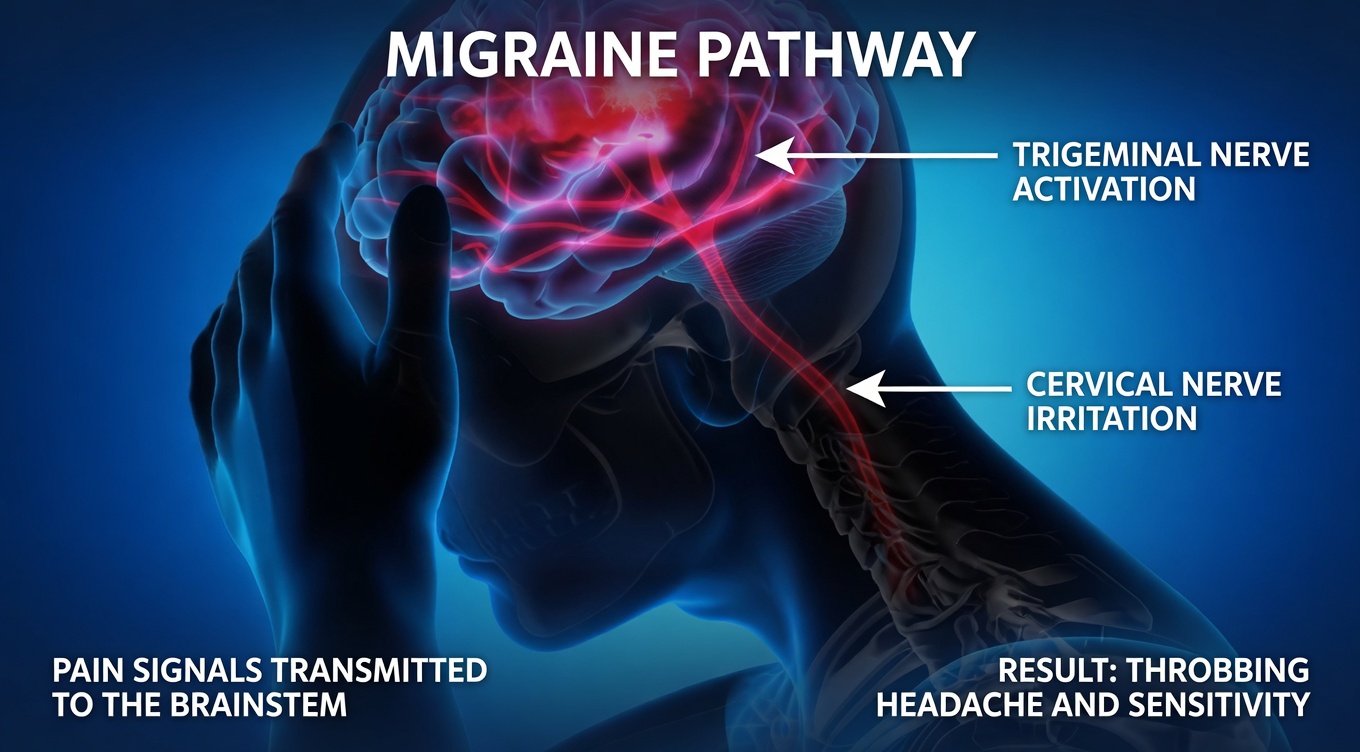
1) Sudden, Severe Headache
A sudden, intense headache—especially one that feels completely different from your usual headaches—can be alarming and relentless. Sometimes described as a thunderclap headache, it may indicate a serious blood vessel problem.
Many people assume it’s just a migraine, dehydration, or tension. However, clinical guidance from sources such as the Mayo Clinic highlights sudden severe headache as an important red flag.
If this appears as a possible sign a month before a stroke, treat it as urgent.
2) Dizziness or Loss of Balance
Unexplained dizziness, lightheadedness, or a sudden sense of being off-balance can interrupt normal routines. As a potential early stroke symptom, it may reflect reduced or disrupted blood flow to areas of the brain that control balance.
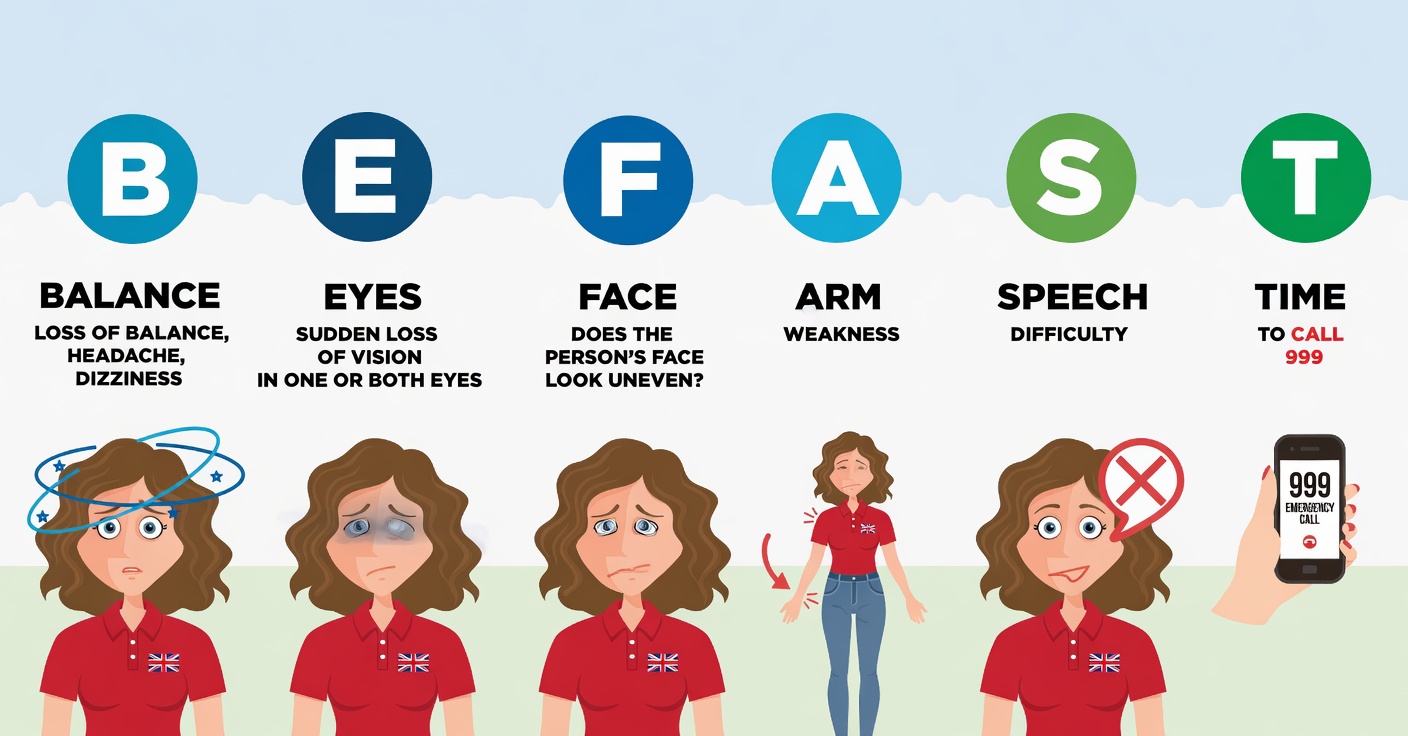
It’s easy to blame vertigo or an inner ear issue first. Still, the American Stroke Association includes balance problems in the BE FAST stroke warning checklist.
Because this can be a sign a month before a stroke, prompt medical evaluation is wise.
3) Blurred Vision or Sudden Vision Changes
Sudden blurring, double vision, or vision loss in one or both eyes can be confusing and dangerous—especially while driving or walking. These visual changes may appear temporarily during a transient ischemic attack (TIA), sometimes called a mini-stroke.
Eye strain or screen fatigue may seem like the simplest explanation, but sudden vision changes are widely recognized as a common precursor to stroke-related events.
Catching this possible sign a month before a stroke early can make a major difference.
4) Weakness or Numbness on One Side of the Body
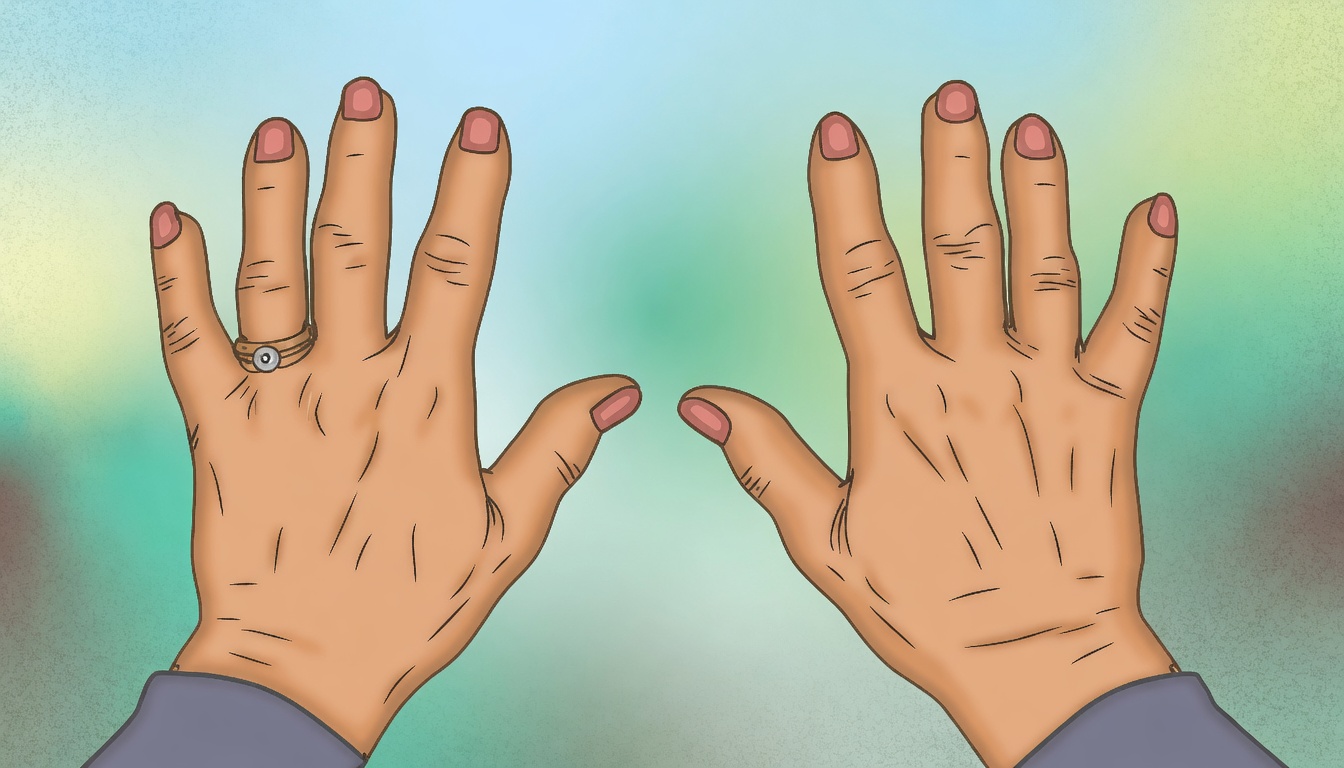
A sudden feeling of weakness, heaviness, or numbness in the face, arm, or leg—particularly on just one side—is one of the most classic warning signs. This can occur when the brain’s signaling is briefly interrupted.
Some people wait, hoping it disappears. Research and clinical experience show that these symptoms are frequently linked to TIAs, which can precede a major stroke.
If you notice this warning sign a month before a stroke, seeking help quickly may protect function and reduce damage.
5) Facial Drooping
If one side of the face droops—especially noticeable when smiling—it’s an immediate cause for concern. Facial droop is part of the widely used FAST stroke recognition tool.
While conditions such as Bell’s palsy may also cause facial weakness, organizations like stroke.org emphasize checking and acting right away when facial drooping occurs suddenly.
This visible sign a month before a stroke should never be ignored.
6) Confusion or Trouble Speaking
Sudden difficulty speaking clearly, finding words, slurred speech, or trouble understanding others can feel isolating and frightening. This symptom can arrive abruptly and may reflect disruptions in brain areas responsible for language.
It’s often misattributed to exhaustion, anxiety, or distraction. Yet medical experts consistently classify it as a critical stroke warning indicator.
Recognizing this possible sign a month before a stroke can lead to life-saving treatment in time.
7) Difficulty Walking or Loss of Coordination
Stumbling, clumsiness, or sudden coordination problems can turn ordinary movement into a safety risk. These motor changes may indicate neurological disturbance affecting stability and gait.
Many assume an ear-related issue is to blame. However, reputable clinical sources (including the Cleveland Clinic) associate sudden coordination trouble with stroke risk and impending events.
If this develops as a warning sign a month before a stroke, treat it seriously.

8) Persistent, Unusual Fatigue
Extreme tiredness that doesn’t improve with rest can quietly erode motivation and daily performance. While fatigue is less specific than other symptoms, some research connects unusual fatigue to reduced blood flow and vascular strain.
Because modern life makes it easy to blame work, stress, or poor sleep, this sign is commonly overlooked. If fatigue feels abnormal for you—especially alongside other symptoms—track it carefully.
It may be a subtle sign a month before a stroke worth discussing with a clinician.
9) Nausea or Vomiting (Especially With Headache)
Unexpected nausea or vomiting—particularly when paired with a severe headache—can appear in some stroke-related conditions. It’s often mistaken for food poisoning, a stomach virus, or dehydration, delaying recognition.
Medical warnings frequently mention nausea/vomiting as a possible accompanying symptom alongside intense headaches or neurological changes.
When it occurs with other red flags, it may point to a possible sign a month before a stroke.
10) Neck Pain or Stiffness
Severe neck pain or stiffness—especially when combined with a sudden headache—should be evaluated carefully. In rare cases, it may relate to blood vessel injury such as vertebral artery dissection, which some medical references note as a stroke-related cause.
Most people assume it’s a muscle strain from posture or exercise. Still, intense, unusual pain should not be dismissed when paired with neurological symptoms.
This uncommon warning sign a month before a stroke deserves medical attention.

What to Do If You Notice These Symptoms
If any of these signs appear—especially suddenly—take action immediately:
- Use BE FAST to check symptoms:
- Balance (sudden dizziness or instability)
- Eyes (vision loss or changes)
- Face (drooping)
- Arms (weakness on one side)
- Speech (slurred or confused speech)
- Time (act immediately)
- Call emergency services right away (do not drive yourself).
- Write down the time symptoms began, which can affect treatment eligibility.
- Avoid eating or drinking, in case procedures or swallowing problems are present.
- Share your medical history and medications with responders, including blood thinners and risk factors.
Fast response can dramatically improve outcomes.
TIAs: “Mini-Strokes” That Act as Major Warnings
A transient ischemic attack (TIA) causes stroke-like symptoms that resolve on their own—sometimes within minutes. Even if symptoms disappear, a TIA is a serious warning sign and is linked to a higher risk of a full stroke soon after.
Treat a TIA as a medical emergency, not a false alarm.
Conclusion
Although many strokes occur without notice, some people experience temporary symptoms or subtle changes days to weeks beforehand. These 10 possible signs a month before a stroke—from severe headache and dizziness to vision changes, weakness, and speech difficulty—underscore one message: listen to your body and get medical help without delay.
FAQ
Do all strokes come with warning signs a month before?
No. Many strokes are sudden with no clear early symptoms. However, TIAs can provide warning signs in certain cases, often within days or weeks.
What is the most important warning sign a month before a stroke?
Sudden neurological changes such as one-sided weakness, speech difficulty, facial drooping, or a severe unusual headache. Use BE FAST to remember key signs.
Can these warning signs a month before a stroke be prevented?
You can’t prevent every stroke, but you can significantly reduce risk by managing blood pressure, cholesterol, blood sugar, and lifestyle factors (smoking, diet, exercise), and by following medical advice for existing conditions.