Fresh Guava Leaves for Oral Care: A Gentle, Traditional Option for Fresher Breath and Healthier Gums
Lingering bad breath or occasional gum soreness can make everyday interactions feel uncomfortable. Even with careful brushing, plaque can still build up, leaving a stubborn film on your teeth and a less-than-fresh feeling that follows you through the day. For people with sensitive gums, strong commercial rinses may feel too harsh—making natural, soothing alternatives more appealing.
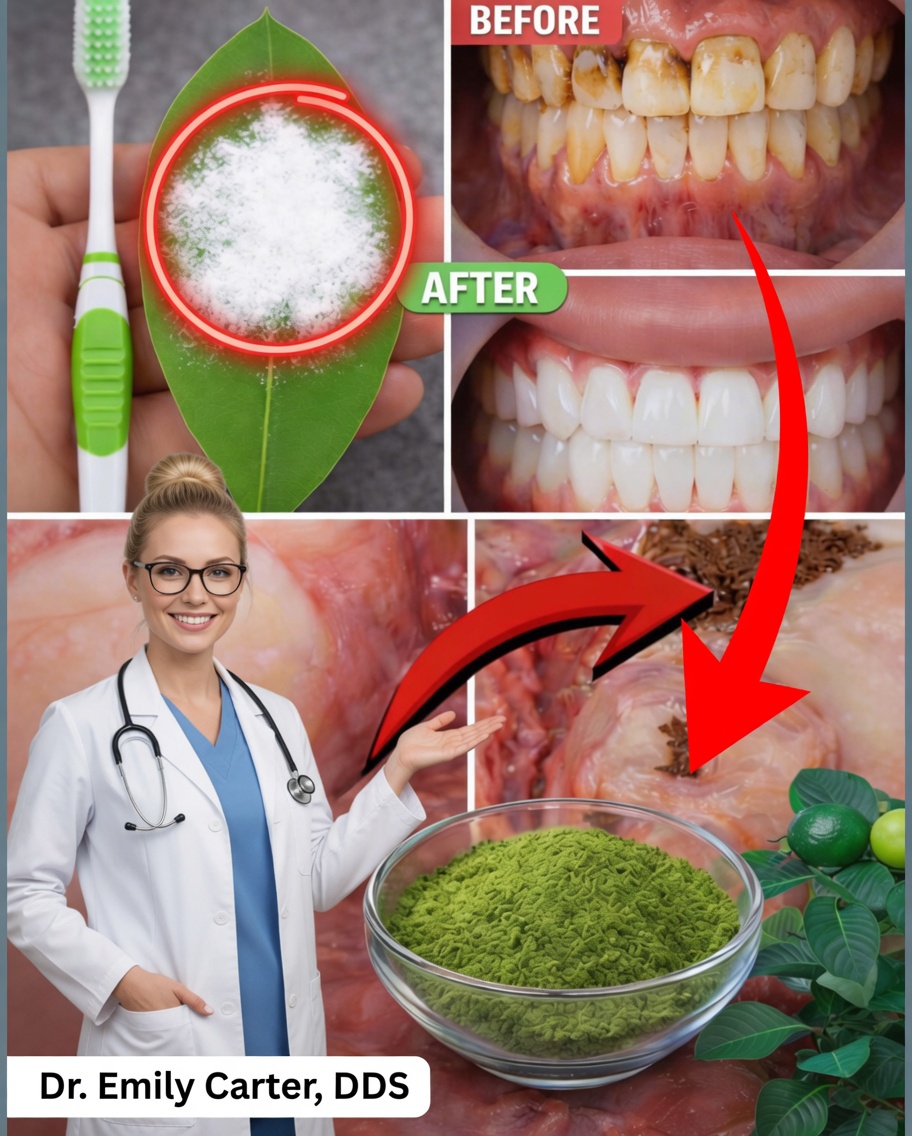
Fresh guava leaves are increasingly being used as a mild, plant-based complement to daily oral hygiene. Traditionally valued in many tropical regions, they’re now drawing attention because research suggests they may support oral freshness in a surprisingly simple way.
Why Fresh Guava Leaves Are Getting Popular in Oral Hygiene
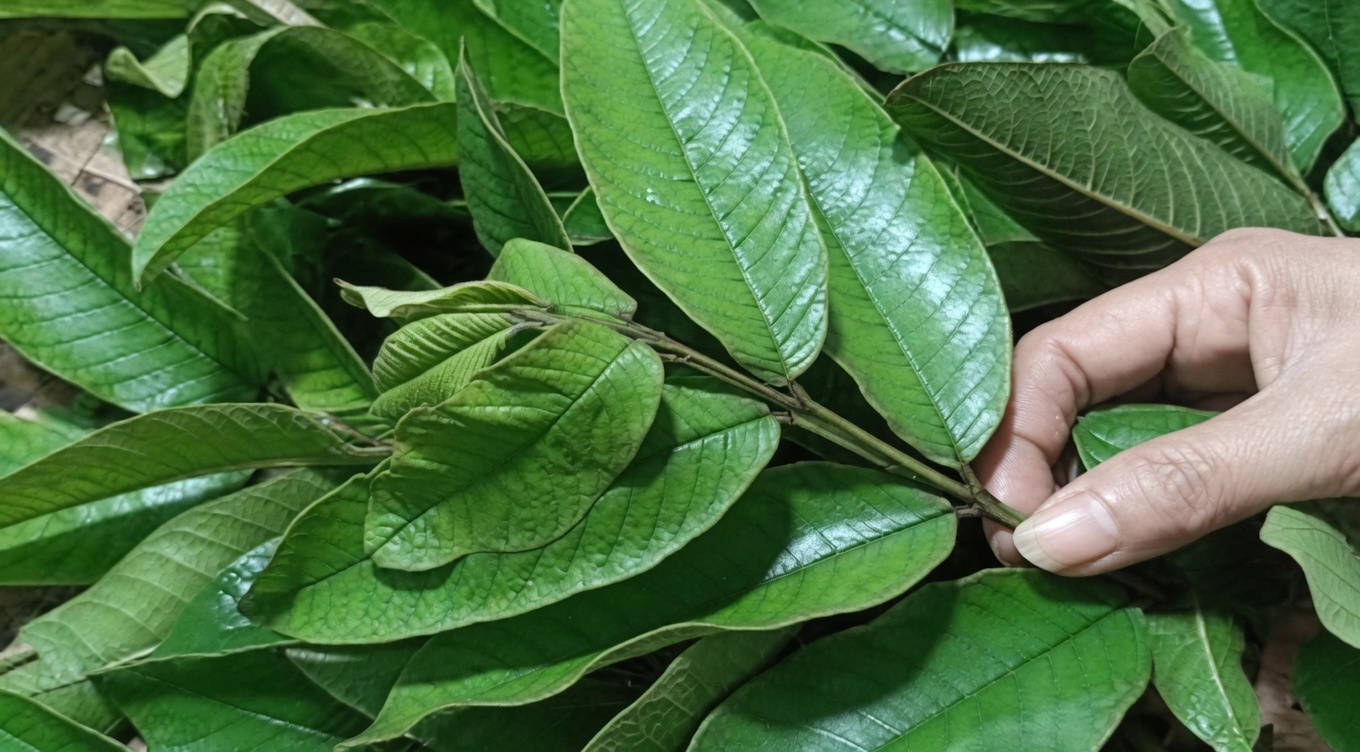
Plaque buildup and that “sticky” mouthfeel can make meals less enjoyable and leave you self-conscious about your breath. Fresh guava leaves (from the Psidium guajava tree) have a long history of traditional use for promoting a cleaner-feeling mouth. Today, many people who dislike the sting of alcohol-based mouthwashes are exploring guava leaves as a gentler option.
Scientific interest focuses on naturally occurring compounds in fresh guava leaves—such as flavonoids, tannins, and aromatic oils—that may offer antibacterial and anti-inflammatory support in the mouth. Studies suggest these compounds could help limit bacteria linked to plaque formation, contributing to a fresher and more comfortable oral environment.

Key Compounds in Fresh Guava Leaves (What Research Often Highlights)
- Quercetin: Studied for antibacterial activity against oral microbes and possible support for gum comfort
- Guaijaverin: Associated with reduced bacterial adherence in lab observations
- Tannins: Known for astringent properties that may support gum tissues
- Essential oils: Linked to antimicrobial activity in the oral environment
Taken together, findings from peer-reviewed sources position fresh guava leaves as a mild, complementary approach worth considering alongside standard oral care.
What Studies Suggest About Guava Leaves and Oral Freshness
When morning breath sticks around or gums still feel tender despite brushing twice daily, it’s easy to get discouraged. Fresh guava leaves have gained attention because early research indicates they may help support oral comfort without the burn many people experience from strong mouth rinses.
In one clinical study, a guava-leaf-based rinse was associated with improved plaque scores and gum health over time, with good tolerability. Other research has reported antibacterial effects that appear comparable to some conventional options when tested against common oral bacteria.
Another promising area: regular guava leaf rinsing has been linked to increased antioxidant activity in saliva, which may help the mouth handle day-to-day oxidative stress. Results can vary by person, but the overall evidence suggests guava leaves may be a practical natural addition for those seeking extra freshness.
How to Safely Source and Select Fresh Guava Leaves
Concerns about pesticide residues or poor-quality leaves are valid. Choosing the right fresh guava leaves makes the routine feel safer and more effective.
- Choose young, tender, green leaves, which are often associated with higher levels of active compounds.
- When possible, use organic or home-grown leaves to reduce chemical exposure.
- If purchasing, buy from trusted suppliers and inspect for freshness.
- Always wash thoroughly before use.
Starting with clean, high-quality leaves helps reduce uncertainty and makes daily use more comfortable.
Simple Method 1: Fresh Guava Leaf Infusion (Daily Rinse)
That lingering after-meal odor or “fuzzy” mouth feeling can quickly drain confidence. A guava leaf infusion is an easy, research-supported way to add a gentle rinse to your routine.
How to Make a Fresh Guava Leaf Rinse
- Select 6–8 young fresh guava leaves.
- Rinse thoroughly under cool running water.
- Bring 2 cups of water to a boil, add the leaves, then simmer 10–15 minutes.
- Let it cool completely and strain.
- After brushing, swish ½ cup for 30–60 seconds, once or twice daily.
- Spit it out (do not swallow).
Many people report a cleaner mouthfeel soon after starting. Research on similar guava leaf infusions suggests that consistent use may help reduce oral bacterial levels over time. Some traditional approaches also include a small pinch of salt for added soothing comfort.
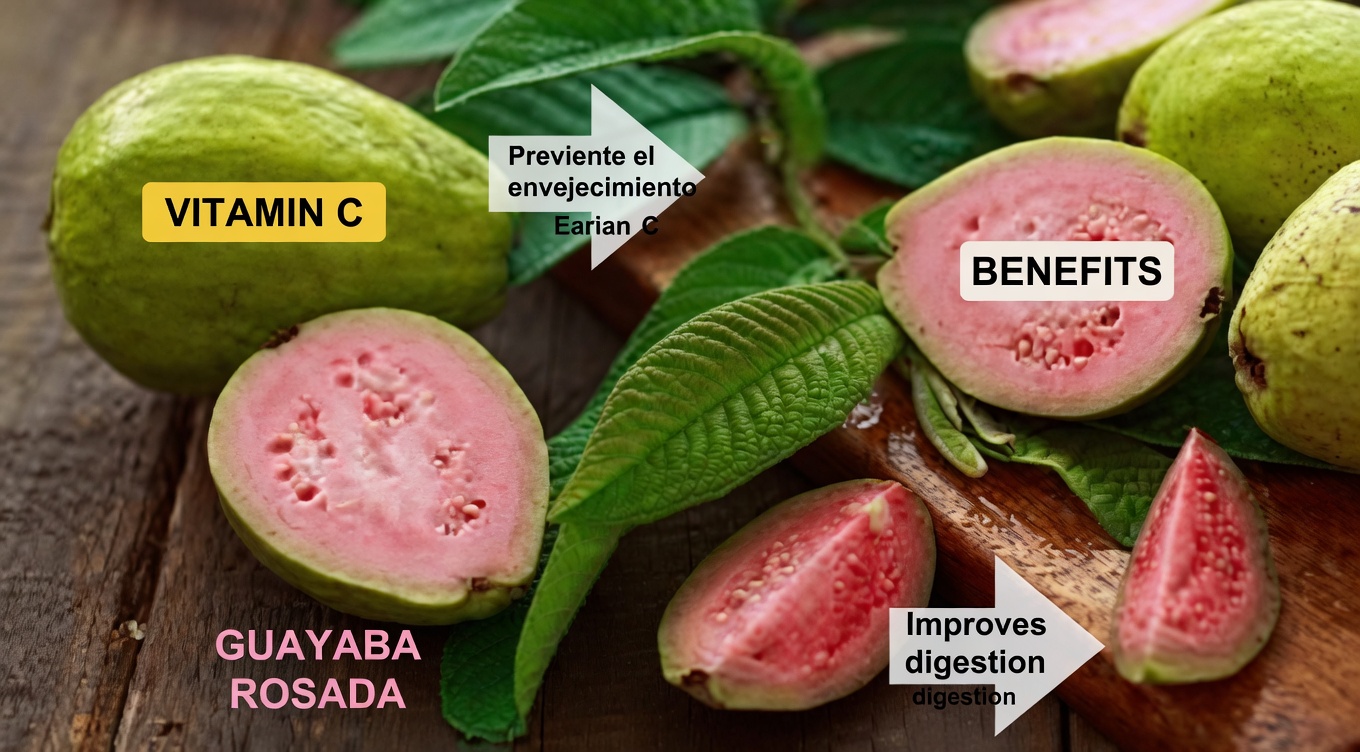
Simple Method 2: Chewing Fresh Guava Leaves (No-Prep Option)
When schedules are packed, complicated routines often get dropped. Chewing fresh guava leaves is a traditional, low-effort practice that allows the beneficial compounds to release gradually through direct contact.
How to Chew Guava Leaves Safely
- Pick 1–2 young, clean guava leaves.
- Wash them carefully.
- Chew slowly for 3–5 minutes to release the juices.
- Spit out the fibrous material.
- Rinse with water afterward.
This method is convenient anywhere. Traditional use—supported by laboratory observations—suggests extended contact during chewing may enhance localized effects in the mouth.
Simple Method 3: Make a Batch Guava Leaf Mouthwash (For Weekly Convenience)
Running out of rinse mid-week can break momentum and allow discomfort to return. Preparing a larger batch helps you stay consistent with minimal daily effort.
Batch Mouthwash Instructions
- Gather 12–15 fresh guava leaves.
- Wash and lightly crush them.
- Boil in 4–5 cups of water for 20 minutes.
- Cool, strain, and pour into a clean bottle.
- Refrigerate and use within 5–7 days.
- If needed, dilute before use and rinse twice daily.
Clinical observations involving more concentrated guava-leaf rinses note potential plaque reductions over weeks when used regularly.

Practical Tips to Get Better Results with Fresh Guava Leaves
Natural options often work best with consistency. If progress feels slow, these habits can help you stay on track and notice changes more clearly:
- Try one method for a full week before switching or adding another.
- Combine with gentle brushing, a soft toothbrush, and fluoride toothpaste.
- Drink enough water to support natural mouth cleansing.
- Track breath freshness and gum comfort in a quick note or journal.
- Reduce sugary foods to better support plaque control.
Research suggests the benefits of fresh guava leaves may build gradually with daily use rather than showing up instantly.
Safety Notes for Using Fresh Guava Leaves
Fresh guava leaves are generally considered well-tolerated for rinsing, and studies often report minimal side effects. Still, caution is important:
- Start slowly and stop if you notice irritation or sensitivity.
- Do not swallow guava-leaf rinses.
- If you are pregnant, managing medical conditions, or unsure about interactions, consult a healthcare professional first.
Used properly, many people experience a mild, refreshing effect without significant issues.
Final Thoughts: Adding Fresh Guava Leaves to Your Oral Care Routine
Plaque buildup, tender gums, and breath concerns can quietly affect daily confidence. Using fresh guava leaves—whether as an infusion rinse, a quick chew, or a convenient weekly batch—offers an accessible, nature-based approach rooted in tradition and supported by early scientific findings.
Choose the method that fits your lifestyle, stay consistent, and you may notice a cleaner, more comfortable mouth over time.
Frequently Asked Questions
Are fresh guava leaves safe to use every day for oral care?
Research suggests they are generally well-tolerated when used as a rinse. Start gently, and ask your dentist for personalized guidance—especially if you have ongoing gum issues.
How quickly can I notice results?
Some people notice fresher breath within a few days. Plaque-related improvements may take 2–4 weeks of consistent use.
Can dried guava leaves replace fresh leaves?
Yes, dried leaves can work in similar preparations. However, some research suggests fresh guava leaves may contain higher levels of certain active compounds.
Disclaimer: This article is for informational purposes only and does not replace professional dental advice. Always consult a qualified healthcare provider before starting new oral care practices.