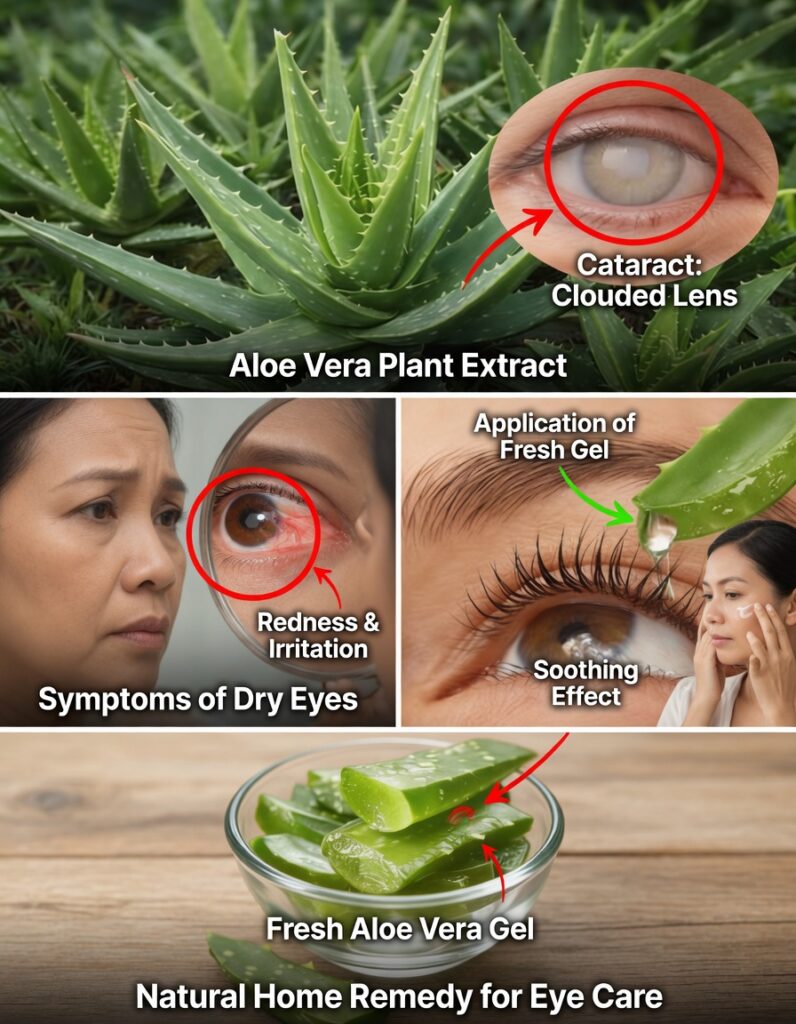
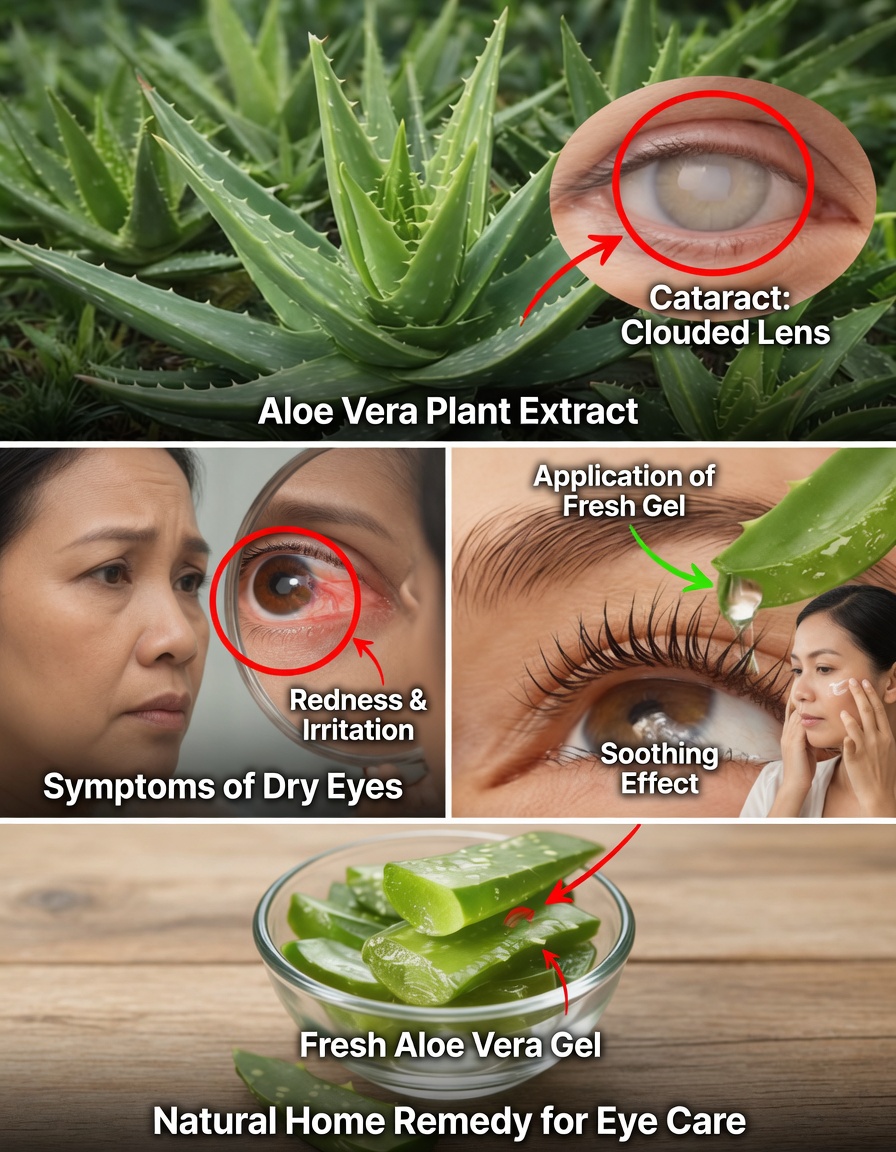
After hours of screen exposure, it’s common for eyes to feel scratchy, hot, and persistently dry—so much so that each blink can become uncomfortable. Redness and irritation can also drain your focus, making everyday tasks like reading, working, or driving feel harder than they should. As a result, many people are exploring gentle, natural options, including aloe vera, to support comfort when dryness and irritation interfere with daily life.
The Everyday Experience of Dry Eyes and Irritation
Dry eye discomfort affects millions of people worldwide. For many, mornings begin with stinging or a gritty sensation, while evenings end with tired, irritated eyes. Common triggers include:
- Long screen time
- Air conditioning or heating
- Wind, dust, and pollution
- Low humidity environments
- Allergies or sensitivity to irritants
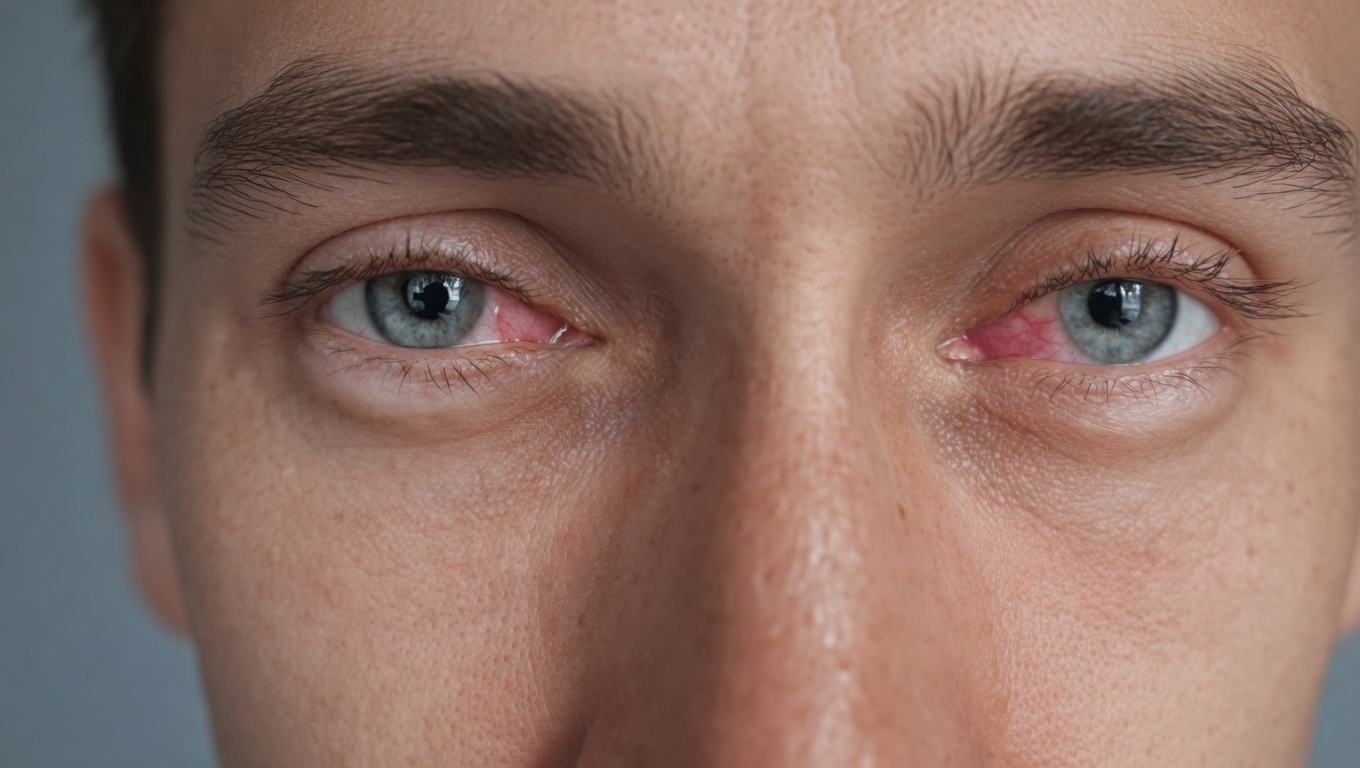
When dryness persists, eyes can look red and feel inflamed, which can reduce concentration and make hobbies less enjoyable. Because of its naturally soothing profile, aloe vera has gained attention for potential external support—especially when the delicate skin around the eyes feels stressed or reactive.
Why Standard Eye Drops Don’t Work for Everyone
Artificial tears can be helpful for quick lubrication, but some people find the relief short-lived. Others may notice sensitivity to certain ingredients, including preservatives, particularly with frequent use.
When redness and discomfort continue despite regular drops, it’s natural to look for additional strategies that feel more supportive over time. Aloe vera stands out because research has explored its hydrating and calming compounds, which may be relevant for people dealing with recurring irritation.

What Makes Aloe Vera Relevant for Eye Comfort?
Aloe vera gel—the clear substance found inside the leaf—contains water-rich polysaccharides and other plant compounds studied for hydration and soothing effects. While aloe vera is not meant to be placed in the eyes, its natural composition makes it an interesting option for external comfort around the eye area, especially when dryness leads to burning sensations or visible redness.
Many people also associate aloe with a cooling feel, and research has discussed its potential anti-inflammatory activity—qualities that may be useful when irritation affects comfort and day-to-day clarity.
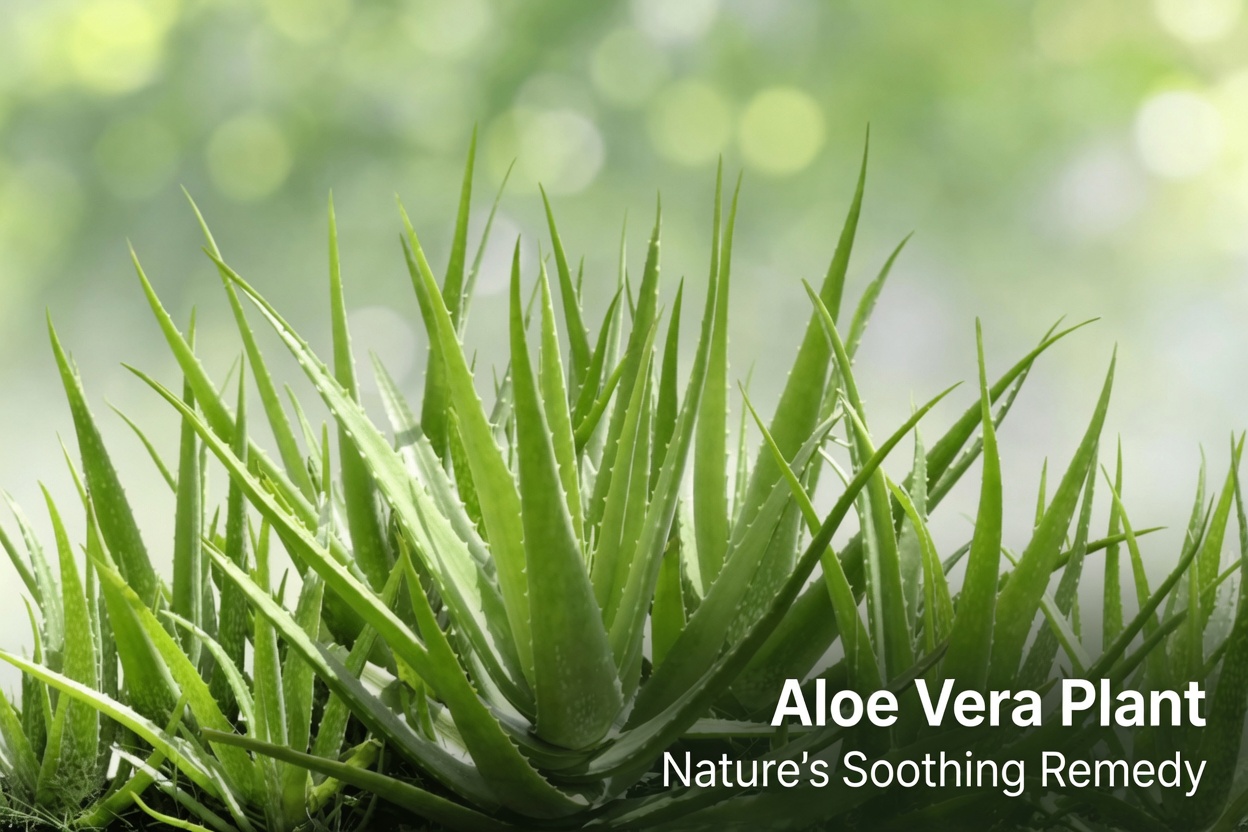
Top 8 Potential Ways Aloe Vera May Support Eye Health (External Use)
Below are research-informed, commonly discussed ways aloe vera may help support comfort—focused strictly on external application when dry eyes and irritation create surrounding redness or discomfort.
-
Moisture support for the skin around the eyes
Aloe vera’s high water content may help hydrate dry, flaky skin that can worsen the feeling of tightness around irritated eyes. -
Cooling relief after daily eye strain
That naturally refreshing sensation may feel soothing when long hours of screens leave the eye area feeling hot or fatigued. -
Support for a calmer-looking eye area
Aloe compounds studied for soothing properties may help reduce the look of redness caused by environmental stressors around the eyelids. -
A light protective layer against external triggers
The gel may form a mild barrier that helps reduce discomfort when wind, dust, or dry air increases irritation. -
Comfort for minor puffiness
Some research on aloe polysaccharides suggests potential benefits for soothing swelling, including mild eyelid puffiness linked with irritation. -
A longer-lasting hydration feel
Aloe vera may act as a humectant, helping the skin retain moisture—useful in dry environments that can worsen discomfort. -
Support for irritation-prone sensitivity
Research notes aloe’s potential anti-inflammatory properties, which may help the skin respond more calmly to irritants (including seasonal triggers). -
Overall comfort for the external eye area
By combining hydration and soothing effects, aloe vera may offer broader external comfort when dryness becomes a daily concern.
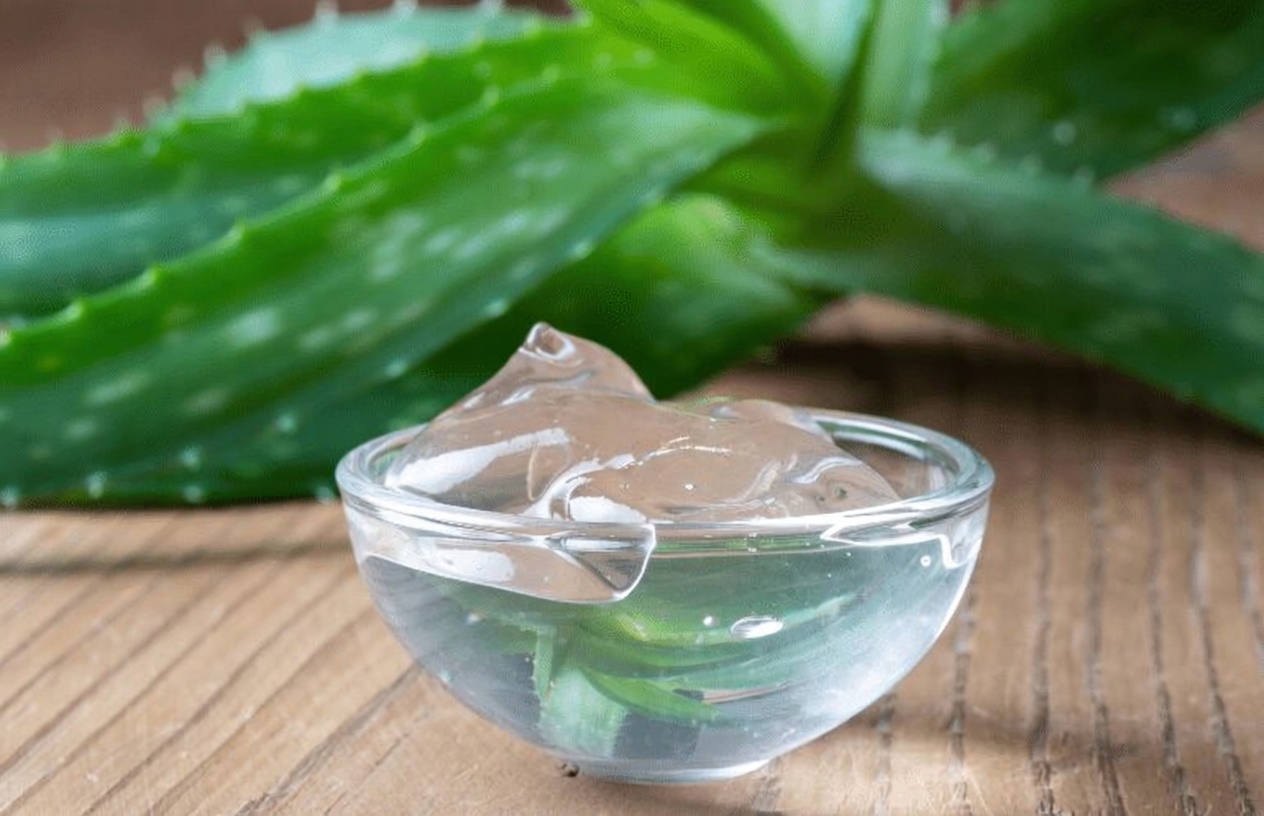
Aloe Vera vs. Traditional Eye Relief Options
| Aspect | Aloe Vera (External Use) | Artificial Tears |
|---|---|---|
| Primary purpose | Natural hydration, cooling feel, potential soothing for the surrounding area | Lubrication inside the eye |
| Where it’s used | Around closed eyelids / external skin | Directly in the eyes |
| How it feels | Refreshing, cooling | Immediate moisture |
| Typical research focus | External soothing and skin support | Clinical management of internal dryness |
| Best suited for | Dryness or redness around the eyes; comfort support | Replacing moisture on the eye surface |
This side-by-side view helps clarify that aloe vera is typically considered an external comfort approach, while artificial tears are designed for internal eye lubrication.
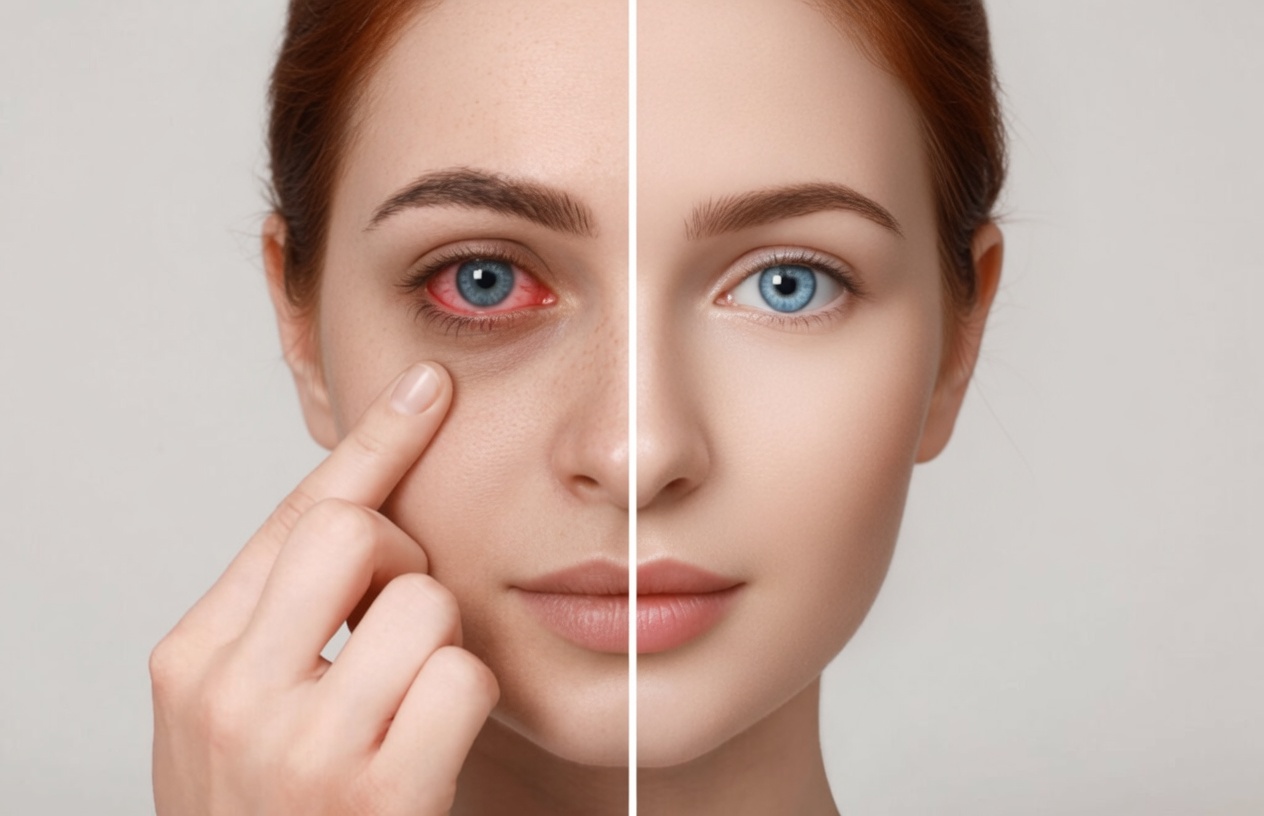
Safe, Practical Ways to Use Aloe Vera Around the Eyes
If you’re considering aloe vera for dryness-related discomfort, focus on external methods only:
- Choose pure, preservative-free aloe vera gel from a reputable source
- Apply a very thin layer to closed eyelids, gently and carefully
- Try a cool compress using diluted aloe (on closed eyes only)
- Do a patch test on skin first to check for sensitivity
- Use 1–2 times per day, then reassess based on how your skin responds
If you have ongoing symptoms, existing eye conditions, or are unsure what’s safe for you, speak with an eye care professional first. Never place raw aloe vera or aloe gel directly into the eye. Safety matters most—especially when irritation persists.

Final Thoughts: A Gentle Plant-Based Option to Explore
When dry eyes lead to redness, burning, and irritation that reduce daily comfort, aloe vera’s hydration and calming potential may feel like a simple, natural complement—particularly for the external eye area. Many people value its cooling sensation and supportive feel as part of a broader comfort routine.
For the safest approach, discuss aloe vera use with a qualified healthcare provider or eye doctor, especially if symptoms are frequent or worsening.
Frequently Asked Questions
Is aloe vera safe to use around the eyes?
For many people, external use of pure aloe vera gel is considered low-risk, but sensitivities can happen. Patch test first and keep it away from the eye itself to avoid stinging or irritation.
How often can aloe vera be applied for irritation?
A reasonable starting point is once or twice daily on closed eyelids (or as a cool compress), while carefully monitoring for any reaction. Using more isn’t necessarily better.
Can aloe vera help with severe dry eye?
Aloe vera may offer external comfort support, but it does not replace medical care. If dryness is severe or persistent, consult an eye care professional for proper evaluation and treatment.
Medical Disclaimer
This article is for informational purposes only and is not a substitute for professional medical advice. Always consult your healthcare provider for personalized guidance on eye health concerns.