Recurrent Yeast Infections: Why They Keep Coming Back (and What You Can Do)
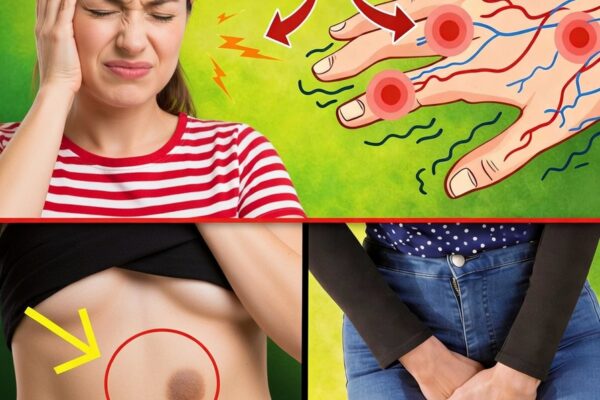
Coping with the itching, burning, and irritation of a yeast infection is hard enough once. When it becomes a repeat problem—returning every few weeks or months—it can feel draining, discouraging, and even isolating. Many women find that treatments help briefly, only for symptoms to come right back.
The encouraging reality is that recurrent yeast infections are often influenced by everyday factors. With a clearer understanding of common triggers, small, consistent habit changes may help reduce how often these flare-ups occur.
What Is a Yeast Infection—and Why Do Some Become Recurrent?
A yeast infection (also called vaginal candidiasis) occurs when Candida, a fungus that naturally lives in the body, grows excessively. Under normal conditions, beneficial bacteria—especially lactobacilli—help keep yeast levels balanced. When that balance is disrupted, yeast can multiply and cause symptoms.
Clinicians commonly define recurrent yeast infections as four or more episodes in a year. For many women, this pattern affects comfort, confidence, daily routines, and intimacy.
Understanding what drives the imbalance is essential, because recurring infections are frequently connected to subtle, ongoing lifestyle or health influences.
8 Common Triggers Linked to Recurrent Yeast Infections
Recurrent yeast infections rarely happen “for no reason.” Health experts and research often point to these contributors:
1) Antibiotic Use
Antibiotics can be necessary for treating bacterial infections, but they may also reduce protective vaginal bacteria. With fewer lactobacilli, yeast can overgrow more easily—making recurrent yeast infections more likely.
2) High Sugar and Refined Carbohydrates
Yeast can thrive in environments with higher sugar availability. Diets high in refined sugar and processed carbs may support faster Candida growth in some people.
- Potentially helpful: shifting toward balanced meals and cutting back on sweets.
3) Tight or Non-Breathable Clothing
Skin-tight pants, leggings, and synthetic underwear can trap heat and moisture—conditions yeast tends to prefer. Over time, this can quietly contribute to repeated flare-ups.
- Potentially helpful: looser fits and breathable fabrics like cotton.
4) Hormonal Changes
Hormonal shifts—during the menstrual cycle, pregnancy, or while using hormonal birth control—can influence vaginal pH and glycogen levels. Some women notice infections recurring at predictable times, such as before a period.
5) Scented or Harsh Intimate Products
Fragranced soaps, feminine sprays, douches, and scented pads or liners can irritate sensitive tissue and disrupt the vaginal environment. Irritation and imbalance may increase the likelihood of symptoms returning.
6) Ongoing Stress
Chronic stress can affect immune function and the body’s natural ability to keep Candida under control. For many busy women, stress becomes an “invisible” factor behind recurrent episodes.
- Potentially helpful: prioritizing rest and relaxation practices.
7) Reduced Immune Resilience
Illness, poor sleep, fatigue, or other immune challenges can make it harder for the body to regulate yeast. This is one reason repeated infections may appear during demanding or exhausting periods.
8) Not Fully Completing Treatment
Symptoms often improve before yeast overgrowth is completely resolved. Stopping medication too early (or not following the recommended plan) can allow yeast to rebound, leading to recurrence.
These triggers often overlap, which is why small improvements across multiple areas can sometimes make a noticeable difference.
Practical Habits That May Help Prevent Yeast Infections From Returning
No strategy is guaranteed, but many women report fewer recurrences by adopting supportive, evidence-informed habits:
- Wear breathable underwear, especially cotton, and choose airflow-friendly clothing
- Wipe front to back after using the toilet to reduce bacterial transfer
- Avoid douching and skip scented intimate products
- Limit refined sugars and focus on whole, nutrient-dense foods
- Change out of wet clothes quickly after swimming or workouts
- Support stress management with adequate sleep, gentle movement, and relaxation
- If infections persist, ask your clinician about probiotics or preventive options that fit your history
In general, keeping the area dry and avoiding irritants are widely recommended steps that may help reduce repeated symptoms.
When to Get Medical Advice
If yeast infections keep returning despite lifestyle changes—or if symptoms are severe, unusual, or don’t improve with typical treatment—consult a healthcare professional. Recurring symptoms can sometimes be linked to other conditions or require a different treatment approach, so personalized evaluation matters.
The Bottom Line
Recurrent yeast infections can be frustrating, but they are often connected to modifiable triggers such as antibiotic exposure, diet, clothing choices, hormonal shifts, irritants, and stress. By addressing daily factors and working with a healthcare provider when needed, many women can reduce how often these episodes occur and regain comfort and confidence.
Frequently Asked Questions
1) How many yeast infections per year are considered recurrent?
Most medical guidance defines recurrent vaginal candidiasis as four or more episodes within 12 months.
2) Can diet changes actually help with recurrent yeast infections?
Diet changes are not a guaranteed cure, but reducing refined sugar may support a healthier vaginal environment for some women.
3) When should I see a doctor for yeast infections that keep coming back?
Seek medical care if infections happen frequently, symptoms return soon after treatment, symptoms are severe or unusual, or you’re uncertain about the cause—professional guidance helps ensure the right diagnosis and plan.
Medical disclaimer: This article is for informational purposes only and does not replace professional medical advice. Always consult a qualified healthcare provider for personalized evaluation and treatment.