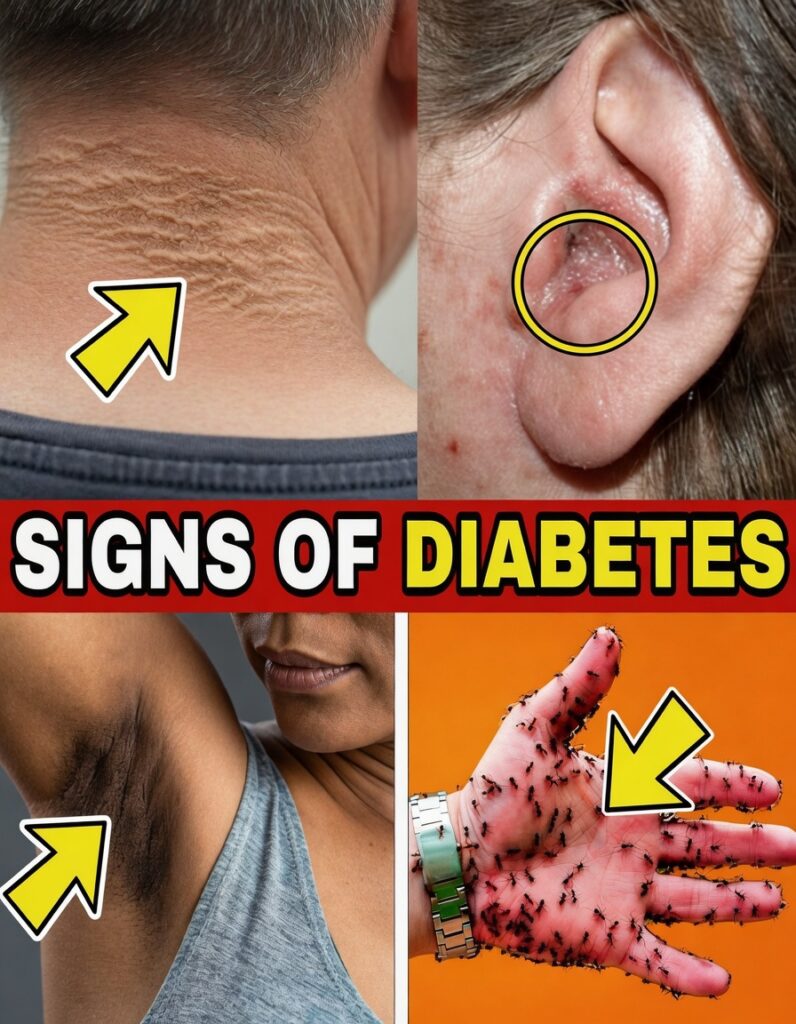
Early Signs of Diabetes: 15 Common Symptoms You Shouldn’t Ignore
Many people deal with unexplained tiredness, constant thirst, or small skin changes that quietly reduce comfort and daily energy. Because these symptoms can look like stress, aging, or a packed schedule, they’re often brushed off—leaving you frustrated and unsure.
The good news: when you recognize these issues as possible early signs of diabetes, you can take simple, practical steps—starting with a conversation with your healthcare provider for clarity and peace of mind.
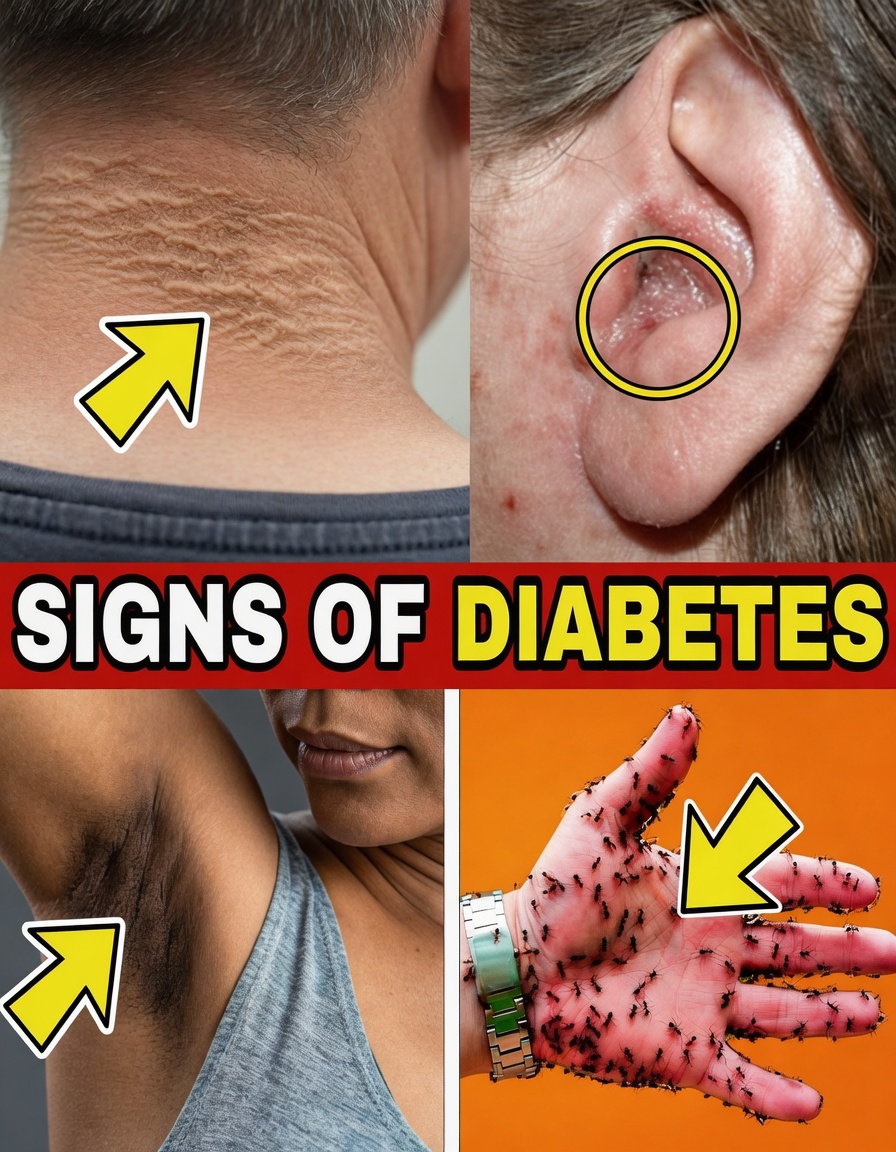
Keep reading to learn 15 widely discussed early signs of diabetes, based on what health experts and research commonly emphasize.
Why Noticing Early Signs of Diabetes Is Important
Early signs of diabetes often appear when blood sugar starts trending upward, sometimes long before someone receives an official diagnosis. If these early warning signals are overlooked, problems can progress quietly and begin affecting your energy, comfort, and overall well-being.
The encouraging reality is that many people feel significantly better when they catch changes early and get appropriate medical guidance.

Key Tests That Can Confirm Early Signs of Diabetes
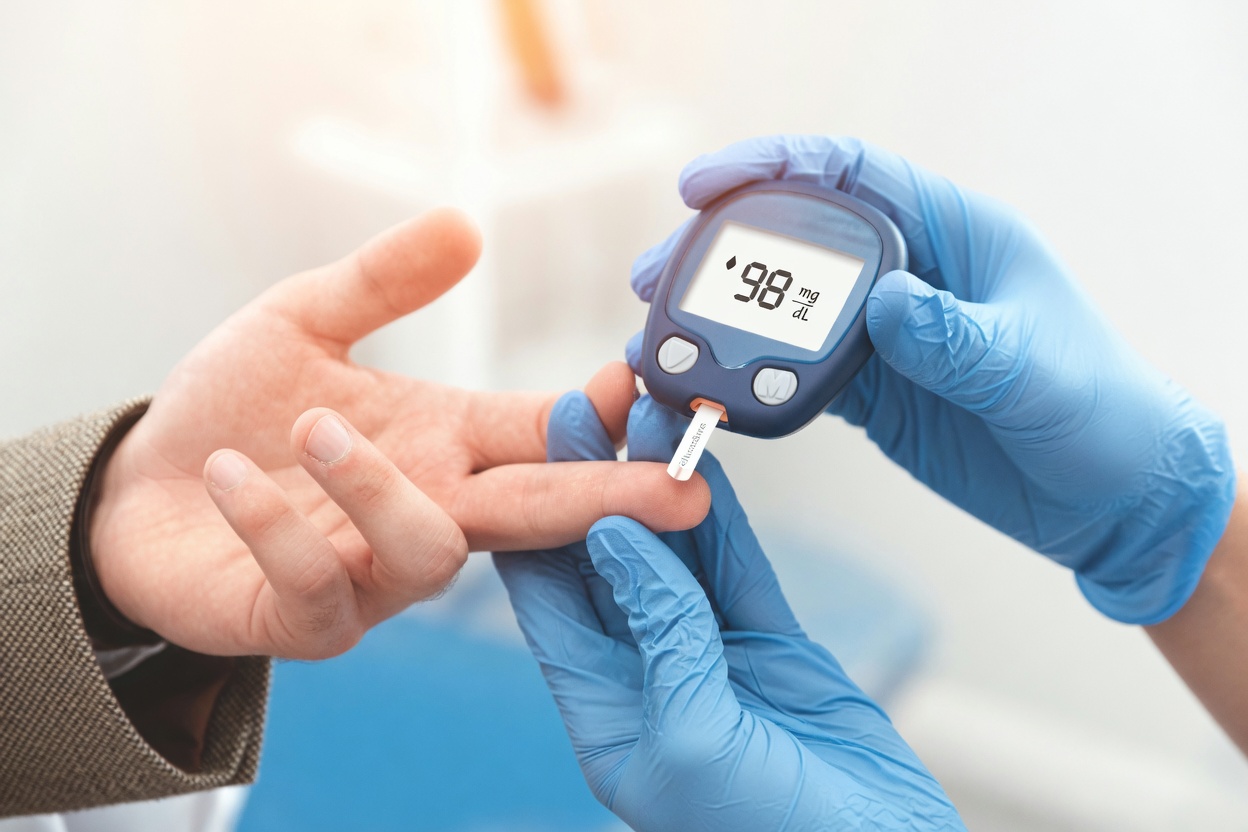
If symptoms suggest high blood sugar, basic lab tests can bring quick answers:
- Fasting Plasma Glucose (FPG): Measures blood sugar after at least 8 hours without eating (typical normal: under 100 mg/dL).
- HbA1c: Reflects your average blood sugar over the past 2–3 months (typical normal: under 5.7%).
- Oral Glucose Tolerance Test (OGTT): Evaluates how your body processes sugar after drinking a glucose solution.
Even mildly abnormal numbers can help explain the early signs of diabetes you may be noticing.
15 Common Early Signs of Diabetes
Below are 15 symptoms often linked with early diabetes changes. If more than one sounds familiar—especially if they persist—it’s worth discussing them with a clinician.
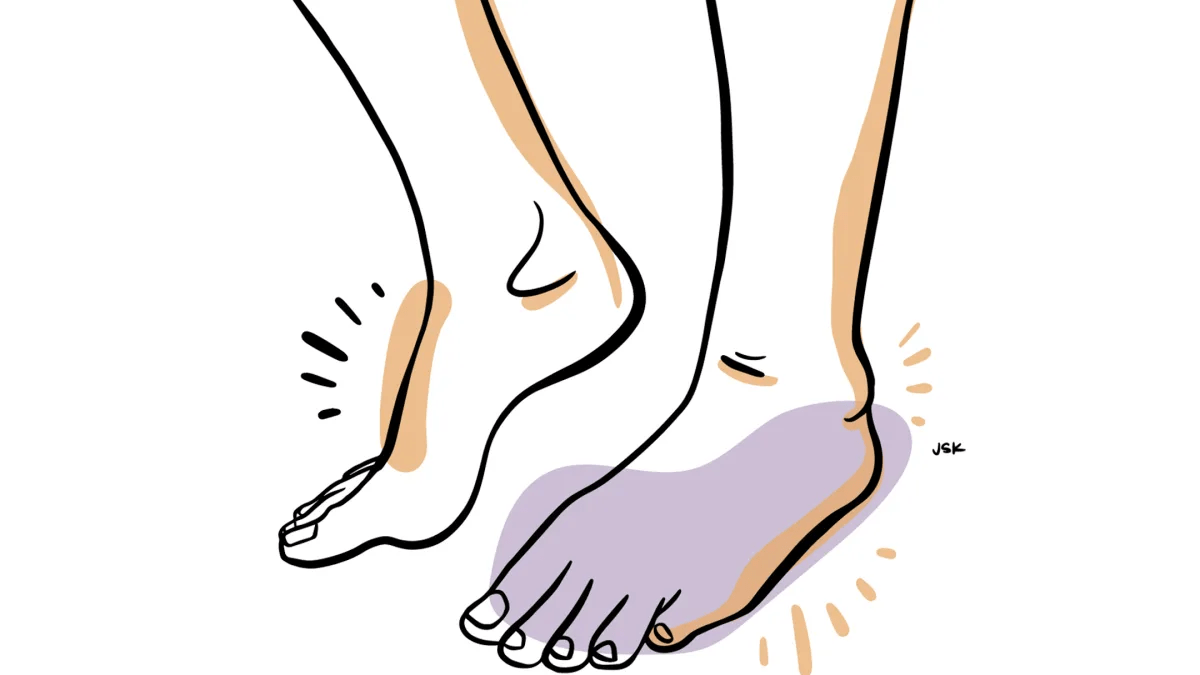
1. Tingling or Numbness in Hands and Feet
A pins-and-needles sensation, burning, or numbness in the hands or feet may reflect early nerve sensitivity related to rising blood sugar. It’s easy to assume it’s “just circulation,” but glucose levels can contribute.
This symptom can also interfere with sleep and everyday comfort.

2. Dark, Velvety Skin Patches
Thickened, darker areas—often around the neck, armpits, or other skin folds—can be a sign called acanthosis nigricans. It’s commonly associated with insulin resistance, a key risk factor and early sign of diabetes.
Because it’s visible, it often prompts people to seek testing.
3. Feeling Bloated or Too Full After Eating
If you regularly feel uncomfortably full after small meals, slow digestion may be involved. High blood sugar can affect nerves that support normal stomach function, making this a possible early sign of diabetes.
4. Energy “Crashes” After Carb-Heavy Meals
Feeling shaky, irritable, or suddenly drained a couple of hours after eating carbohydrates may indicate your body is struggling to regulate sugar efficiently. This pattern can be an early sign of diabetes in some individuals.

5. Unusual Changes in Urine
When sugar levels are high, urine can sometimes smell unusually sweet or—historically—attract insects such as ants. While not common for everyone, it’s a classic early sign worth being aware of.
6. Blurry or Changing Vision
If your vision shifts in and out of focus, blood sugar fluctuations may be affecting fluid balance in the eye’s lens. This early sign of diabetes is often temporary and may improve when glucose becomes more stable.
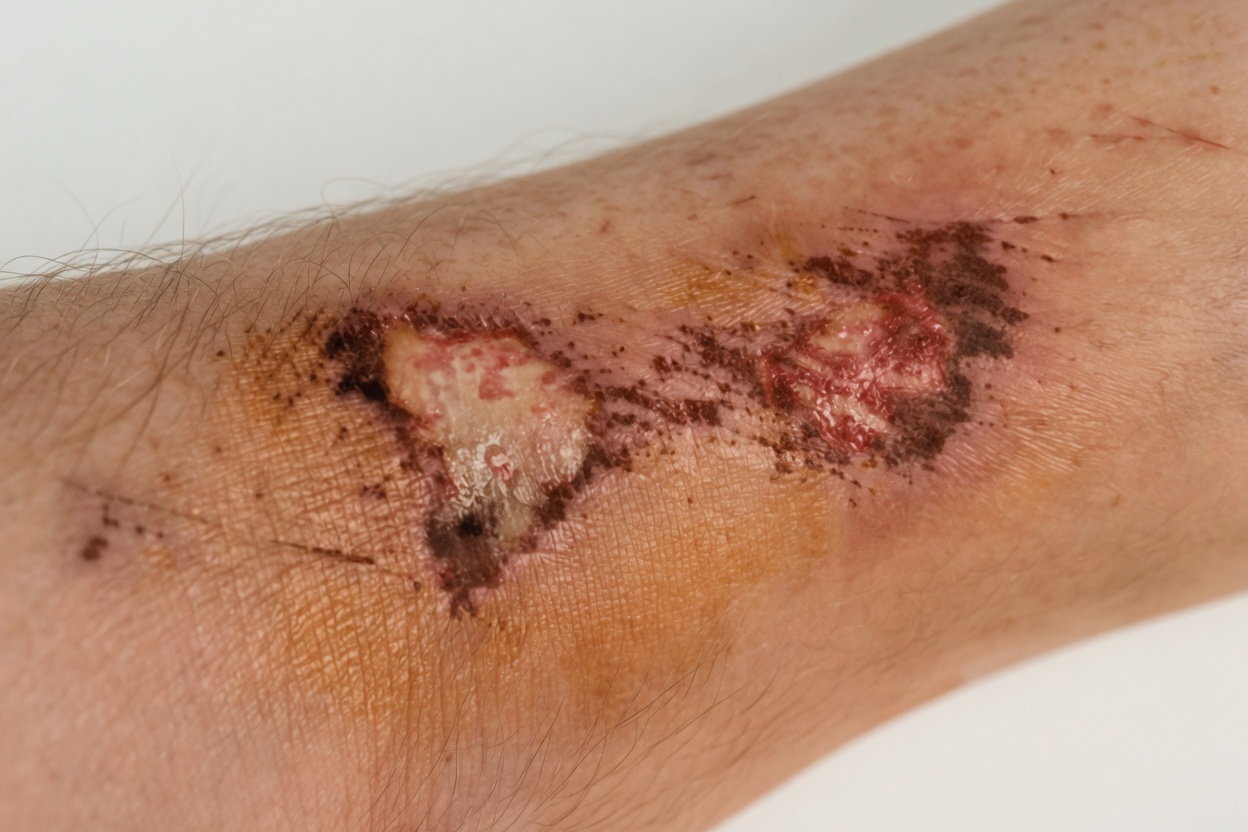
7. Cuts or Bruises That Heal Slowly
Minor wounds that take longer than expected to heal can be linked to how elevated blood sugar affects circulation and immune function—making slow healing a notable early sign of diabetes.

8. Unexplained Weight Changes
Losing weight without trying—especially if you’re eating more than usual—can happen when the body can’t use glucose properly and begins tapping other energy sources. This is a symptom that deserves prompt medical attention.
9. Ongoing Fatigue
If you feel worn out even after resting, it may be because your cells aren’t accessing energy efficiently. Persistent exhaustion is one of the most frequently reported early signs of diabetes.
10. Gum Problems or Oral Health Changes
Frequent gum swelling, bleeding, tenderness, or recurring mouth infections can be an overlooked early sign of diabetes. Blood sugar changes can influence inflammation and infection risk in the mouth.
11. Constant Hunger
Feeling hungry all the time—even soon after eating—can occur when the body is trying to get more energy because glucose isn’t being used effectively. Increased appetite is a common early sign of diabetes.
12. Strong or Constant Thirst
Drinking more than usual yet still feeling dehydrated is a classic symptom. When blood sugar is high, the kidneys work harder to filter and remove excess glucose, which can increase thirst.
13. Unusual Breath Odor
A fruity or unusual breath smell can be related to how the body is producing energy. While not everyone experiences this, it can be another potential early sign of diabetes.
14. Hormonal Shifts or Menstrual Cycle Changes
For some people, blood sugar changes may influence hormone balance, leading to irregular periods or other cycle-related changes. It can be an early sign of diabetes depending on the broader symptom picture.
15. Recurring Infections
Frequent yeast infections, skin infections, or urinary tract infections (UTIs) can occur more often when blood sugar is elevated, since immunity and tissue balance may be affected.
Quick Comparison: Key Early Signs of Diabetes
-
Excessive thirst
- Possible reason: Kidneys filtering extra sugar
- Why it matters: High relevance
-
Persistent fatigue
- Possible reason: Cells not accessing energy efficiently
- Why it matters: Very common
-
Blurry vision
- Possible reason: Fluid shifts in the eye lens
- Why it matters: Often reversible
-
Slow wound healing
- Possible reason: Circulation and immune impact
- Why it matters: Medium to high concern
-
Unexplained weight loss
- Possible reason: Body using alternative fuel sources
- Why it matters: Seek care promptly
-
Dark skin patches
- Possible reason: Insulin resistance marker
- Why it matters: Visible clue
What to Do If You Notice Early Signs of Diabetes
If you recognize one or more of these symptoms, practical next steps include:
- Monitor symptoms for 1–2 weeks (note timing, triggers, and frequency).
- Book a medical appointment and share specific changes you’ve noticed.
- Ask about basic screening tests (FPG, HbA1c, and/or OGTT).
- While waiting, prioritize balanced meals, regular movement, and hydration.
These habits support general health and may help you feel better while you get professional input.
Conclusion: Awareness Is a Powerful First Step
Noticing early signs of diabetes—such as thirst, fatigue, vision changes, slow healing, skin changes, and recurring infections—can be the beginning of feeling more energized and in control. Many people find real relief after timely testing and a helpful plan with their doctor.
Learning about these early signs of diabetes puts you ahead.
Frequently Asked Questions
How many early signs of diabetes should I have before seeing a doctor?
Even one persistent symptom is enough to bring up with a healthcare provider—especially if you have risk factors like family history or excess weight.
Can early signs of diabetes disappear without treatment?
Some symptoms may improve with lifestyle changes, but it’s still important to get a professional evaluation to confirm the cause and avoid missing an underlying issue.
Are early signs of diabetes the same for everyone?
No. Symptoms can vary widely, and some people have no noticeable symptoms. Regular check-ups and appropriate screening remain valuable for everyone.