Noticing that everyday actions—standing up from a chair, climbing stairs, or carrying groceries—feel tougher than they once did can be unsettling. After age 60, it’s common for muscle strength to gradually decline, leading to heavier steps, faster fatigue, and occasional unsteadiness that can reduce confidence. These shifts are often associated with age-related muscle loss (sarcopenia), and they can make independence feel harder to maintain.
The encouraging news is that nutrient-dense whole foods, inspired by long-standing traditional eating habits, can help supply protein, key minerals, and antioxidants that may support muscle maintenance and overall vitality. Below are five widely used foods—starting with a small but surprisingly powerful seed—that can be easy to add to your routine over time.
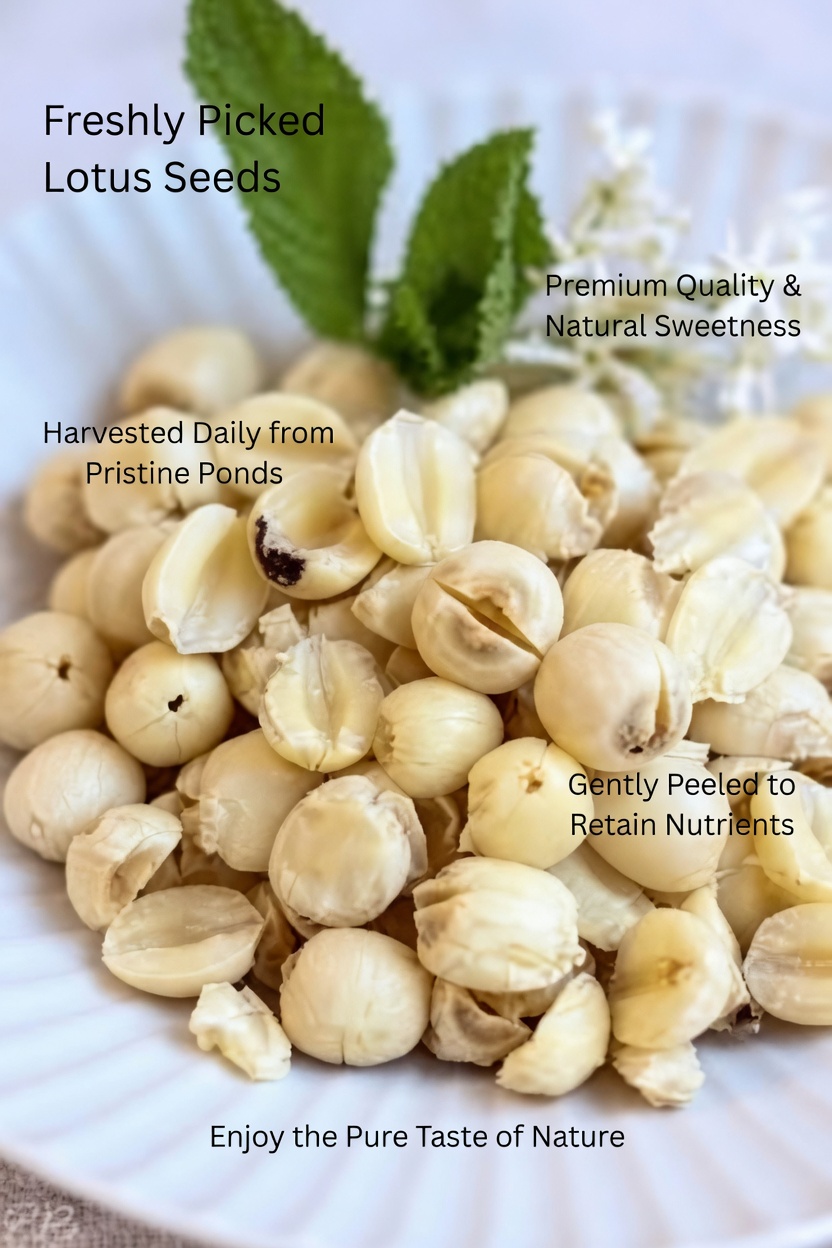
5. Lotus Seeds (Makhana): Gentle Plant-Based Support for Steadier Energy
When walking starts to feel draining or your legs tire quickly, staying active can become less enjoyable. Lotus seeds (often called makhana) are valued in traditional wellness practices for being light, nourishing, and easy to work into meals.
They offer plant-based protein (about 15–20 g per 100 g) and minerals such as magnesium, potassium, and phosphorus. Adequate protein supports muscle repair, and minerals—especially magnesium—are linked with healthy muscle function and may help reduce cramping for some people. Many also find lotus seeds easy to digest, which makes them appealing for older adults.
A common experience is that roasted or soaked lotus seeds feel like a “steady fuel” snack—supporting energy without weighing you down. Their mild taste is another advantage: they blend into many dishes without overpowering them.
Simple Ways to Eat Lotus Seeds
- Lightly roast with a pinch of salt for a crunchy snack
- Add to soups or stir-fries 2–3 times per week
- Soak overnight and blend into smoothies
With consistency, lotus seeds may support the kind of reliable energy that helps daily movement feel more manageable.
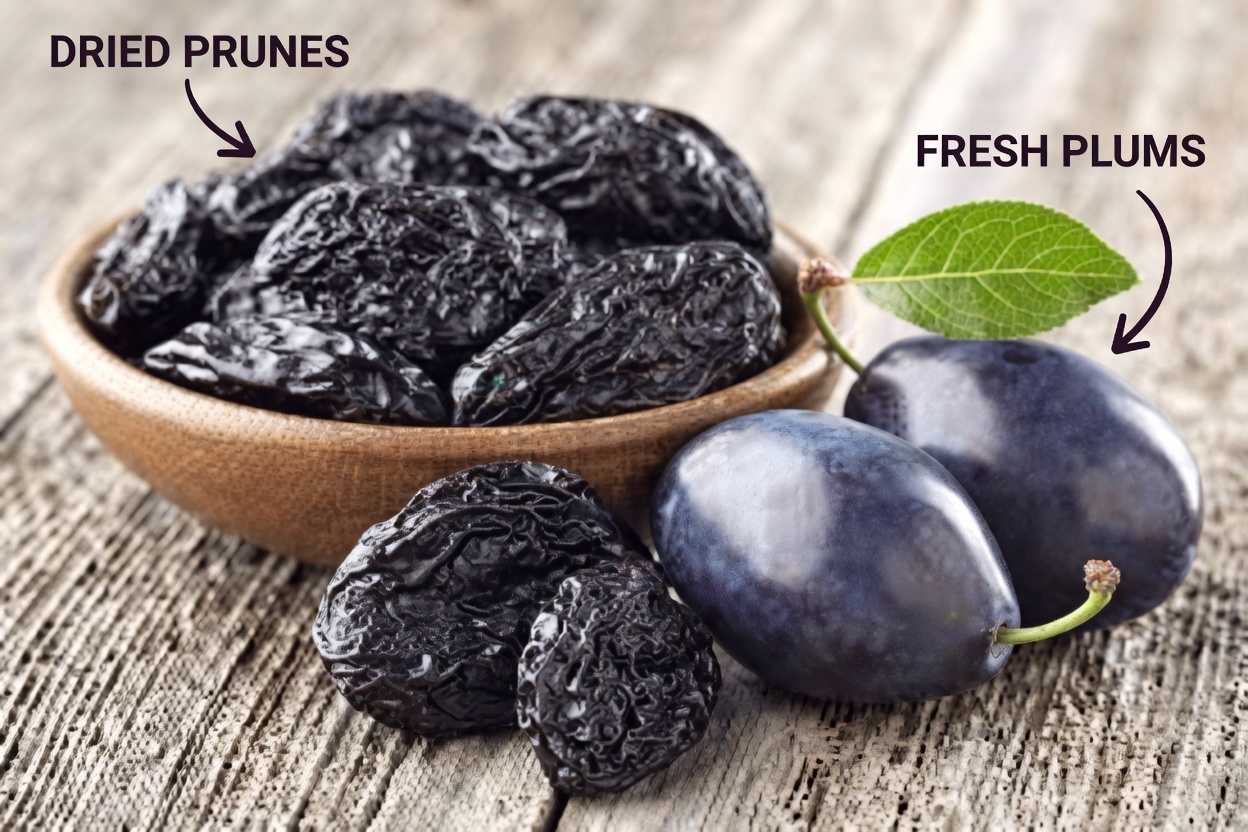
4. Dried Plums (Prunes): Helping Digestion and Nutrient Absorption
If digestion feels sluggish, the body may not use nutrients as efficiently—making it harder to support muscle strength after 60. Dried plums (prunes) are a convenient whole-food option rich in fiber, vitamins, and protective antioxidants.
Prunes provide soluble fiber, along with potassium and vitamin K. A healthier gut can support better nutrient uptake, which matters when your goal is maintaining strength and vitality. Research also connects higher fiber intake with broader wellness and potentially lower inflammation—factors that can influence comfort and mobility.
Many people simply notice that when digestion improves, they feel lighter and more capable during daily activities—making prunes an easy addition for those focused on aging well.
3. Ginger: Warming Support for Circulation and Daily Comfort
Stiffness, aches, or slow recovery after activity can make it harder to stay motivated about movement. Fresh ginger has a long history of traditional use for its warming and soothing qualities.
Ginger contains compounds such as gingerols, studied for anti-inflammatory effects. Better circulation may also help deliver oxygen and nutrients to working muscles more efficiently. For many, ginger becomes a small daily ritual that supports comfort—especially in the morning.
Interestingly, even modest amounts used consistently can feel meaningful over time.
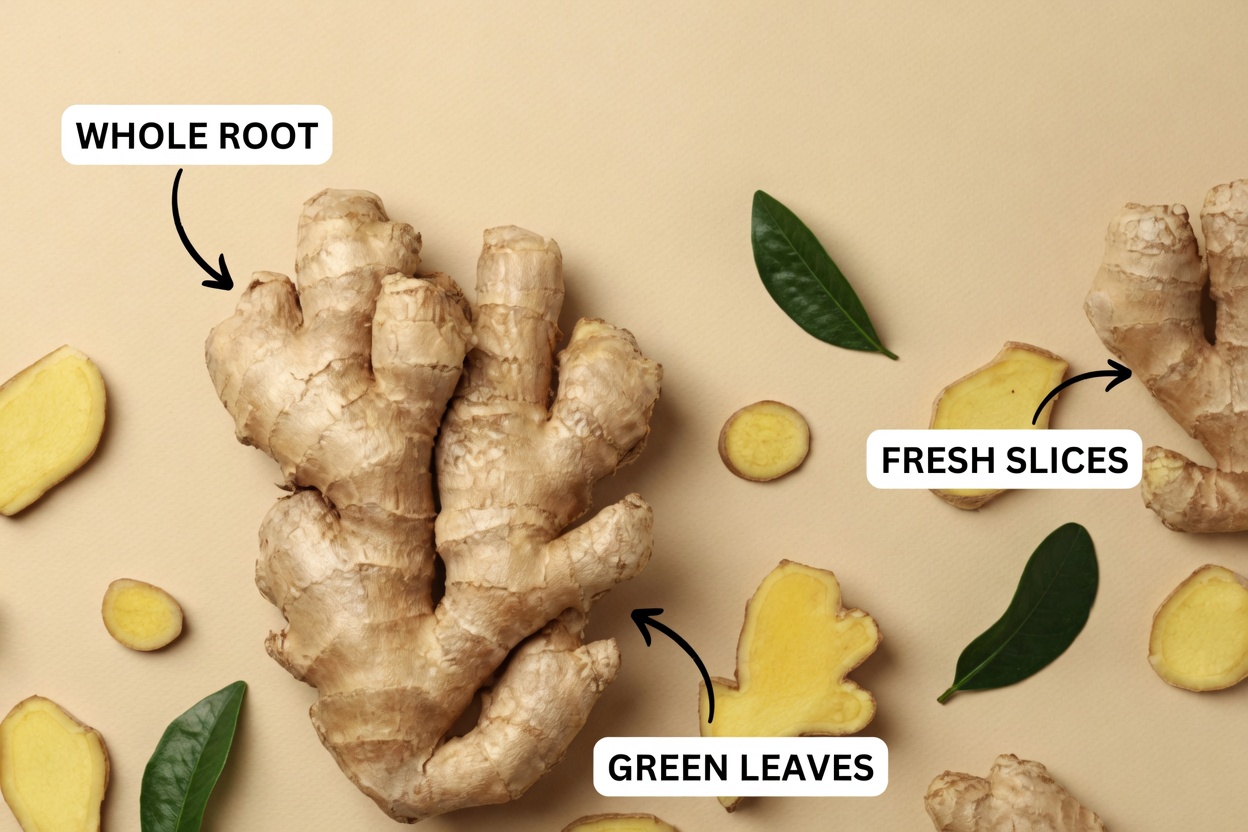
Easy Daily Ginger Tea
Ingredients
- 1-inch piece of fresh ginger, thinly sliced
- 1–2 cups hot water
- Optional: lemon or a small amount of honey
Steps
- Slice the ginger thinly.
- Steep in hot water for about 10 minutes.
- Strain and drink warm.
This simple tea can be a practical way to reduce that “heavy” or stiff feeling that may interfere with staying active.
2. Sesame Seeds: Mineral-Rich Support for Bones and Muscles
If you feel more fragile than you used to—especially in joints and overall structure—nutrition that supports the musculoskeletal system becomes increasingly important. Sesame seeds are small, but packed with minerals like calcium, magnesium, and zinc, plus healthy fats.
These nutrients play central roles in bone strength and muscle function, and sesame also provides antioxidants that may help reduce oxidative stress associated with aging. Many people like sesame seeds because they require almost no preparation: you can sprinkle them onto meals in seconds.
A simple, sustainable habit is aiming for about 1 tablespoon per day, which can add meaningful nutrition without changing your entire diet.
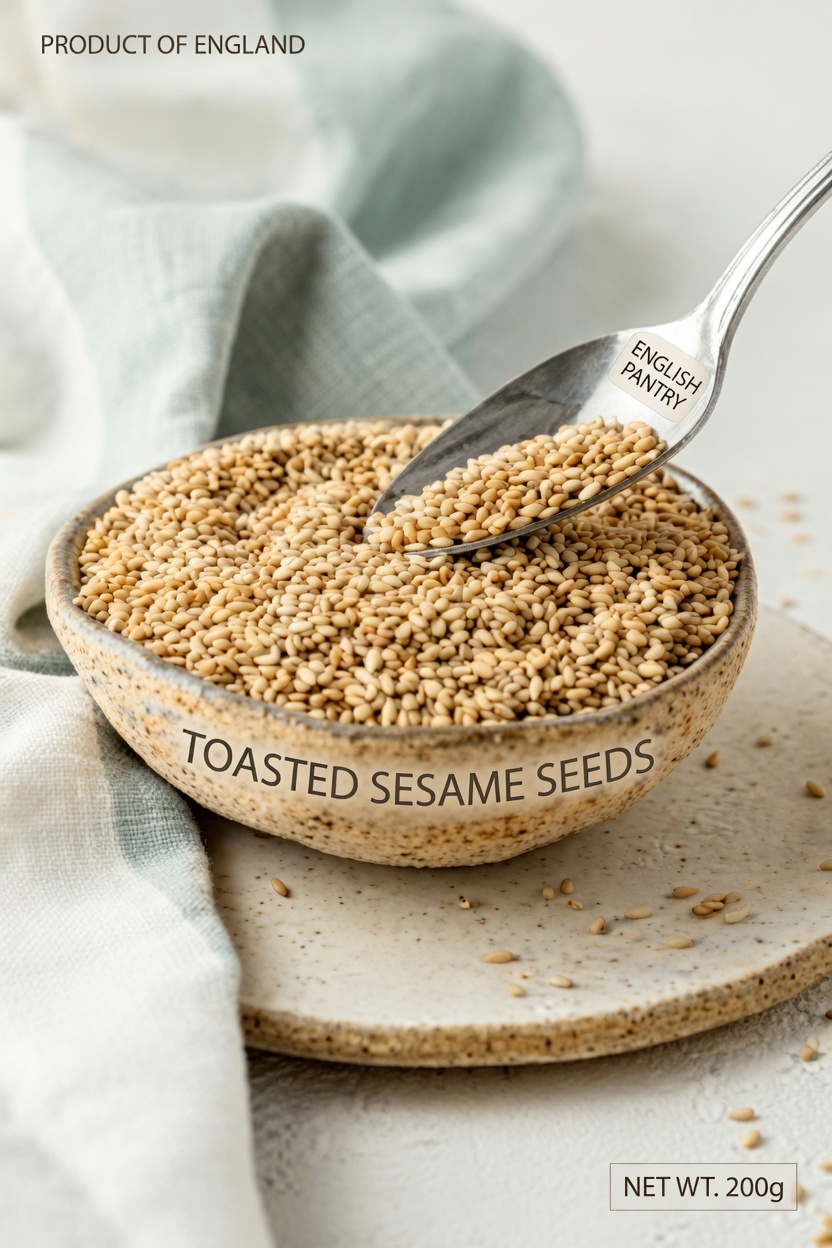
Easy Ways to Use Sesame Seeds Every Day
- Sprinkle over salads, oatmeal, yogurt, or cooked vegetables
- Lightly toast to deepen flavor
- Blend into dips, sauces, or dressings
Over time, this small routine may help support the “structure” behind stronger, more confident movement.
1. Spinach: A Nutrient-Dense Green for Everyday Muscle Nourishment
Ongoing fatigue and slower recovery can quietly reduce confidence after 60. Spinach stands out as a versatile leafy green that delivers multiple nutrients linked with energy and muscle function.
It contains magnesium, potassium, iron, and vitamins K and C. These nutrients support normal muscle activity, oxygen delivery, and overall resilience. Studies also associate higher intake of leafy greens with stronger nutritional status in older adults.
Whether steamed, sautéed, or mixed into soups, spinach is easy to use frequently—making it a foundational choice for those focusing on healthy aging and daily vitality.
Quick Comparison: These Foods and Their Potential Benefits
| Food | Key Nutrients | Primary Potential Benefit | Simple Daily Use |
|---|---|---|---|
| Spinach | Magnesium, potassium, vitamins K/C | Overall muscle nourishment and energy support | Salads, soups, steamed sides |
| Sesame seeds | Calcium, magnesium, zinc | Bone and muscle structure support | Sprinkle onto meals |
| Ginger | Gingerols and other bioactive compounds | Circulation and comfort support | Tea, grated into dishes |
| Dried plums (prunes) | Fiber, potassium, vitamin K | Digestion and nutrient absorption support | Snack or with breakfast |
| Lotus seeds (makhana) | Plant protein, magnesium, phosphorus | Sustained energy and repair support | Roasted snack, soups |
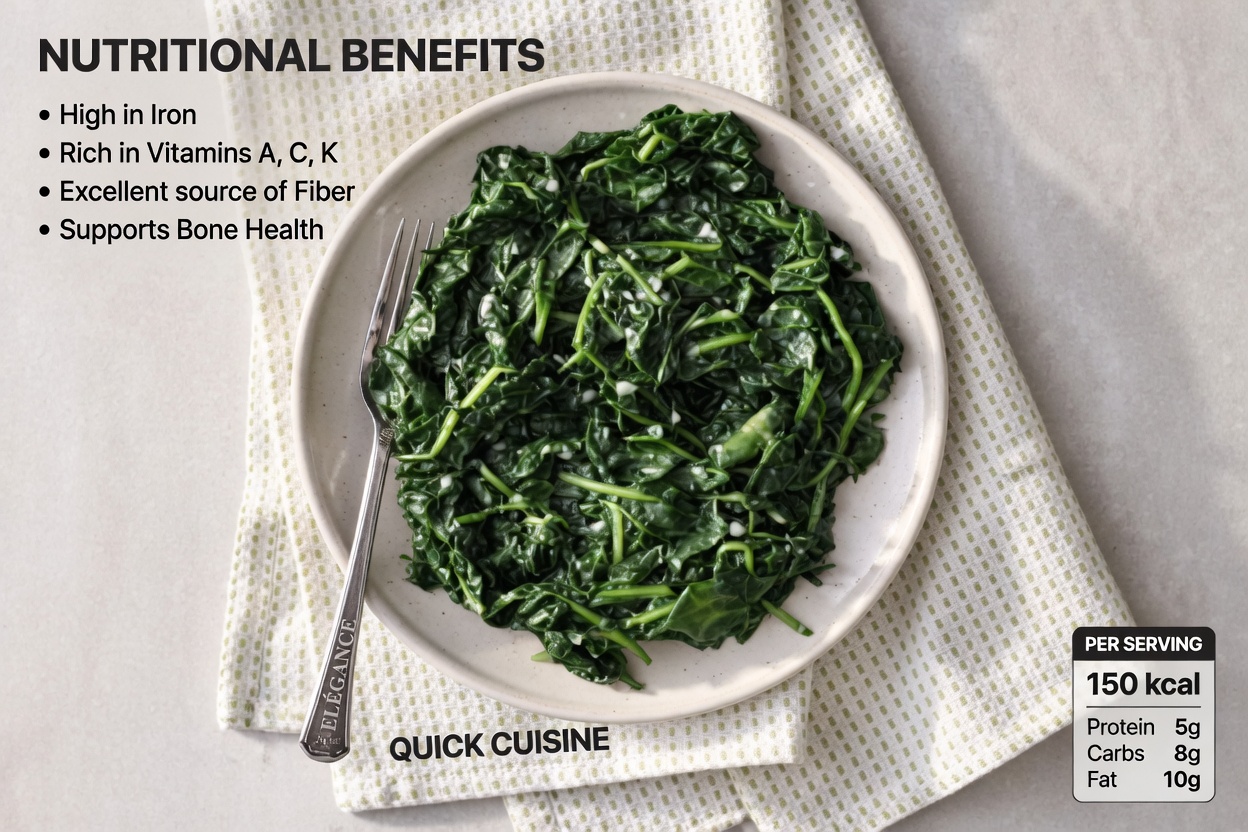
Tips to Add These Foods in a Sustainable Way
Building habits gradually tends to work best:
- Weeks 1–2: Add spinach and ginger daily
- Weeks 3–4: Introduce sesame seeds and prunes
- Ongoing: Include lotus seeds 2–3 times weekly
For better overall results, pair these foods with:
- Light daily walking or strength-friendly movement
- Enough hydration
- Balanced protein across meals
Many people find that this steady approach helps muscle strength feel more protected—and daily life feel more manageable.
Final Thoughts
Adding spinach, sesame seeds, ginger, dried plums, and lotus seeds is a gentle, whole-food strategy to increase protein, minerals, fiber, and antioxidants that may support muscle strength and vitality after 60. With consistent use and supportive lifestyle habits, daily tasks often feel easier—helping many people maintain independence longer.
Start with one or two options and build from there. Small, consistent changes can add up over time.
Frequently Asked Questions
-
How soon might I notice changes in muscle strength or energy?
Results vary, but many people report small improvements in energy, digestion, or comfort within 4–8 weeks, especially when combined with regular movement. -
Are these foods safe for everyone over 60?
They’re generally well tolerated as part of a balanced diet. However, if you have kidney concerns, mineral restrictions, or take medications (such as blood thinners), it’s best to check with a clinician. -
Do these foods replace exercise or adequate protein intake?
No. These foods can support nutrition, but regular activity and an overall balanced diet with sufficient protein remain essential for maintaining muscle health.