
Seeing your creatinine slowly rise on lab results can be unsettling—especially if it comes with fatigue, puffiness, or growing concern about long-term kidney health. When a clinician says your numbers are “trending up,” it’s natural to look for practical steps you can control. For many people living with chronic kidney disease (CKD), a kidney-friendly eating pattern that prioritizes simple, nutrient-dense foods can support comfort and overall well-being alongside medical care.
Many everyday options are naturally lower in potassium and phosphorus while providing antioxidants and gentle nourishment. Emerging research suggests that foods with anti-inflammatory and antioxidant compounds may help reduce oxidative stress—one factor associated with kidney strain. Below are 12 commonly chosen foods that many people with CKD include thoughtfully, with portion size tailored to individual lab targets and clinical guidance.

Why Diet Matters for Kidney Health and Creatinine Trends
Creatinine is a waste product filtered by your kidneys, and elevated levels often reflect reduced filtration. While food is not a replacement for medical treatment, dietary choices can help reduce the daily workload on your kidneys—particularly when you limit minerals that may build up in CKD (such as potassium and phosphorus).
A kidney-supportive diet often emphasizes:
- Lower-potassium, lower-phosphorus foods (as appropriate for your stage)
- Antioxidant-rich plant foods
- Healthy fats instead of highly processed oils
- Consistent portions to avoid mineral “spikes”
When practiced consistently and adjusted to your lab results, many people find this approach improves day-to-day energy, appetite, and overall confidence in managing CKD.
12 Kidney-Friendly Foods Many People with CKD Use for Support
Portion control is essential, and individual needs vary. Always follow your nephrologist or renal dietitian’s recommendations.
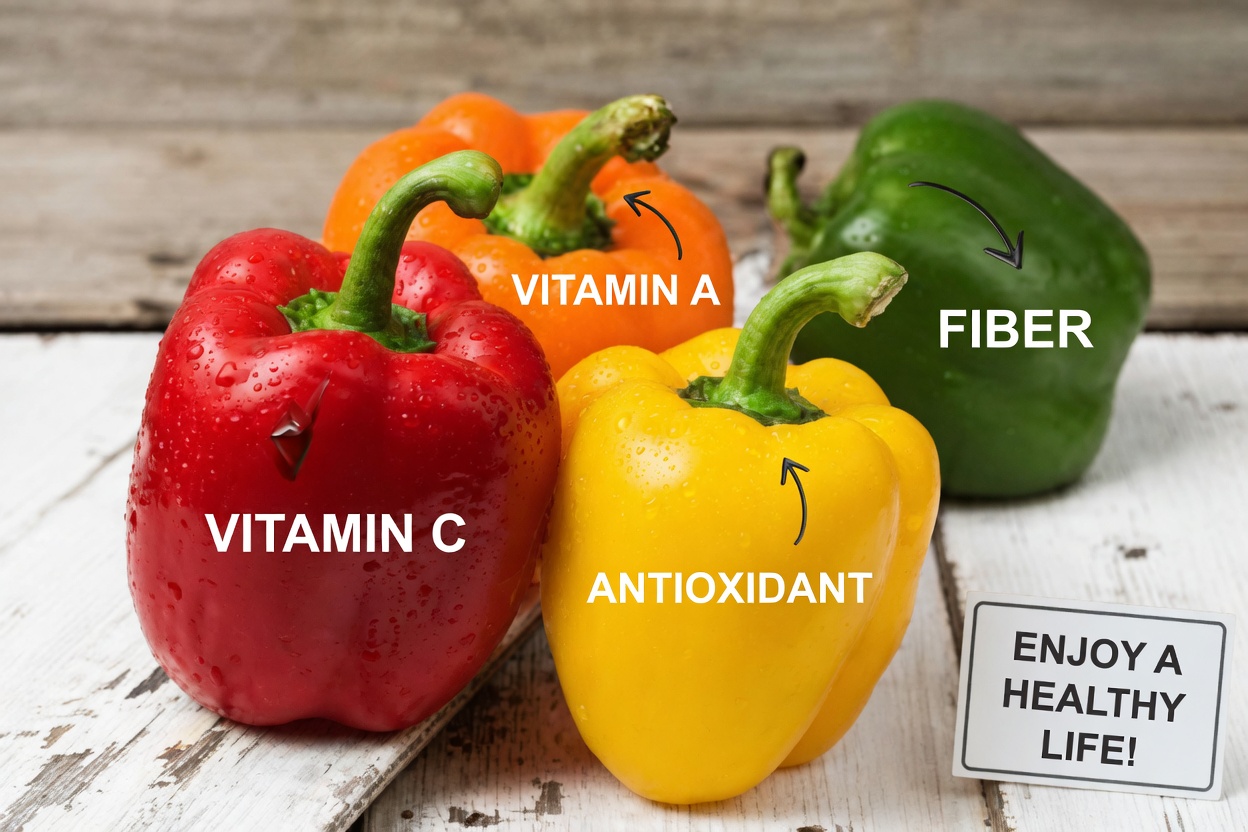
12) Red Bell Peppers
Red bell peppers are relatively low in potassium and provide vitamin C plus protective antioxidants such as lycopene. They’re easy to use raw in salads or roasted as a flavorful side.
11) Blueberries
Blueberries contain anthocyanins, plant pigments associated with anti-inflammatory and antioxidant effects. They’re also typically lower in potassium than many other fruits, making them a popular choice in kidney-friendly meal plans.
10) Cabbage
Cabbage is budget-friendly, widely available, and versatile. It provides fiber and beneficial plant compounds that may support the body’s natural detoxification pathways. Enjoy it raw, lightly steamed, or in small portions of fermented cabbage if it fits your sodium plan.
9) Cauliflower
Cauliflower is a comforting substitute for higher-potassium starches. It works well mashed, riced, or roasted, and its mild flavor makes it easy to pair with many kidney-friendly seasonings.
8) Apples
Apples offer pectin, a type of fiber that may help support gut health and assist with binding certain waste products in the digestive tract. A whole apple (with skin) is often a gentle, practical snack choice.
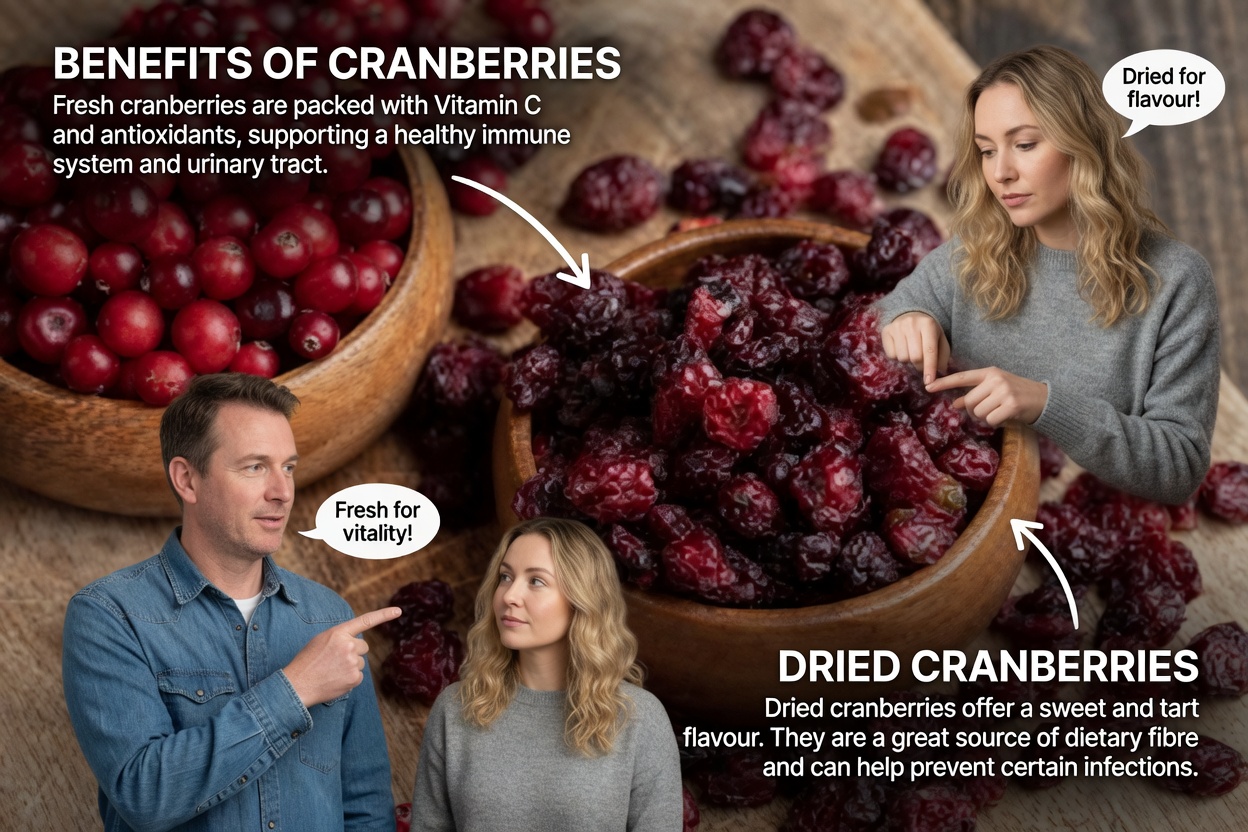
7) Cranberries (Unsweetened)
Cranberries are well known for urinary tract support and provide antioxidants that may help reduce inflammation. Choose unsweetened forms when possible, and be cautious with cranberry juice products that contain added sugar.

6) Egg Whites
Egg whites provide high-quality protein with minimal phosphorus compared with many other protein sources. They’re commonly used to help maintain nutrition without overloading minerals.
5) Onions
Onions add flavor with very little potassium and contain quercetin, a plant compound linked to antioxidant activity and vascular support. They’re an easy way to make kidney-friendly meals taste more satisfying without heavy sauces.
4) Garlic
Garlic contains allicin, which may support circulation and has anti-inflammatory properties. For stronger flavor and potential benefit, many people crush or chop garlic and let it rest briefly before cooking.
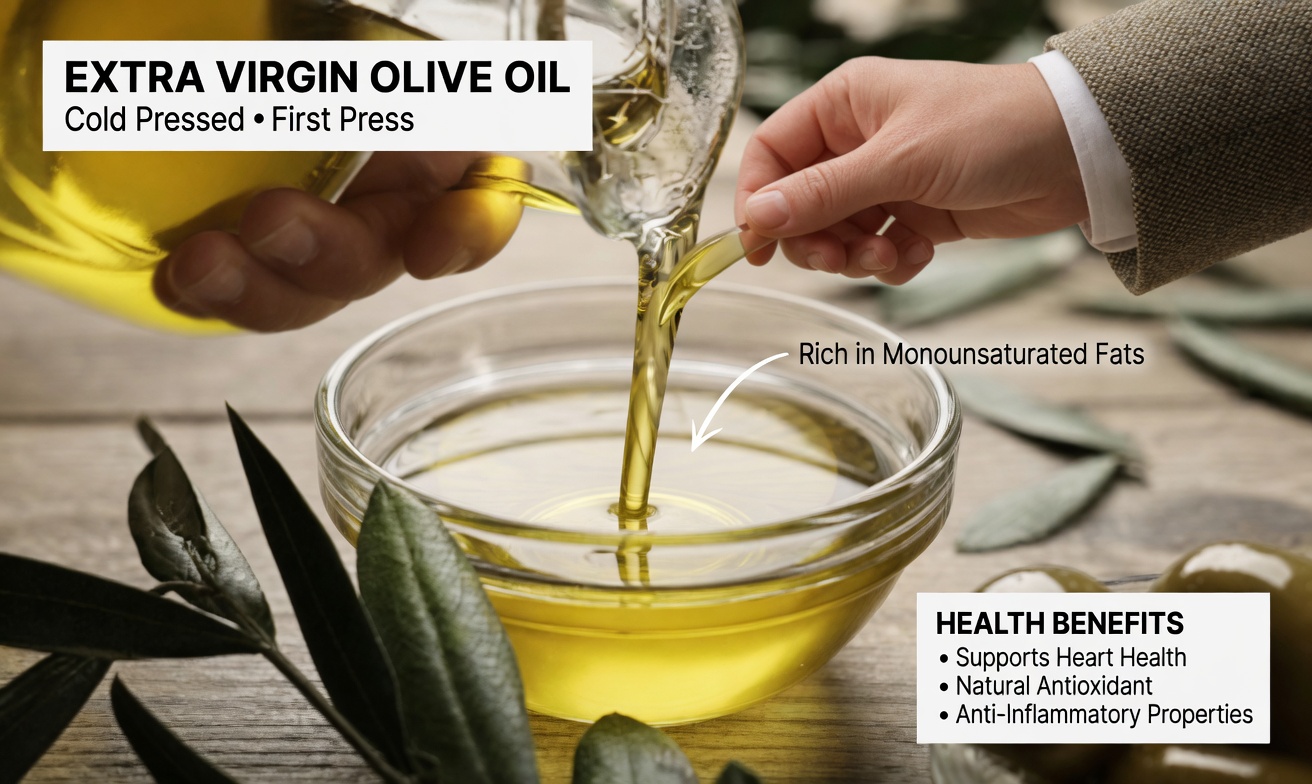
3) Extra-Virgin Olive Oil
Extra-virgin olive oil is a staple in heart-healthy eating patterns and provides anti-inflammatory compounds. Swapping processed fats for olive oil may support cardiovascular health—important in CKD—and fits well into Mediterranean-style approaches often associated with better long-term outcomes.
2) Wild-Caught Salmon (Small, Limited Portions)
Salmon provides omega-3 fatty acids, which may help reduce inflammation and may be supportive for proteinuria in some cases. However, fish can contain phosphorus, so portions typically need to be limited—often one to two small servings per week, only if approved by your care team.
1) Nettle Leaf Tea (Use Caution)
Nettle leaf tea is traditionally used as a gentle diuretic, and some people report improved urine output. Evidence is limited, and herbs can interact with medications or affect fluid balance—so it’s important to discuss nettle tea with your clinician first, especially in CKD.
Quick Comparison: Selected Kidney-Friendly Options
- Red bell peppers: antioxidant support; enjoy raw strips or roasted
- Blueberries: anti-inflammatory plant compounds; typically ½–1 cup
- Cabbage: fiber and plant nutrients; raw or lightly cooked
- Apples: pectin fiber; usually one whole apple as a snack
- Extra-virgin olive oil: anti-inflammatory fat; use in cooking or dressings
- Nettle leaf tea: possible gentle diuretic effect; only with medical approval
These foods tend to be most helpful when portions match your CKD stage, labs, and medication plan.
Simple Ways to Eat These Foods in a Typical Day
Building a kidney-friendly routine doesn’t need to be complicated. Here’s one practical example many people adapt:
- Breakfast: Egg-white scramble with onions, garlic, and red bell pepper cooked in olive oil
- Snack: A small apple or a serving of blueberries
- Lunch: Cabbage-based salad with cauliflower, dressed with olive oil
- Dinner: Approved portion of salmon (if allowed) with steamed cabbage and cauliflower mash
- Evening: Nettle tea (only if cleared) or unsweetened cranberry-infused water (if suitable)
Starting with just 3–4 foods and repeating them consistently is often easier than changing everything at once.
Practical Tips to Use These Foods Safely
- Choose fresh, minimally processed foods whenever possible
- Measure portions to stay within potassium and phosphorus targets
- Follow your clinician’s guidance on fluids and hydration
- Add light activity (such as walking) if medically appropriate
- Keep up with regular lab monitoring
- Don’t change medications, supplements, or fluid limits on your own
Small, sustainable steps tend to be more effective than extreme changes.
Final Thoughts: Gentle Nutrition for Better Kidney Comfort
Rising creatinine can be stressful, but it does not have to define your path forward. When used thoughtfully, these 12 kidney-friendly foods can support comfort, nutrition, and confidence—especially when paired with professional care and consistent monitoring.
A steady, kidney-supportive eating pattern may not transform lab results overnight, but many people notice better day-to-day well-being over time.
Frequently Asked Questions
Can these foods lower creatinine on their own?
Diet can support kidney health and may help with overall management, but meaningful creatinine changes usually require a comprehensive medical plan. Results vary by CKD stage, medications, and underlying causes.
Are these foods appropriate for every stage of CKD?
Some may fit many stages, but the right portions and frequency depend on your lab values and restrictions. Always confirm with your nephrologist or renal dietitian.
How quickly might benefits appear?
Some people feel improvements in energy or digestion within a few weeks, while lab trends often take months and require consistent follow-up testing.