Baking Soda for Seniors: 13 Practical Uses for Everyday Comfort
As we get older, everyday discomforts can show up at the worst times. A favorite meal may be followed by occasional heartburn and that familiar burning feeling in the chest. Indigestion can linger with bloating and a heavy, unsettled stomach that ruins a relaxing evening. Even mild skin itchiness or small irritations may make it harder to sleep, leaving you tired and frustrated the next day.
These issues are common for many seniors—and while they’re usually not emergencies, they can take away from simple pleasures. One surprisingly helpful pantry staple, baking soda (sodium bicarbonate), may offer gentle, temporary support for certain minor concerns when used carefully.
Many older adults have found safe, sensible ways to include baking soda in their routines for occasional relief. One of the most popular uses may even surprise you—read on to discover all 13.
Why Baking Soda May Provide Gentle Support for Older Adults
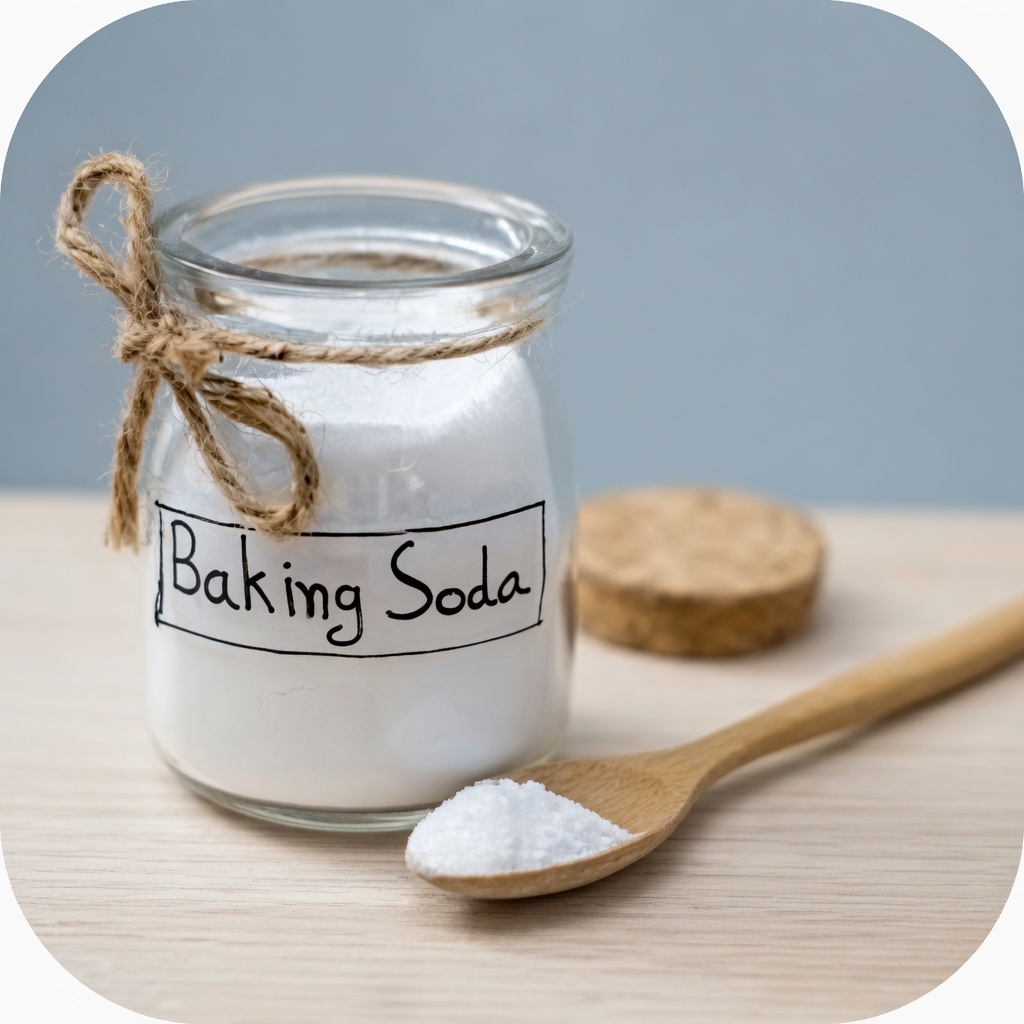
Baking soda, also known as sodium bicarbonate, is a mild alkaline compound used in households for generations. For seniors dealing with occasional acid-related discomfort, its key benefit is simple: it can neutralize excess stomach acid. In small amounts, it often works quickly and can help restore comfort without harsh ingredients.
What makes it appealing is its versatility. When properly diluted for internal use—or carefully applied externally—baking soda may help calm minor issues that some over-the-counter products don’t address in the same way.
That said, it’s not a substitute for medical care. Think of it as a traditional, short-term option that some people find useful—not a long-term treatment plan.
Another advantage: it’s affordable and easy to find almost anywhere.
Safe Ways Seniors Can Prepare and Use Baking Soda at Home
If you’re trying baking soda for the first time, start small. Seniors often appreciate how simple it is, but correct preparation matters to avoid unwanted effects.
Here are common at-home methods many people use:
-
Digestive support (occasional heartburn/indigestion)
- Mix 1/2 teaspoon into 4 ounces of water
- Sip slowly after the fizzing settles
- Potential benefit: acid neutralization
- Use: as needed, sparingly
-
Oral rinse (bad breath or mouth discomfort)
- Dissolve 1/2 teaspoon in water and rinse gently
- Potential benefit: pH balance and soothing feel
- Use: 2–3 times daily (short-term)
-
Skin spot use (itchy areas or minor bites)
- Mix with a small amount of water to form a paste
- Potential benefit: calming irritation
- Use: spot-apply only
-
Bath soak (muscle comfort / general skin comfort)
- Add about 1/2 cup to a warm bath
- Potential benefit: relaxing soak
- Use: weekly (or occasionally)
-
Deodorizing (shoes, feet, or body odor)
- Sprinkle lightly or dissolve in water for washing
- Potential benefit: odor absorption
- Use: daily if needed
Important: Always dissolve baking soda fully for internal use, and patch-test on skin first.
13 Practical Baking Soda Uses Many Seniors Appreciate
Small, simple adjustments can make a noticeable difference when minor discomfort appears. Below are 13 traditional ways people often use baking soda—some supported by limited research, many based on long-standing household practice.
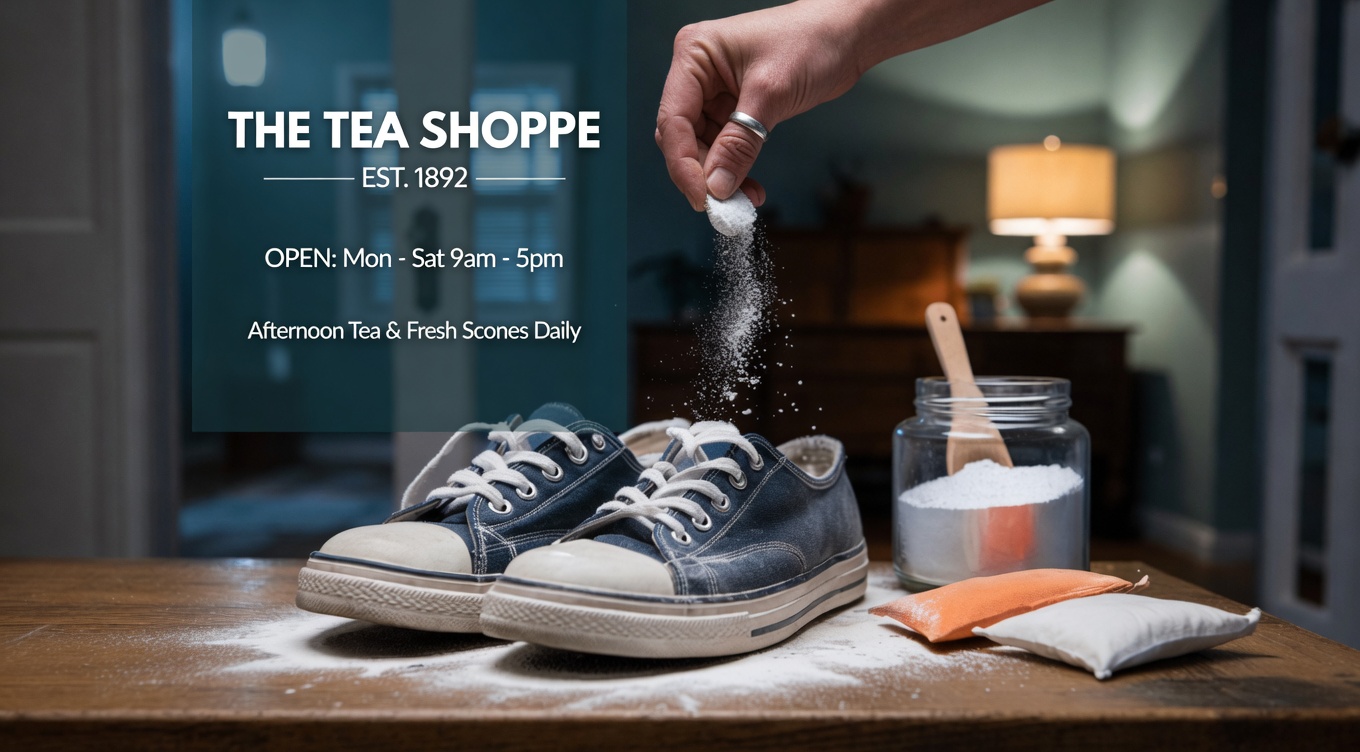
13) Occasional Foot Odor Control
Sprinkling a small amount inside shoes can help absorb moisture and reduce unpleasant smells—helpful for busy days or warm weather.
12) Gentle Exfoliation for Rough Skin
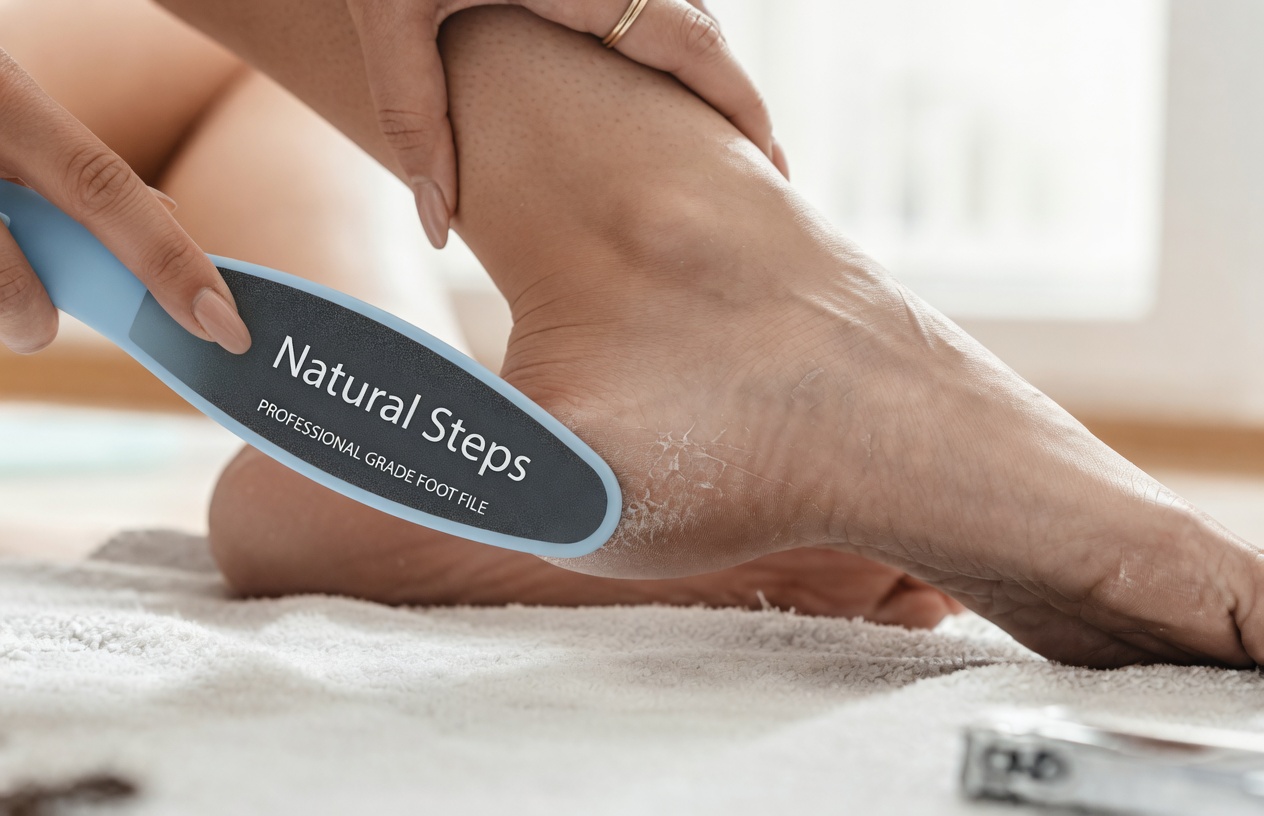
A soft paste (baking soda + water) applied to tough areas like heels may help smooth dry, cracked skin that can make walking uncomfortable.
11) Soothing Minor Bug Bites
A small spot application may help reduce the itchy, irritated feeling after minor bites.
10) Easing Canker Sore Discomfort
A gentle baking soda rinse may offer temporary comfort and support a healthier oral environment by helping balance mouth pH.
9) Freshening Breath Naturally
A quick rinse can leave the mouth feeling cleaner without relying on strong flavors or intense mint products.
8) Occasional Itchy Scalp Support
Some people mix a small amount into shampoo to help with flakes or scalp discomfort, though results vary.
The next uses tend to be favorites for many seniors looking for simple, at-home comfort.
7) Supporting Minor Burn Comfort
For minor kitchen mishaps, a cool paste may offer short-term soothing. (Avoid using on serious burns or broken skin.)
6) Relaxing Muscle Soak
Adding baking soda to bathwater can create a soothing soak that feels especially nice after a long day or light activity.
5) Natural Underarm Freshness
A light dusting can work as a gentle deodorizer by helping neutralize odor.
4) Gum Tenderness Relief
A mild rinse may help calm minor gum irritation when used carefully and not overdone.
3) Occasional Urinary Tract Comfort
Some research explores alkalizing approaches for mild support, but this is not a replacement for medical evaluation—especially for recurring symptoms.
2) Post-Meal Indigestion Ease
A properly diluted drink may help settle the stomach when indigestion appears occasionally.
1) Heartburn Relief When Needed
The best-known use: baking soda’s rapid acid-neutralizing effect can bring short-term comfort after spicy or heavy meals.
Real Experiences from Seniors Who Use Baking Soda
Many seniors report good results when baking soda is used in small amounts and only occasionally.
-
Robert, 68, often dealt with reflux that interfered with his evenings. After using a diluted baking soda mixture from time to time, he noticed fewer disruptions and more relaxed meals.
-
Gloria, 75, struggled with dry, itchy skin that affected her sleep. She found that careful, short paste applications helped her skin feel calmer at night.
Everyone responds differently, and what feels helpful for one person may not work for another.
Essential Safety Guidelines for Seniors Using Baking Soda
Safety matters—especially for older adults. Baking soda is not ideal for frequent or long-term internal use, and it isn’t appropriate for everyone.
Follow these safety principles:
- Do not exceed 1/2 teaspoon per dose for internal use.
- Never swallow baking soda dry—always mix it with water.
- Wait for fizzing to settle, then drink slowly.
- Stop if you experience stomach upset, nausea, or discomfort.
- Be cautious if you have high blood pressure, heart issues, kidney disease, or are on a low-sodium diet (baking soda contains sodium).
- For skin use, apply sparingly and rinse well.
- For mouth rinses, rinse thoroughly afterward and avoid overuse.
- Store in a cool, dry place.
- If symptoms persist or return often, consult a healthcare professional.
Actionable Steps to Try Baking Soda Safely Today
If you want to explore baking soda as a temporary home remedy, keep it simple:
- Choose pure baking soda (no added ingredients).
- For occasional digestive discomfort:
- Dissolve 1/2 teaspoon in 4 ounces of water
- Sip slowly after fizzing settles
- For minor skin irritation:
- Mix with water into a thick paste
- Apply lightly, then rinse after 10–15 minutes
- Pay attention to how you feel and stop immediately if anything worsens.
- Support results with lifestyle basics like smaller meals, avoiding trigger foods, and staying hydrated.
Final Thoughts: A Gentle, Budget-Friendly Option for Seniors
For many older adults, baking soda remains a trusted and low-cost choice for temporary relief of minor everyday discomforts—especially occasional heartburn, indigestion, and small skin irritations. Used wisely and safely, it may offer a simple way to feel more comfortable day to day.
And that quick breath-freshening rinse? For many, it’s a quiet confidence boost without relying on strong chemical flavors.
Frequently Asked Questions
Is baking soda safe for daily internal use for seniors?
No. It’s best reserved for occasional use. Regular intake can affect sodium balance and may not be appropriate for certain medical conditions. Check with your doctor.
Can baking soda help with chronic acid reflux?
It may provide short-term relief, but chronic reflux should be evaluated by a healthcare professional. Do not rely on home remedies alone.
What should I do if baking soda causes side effects?
Stop using it and consult a healthcare provider—especially if you notice bloating, nausea, stomach pain, or any unusual symptoms.
Disclaimer: This article is for informational purposes only and does not replace professional medical advice. Always consult your healthcare provider for personalized guidance.