
Nighttime Leg Cramps: Why They Wake You Up and How to Stop Them Fast
You finally fall into a deep, well-earned sleep—then a sudden, gripping pain clamps down on your calf or foot. Nighttime leg cramps can snap you awake in seconds, leaving you tense, uncomfortable, and wide-eyed as you try to settle back down. Beyond the immediate pain, they often ruin the rest of the night and make the next morning feel heavier.
The encouraging part is that these cramps are often linked to common, fixable triggers. Once you understand what may be setting them off, you can take practical steps to reduce how often they happen—and use a quick, effective approach when a cramp hits.

What Triggers Nighttime Leg Cramps So Suddenly?
Nighttime leg cramps tend to appear when your body is most relaxed, which makes the experience feel even more abrupt. The cramp itself is an involuntary muscle contraction—often in the calf—that can be intense enough to make standing up feel like the only option.
They’re also widespread, especially with aging. While the exact cause isn’t always easy to pinpoint, many clinicians and researchers focus on two main contributors:
- Muscle fatigue from daily activity
- Changes in how nerves signal muscles, increasing the chance of a sudden spasm during rest

Dehydration: A Common Reason Nighttime Leg Cramps Happen
Even mild dehydration can disrupt the body’s fluid balance and make muscles more irritable. If you’re waking up with a calf cramp in the middle of the night, it may be connected to not drinking enough fluids earlier in the day.
Hydration supports normal muscle function, and some studies suggest that adequate fluid intake can help reduce the frequency of nighttime leg cramps for certain people.

Mineral Imbalances: Magnesium, Potassium, and Calcium Matter
When key minerals drop too low—especially magnesium, potassium, or calcium—muscles may have a harder time relaxing and contracting smoothly. If your diet regularly falls short, you may be more vulnerable to sudden tightening at night.
A food-first approach is often a gentle starting point. Consider adding more mineral-rich options such as:
- Spinach and other dark leafy greens
- Almonds and pumpkin seeds
- Bananas and avocados
- Dark chocolate (in moderation)
Some research on magnesium supplements shows mixed outcomes, so building consistent nutrition habits may be a practical first step before considering supplements.

Too Much (or Too Little) Activity Can Lead to Nighttime Leg Cramps
Nighttime cramps aren’t only a “workout problem.” Both extremes can contribute:
- Overexertion (hard training, long walks, extra stairs) can leave muscles fatigued and prone to spasms once you lie down.
- Prolonged sitting or standing can cause stiffness and reduced circulation, which may increase cramp risk during sleep.
A more balanced routine—movement plus recovery—often helps muscles stay calmer at night.
Special Situations: Pregnancy and Medications
Certain circumstances make nighttime leg cramps more likely:
- Pregnancy, especially later stages, can increase cramps due to weight changes, circulation shifts, and hormonal effects.
- Medications such as diuretics or statins may contribute by influencing fluid levels or mineral balance.
In some cases, factors like circulation problems or nerve compression may also play a role. While most nighttime leg cramps are not dangerous, repeated or severe symptoms should be evaluated.

Immediate Relief: What to Do When a Nighttime Leg Cramp Strikes
A cramp can feel endless in the moment, but the right response can shorten it. The goal is to gently signal the muscle to release.
Try these fast, practical steps:
- Stand up and stretch: pull your toes toward your shin to stretch the calf
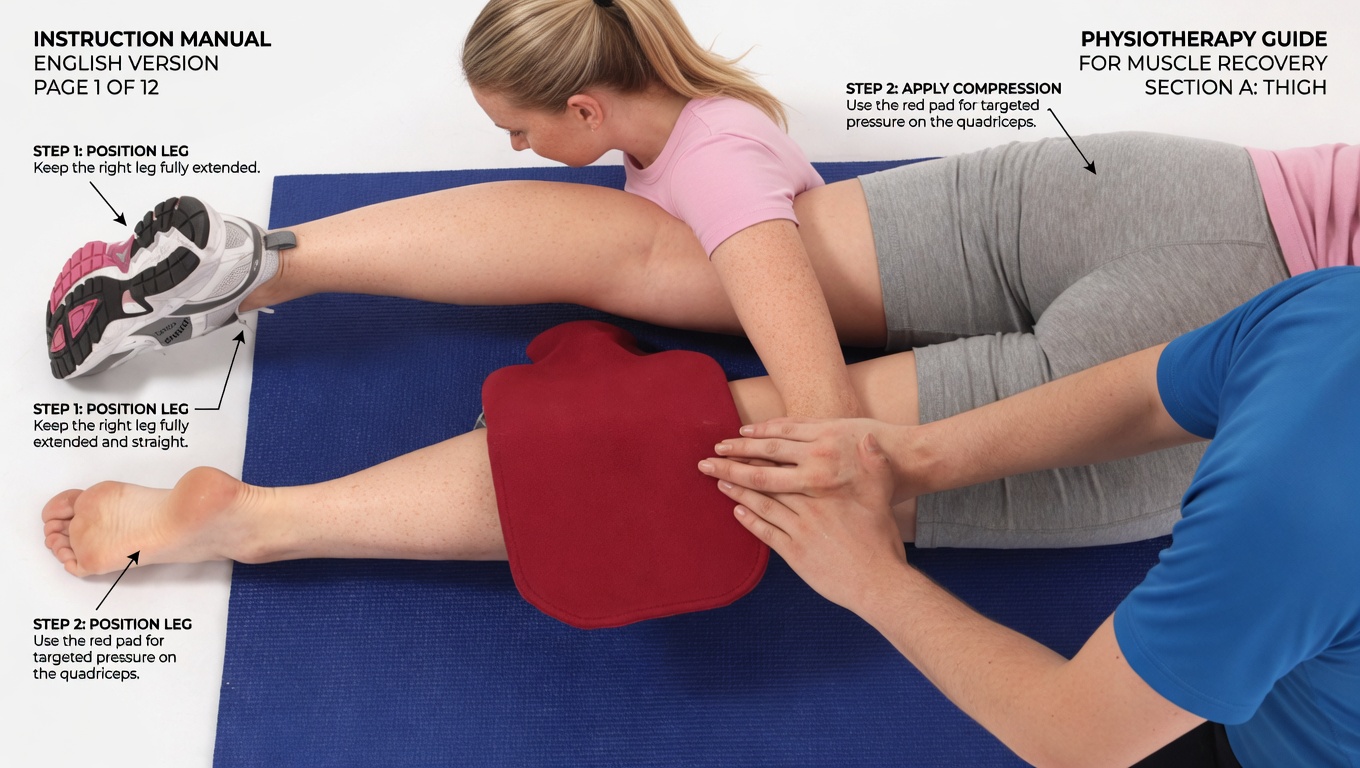
- Massage the tightened muscle with firm, steady pressure
- Walk briefly, even a few steps (heel-walking may help for foot cramps)
- Apply heat using a warm compress or heating pad
Some people also report fast relief from a small sip of pickle juice. Small studies suggest it may activate a reflex that helps calm the cramping muscle.
How to Help Prevent Nighttime Leg Cramps
Reducing nighttime leg cramps usually comes down to consistent daily habits that support muscle and nerve function. These changes are simple, but they can be meaningful over time.
Strategies that may help include:
- Drink water regularly throughout the day
- Eat mineral-rich foods (especially magnesium- and potassium-containing options)
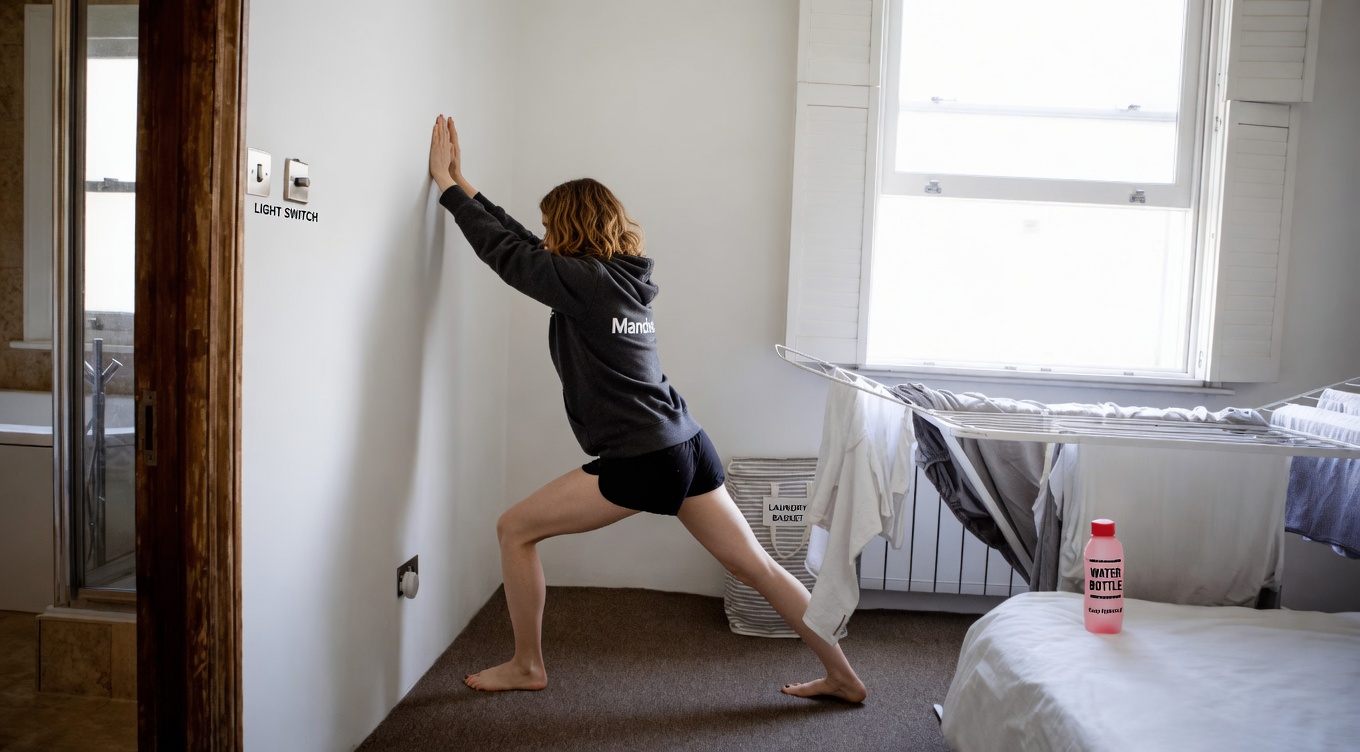
- Stretch calves and hamstrings gently before bed
- Keep blankets looser at the foot of the bed to avoid forcing the feet downward
- Limit heavy evening alcohol, which can promote dehydration
Regular light movement—such as short walks—can also support circulation and muscle balance.
Final Thoughts on Managing Nighttime Leg Cramps
Nighttime leg cramps can feel exhausting and disruptive, but they’re often linked to manageable triggers like dehydration, mineral shortfalls, and activity patterns. Small adjustments—better hydration, targeted stretching, and smarter recovery—can help many people sleep more comfortably.
If cramps are frequent, unusually painful, associated with swelling, or followed by ongoing weakness, consult a healthcare professional to check for underlying causes.
Frequently Asked Questions About Nighttime Leg Cramps
Are nighttime leg cramps a sign of something serious?
Most nighttime leg cramps are common and harmless. However, recurring or severe cramps should be discussed with a clinician to rule out other conditions.
How long do nighttime leg cramps usually last?
Many cramps resolve within minutes, though tenderness may remain afterward. Stretching typically helps shorten the episode.
Can certain foods really help prevent nighttime leg cramps?
Foods rich in magnesium, potassium, and calcium—such as leafy greens, nuts, and bananas—support muscle function and may reduce cramp frequency for some individuals.
Medical disclaimer: This content is for informational purposes only and does not replace professional medical advice. For personal guidance, consult a qualified healthcare provider.