Waking Up With Dry Mouth: Why It Happens and How to Fix It
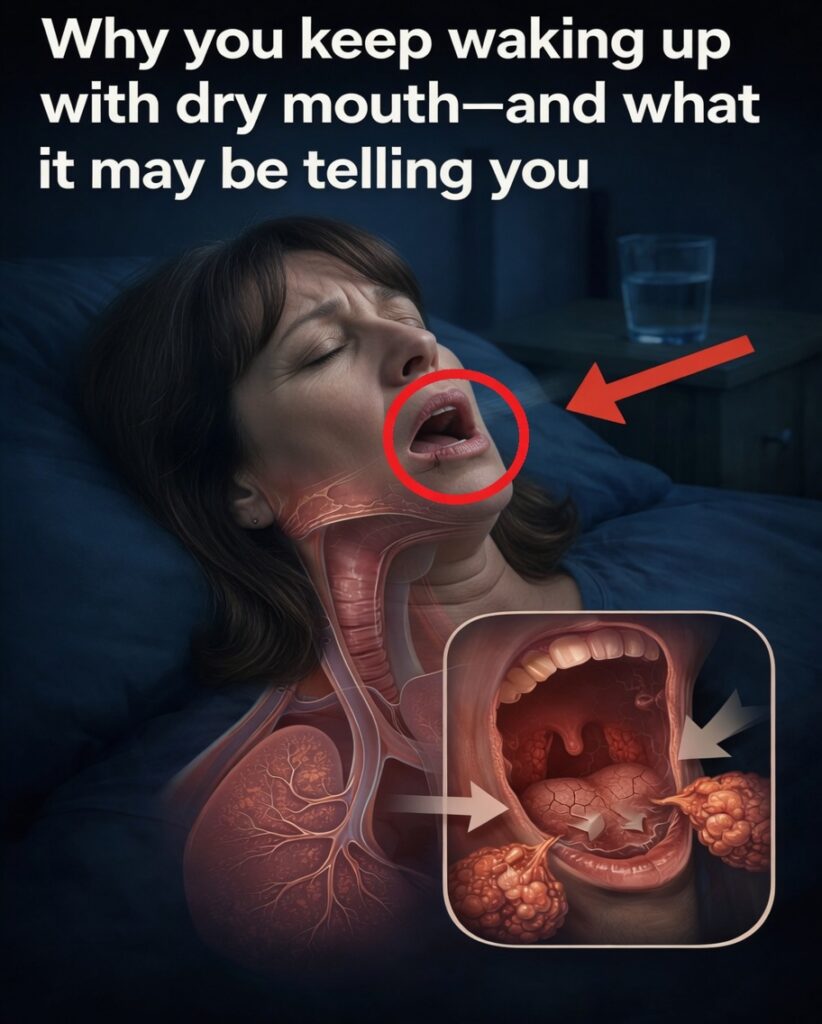
Waking up with dry mouth can be genuinely miserable. That sticky, parched feeling on your tongue and throat can make swallowing uncomfortable, affect your voice, and leave you feeling drained before your day even begins. When it happens repeatedly, it may disrupt your sleep and raise concerns about bad breath, tooth decay, or an underlying health issue.
The good news is that morning dry mouth often has clear, manageable causes. Once you understand the most common triggers, it becomes much easier to take practical steps and wake up feeling refreshed again.
1) Age-Related Changes in Saliva Production
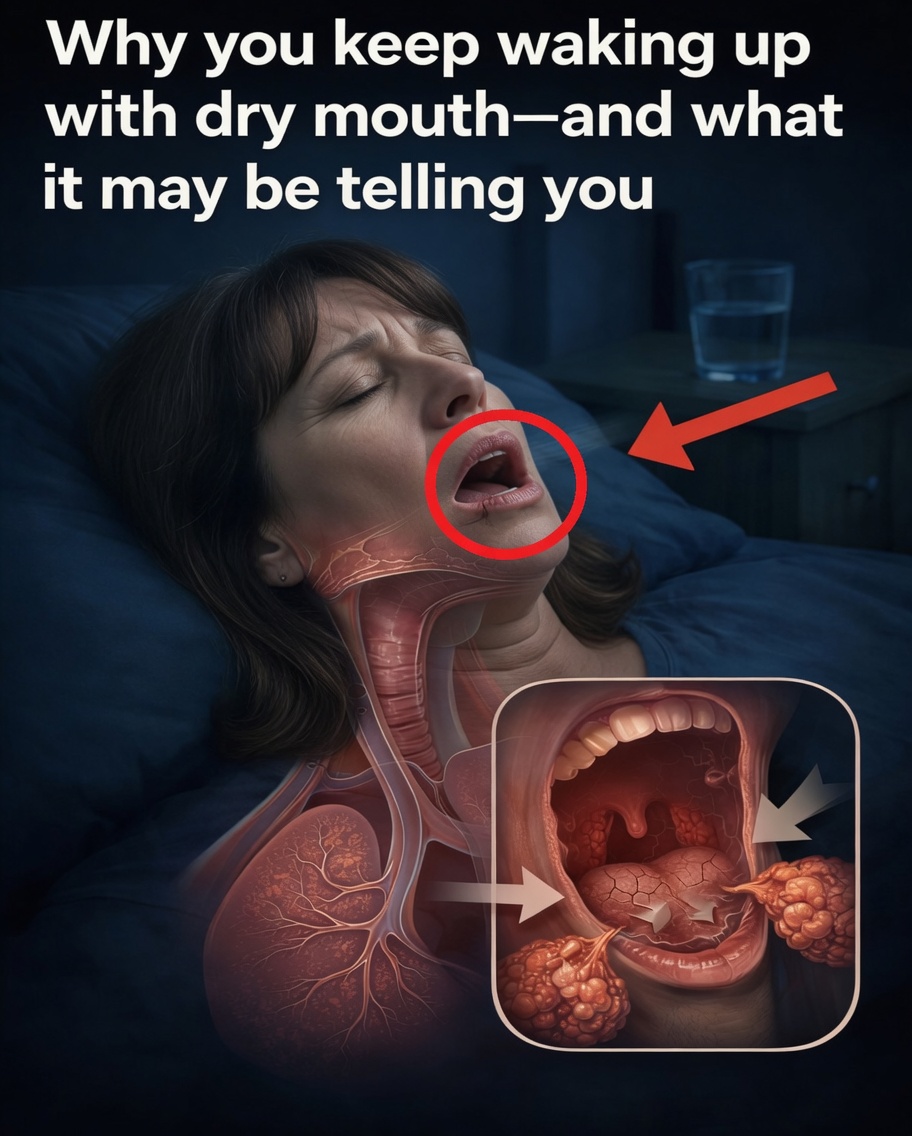
Morning dry mouth becomes more common as people get older. Saliva naturally decreases during sleep, but studies suggest that after about age 60, saliva flow can drop more sharply—sometimes by as much as 40%. Less saliva overnight often means a drier mouth in the morning, along with a higher chance of tooth sensitivity or unpleasant breath.
Still, severe dryness is rarely caused by aging alone. It often appears alongside other factors (medications, mouth breathing, dehydration), making symptoms feel worse over time.

2) Mouth Breathing, Snoring, and Sleep Apnea
If you regularly wake up with a dry mouth, your nighttime breathing pattern may be a key reason. Breathing through your mouth exposes oral tissues to constant airflow, which evaporates moisture quickly. Snoring and sleep apnea can intensify the problem because they often force the mouth open during sleep.
Beyond dryness, this can also contribute to sore throat and poorer sleep quality. Many people don’t realize they mouth-breathe until they notice symptoms like dry mouth in the morning. Improving nasal airflow or exploring sleep support options can help significantly.
3) Medication Side Effects
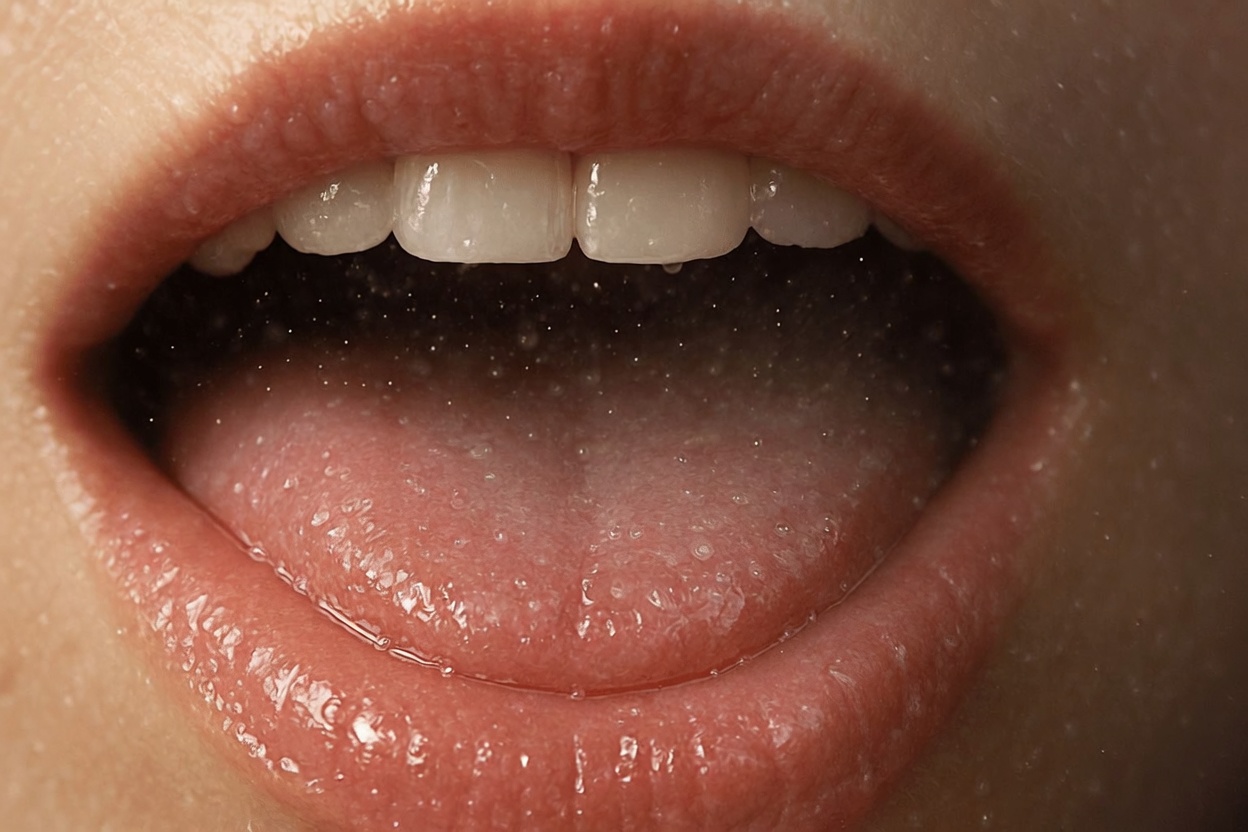
Dry mouth (xerostomia) is a well-known side effect of many prescription and over-the-counter medications. Common categories that may reduce saliva include:
- Allergy medications (antihistamines)
- Blood pressure drugs
- Antidepressants and anxiety medications
- Pain relievers and certain muscle relaxants
Taking multiple medications can make the dryness more pronounced. Since saliva helps protect teeth and gums, ongoing medication-related dry mouth can increase the risk of cavities and oral irritation. If symptoms began after starting a new medication, discuss possible alternatives or adjustments with your healthcare provider.
4) Dehydration and Nighttime Habits
Everyday routines can strongly influence saliva levels. Not drinking enough water during the day often shows up at night as a dry mouth upon waking. Evening habits can also worsen dehydration, especially:
- Caffeine later in the day
- Alcohol at night
Both can reduce saliva production and make overnight dryness feel more intense. This is one of the most fixable causes—many people improve quickly by hydrating consistently and changing evening drink choices.

5) Autoimmune Conditions (Including Sjögren’s Syndrome)
In some cases, persistent dry mouth points to an autoimmune condition that affects the glands responsible for moisture. Sjögren’s syndrome is a common example and often causes:
- Ongoing dry mouth (especially at night)
- Dry, gritty, or irritated eyes
- Fatigue that doesn’t improve with rest
Because early management can improve comfort and protect oral health, it’s worth speaking with a clinician if dry mouth is persistent and paired with eye symptoms or unexplained tiredness.
6) Diabetes and Other Chronic Conditions
Waking up with dry mouth can also be linked to chronic health issues, including diabetes. High blood sugar may contribute to dehydration and reduce saliva, even if you don’t feel unusually thirsty during the day. Over time, changes in nerves and blood vessels can also affect moisture balance in the mouth.
If you suspect a health-related cause, regular checkups and stable hydration habits can help reduce nighttime dryness and support better sleep.

7) Smoking or Vaping
Smoking and vaping commonly contribute to dry mouth because heat and chemicals can irritate oral tissues and affect salivary gland function. Reduced saliva not only makes mornings uncomfortable but can also increase the risk of bad breath and dental problems.
Cutting back or quitting often improves oral moisture and overall mouth comfort—sometimes noticeably within a short period.
8) Previous Cancer Treatment or Salivary Gland Problems
Radiation therapy to the head or neck can damage salivary glands and may cause long-term or permanent dry mouth. For people with this history, waking up with dry mouth is often a persistent issue that requires ongoing strategies for relief.
A dentist or specialist can recommend targeted approaches (moisture aids, protective dental care) to reduce discomfort and help prevent complications like tooth decay.

Practical Tips to Reduce Nighttime Dry Mouth
Many people can lessen dry mouth at night with consistent, simple habits. Consider trying:
- Hydrate steadily throughout the day, and keep water by your bed.
- Chew sugar-free gum or use sugar-free lozenges before bedtime to stimulate saliva.
- Run a humidifier at night to increase moisture in the bedroom air.
- Avoid alcohol and caffeine in the evening, and limit tobacco use.
- Support nose breathing by treating congestion (for example, saline sprays or nasal rinses).
- Protect your teeth with regular dental visits and fluoride toothpaste.
Small changes often lead to noticeable improvement in morning comfort and sleep quality.
When to See a Dentist or Doctor
Dry mouth is often manageable, but ongoing or severe symptoms should be evaluated—especially if dry mouth persists despite lifestyle changes. Seek professional advice if it:
- Continues for several weeks even after adjusting habits
- Causes trouble swallowing or speaking
- Occurs with dry eyes, swelling, or unexplained fatigue
- Leads to frequent cavities, gum problems, or recurring oral discomfort
Early evaluation can identify the cause and help you find safe, personalized relief.
Final Thoughts
Waking up with dry mouth does not have to become your “normal.” Common triggers—like dehydration, mouth breathing, medications, or health conditions—often have practical solutions. Pay attention to patterns, make small adjustments, and involve a professional when symptoms persist. With the right approach, you can improve comfort, protect your oral health, and wake up feeling more rested.
Frequently Asked Questions
-
Is it normal to wake up with dry mouth?
Occasional morning dryness can happen to anyone, but frequent dry mouth usually points to habits or health factors that can be addressed. -
Can dry mouth at night harm my teeth?
Yes. Low saliva reduces your mouth’s natural protection, increasing the risk of cavities and gum issues—making fluoride and consistent oral care especially important. -
How fast do lifestyle changes work for dry mouth?
Many people notice improvement within a few days after increasing hydration and adjusting nighttime routines (such as reducing alcohol or caffeine).