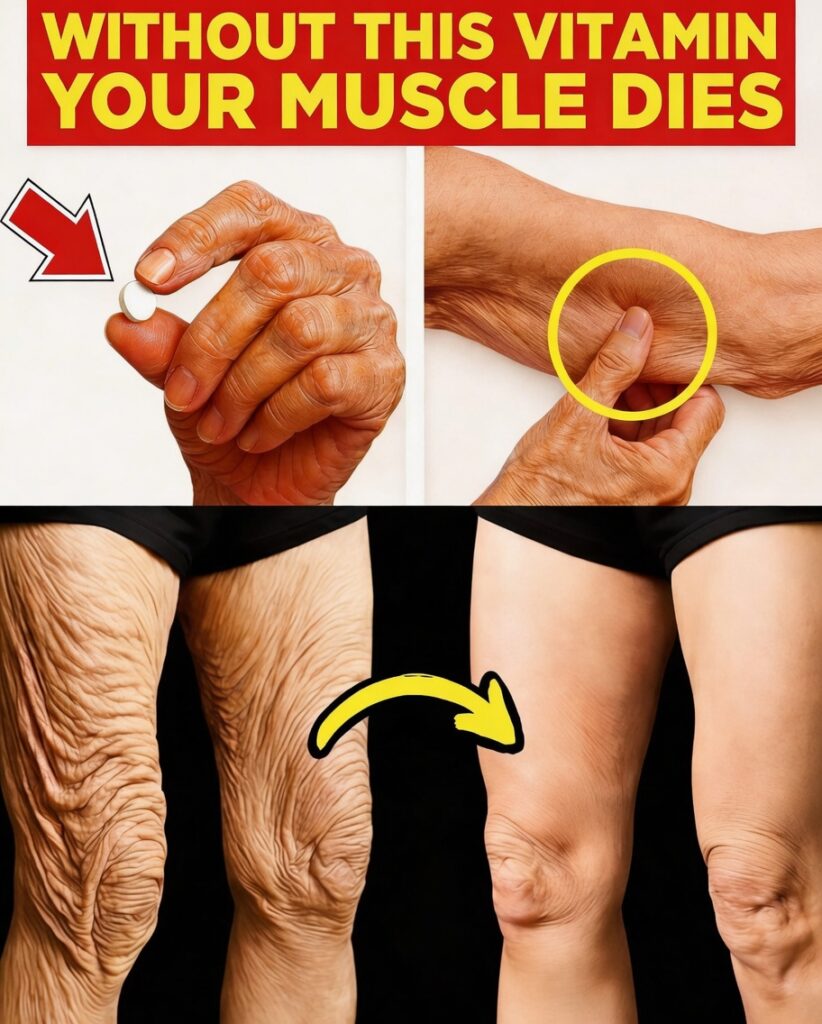
Many adults over 60 notice a gradual drop in muscle strength, and everyday tasks—climbing stairs, lifting groceries, or standing up from a low chair—can start to feel harder than they used to. It’s common to worry about balance, falling, or losing independence. While some change is part of normal aging, research from institutions such as Tufts University and Harvard shows that specific daily habits can meaningfully support muscle function, stability, and long-term vitality.
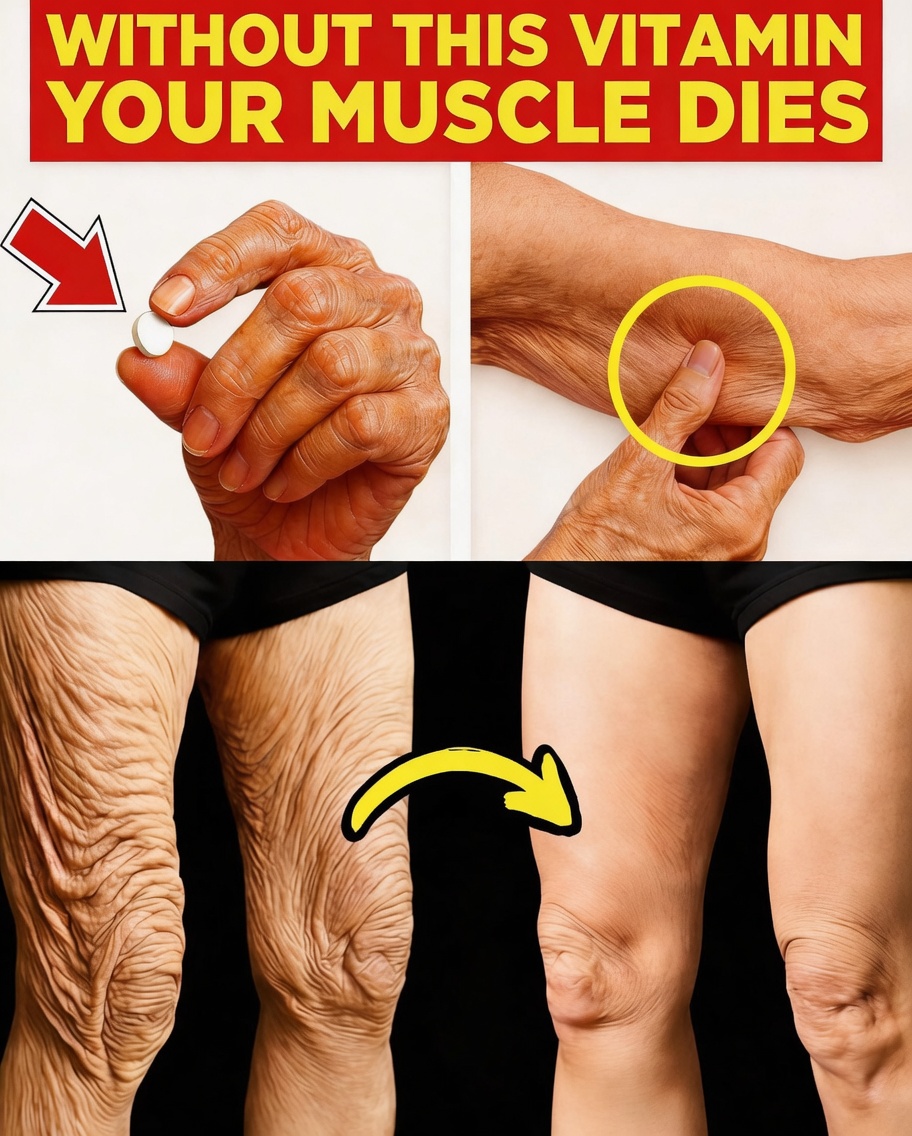
The encouraging part: these strategies are practical, evidence-informed, and often work best when combined. Below is what research suggests about staying strong as you age.
Why Muscle Strength Often Shifts After 60
As we get older, muscle mass and performance can change for several reasons:
- The body may become less efficient at using dietary protein
- Hormone levels typically decline
- Low-grade, ongoing inflammation can increase
- Communication between nerves and muscles may weaken over time
Studies consistently show that many adults lose strength gradually, which can affect energy, coordination, and balance.
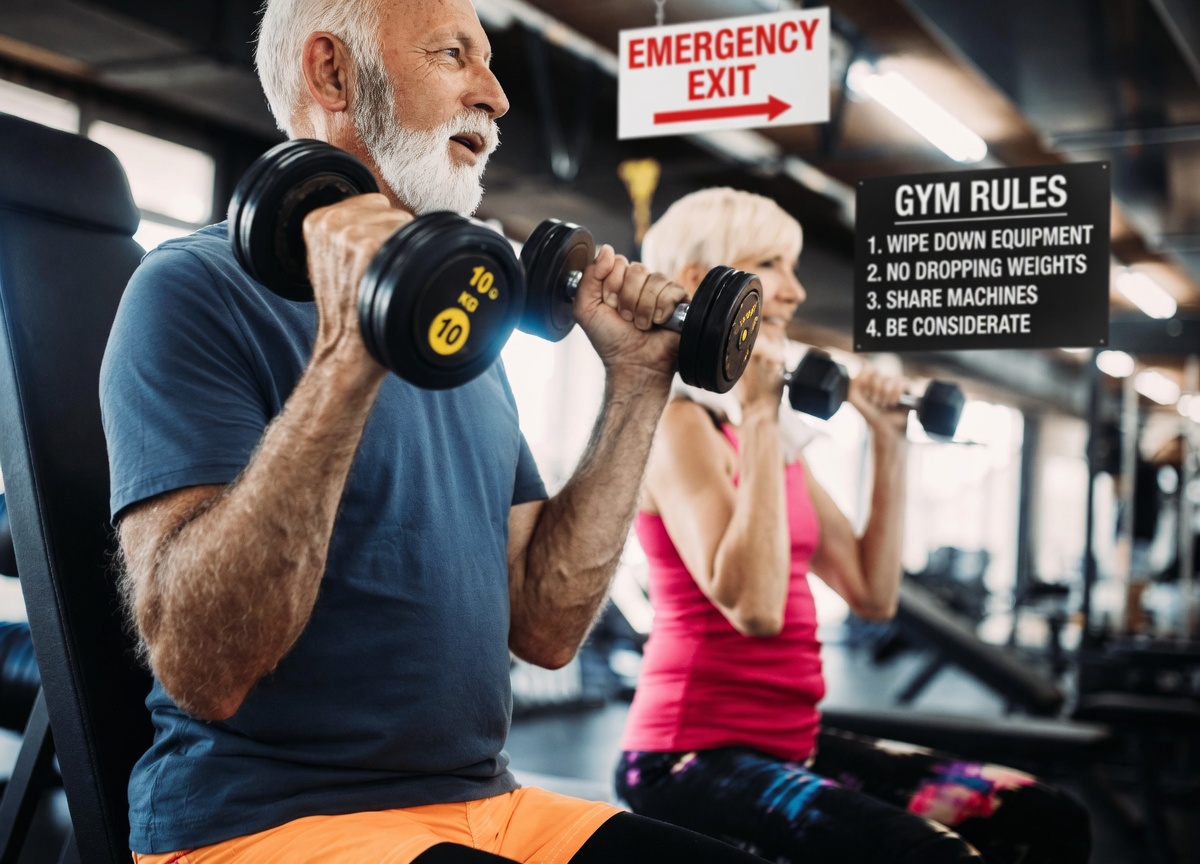
Decline, however, isn’t “locked in.” Lifestyle choices can directly influence these mechanisms—helping many people remain active and confident for longer.
Habit 1: Maintain Healthy Vitamin D Levels
Vitamin D is essential for muscle activation and function. Levels often fall with age due to reduced sun exposure and changes in how skin produces vitamin D. Research (including findings published in journals such as JAMA) links adequate vitamin D status with better leg strength and a lower risk of falls.
Practical options include:
- Sensible sun exposure (when appropriate)
- Vitamin D–rich foods (for example, fatty fish)
- Supplements when needed (commonly 2,000–4,000 IU per day, often paired with vitamin K2—based on professional guidance)
A blood test through your clinician can help determine the right dosage and approach.

Habit 2: Do Resistance Training (With Progressive Challenge)
Strength training—using dumbbells, resistance bands, machines, or bodyweight—is one of the most proven ways to protect and rebuild muscle as you age. Programs studied at Tufts and McMaster University show that older adults can gain measurable strength with just 2–3 sessions per week, especially when training includes major movement patterns such as:
- Squats or sit-to-stands
- Rows or pulls
- Pressing movements
- Hip hinges (modified deadlift patterns)
Start at an easy level and increase gradually. Over time, many people notice daily activities feel smoother and less tiring.

Habit 3: Stay Consistently Hydrated
Even mild dehydration can reduce physical performance and make muscles feel weaker or more easily fatigued. Because thirst signals may become less noticeable with age, relying on “feeling thirsty” can be unreliable.
Helpful habits:
- Drink fluids regularly across the day (not all at once)
- Consider electrolytes if you sweat more, exercise, or spend time in heat (ask a professional if you have medical conditions)
Research in older populations links better hydration to improved endurance and recovery.

Habit 4: Add Mind–Body Activities for Balance and Coordination
Muscle health is not only about size—it’s also about control. Activities that strengthen balance and coordination can improve the nerve–muscle connection and help reduce fall risk.
Well-studied options include:
- Tai Chi
- Yoga
- Dance or rhythm-based movement classes
Regular practice is associated with better stability and coordination, even though these activities are typically low impact.
Habit 5: Distribute Protein Evenly Across Meals
With age, the body may need a stronger “signal” from protein to stimulate muscle repair and maintenance. Research (including work associated with the University of Texas) suggests that spreading protein intake across the day can be more effective than eating most of it in one large evening meal.
A commonly used target is 25–30 grams of high-quality protein per meal, from sources such as:
- Lean meats or fish
- Eggs
- Dairy (Greek yogurt, cottage cheese)
- Beans, lentils, tofu, or other plant proteins
This steadier distribution supports more consistent muscle maintenance.
Habit 6: Choose Foods That Support a Healthy Inflammation Response
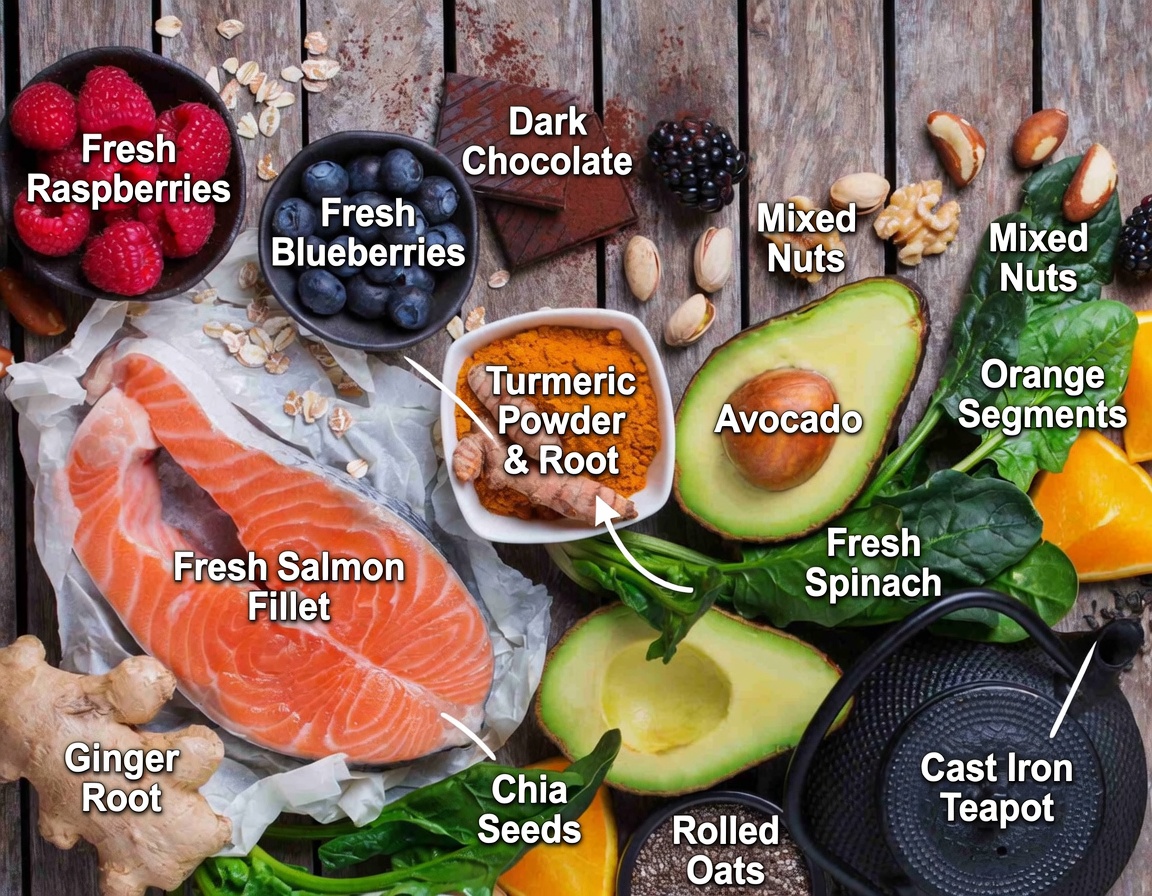
Chronic, low-level inflammation can interfere with muscle health and recovery. Nutrition research links dietary patterns rich in whole foods to healthier inflammation markers.
Focus on:
- Colorful fruits and vegetables
- Omega-3 sources (fatty fish, flax, chia, walnuts)
- Spices and herbs often studied for inflammation support (such as turmeric)
This habit supports both muscle function and overall wellbeing.

Habit 7: Protect Sleep Quality
Deep sleep is a major driver of repair and recovery. Over time, poor sleep is associated with reduced muscle preservation and lower physical resilience.
Sleep-supporting basics include:
- Keeping a consistent sleep and wake time
- Making the room cool, dark, and quiet
- Limiting screens and bright light close to bedtime
Studies connect better sleep quality with healthier aging outcomes, including muscle maintenance.
Habit 8: Use Mild “Beneficial Stressors” Carefully
Emerging research on hormesis suggests that brief, manageable stressors may activate cellular repair pathways. Examples sometimes discussed include:
- Short cool exposure (such as a cool shower)
- Moderate time-restricted eating (if appropriate)
These methods should be approached gradually, done safely, and avoided when contraindicated—especially if you have health conditions or a history of dizziness, low blood pressure, or eating disorders.
Habit 9: Stay Social to Support Motivation and Function
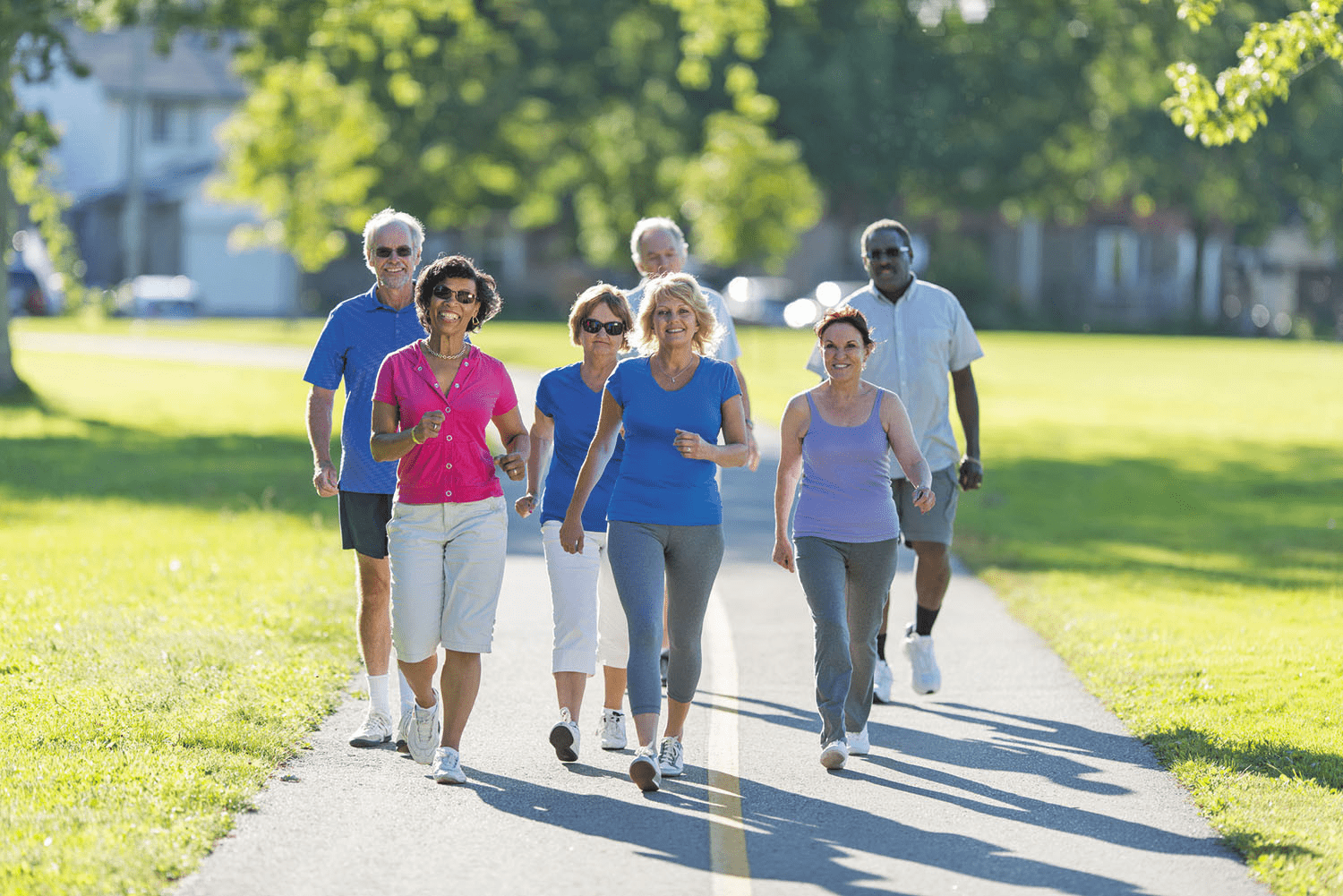
Social connection influences behavior, mood, and consistency—factors that strongly affect long-term fitness. Long-term studies associate social engagement with healthier aging markers, including physical function.
Simple ways to combine movement and connection:
- Walking with a friend
- Joining a class (Tai Chi, strength training, dance)
- Participating in community groups that include light activity
Habit 10: Monitor Key Micronutrients
Beyond the basics, certain nutrients can meaningfully support muscle and energy systems, including:
- Magnesium
- B vitamins
- Creatine (in some cases, with professional guidance)
Rather than guessing, targeted blood work can identify what you personally need—often more useful than relying on a generic multivitamin alone.
Habits at a Glance: Quick Overview
- Vitamin D: Supports muscle activation and balance
- Resistance training: Builds strength at any age (even after 70)
- Hydration: Improves performance and recovery
- Coordination practices: Enhances stability and nerve–muscle control
- Protein per meal: Supports muscle maintenance more effectively
- Anti-inflammatory eating: Supports healthier recovery signals
- Quality sleep: Strengthens natural repair processes
- Mild stressors: May encourage cellular adaptation (emerging evidence)
- Social connection: Boosts motivation and healthy aging outcomes
- Micronutrient check: Identifies gaps that may limit progress
A Gentle 4-Week Starter Plan
-
Week 1 (Foundation)
- Check vitamin D status
- Aim for balanced protein at each meal
- Hydrate consistently
-
Week 2 (Movement)
- Add 2 resistance-training sessions
- Add a coordination practice (Tai Chi, yoga, dance)
-
Week 3 (Recovery)
- Strengthen your sleep routine
- Increase anti-inflammatory foods (plants + omega-3s)
-
Week 4 (Integration)
- Add a regular social activity (walks or group classes)
- Track how daily tasks feel and adjust
Pay attention to practical signals: stairs, carrying items, standing up, balance confidence, and overall energy.
Tips for Better Results
- Start small and progress gradually
- Adjust based on how your body responds
- Combine habits for a stronger overall effect
- Personalize with a healthcare professional, especially for supplements and new exercise plans
Frequently Asked Questions
-
How quickly can strength improve?
Many people notice small changes in energy or ease of movement within a few weeks. More visible improvements often appear over 1–3 months with consistent training and nutrition. -
Is resistance training safe for beginners over 60?
Yes—when it starts at an appropriate level and focuses on good form. A trainer, physical therapist, or senior-focused program can make the process safer and more effective. -
Do I need supplements to follow these habits?
Not always. A food-first approach is effective for many people. Supplements are most useful when diet and lifestyle don’t meet needs—ideally guided by testing and professional advice.