As we age, a few physical changes are expected—but losing strength because your muscles are slowly shrinking can feel unfair. Sarcopenia, the progressive decline in muscle mass and power, affects nearly half of adults over 80 and up to 13% of people in their 60s and 70s. It often creeps in quietly, turning everyday activities—carrying groceries, getting up from a chair, climbing stairs—into exhausting challenges.

If you’ve noticed that tasks you once did effortlessly now take more effort, you’re not alone. The good news: supporting muscle maintenance can be more achievable than you think, and your daily food choices play a major role. Below, you’ll find practical, research-aligned nutrition strategies and seven muscle-supporting foods that can help you push back against age-related decline.
The Hidden Crisis: Why Muscle Loss Feels Worse After 60 (And Why It’s Not “Just Aging”)
Crossing 60 often comes with lower energy, stiffer joints, and reduced endurance. But sarcopenia is more than normal aging. It involves:
- Shrinking muscle fibers
- Slower protein synthesis
- Higher levels of inflammation
This combination increases the risk of falls, fractures, fatigue, and reduced independence. If you’re feeling weaker or more easily tired than before, it’s worth paying attention now—because early action can make a real difference.
Many people try to “exercise their way out” of muscle loss. Exercise helps—but without the right nutrition, progress can stall. In other words, it’s not only about training harder; it’s about fueling smarter.
The Nutrition Foundation: Foods That Help Build and Preserve Muscle
To support muscle repair and preservation, your diet should emphasize:
- High-quality protein (for muscle rebuilding)
- Key minerals and vitamins (for contraction, recovery, and bone support)
- Anti-inflammatory nutrients (to reduce muscle breakdown)

Here are seven accessible foods that deliver those building blocks—ranked from #7 to #1.
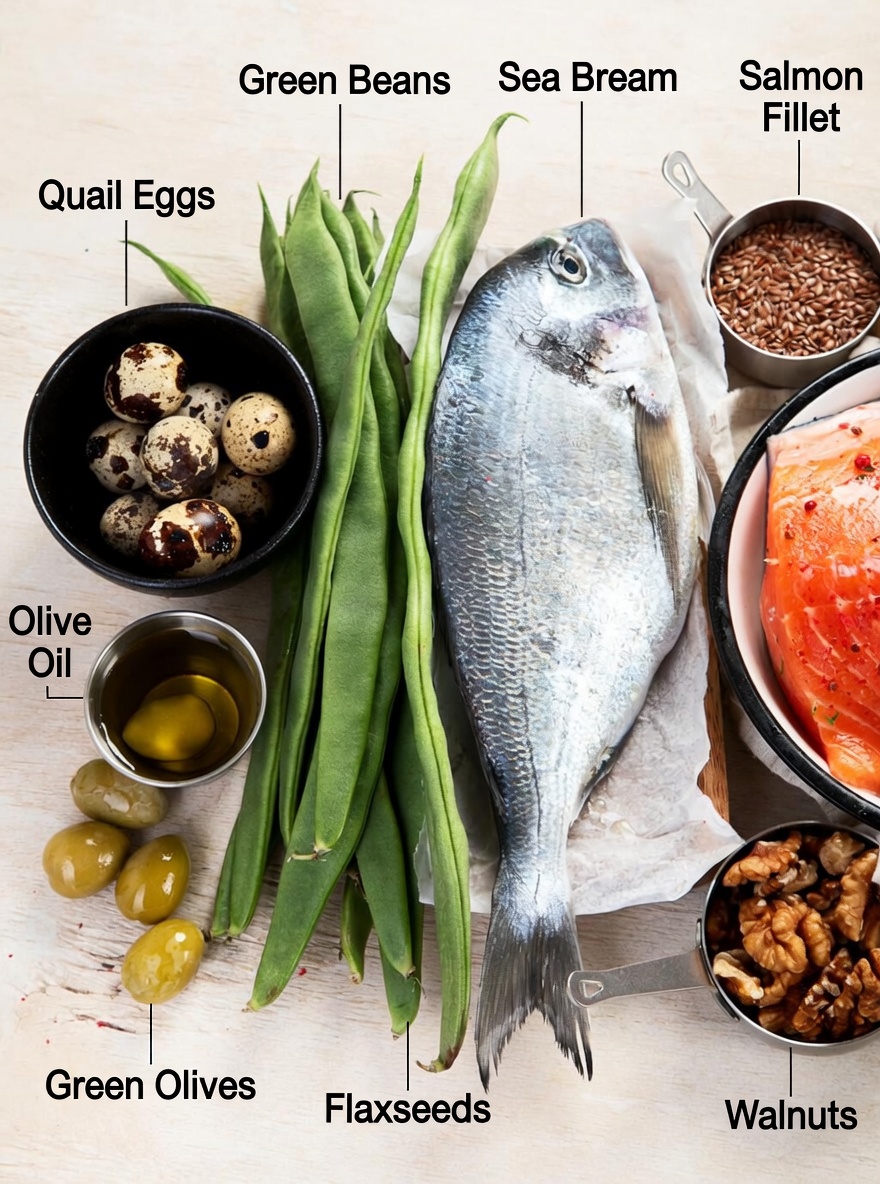
7. Quinoa: A Complete Plant Protein Many People Underuse
Quinoa may be popular, but its real value is nutritional: it provides all nine essential amino acids, making it a complete protein—a standout among plant foods. This makes it especially useful if you’re reducing red meat or eating more plant-forward meals.
One cup of cooked quinoa offers about:
- 8 grams of protein
- Fiber
- Magnesium and iron (important for performance and muscle function)
- A low glycemic index, helping keep blood sugar steadier
Evidence suggests plant proteins can help support strength in older adults—especially when included consistently. If quinoa isn’t in your rotation, it’s an easy upgrade for bowls, salads, and side dishes.
6. Greek Yogurt: High Protein Plus Gut Support
Greek yogurt is a convenient muscle-friendly food because it combines high protein with gut-supporting benefits. A typical serving can provide around:
- 20 grams of protein
- Probiotics (supporting digestion and nutrient absorption)
- Calcium, critical for bone strength
A healthier gut can improve how well you absorb nutrients—an often-overlooked factor when trying to maintain muscle and overall vitality.
Choose plain, unsweetened Greek yogurt when possible, and add fruit for flavor. It works well as a snack, breakfast base, or post-activity option.
5. Salmon: Omega-3s for Inflammation and Recovery
Salmon stands out for its omega-3 fatty acids (EPA and DHA), which are strongly linked to inflammation control. Since inflammation can accelerate muscle breakdown, omega-3s can be especially supportive for adults over 60.
Salmon also provides:
- High-quality protein
- Vitamin D, important for muscle performance and function
Including salmon twice per week is a practical goal that may help with stiffness, recovery, balance, and overall strength maintenance.
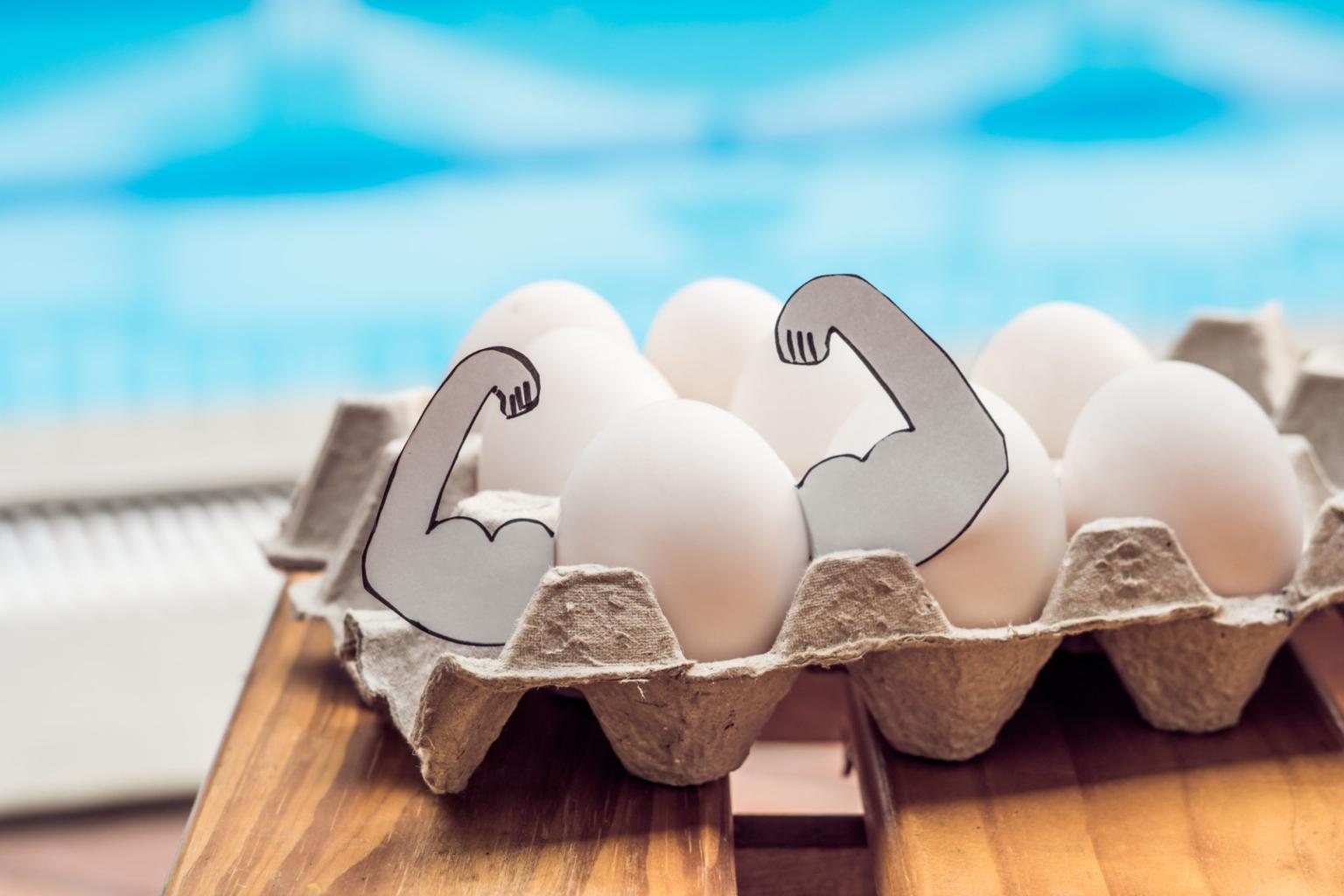
4. Eggs: Complete Protein With Brain-and-Muscle Support
Eggs deliver complete protein, meaning they include the full range of essential amino acids needed for muscle repair. They also contain nutrients that support the brain-muscle connection.
The yolk includes choline, which supports production of acetylcholine—a neurotransmitter involved in proper muscle contraction and control. Eggs also supply antioxidants such as lutein and zeaxanthin, which help combat oxidative stress and inflammation.
If you’ve been avoiding yolks, consider reintroducing them unless your clinician has advised otherwise.
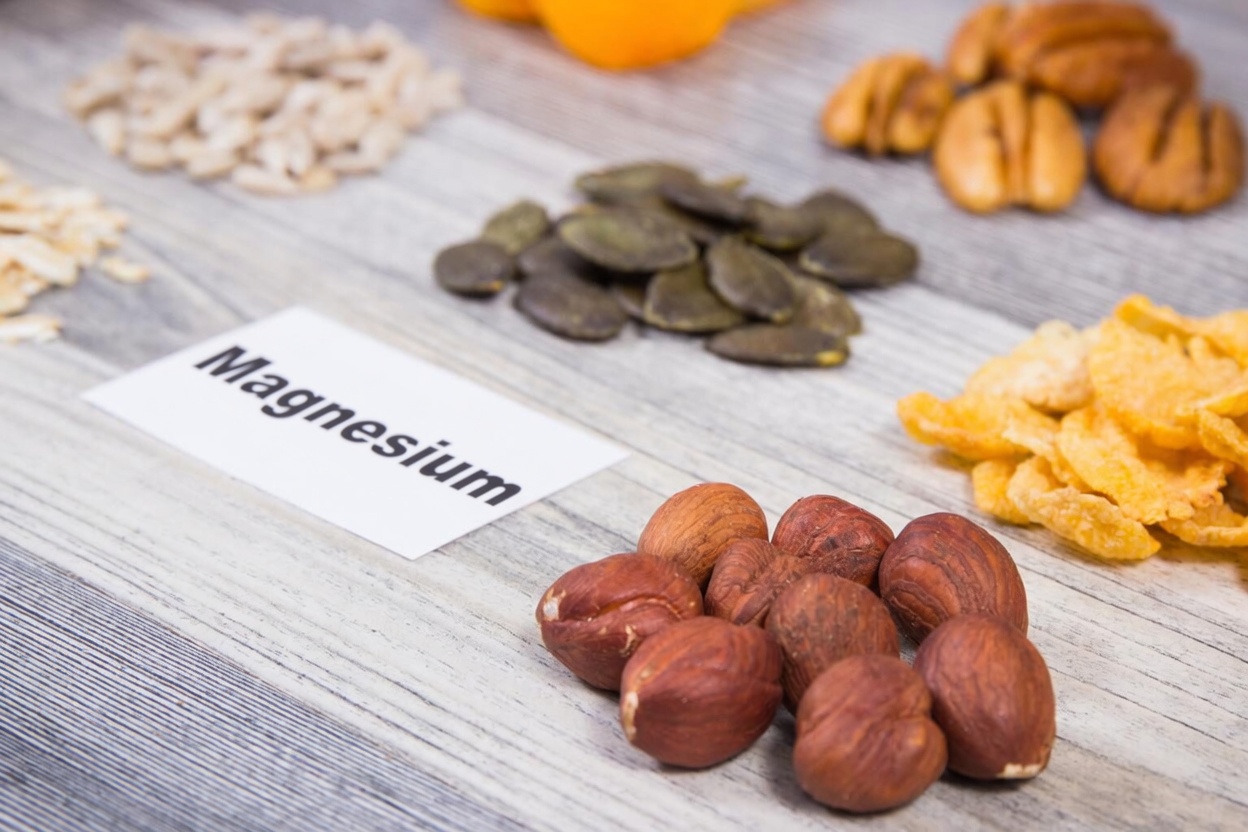
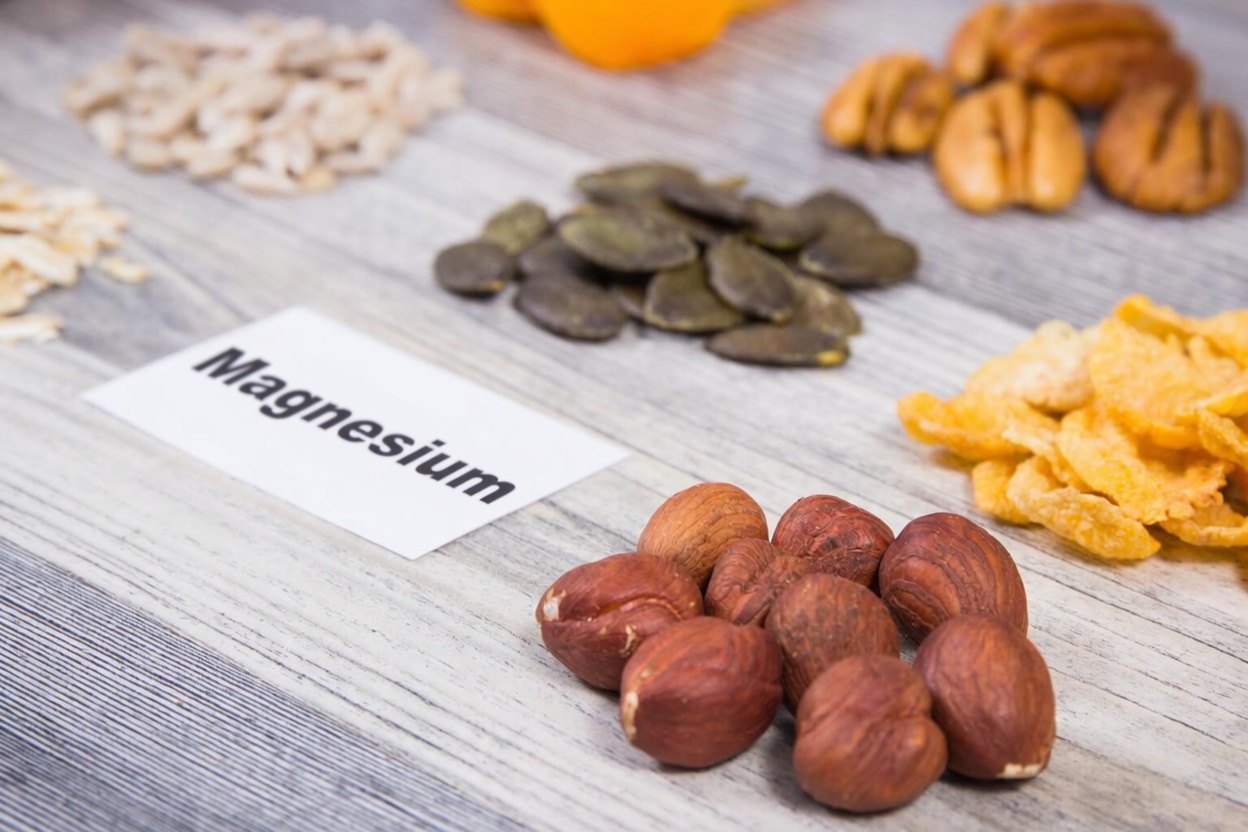
3. Spinach: Magnesium, Vitamins, and Muscle Function Support
Spinach deserves more credit in muscle health conversations. It’s rich in magnesium, which supports muscle contraction and relaxation—key for strength, coordination, and reducing cramps.
One cup of cooked spinach contains roughly:
- 157 mg magnesium
- Vitamins C and K, supporting connective tissue and bone health
Add spinach to omelets, soups, salads, or smoothies to boost micronutrient intake without much effort.
2. Almonds: A Smart Snack for Inflammation Control and Steady Energy
Almonds are more than a convenient snack—they support muscle health through their mix of protein, minerals, and antioxidants. About 1 ounce (a small handful) provides:
- 6 grams of protein
- Around 76 mg magnesium
- Vitamin E, an antioxidant linked to reduced oxidative damage
- Healthy fats and fiber for steady energy
Research suggests nuts can support inflammation reduction and recovery in older adults, making almonds a solid choice between meals or after activity.
1. Chicken Breast: Lean Protein With Leucine for Muscle Building
For pure protein efficiency, chicken breast is hard to beat. A 3-ounce serving delivers about:
- 26 grams of protein
- Low fat and minimal carbs
- B vitamins and selenium (supporting metabolism and immunity)
- Leucine, an amino acid known to directly stimulate muscle protein synthesis
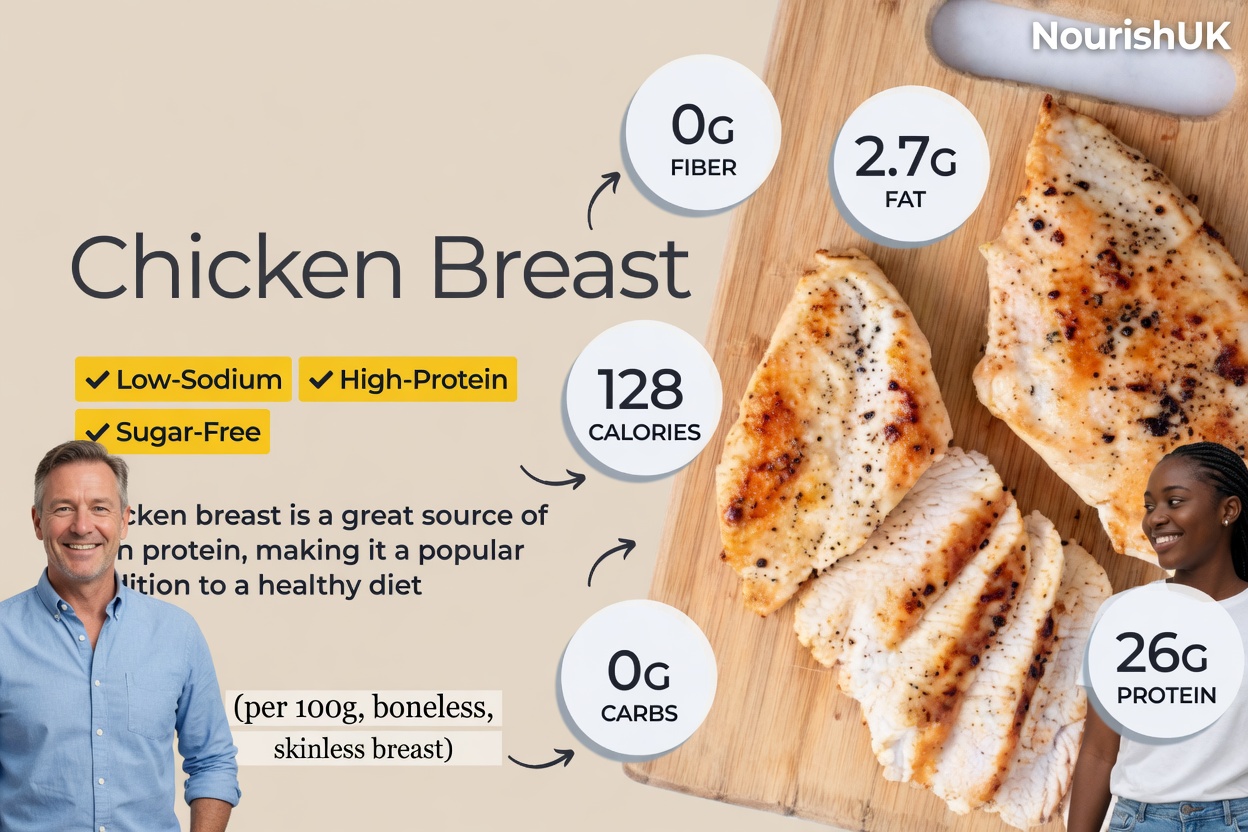
Batch-cooking chicken can make it easier to hit your protein needs at multiple meals—one of the simplest ways to support muscle rebuilding.
Your Action Plan: Turn These Foods Into Real Strength Gains
Knowing what to eat is powerful—using it consistently is what drives results. Start small:
- Add one muscle-supporting food to your daily routine this week (for example, Greek yogurt at breakfast or quinoa at lunch).
- Gradually increase variety by rotating several protein sources across the week.
- Pair nutrition with light resistance training (bodyweight movements, resistance bands, or light dumbbells) to stimulate muscle maintenance and growth.
FAQ
-
Can plant-based foods provide enough protein to support muscle?
Yes. Foods like quinoa and spinach contribute protein and key nutrients. For best results, combine a variety of plant proteins to cover all essential amino acids more consistently. -
How often should I eat protein to reduce muscle loss?
A practical target is 25–30 grams of protein per meal, which helps maximize muscle protein synthesis throughout the day. -
What exercises help prevent muscle loss after 60?
Resistance training is most effective—such as bodyweight exercises, resistance bands, or light weights. Aim for at least two sessions per week, adjusted to your ability and comfort level.
Disclaimer
This article is for informational purposes only and is not a substitute for professional medical advice. Consult your healthcare provider before making dietary changes, especially if you have underlying health conditions.