
Quiet Health Warning Signs After 45 You Shouldn’t Ignore
As we get older, the body often communicates in subtle ways. You may feel a bit more exhausted than usual or notice small changes in how you look, and assume it’s just stress or “normal aging.” But these quiet symptoms can sometimes point to more serious health problems—especially for adults over 45.
Ignoring early warning signs can delay diagnosis and treatment. Below are seven commonly overlooked symptoms that may be your body’s way of flagging something important. The goal is simple: listen to the whispers before they become alarms.

Why “Silent” Symptoms Can Be Serious
Many major conditions—such as heart disease, diabetes, certain cancers, and thyroid disorders—often develop gradually. Instead of obvious pain or a high fever, they can show up as fatigue, small changes in daily habits, or shifts you might easily explain away.
For example, high blood pressure is often called a “silent killer” because it can progress for years without dramatic symptoms. Early-stage diabetes can be similar. A single symptom doesn’t automatically mean illness, but symptoms that persist, overlap, or worsen deserve attention.
1. Ongoing Fatigue With No Clear Cause
If you’re sleeping enough but still wake up drained—or everyday tasks suddenly feel exhausting—don’t automatically blame age, work, or stress. Persistent fatigue can be linked to issues such as:
- Anemia
- Thyroid imbalance
- Heart disease
- Depression
If fatigue lasts longer than two weeks, consider seeing a clinician and requesting basic testing (often including blood work). One example: Sarah from Colorado assumed her low energy was related to perimenopause, but tests revealed low thyroid function, which became manageable once identified.
Fatigue also tends to travel with other symptoms. If your energy drops alongside unusual changes, treat it as a signal—not background noise.
2. Unintentional Weight Loss
Losing weight without changing diet or exercise can be an important clue. If your clothes feel looser and you haven’t tried to slim down, take note—especially if you’ve lost around 5% of your body weight within a few months.
Potential underlying causes include:
- Diabetes
- Overactive thyroid (hyperthyroidism)
- Digestive disorders
- Some cancers
Unplanned weight loss may mean your body is using energy differently or fighting an internal problem. John from Ohio lost 15 pounds unexpectedly and initially felt fine—until tests revealed early diabetes.

3. Changes in Urine Color or How Often You Go
Urine can reveal a lot about hydration and organ health. Watch for changes that persist even when you’re drinking enough fluids, including:
- Dark brown or cola-colored urine
- Foamy urine
- Needing to urinate far more often than usual
- Urine with a pink/red tint (possible blood)
While dehydration is a common cause of darker urine, ongoing changes can point to issues involving the kidneys, liver, infections, diabetes, or urinary tract problems. Tracking hydration and frequency for a week can help clarify patterns—but persistent changes should be medically evaluated.
4. Getting Short of Breath With Light Activity
If climbing a few stairs or walking a short distance leaves you winded—and this is new for you—it may be more than “getting out of shape.” Shortness of breath with minimal effort, even without chest pain, can be associated with:
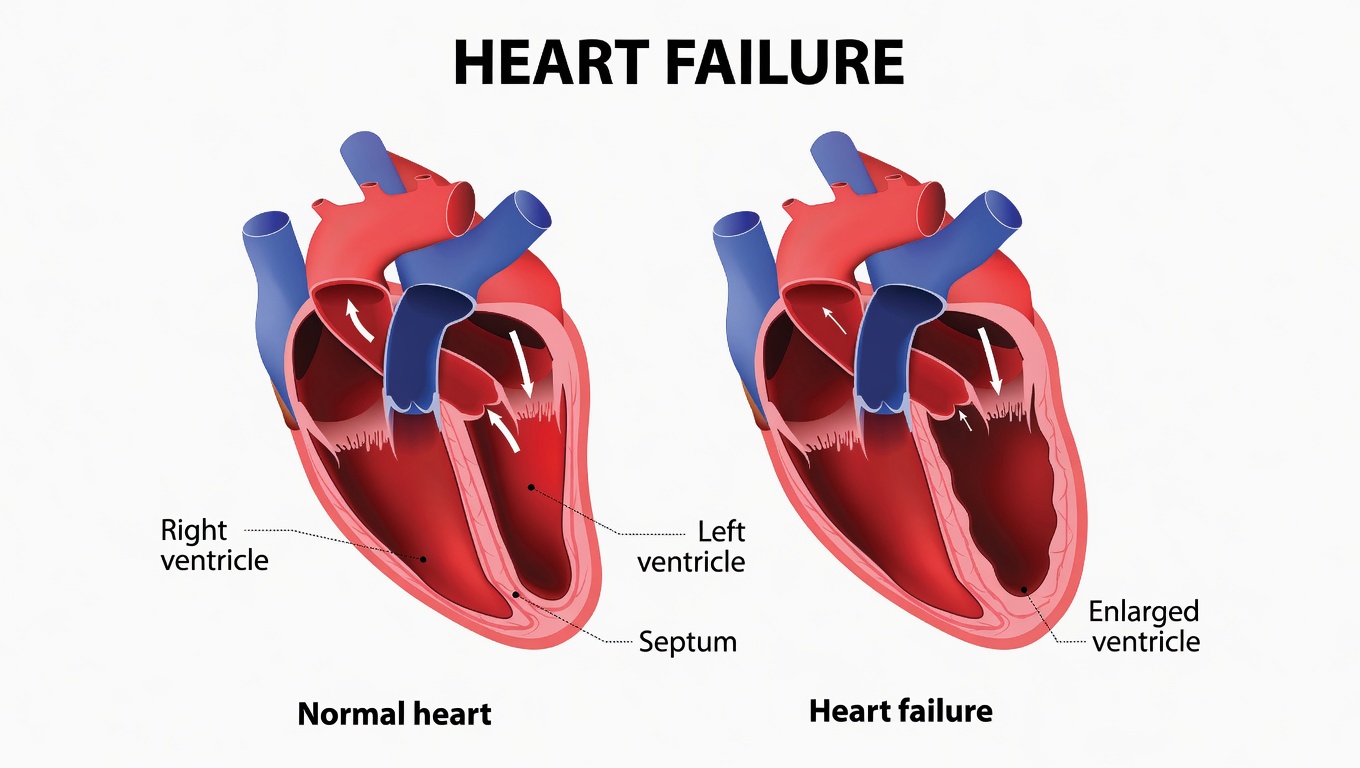
- Heart strain or early heart failure
- Lung conditions
- Anemia
- Elevated cardiovascular risk (especially when combined with fatigue)
If breathlessness is happening more often or feels out of proportion to your activity level, it’s worth discussing with a healthcare professional.
5. Swelling in the Feet, Ankles, or Legs
Do your shoes feel tighter at night? Do socks leave deep marks? Mild swelling can happen after long periods of standing, but swelling that persists or repeats frequently can signal:
- Circulation or vein problems
- Heart, kidney, or fluid-balance issues
- High salt intake contributing to fluid retention
When swelling appears along with fatigue or shortness of breath, it becomes even more important to get checked.
6. Sudden Confusion, Brain Fog, or Mood Changes
Forgetting simple things, feeling unusually foggy, or becoming irritable without a clear reason may be easy to blame on stress or poor sleep. But sudden or unexplained mental changes can also be tied to serious medical causes, including:
- Infections
- Stroke risk or neurological events
- Metabolic or electrolyte imbalances
- In rare cases, carbon monoxide exposure
If confusion appears suddenly—especially in you or a loved one—seek evaluation promptly rather than waiting it out.

7. Visible Changes in Skin, Eyes, or Overall Appearance
Small appearance changes can be meaningful health clues, especially if they persist. Pay attention to:
- Yellowing skin or eyes (jaundice)
- Ongoing rashes or unexplained skin irritation
- Pale complexion
- Skin that looks consistently dull or “washed out”
These can be linked to liver issues, anemia, nutrient deficiencies, or autoimmune conditions. Maria, 55, from Texas noticed she looked tired and dull for months; routine testing later showed a thyroid imbalance, and early detection helped her respond faster.
What to Do If You Notice These Symptoms
If any of these signs sound familiar, respond thoughtfully—not fearfully. What matters most is pattern and persistence. Take note of:
- When the symptom started
- How often it happens
- Whether it’s getting worse
- Any links to diet, medications, sleep, or stress
Start with a visit to your primary care clinician. Basic steps like a physical exam, blood tests, or urine analysis can help distinguish normal aging from a treatable condition. Many health issues are far easier to manage when caught early.
Simple Ways to Stay Proactive After 45
- Track key basics: weight, energy, and bathroom habits weekly
- Stay hydrated: and note whether symptoms change with fluid intake
- Keep regular checkups: mention even “minor” changes
- Move daily: light walking supports circulation and mood
- Log symptoms: a short daily record helps during medical visits
- Ask family for input: others may notice changes you miss
- Prioritize sleep and balanced meals: lifestyle supports prevention and recovery
Frequently Asked Questions (FAQ)
-
Is fatigue always a sign of a serious medical problem?
No. Fatigue can come from stress, poor sleep, or lifestyle factors. However, fatigue that lasts longer than two weeks should be evaluated to rule out medical causes. -
Why is unexplained weight loss a concern?
Losing 5% or more of your body weight without trying can be associated with conditions like diabetes, hyperthyroidism, digestive disease, or certain cancers. A medical evaluation is recommended. -
When should I worry about shortness of breath?
If you feel breathless after minimal activity and it persists or worsens, it may be related to heart or lung conditions (among others). Speak with a healthcare professional.
Disclaimer
This article is for informational purposes only and does not replace professional medical advice. For diagnosis and personalized guidance, consult a qualified healthcare provider.