A Simple Grocery Find That May Support Healthy Aging: Chayote
You’re moving slowly through the produce section, and your knees feel tighter than they used to. The front steps at home suddenly seem steeper, and it’s hard not to notice how effortlessly younger shoppers walk by. Many older adults privately worry about circulation, blood pressure, or heart health—yet still wonder which everyday foods can realistically help.
One often-overlooked vegetable may be worth a closer look: chayote. It’s not flashy, it’s not trendy, but it can fit easily into a balanced diet—and its most unexpected value is explained near the end.
What Is Chayote—and Why Are More Seniors Interested in It?
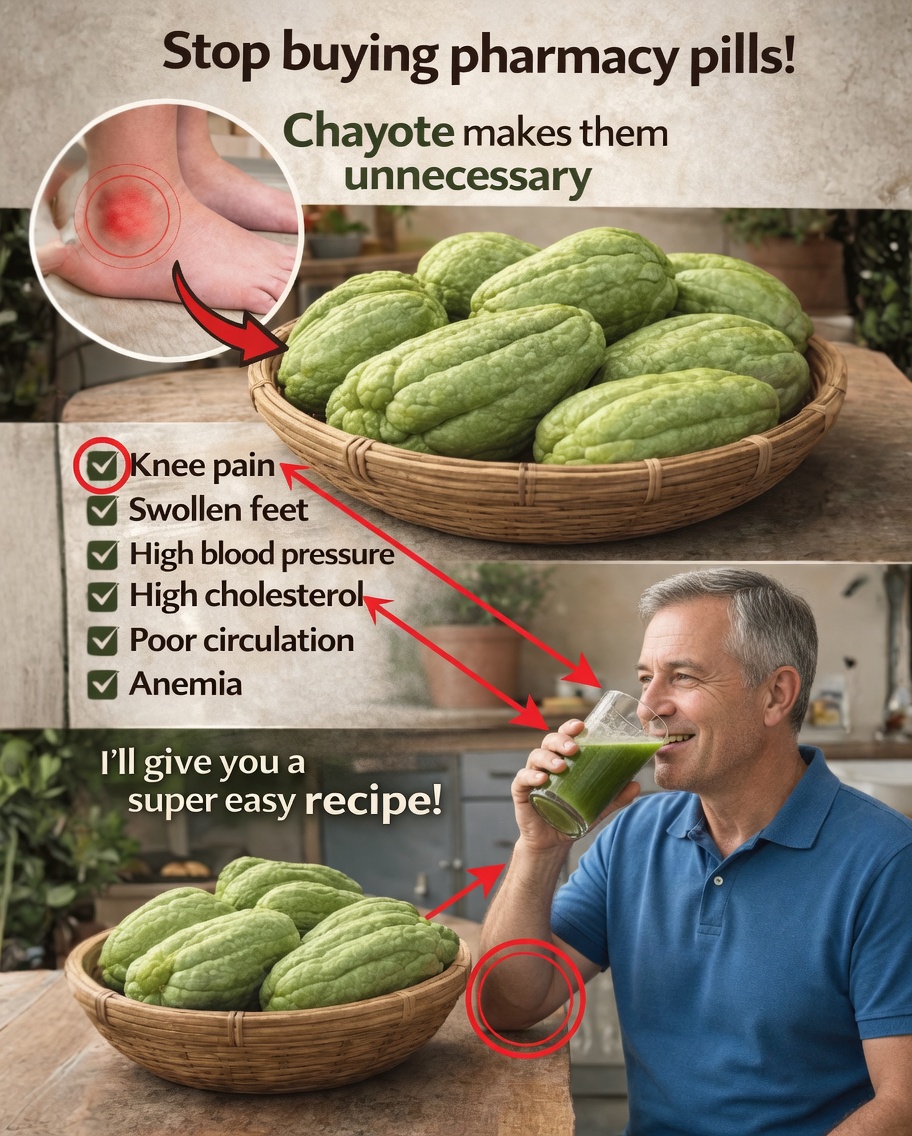
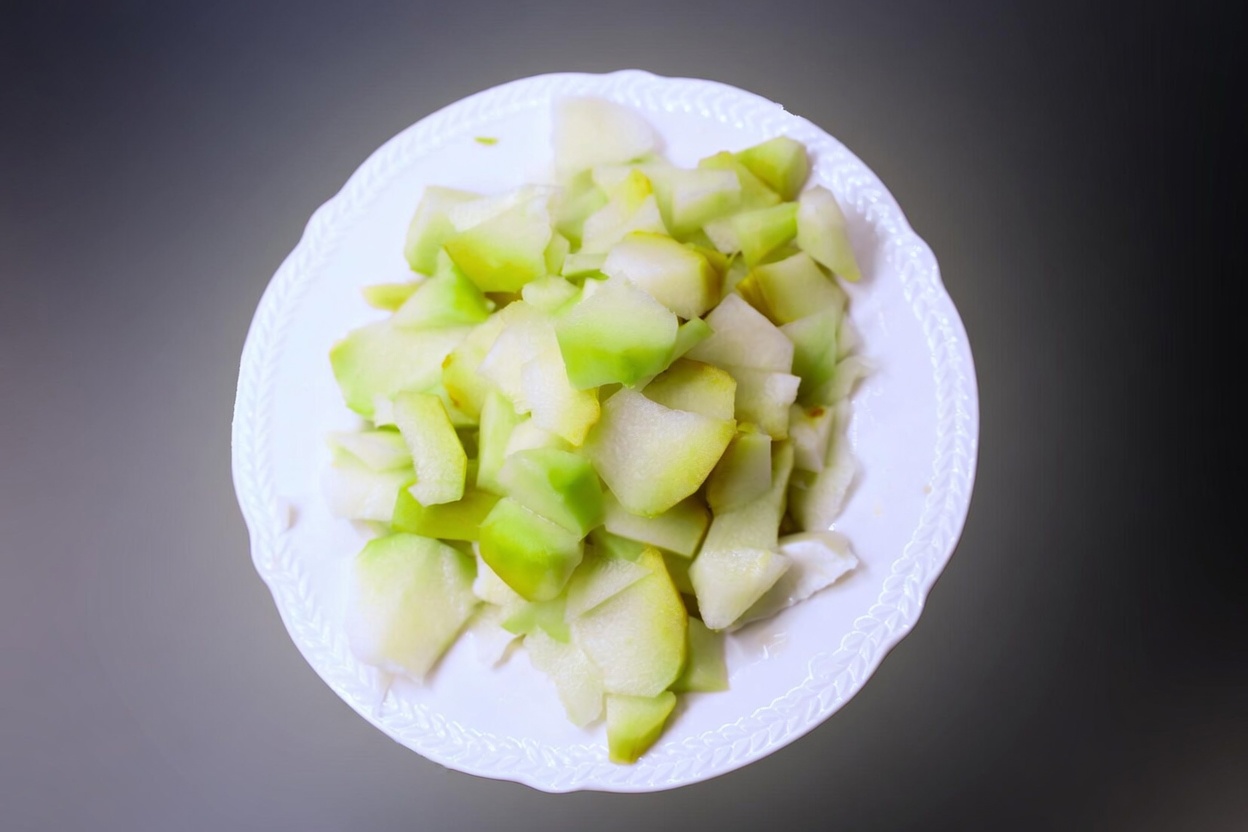
Chayote (Sechium edule) is a green, pear-shaped vegetable in the squash family. It has been a staple in many Latin American households for generations, commonly used in soups, stews, and simple home-cooked meals.
In the United States, however, many people are only now beginning to notice it—largely because it’s nutrient-dense and easy to cook.
Chayote’s taste is mild, often compared to cucumber or zucchini, which makes it simple to add to everyday recipes. It also naturally supports a heart-conscious way of eating because it is:
- Low in calories
- Free from fat and cholesterol
- A good source of fiber
- Rich in vitamins and minerals
As we age, that combination matters more than many people realize.
Why Fiber-Rich Vegetables Matter More After 50
Aging can bring natural changes in digestion, metabolism, and circulation. Choosing vegetables that provide dietary fiber—including chayote—may help support key systems that often become more sensitive over time.
Studies on plant-forward eating patterns repeatedly link higher fiber intake with:
- Better digestive regularity
- Healthier cholesterol markers
- Improved metabolic balance
But fiber is only part of the story. Chayote also contains important minerals and plant compounds that make it especially interesting for older adults.
How Chayote May Support Heart Health and Blood Pressure Balance
Heart health becomes a daily priority for many adults over 50—especially for anyone monitoring blood pressure or cholesterol. Chayote stands out because it contains nutrients commonly associated with cardiovascular support.
Key Nutrients Found in Chayote
Potassium
Potassium helps the body maintain a healthy sodium–fluid balance. Diets that include potassium-rich foods are often recommended to support healthy blood pressure levels.
Soluble fiber
Soluble fiber is known for helping support healthy cholesterol levels when eaten as part of an overall balanced diet.
Antioxidant compounds
Chayote includes plant antioxidants such as quercetin and myricetin, which may help protect cells from oxidative stress.
A commonly overlooked benefit of eating more vegetables like chayote is that they support overall circulation and blood vessel function, both of which are important for long-term cardiovascular wellness.
Quick Perspective: Why Chayote Fits a Heart-Friendly Plate
- Chayote: low calories, moderate fiber, high potassium
- White rice: moderate calories, low fiber, low potassium
- Processed snack foods: high calories, very low fiber, very low potassium
That contrast is one reason nutrition professionals often encourage shifting meals away from refined, ultra-processed options and toward more whole vegetables.
But heart health isn’t the only reason chayote is getting attention.
Can Chayote Support Joint Comfort and Everyday Mobility?
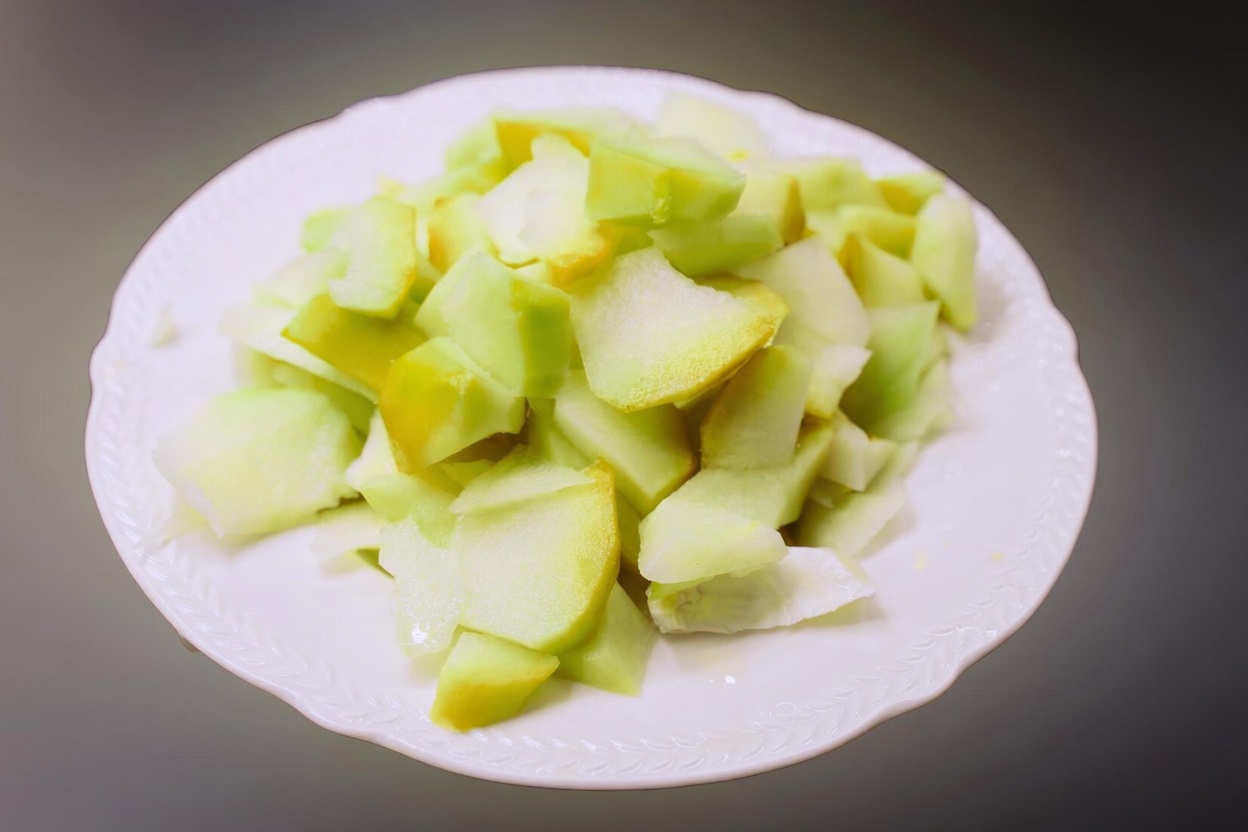
If standing up from a chair makes your knees feel stiff, you’re not alone. Joint discomfort is extremely common with age.
No single food can “cure” joint pain, but certain dietary patterns may help the body maintain a healthier internal balance. Chayote provides fiber and antioxidant plant compounds, which are often linked in research to lower inflammation markers in diets rich in whole plants.
In general, people who eat more:
- Vegetables
- Fruits
- High-fiber foods
often report better overall comfort and mobility. One reason may be that plant-rich eating patterns support:
- Healthy circulation
- Balanced immune function
- Lower oxidative stress
All of these can influence how joints feel over time.
Important note: chayote should not replace medical care, prescribed treatments, exercise, or physical therapy. It’s best viewed as one supportive choice within a broader healthy routine.
So how do you actually use it at home?
Easy, Beginner-Friendly Ways to Eat Chayote
Many people avoid unfamiliar produce because they assume it will be difficult to prepare. Chayote is the opposite—it’s one of the easiest vegetables to cook, and its mild flavor blends well with common seasonings.
Simple Ways to Use Chayote
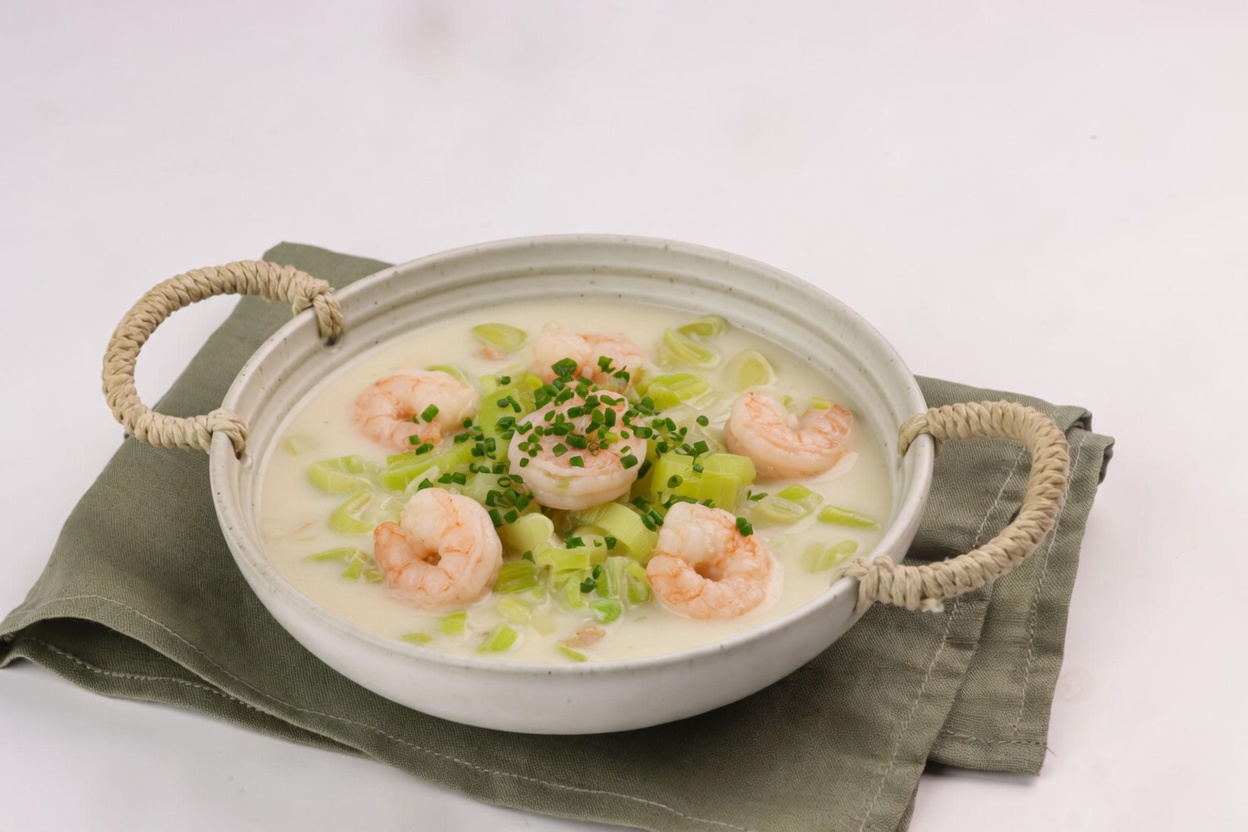
- Add to soups and broths: it absorbs flavor well and stays pleasantly tender.
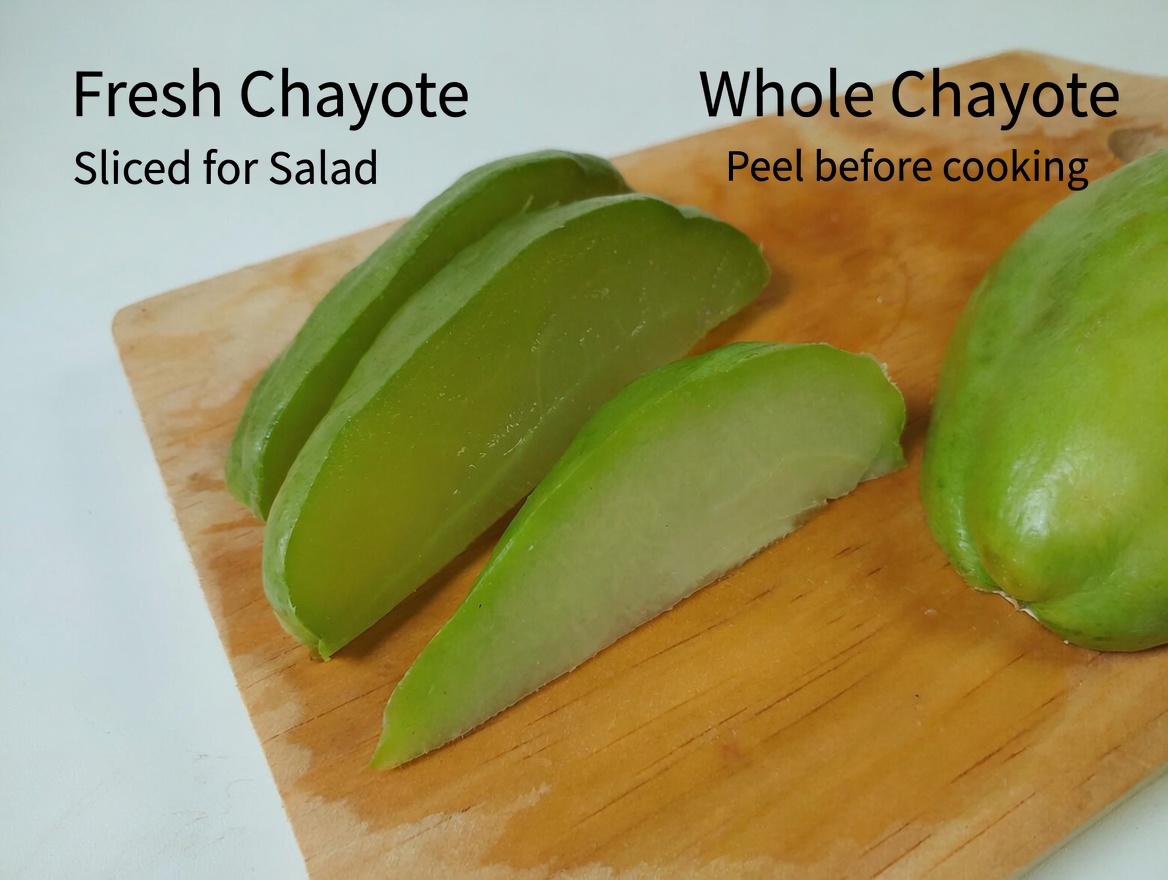
- Slice into salads: raw chayote is crisp, refreshing, and cucumber-like.
- Stir-fry with garlic and olive oil: a quick method that keeps texture and boosts flavor.
- Roast as a side dish: cube it, add herbs and olive oil, then bake until lightly golden.
A Basic Step-by-Step Method
- Wash the chayote thoroughly
- Peel if you prefer (the skin is edible, but some people like it removed)
- Cut into cubes or thin slices
- Cook lightly for about 10 minutes, depending on your preferred texture
It pairs especially well with garlic, onion, lemon, pepper, and fresh herbs. Because the flavor is so neutral, even picky eaters often like it once it’s seasoned and prepared simply.
Practical Daily Habits That Complement Heart and Joint Health
Nutrition helps, but it works best alongside consistent lifestyle choices. Many clinicians recommend combining whole foods with simple, realistic habits such as:
- Gentle daily movement (like walking)
- Drinking enough water throughout the day
- Eating a wide range of colorful vegetables
- Cutting back on heavily processed foods
- Keeping a steady sleep schedule
The most surprising benefit mentioned at the start is this: chayote is unusually easy to adopt. Because it’s mild, versatile, and quick to cook, it often becomes a sustainable “gateway vegetable”—helping people consistently eat more fiber-rich meals without feeling like they’ve overhauled their entire diet.
Final Thoughts
Chayote may not be the most well-known item in the produce aisle, but it offers a strong nutritional profile. With fiber, potassium, and antioxidant compounds, it can support a heart-conscious eating pattern and overall wellness—especially for older adults looking for simple, whole-food upgrades.
Sometimes, healthier aging begins with one practical step: adding a new vegetable to your weekly routine.
Frequently Asked Questions
Is chayote safe to eat every day?
For most people, yes. Chayote is generally safe to enjoy regularly as part of a balanced diet that includes a variety of fruits, vegetables, proteins, and whole grains.
Can chayote lower blood pressure?
Chayote provides potassium and fiber, which support heart-friendly eating patterns. However, it should not replace medical guidance or prescribed treatments for blood pressure.
Will chayote reduce joint pain?
There is no strong evidence that chayote directly eliminates joint pain. Still, its nutrients and antioxidants may support overall wellness when combined with a healthy lifestyle.
Medical Disclaimer
This content is for educational purposes only and is not a substitute for professional medical advice. Always consult a qualified healthcare provider before making significant dietary or health changes.