When a “Normal” Stomach Burning Isn’t So Normal
That uncomfortable, burning sensation after a simple meal—followed by subtle belly rubbing you hope no one notices—is more common than many people admit. A lot of older adults chalk it up to “slower digestion with age,” but ongoing pressure, bloating, or a strange sense of fullness can quietly erode daily comfort and confidence.
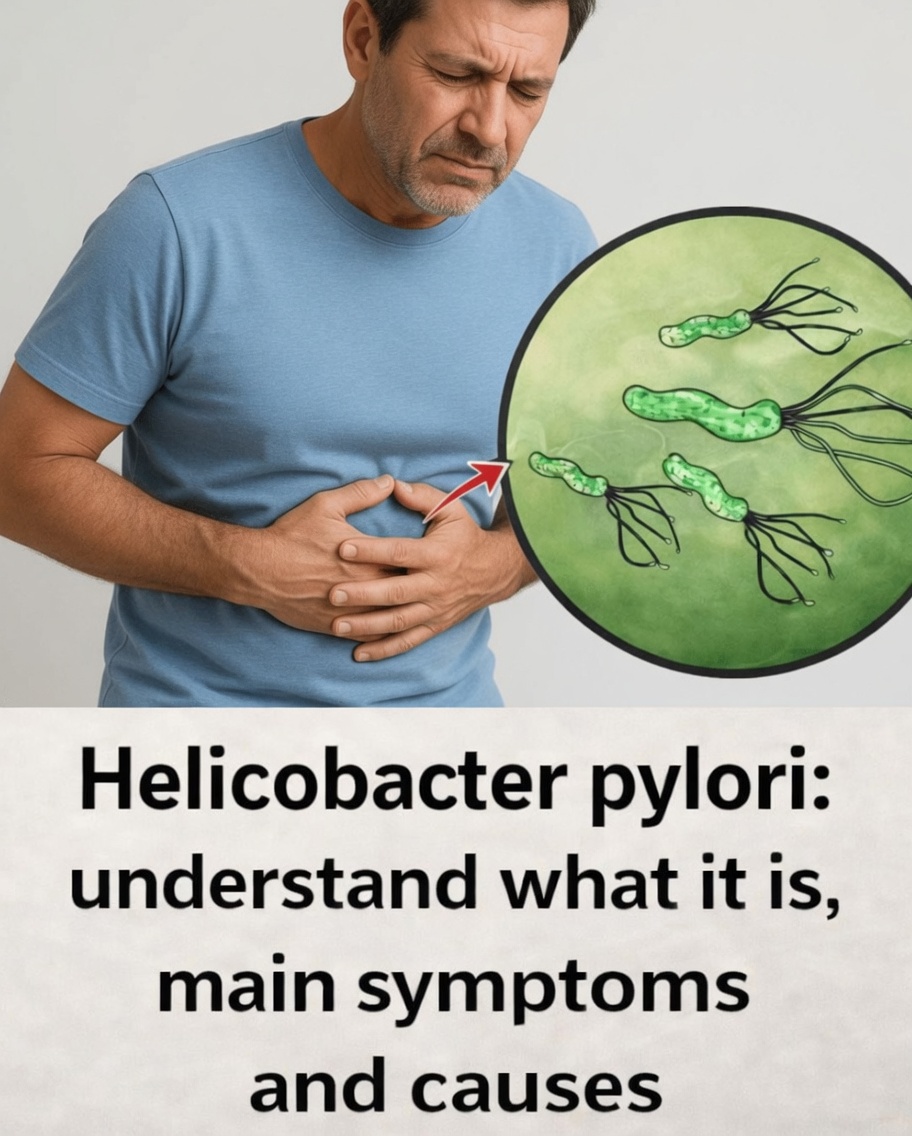
What many people don’t realize is that a very common stomach bacterium can irritate the stomach’s protective lining for years with little to no obvious warning. And there’s one key detail about this microbe that often goes unmentioned until later in life.
What Is Helicobacter pylori (H. pylori)?
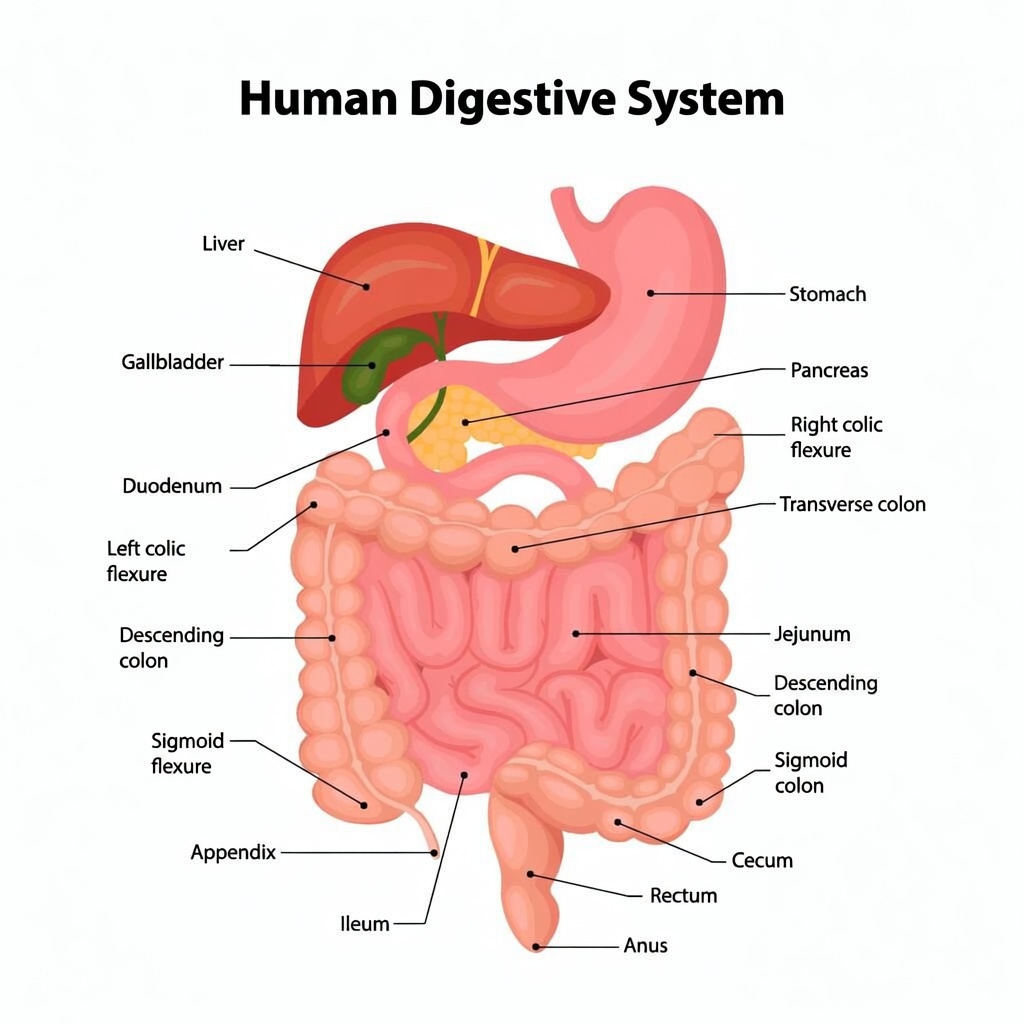
Helicobacter pylori—often shortened to H. pylori—is a spiral-shaped bacterium that can live in the stomach lining and the upper section of the small intestine.
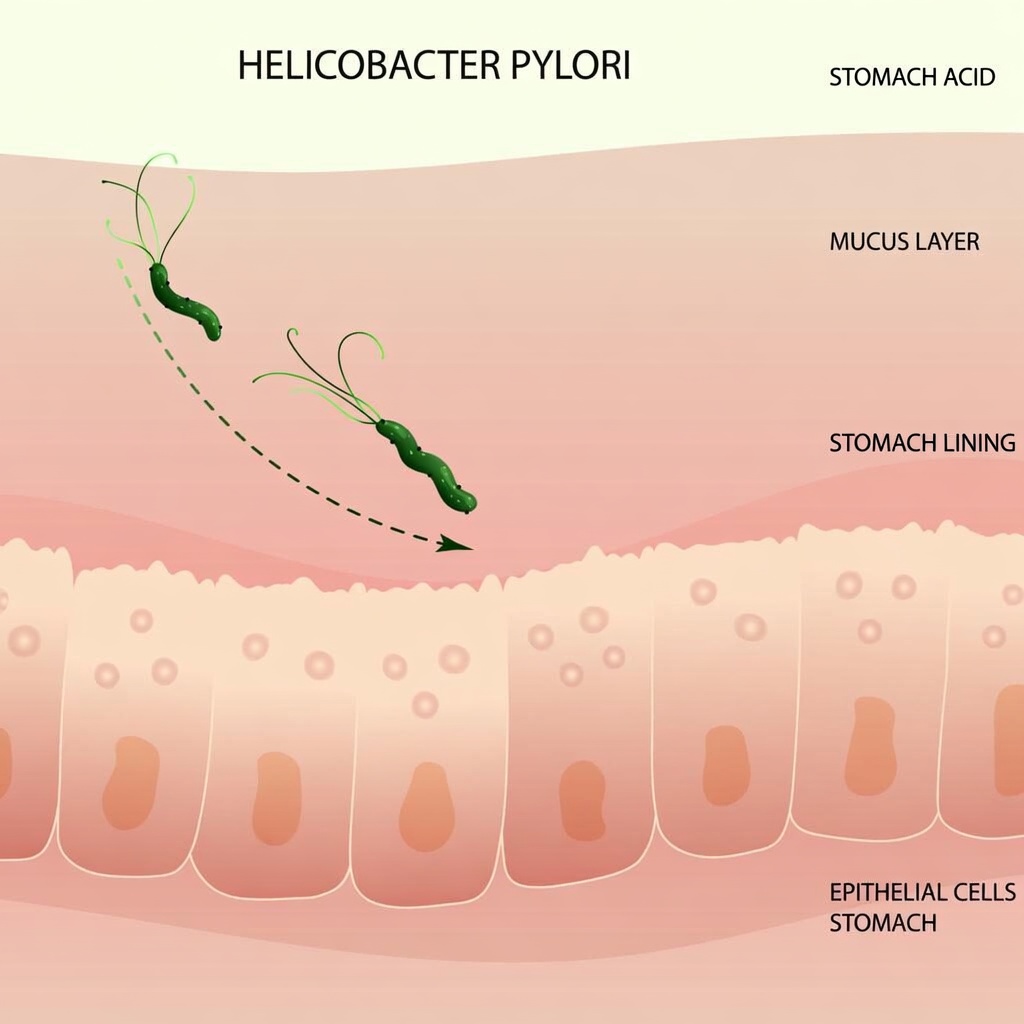
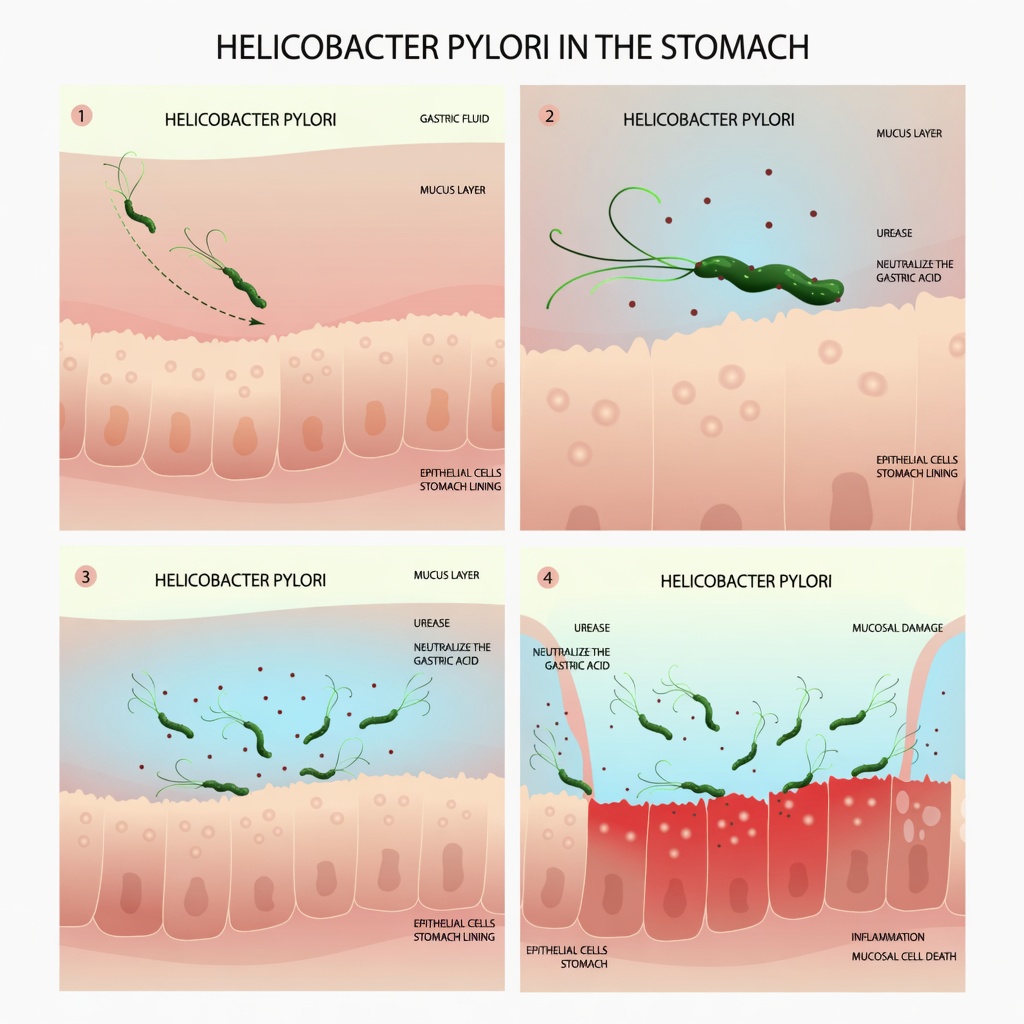
Unlike most bacteria, H. pylori can survive in the stomach’s acidic environment. It does this by producing an enzyme called urease, which helps reduce acidity in its immediate surroundings. This “acid shield” allows the bacterium to nestle into the stomach lining and potentially remain there for decades.
Here’s the twist: many people carry H. pylori and feel completely fine. However, in some individuals, it can irritate the stomach lining over time, causing inflammation and digestive discomfort.
Research in gastroenterology has suggested that more than half of the world’s population may carry H. pylori, although a large portion never develops noticeable symptoms. In other words, many people may have it without realizing it.
Common Signs That May Be Connected to H. pylori
For adults—especially those over 60—digestive discomfort is often blamed on stress, spicy meals, or “just getting older.” But the body can send quiet signals when the stomach lining is irritated.
Possible symptoms include:
- Burning or aching pain in the upper abdomen
- Bloating, especially after eating
- Frequent burping
- Nausea or mild stomach upset
- Feeling full quickly after starting a meal
- Lower appetite
- Unintentional weight loss

The challenge is that these symptoms can develop gradually and may come and go, making them easy to ignore for years. Digestive specialists often emphasize that persistent irritation is the body’s way of indicating that something is affecting the stomach’s protective barrier.
H. pylori is not the only possible cause—but it is one of the most common factors doctors consider when symptoms don’t resolve.
How Do People Usually Get H. pylori?
H. pylori is most often spread through contaminated food, water, or saliva. In many cases, infection happens earlier in life and stays quiet until symptoms appear much later.
Common transmission routes may include:
- Sharing utensils or drinking glasses
- Close saliva contact (including kissing)
- Poor hand hygiene after using the restroom
- Drinking unsafe water or eating improperly handled food
- Living in crowded conditions with limited sanitation

Importantly, infection can still occur even in places with strong hygiene standards. Because H. pylori can remain in the stomach for years, someone may not learn they carry it until digestive discomfort appears in midlife or older adulthood.
Why Ongoing Stomach Irritation Shouldn’t Be Dismissed
Everyone experiences indigestion occasionally. But when stomach irritation becomes persistent, it may set the stage for more significant digestive issues over time.
Medical research has linked long-term H. pylori presence to conditions such as:
- Chronic gastritis (long-lasting inflammation of the stomach lining)
- Peptic ulcers in the stomach or small intestine
- Ongoing digestive discomfort that disrupts eating habits
- A higher risk of certain stomach-related conditions later in life

There is also reassuring news: not everyone with H. pylori develops serious complications. Many people carry the bacterium without any major problems.
Still, experts commonly advise that ongoing symptoms—especially after age 50—deserve medical attention. Early evaluation helps determine whether the stomach lining is under stress and what steps may be needed next.
Everyday Habits That Support a Healthier Stomach
Small, consistent routines can support digestive comfort and reduce irritation. Many clinicians recommend practical lifestyle adjustments that help protect the stomach lining.
Helpful habits include:
- Wash hands thoroughly before meals and after restroom use
- Choose clean, safe drinking water
- Avoid sharing cups and utensils when possible
- Eat balanced meals with plenty of fiber and vegetables
- Limit heavy late-night meals
- Reduce excess alcohol
- Manage stress through regular physical activity

One often-overlooked habit is also remarkably simple: eat more slowly. Rushed meals can make digestion harder and may worsen irritation. Chewing thoroughly and pacing your meals can noticeably improve comfort for some people.
Common Myths About H. pylori
Misunderstandings about stomach bacteria can delay the right next steps. Clarifying a few frequent myths can help people make better decisions.

-
Myth: Only people with poor hygiene get H. pylori.
Reality: H. pylori is extremely common worldwide and can affect people in many settings. -
Myth: Stomach pain always means H. pylori.
Reality: Many conditions can cause similar symptoms, so evaluation matters. -
Myth: Symptoms show up quickly.
Reality: The bacterium can remain silent for years or even decades. -
Myth: Mild symptoms don’t matter.
Reality: If irritation persists, it should be discussed with a healthcare professional.
The key takeaway is straightforward: awareness leads to earlier action.
Conclusion
H. pylori is among the most widespread stomach bacteria on the planet, and many adults may carry it without knowing it. While it doesn’t cause problems for everyone, ongoing symptoms—such as burning upper-abdominal pain, bloating, or unexplained fullness—should not be brushed aside.
Paying attention to subtle warning signs, practicing good hygiene, and maintaining stomach-friendly habits can support day-to-day digestive comfort. Most importantly, staying informed helps you seek the right guidance when symptoms continue—because understanding what may be happening inside your stomach is often the first step toward feeling more in control of your health.
Frequently Asked Questions
-
Can you have H. pylori without symptoms?
Yes. Many people carry H. pylori without any noticeable symptoms. In some cases, it remains inactive and does not cause obvious irritation. -
Does spicy food cause H. pylori?
No. Spicy foods do not create the bacterium. However, spicy or acidic foods may worsen discomfort if the stomach lining is already irritated. -
Should older adults take persistent stomach pain more seriously?
Yes. Although digestion can change with age, ongoing discomfort, unexplained weight changes, or persistent indigestion should be discussed with a qualified healthcare professional.
Medical Disclaimer
This article is for educational purposes only and does not replace professional medical advice. Consult a licensed healthcare provider if you have persistent digestive symptoms, unexplained weight changes, or other health concerns.