
Leg Cramps in Seniors: Why They Happen and Which Vitamins May Help
Leg cramps in seniors can arrive suddenly—tightening the calf without warning, breaking up a good night’s sleep, or making a short walk feel surprisingly difficult. Over time, repeated cramping or ongoing leg weakness can reduce confidence, limit mobility, and take the enjoyment out of everyday routines and time with family.
The hopeful news is that nutrition may play a meaningful supporting role. Certain vitamins and minerals are closely tied to muscle function, nerve signaling, and energy—factors that can influence leg comfort and strength in older adults.

A Common Challenge: Night Cramps and Daytime Weakness
Many older adults deal with nighttime leg cramps that jolt them awake or persistent weakness that turns stairs into a major effort. These concerns are often connected to age-related changes, including reduced nutrient intake or absorption, as well as circulation and muscle performance shifts.
When leg cramps in seniors become frequent, they can lead to avoiding movement—ironically making strength and stability harder to maintain. Supporting key nutrients may help promote better muscle comfort, steadier movement, and overall leg strength in seniors.

Vitamin #1: Vitamin D for Muscle Function and Bone Support
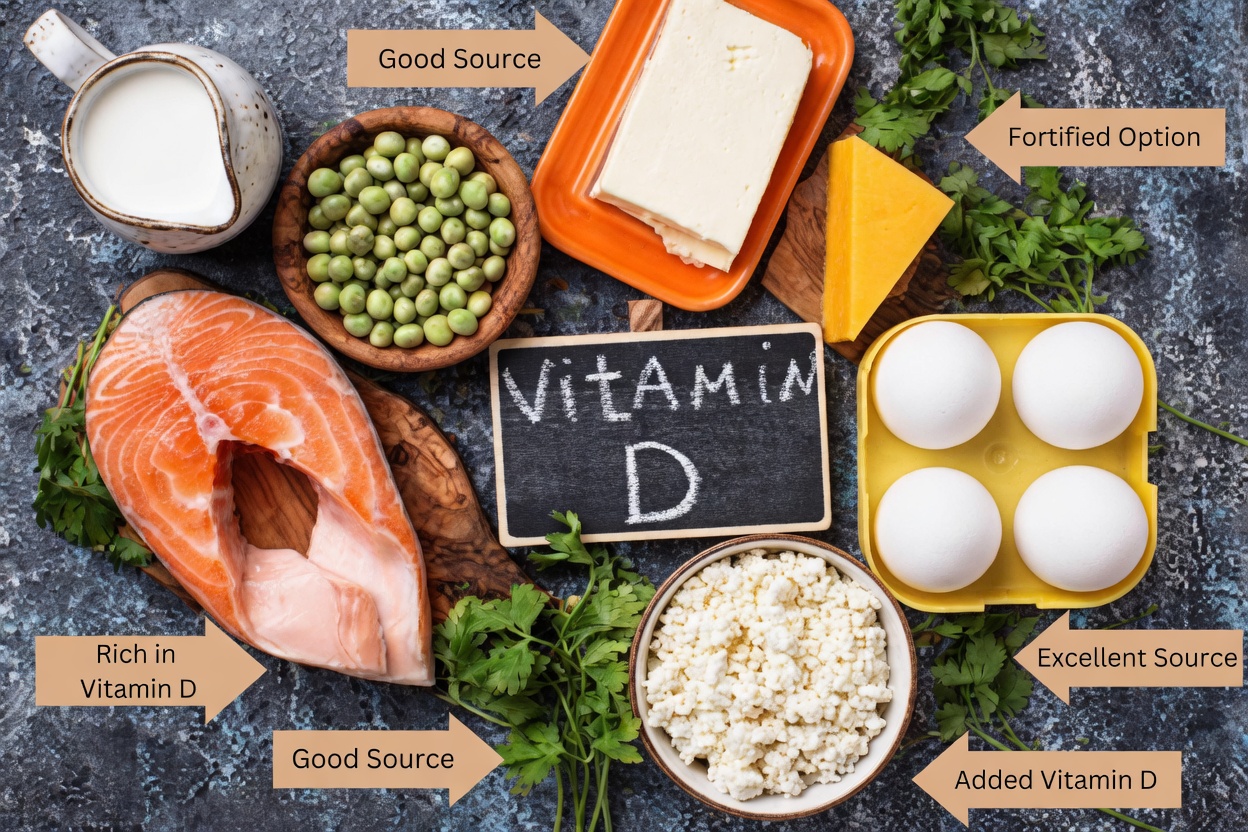
Vitamin D helps the body absorb calcium, which is essential for strong bones and proper muscle contraction. Research suggests that maintaining healthy vitamin D levels may be associated with fewer muscle-related complaints, including cramping and weakness—especially in older adults.
Low vitamin D is common among seniors, particularly those who spend more time indoors or get limited sun exposure. Adding vitamin D-rich foods can be a practical step toward more confident daily movement.
- Food sources to try: salmon, fortified milk, egg yolks
- Why it matters: supports muscle performance and bone strength, which may influence leg stability
Vitamin #2: Magnesium to Promote Muscle Relaxation
Magnesium supports normal nerve signaling and helps muscles relax after contracting. When magnesium intake is too low, muscles may become more prone to tightness and spasms, including nighttime leg cramps in seniors.
Many people don’t get enough magnesium through diet alone, making it a common nutrient gap. Increasing magnesium-rich foods can be a simple, gentle habit—like adding a daily snack or upgrading side dishes.
- Food sources to try: almonds, spinach, whole grains, pumpkin seeds
- Why it matters: supports relaxation of muscles and may reduce spasm frequency

Vitamin #3: Vitamin B12 for Nerve Health and Energy
Vitamin B12 plays a central role in nerve function and red blood cell production. Adequate B12 levels are linked to better coordination and less fatigue—both of which can affect leg strength in seniors and how steady they feel while walking.
As people age, B12 absorption often decreases, even with a balanced diet. Making B12-rich foods a regular choice can help support energy and neuromuscular function.
- Food sources to try: eggs, fish, fortified cereals
- Why it matters: supports nerves, energy, and muscle coordination

What Improvements Seniors May Notice Over Time
When vitamin D, magnesium, and B12 are consistently included through food, seniors may experience gradual benefits such as:
- More restful sleep: fewer wake-ups caused by leg cramps in seniors
- Steadier movement: improved comfort during daily activities and walks
- Better balance: stronger nerve-muscle coordination may support confidence
- More consistent energy: reduced fatigue that can worsen perceived leg weakness
- Greater day-to-day vitality: easier participation in hobbies and family life

Quick Guide: Natural Food Sources and Potential Benefits
-
Vitamin D
- Best sources: salmon, fortified milk, egg yolks
- May support: muscle function and bone strength
-
Magnesium
- Best sources: almonds, spinach, pumpkin seeds, whole grains
- May support: muscle relaxation and reduced spasms
-
Vitamin B12
- Best sources: eggs, fish, fortified cereals
- May support: nerve health, coordination, and energy

Easy, Realistic Ways to Add These Nutrients Daily
Small changes are often easier to maintain than a total diet overhaul. Consider these simple approaches:
- Go one step at a time: add just one new food source each week
- Build a stronger breakfast: try eggs with spinach, or salmon on whole-grain toast
- Choose foods you actually enjoy: consistency is easier when meals feel satisfying
- Aim for regular intake: frequent small portions often work better than occasional “big” efforts
Many seniors find that steady routines—not quick fixes—are what lead to noticeable improvements in leg comfort and strength.
Frequently Asked Questions
-
Can these vitamins completely stop leg cramps in seniors?
They may help reduce frequency and support muscle function, but results vary. If cramps are persistent or severe, consult a healthcare professional. -
Should seniors get these nutrients from food or supplements?
Food is usually preferred because it provides additional nutrients and is naturally balanced. Supplements may be appropriate in some cases, but should be discussed with a clinician. -
What if I have dietary restrictions?
Fortified foods and alternative sources are widely available. A healthcare provider can help identify options that fit your medical needs and diet.
Moving Forward with More Confidence
Supporting vitamin D, magnesium, and B12 intake through everyday food choices may help manage leg cramps and maintain leg strength in seniors. Focus on small, consistent habits, and speak with your healthcare provider before making major dietary changes—especially if you take medications or manage chronic conditions.
Disclaimer: This article is for informational purposes only and does not replace professional medical advice. Always consult a qualified healthcare provider for personalized guidance.