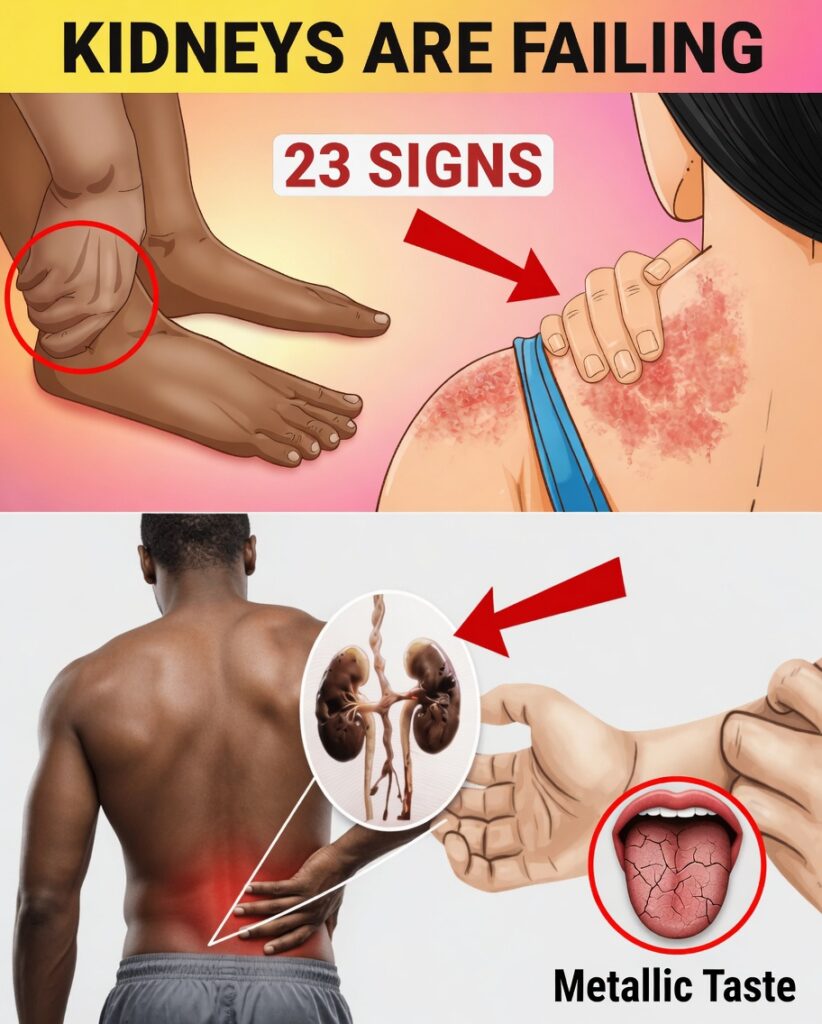
When “Just Stress” Might Be Something More: Often-Ignored Signs of Kidney Trouble
Constant tiredness that follows you all day, unexplained puffiness, or strange body changes that you’ve chalked up to “getting older” can be both frustrating and unsettling—especially when you can’t pinpoint a reason. Many early kidney problem symptoms are subtle and easy to dismiss, which can leave you feeling unwell without understanding what’s going on. The good news: noticing potential warning signs early can make a real difference, and you’ll find clear next steps at the end.
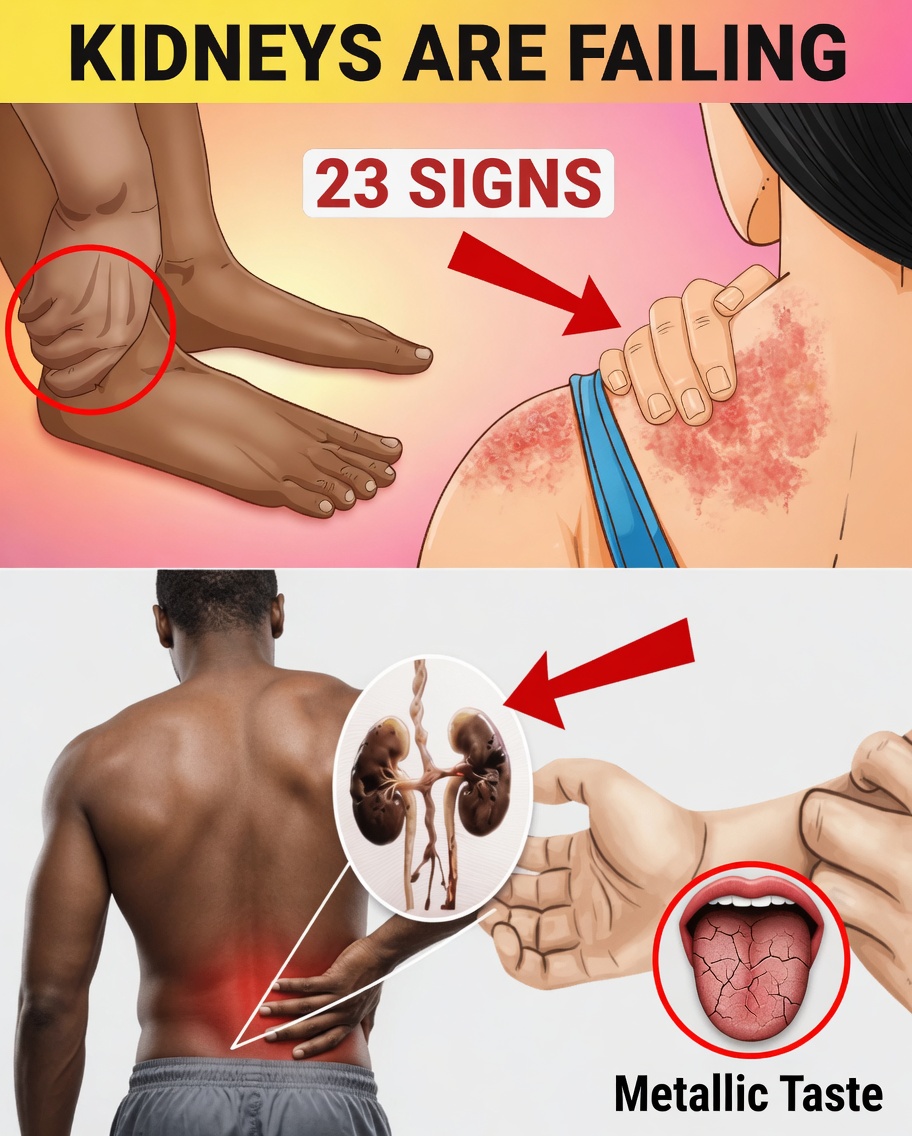
Why Kidney Issues Can Be Easy to Miss
Your kidneys work around the clock to filter waste, balance fluids, and help regulate blood pressure. In fact, they process roughly 200 liters of blood per day. When kidney function begins to decline—whether due to diet, chronic stress, dehydration, medications, or underlying conditions—changes often appear quietly at first.
Millions of people live with reduced kidney function without realizing it until later stages. Learning to recognize unusual symptoms can help you take action sooner.

23 Subtle Signs Your Kidneys Might Be Struggling (With Real-Life Examples)
Below are 23 possible signs of kidney trouble, illustrated through examples like Lisa and Mark—two everyday people who noticed changes and later sought medical guidance.
1. Ongoing Fatigue That Rest Doesn’t Fix
Lisa (49) felt worn out no matter how long she slept. When kidneys don’t filter efficiently, waste can build up and contribute to low energy and persistent exhaustion.
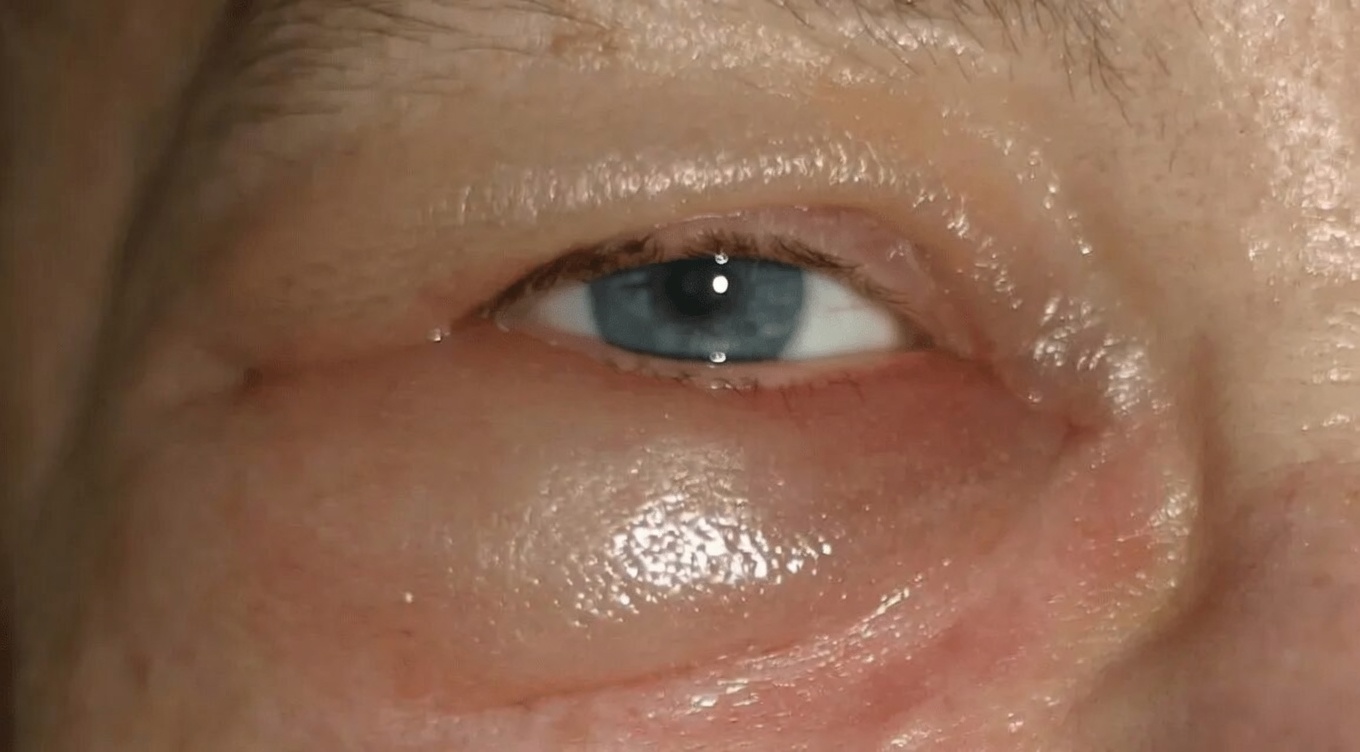
2. Puffy Eyelids in the Morning
Mark (53) regularly woke up with swollen eyes. Fluid imbalance and protein loss can cause early swelling—often first noticed around the eyes.
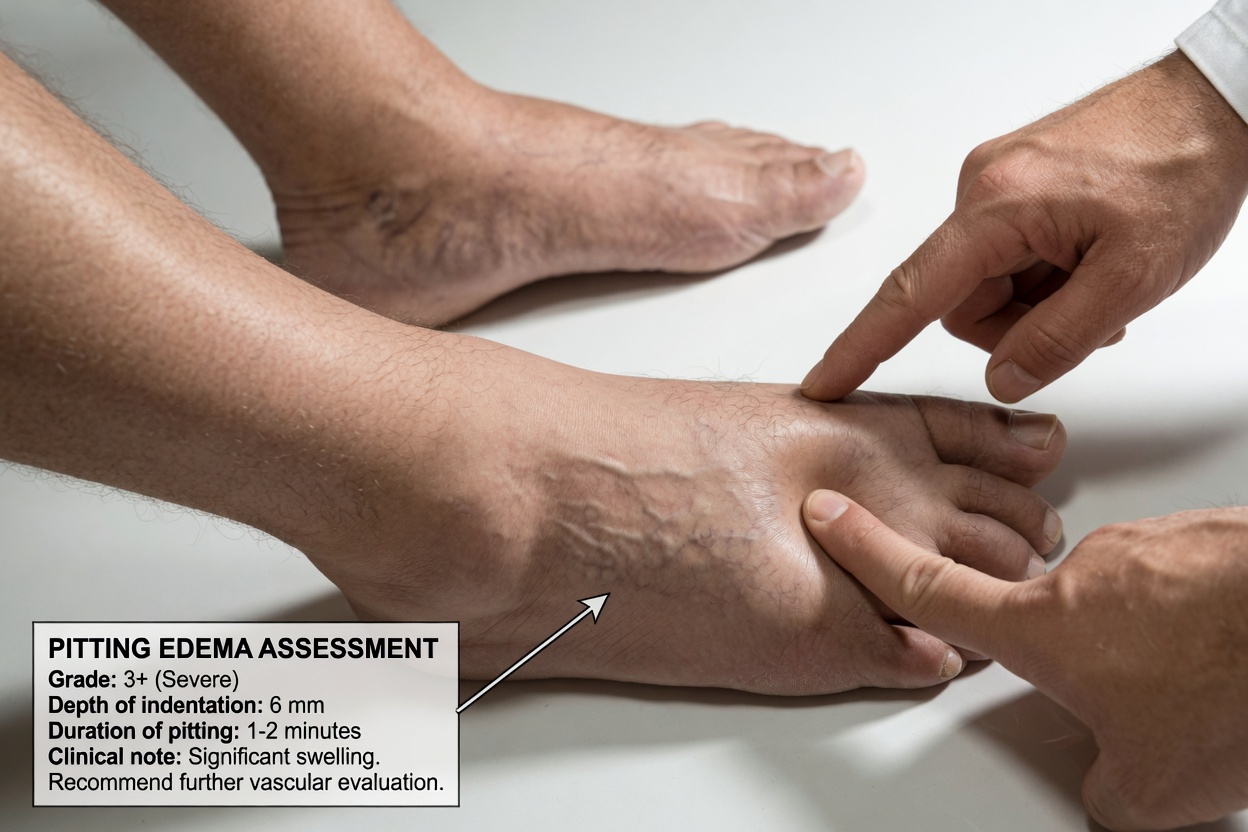
3. Swelling in Ankles, Feet, Hands, or Fingers
Lisa realized her rings felt tighter, and her ankles looked puffy by evening. When kidneys struggle to manage sodium and fluid, edema can occur.
4. Foamy or Bubbly Urine That Doesn’t Disappear Quickly
Mark noticed bubbles that lingered after urinating. Persistent foam can be linked to protein in the urine, which may signal kidney filtration issues.
5. Cloudy, Dark, or Unusually Colored Urine
Lisa saw her urine become murky instead of a typical pale yellow. Changes in urine clarity or color can reflect dehydration, infection, or reduced filtering efficiency.
6. Frequent Urination—Especially at Night
Mark began waking up multiple times to use the bathroom. When kidney function changes, urine frequency and timing can shift, especially overnight.
7. Constant Itchy Skin
Lisa blamed weather, but the itching didn’t stop. Waste buildup in the bloodstream can irritate nerves and lead to persistent itching.
8. A Metallic Taste in the Mouth
Mark felt as if food tasted “off,” almost metallic. Waste accumulation can affect taste perception and appetite.
9. Bad Breath That Brushing Doesn’t Solve
Lisa noticed her breath stayed unpleasant even with good oral hygiene. In some cases, waste products can contribute to an ammonia-like odor.
10. Shortness of Breath During Simple Activities
Mark became winded after brief walks. Fluid imbalance can sometimes contribute to breathlessness, including fluid buildup affecting the lungs.
11. Muscle Cramps at Night
Lisa woke up with painful leg cramps. Kidney-related electrolyte shifts (like calcium, potassium, or sodium imbalance) can trigger cramps.
12. Dry, Flaky, or Scaly Skin
Mark’s skin stayed rough despite moisturizers. When fluid and mineral balance is off, skin can look dull and feel persistently dry.

13. Suddenly Not Feeling Hungry
Lisa started skipping meals because she felt full quickly. When waste builds up, appetite may drop without an obvious cause.
14. Nausea Without a Clear Trigger
Mark often felt queasy in the morning. Digestive upset can occur when waste levels rise in the blood.
15. Trouble Concentrating (Brain Fog)
Lisa struggled to focus at work. Reduced filtering can affect how you feel mentally, sometimes leading to fogginess or poor concentration.
16. Unexpected Blood Pressure Changes
Mark’s readings spiked despite no major lifestyle changes. Because kidneys help regulate blood pressure, sudden fluctuations can be a clue.
17. Pale Skin or Dark Under-Eye Circles
Lisa looked unusually pale. Kidneys support red blood cell production, and reduced function can contribute to anemia-related changes in appearance.

18. Aching Bones or Joint Discomfort
Mark developed new joint pain beyond what he expected with age. Kidney-related mineral imbalance can affect bone strength over time.
19. Feeling Cold More Than Others
Lisa shivered in rooms others found comfortable. Anemia related to kidney strain can make you feel colder than usual.
20. Irregular Heartbeat or “Fluttering” Sensations
Mark noticed occasional skipped beats. Shifts in electrolytes—especially potassium—can affect heart rhythm and should be assessed promptly.
21. Unexplained Weight Gain
Lisa gained weight without changing her diet. Water retention can add pounds quickly and may be mistaken for normal weight fluctuation.
22. Frequent Headaches
Mark dealt with recurring headaches. Blood pressure changes and toxin buildup can contribute to headache patterns in some people.
23. Mood Swings or Irritability
Lisa felt unusually short-tempered. When your body feels off, emotional changes can follow—sometimes tied to fatigue, toxins, and disrupted sleep.

Common Symptoms vs. Normal Variations (Quick Guide)
Not every symptom means kidney disease. Use this comparison to help decide when a pattern looks unusual.
-
Urine
- Possible concern: foamy, cloudy, dark, or consistently unusual changes
- Common variation: pale yellow most days, occasional differences with hydration or foods
-
Energy
- Possible concern: persistent fatigue even after rest
- Common variation: tired after a busy day or poor sleep
-
Swelling
- Possible concern: recurring puffiness in eyes, hands, ankles, or feet
- Common variation: short-term bloating after salty meals or travel
-
Skin
- Possible concern: ongoing itching or chronic dryness
- Common variation: mild dryness due to weather changes
-
Breathing/Mood
- Possible concern: unexplained breathlessness or significant mood shifts
- Common variation: short-term changes during stressful periods
What to Do If You Notice Several Possible Kidney Warning Signs
If you recognize multiple symptoms—especially if they persist—early action is beneficial. Here’s a practical approach:
-
Track your symptoms
- Record changes in urine, swelling, energy, sleep, itching, and appetite for 1–2 weeks.
-
Talk to a healthcare professional
- Bring your notes and explain how symptoms affect your daily life.
-
Ask about basic kidney tests
- Standard evaluations often include blood tests (such as creatinine and estimated GFR) and urine tests (including protein checks).
-
Support kidney health daily
- Drink adequate water, reduce excess salt, eat balanced meals, and stay physically active without overexertion.
-
Avoid self-diagnosing
- Only a qualified clinician can interpret symptoms and test results accurately.
Lisa and Mark both felt more at ease after seeing their doctors and getting clear answers. In many cases, early evaluation helps prevent more serious complications later.
Final Thoughts: Pay Attention to the “Whispers”
These 23 unusual signs your kidneys might be in trouble often don’t feel dramatic at first. They show up as small, ongoing changes. Listening to your body—and checking in early when something feels wrong—can protect your long-term health.
FAQ
What are the most common early signs of kidney trouble?
Early symptoms often include changes in urine (foamy, cloudy, frequent urination), persistent fatigue, and swelling around the eyes or ankles.
Can these kidney warning signs disappear on their own?
Some symptoms may improve with hydration, better sleep, or dietary changes. However, if symptoms are persistent or worsening, a medical evaluation is important to rule out underlying kidney problems.
How do doctors check kidney function?
Clinicians commonly start with blood tests (creatinine, estimated GFR) and urine tests to look for protein, blood, or other abnormalities.
Medical disclaimer: This article is for informational purposes only and does not replace professional medical advice, diagnosis, or treatment. Always consult a qualified healthcare provider if you have concerning symptoms or questions about your health.