
Managing high blood sugar can leave you worn out and on edge about whether you’ll have enough energy to get through the day. At the same time, high cholesterol often triggers worries about long-term heart and artery health, stealing your peace of mind. When these issues overlap, even simple routines can feel harder than they should.
One practical, food-based way to support your goals is adding nutrient-dense pumpkin to your meals. It’s easy to find, simple to cook, and fits well into many eating patterns. Stay to the end for a surprisingly simple way to make pumpkin more enjoyable without adding hassle.

What Pumpkin Is—and Why It’s Worth Adding to Your Diet
Pumpkin (also called squash in many places) is a low-calorie, fiber-rich vegetable that can be a smart choice for people trying to support blood sugar stability, cholesterol management, and overall cardiovascular wellness. For anyone who feels limited by strict diet rules, pumpkin can be a flexible ingredient that still aligns with health-focused eating.
Nutrition research consistently highlights the value of foods like pumpkin because they offer fiber and protective plant compounds that support metabolic balance—without requiring complicated meal planning.
Key Nutrients in Pumpkin
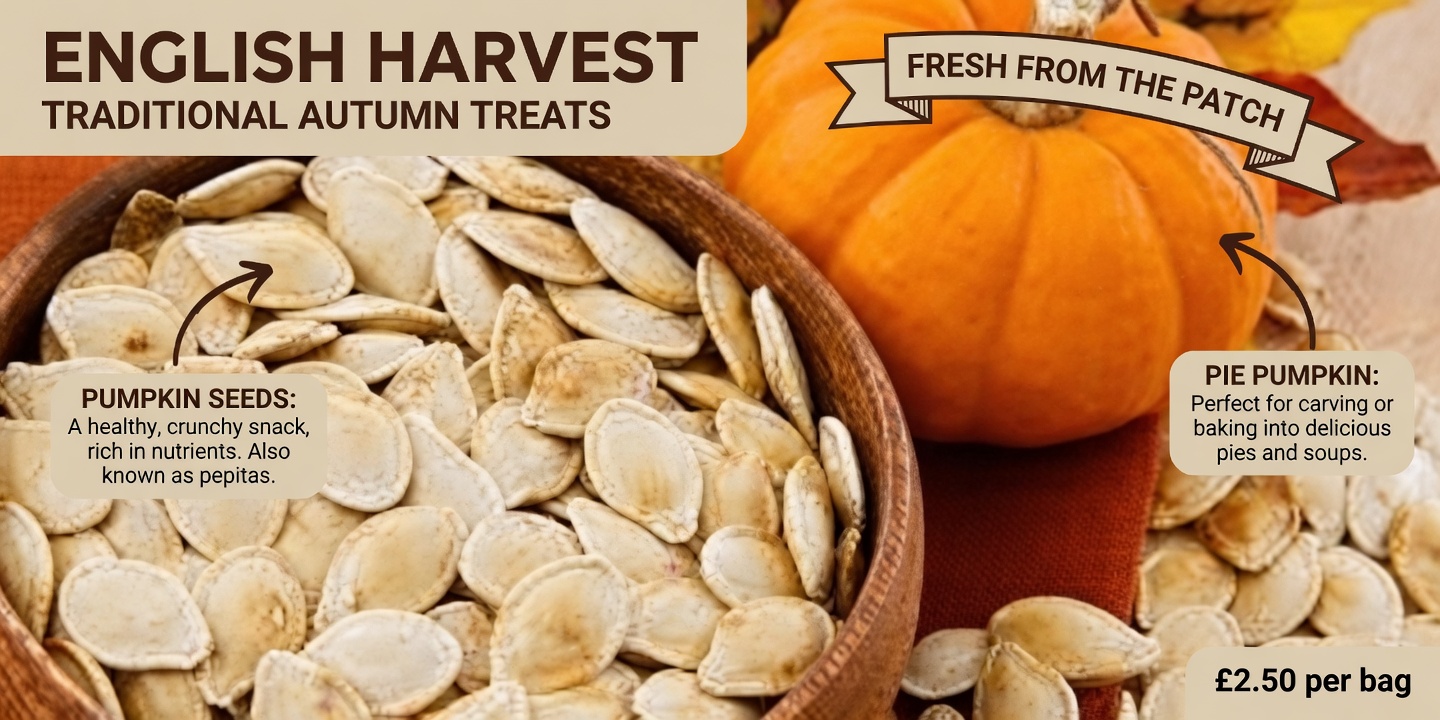
Pumpkin’s benefits come from a combination of nutrients that support digestion, metabolism, and heart health. It contains:
- Soluble and insoluble fiber to support digestion and steadier nutrient absorption
- Beta-carotene (a precursor to vitamin A)
- Vitamins C and E, which act as antioxidants
- Potassium and magnesium, important for overall body balance
- Natural antioxidants that help address oxidative stress
- A low glycemic load, making portions easier to fit into balanced meals
This profile makes pumpkin especially appealing for people who feel overwhelmed by constant health management.
Health Benefits of Pumpkin for Metabolic and Cardiovascular Support
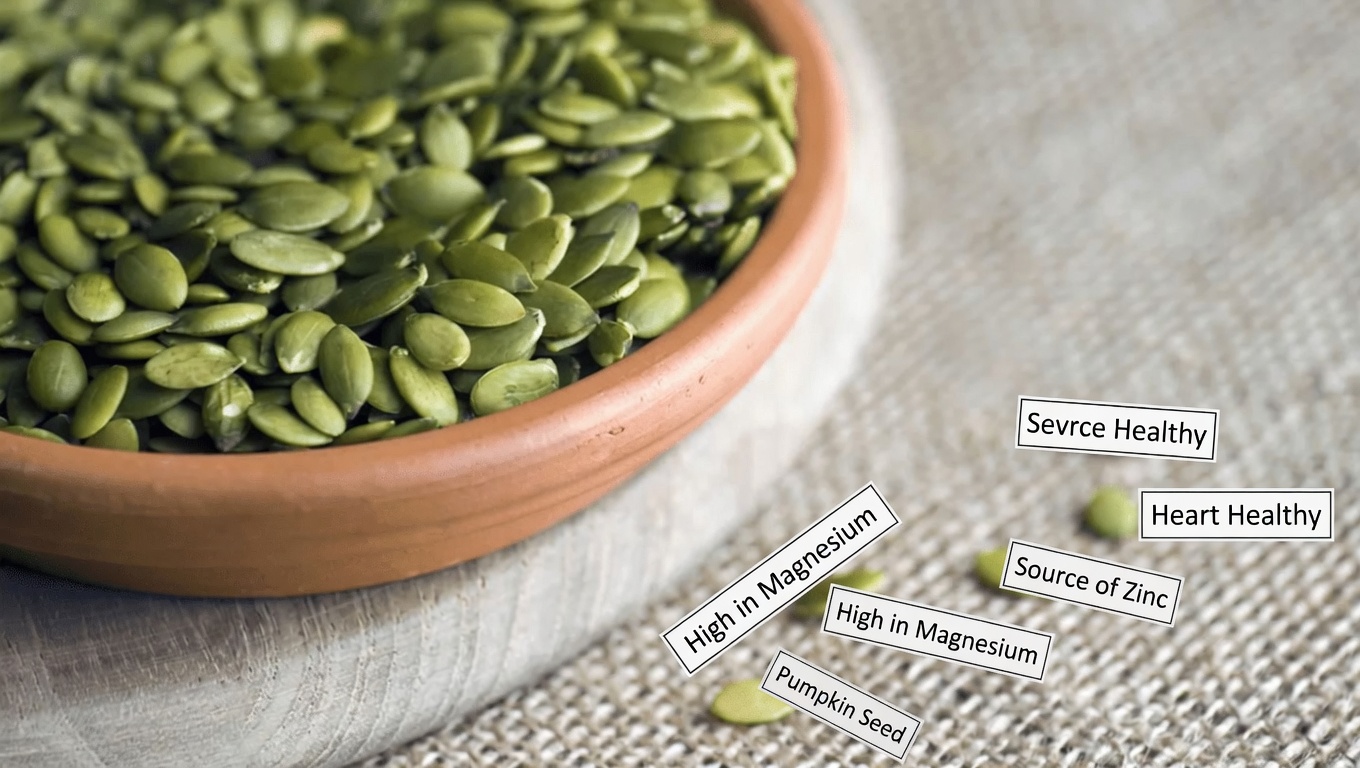
Living with blood sugar swings can drain your energy, while cholesterol concerns can create ongoing stress about heart risks. Pumpkin can’t replace medical care, but as part of a balanced diet, it may provide gentle, nutrition-based support—especially because it’s naturally rich in fiber and antioxidants.
1) May Help Support Blood Sugar Stability
When blood sugar rises quickly, it can be followed by low energy, irritability, and difficulty focusing. Pumpkin’s fiber helps slow digestion and reduce the speed of glucose absorption, which may contribute to more stable post-meal blood sugar patterns—particularly helpful for people dealing with insulin resistance.
2) Can Support Healthier Cholesterol Levels
High cholesterol often feels like a constant warning sign in the background. Pumpkin’s soluble fiber can bind to certain compounds in the digestive tract, supporting natural elimination and healthier lipid balance. Major heart-health guidance (including fiber recommendations) consistently points to soluble fiber as a useful dietary tool for cholesterol support.
3) Contributes to Artery-Friendly Nutrition
It’s important to be clear: no food “scrubs” arteries clean. However, diets rich in antioxidants and anti-inflammatory nutrients can support vascular function over time. Pumpkin provides antioxidants that help address oxidative stress, a factor involved in cardiovascular strain, while also fitting easily into heart-supportive meals.
4) Supports Overall Heart Health
Pumpkin is a natural source of potassium, a mineral associated with healthy blood pressure regulation when part of an overall balanced diet. Combined with its antioxidant profile, pumpkin can be a simple addition for people trying to support heart function while managing blood sugar and cholesterol.
Homemade Pumpkin Remedy for High Blood Sugar Support
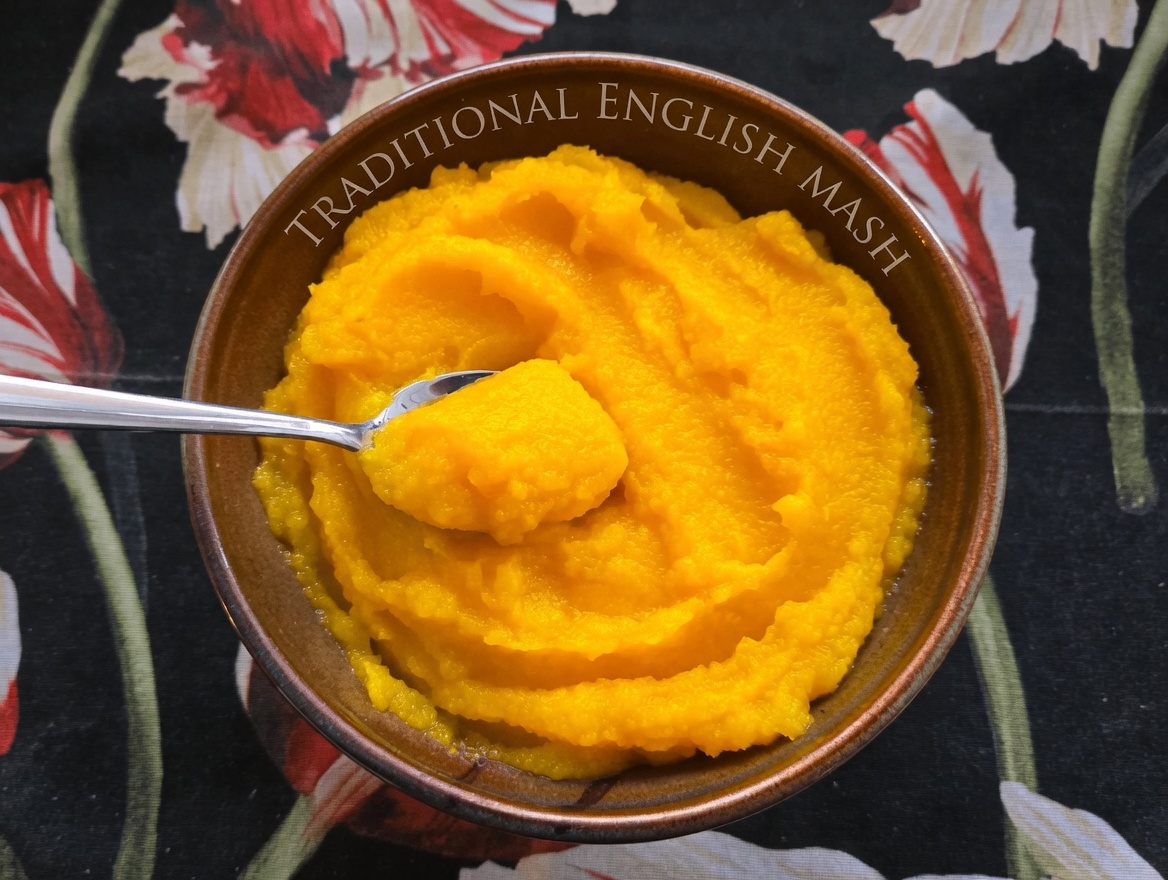
If meal planning feels stressful because of unpredictable energy drops, a simple steamed pumpkin puree can be an easy way to add fiber without overcomplicating your day.
Ingredients
- 1 cup cooked pumpkin
- Water (no salt)
- Optional: a small pinch of cinnamon
Preparation
- Steam or boil pumpkin without salt.
- Mash or blend until smooth.
- Add cinnamon if desired.
How to Use
- ½ cup per day
- Ideally at lunch
- Pair with protein and healthy fats for a steadier meal
Why this may help: Pumpkin’s fiber and antioxidants support more gradual digestion, which may reduce the worry of sharp spikes that leave you feeling drained.
Homemade Pumpkin Remedy to Support Lower Cholesterol
If cholesterol concerns make you second-guess your food choices, this pumpkin–oats–flax smoothie offers a concentrated fiber combination often recommended in heart-supportive eating patterns.
Ingredients
- ½ cup cooked pumpkin
- 1 tablespoon whole oats
- 1 teaspoon ground flaxseed
- 1 glass of water
Preparation
Blend until smooth. Do not add sweeteners.
How to Take It
- 3 times per week
- In the morning or mid-morning
Main benefit: Pumpkin plus oats and flax adds soluble fiber that supports healthier fat absorption patterns and cholesterol balance.
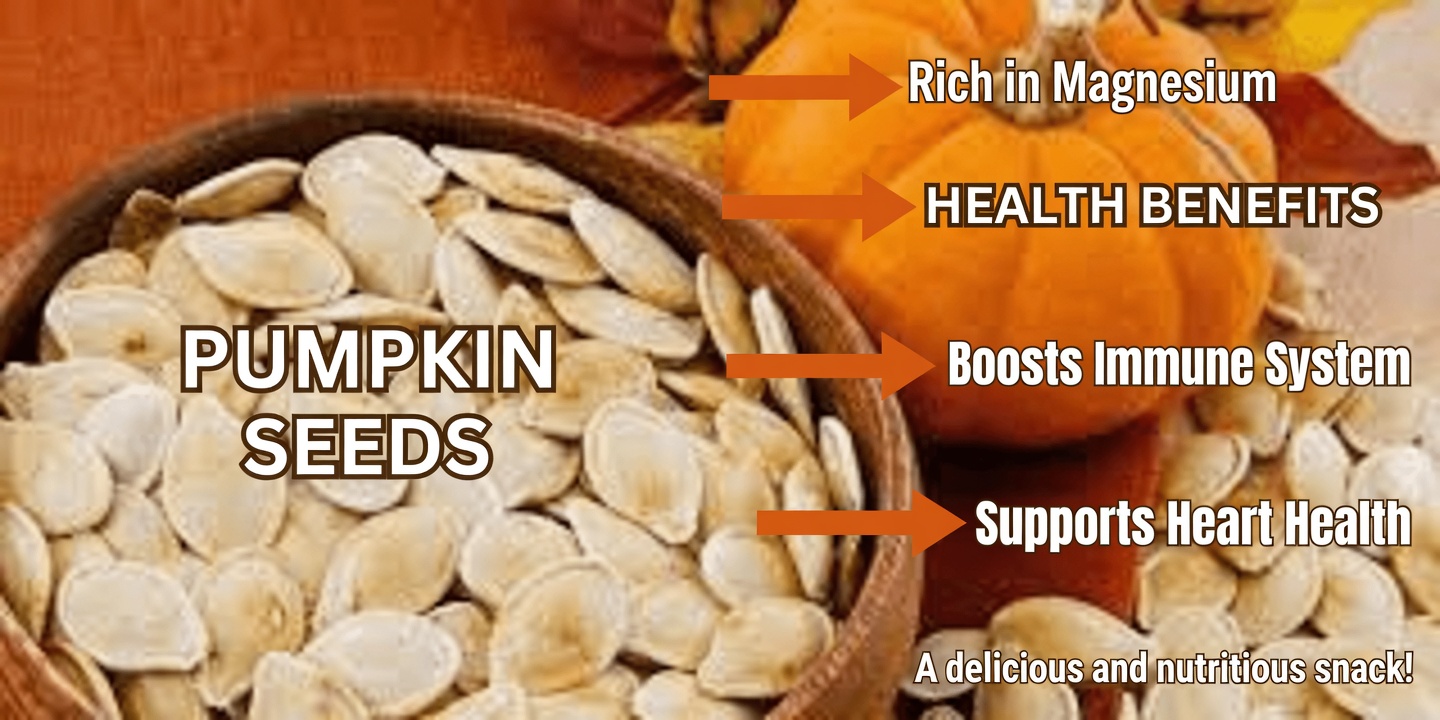
Natural Pumpkin Recipe to Support Artery Health
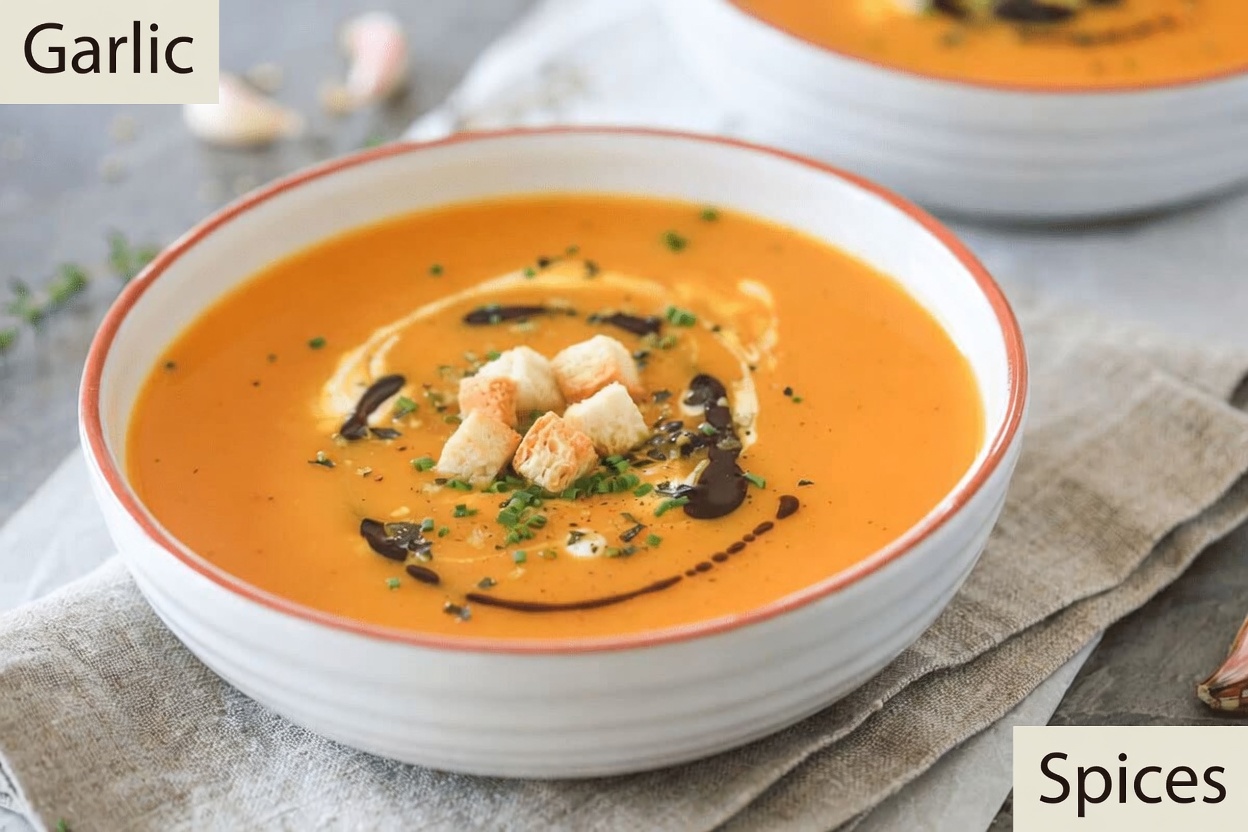
While no recipe can “clear plaque,” certain foods are associated with better long-term vascular support. This warm pumpkin cream combines pumpkin with ingredients commonly used in Mediterranean-style eating.
Ingredients
- 1 cup cooked pumpkin
- 1 small garlic clove
- 1 tablespoon extra virgin olive oil
- Water (as needed)
Preparation
Blend into a smooth cream and enjoy warm.
Frequency
- 2 times per week
- Preferably at dinner
Why it may help: Pumpkin’s antioxidants plus garlic and olive oil support circulation and help maintain artery-friendly nutrition patterns.
How Long Until You May Notice Results?
Because nutrition works gradually, it can feel slow when you want quick relief from fatigue or worry about cholesterol and artery health. Many people may notice early changes in 2–3 weeks, with more stable benefits in 2–3 months, especially when consistent fiber intake is paired with an overall balanced diet.
Common Mistakes When Using Pumpkin for Health Goals
To avoid undermining pumpkin’s benefits, try not to:
- Fry pumpkin or load it with oil
- Add sugar, syrups, or sweetened condensed ingredients
- Eat oversized portions that don’t fit your overall plan
- Use pumpkin as a substitute for prescribed medications
- Pair it frequently with refined flours (pastries, white bread, sugary baked goods)
Who Should Be Cautious?
Pumpkin is generally safe, but extra care is wise if you:
- Have uncontrolled blood sugar and are adjusting your diet
- Have kidney issues (pumpkin contains potassium)
- Follow a strict low-carb approach and need to manage portions carefully
Consult a qualified health professional if you’re unsure how pumpkin fits your needs.
Tips to Get More Benefit From Pumpkin (Without Making Life Harder)
Pumpkin works best as part of a broader routine that supports metabolic and heart health:
- Build meals around vegetables, legumes, and high-fiber foods
- Reduce added sugars and trans fats
- Stay physically active most days
- Drink enough water
- Prioritize sleep to support appetite and glucose regulation
An Unexpected, Easy Way to Use Pumpkin Daily
If you want a no-fuss upgrade: add plain pumpkin puree to savory dishes—such as soups, stews, or sauces—to make them creamier without heavy cream or added sugar. It’s a simple way to increase fiber and antioxidants while keeping meals satisfying and practical.