
Beetroot Juice: Real Benefits Behind the Hype (Without Miracle Claims)
It’s easy to get pulled in by viral posts suggesting beetroot juice can “destroy cancer cells” or reverse years of health issues almost overnight. When you’re already anxious about family history, persistent fatigue, or unexplained symptoms, those promises can feel reassuring—until nothing changes and the worry returns even stronger.
The truth is more grounded (and more useful): beetroot juice can provide credible, science-supported wellness benefits you can apply today—especially for antioxidant support, circulation, and everyday inflammation management.

Why Beetroot Juice Is Worth Adding to Your Routine
Beetroot juice stands out for its concentration of betalains, the pigments responsible for beetroot’s deep red color. These compounds act as powerful antioxidants, helping your body manage daily oxidative stress.
Another key feature is its natural dietary nitrates, which your body can convert into nitric oxide—a molecule linked with improved blood flow, circulation, and vascular function. Together, these components help explain why beetroot juice is often used as a steady, practical support when you feel run-down.
Beyond that, beetroot offers gentle nourishment from nutrients such as:
- Folate (cell and tissue support)
- Potassium (fluid balance and muscle function)
- Vitamin C (immune and antioxidant roles)
Rather than delivering “instant fixes,” beetroot juice tends to work best as a consistent daily habit.
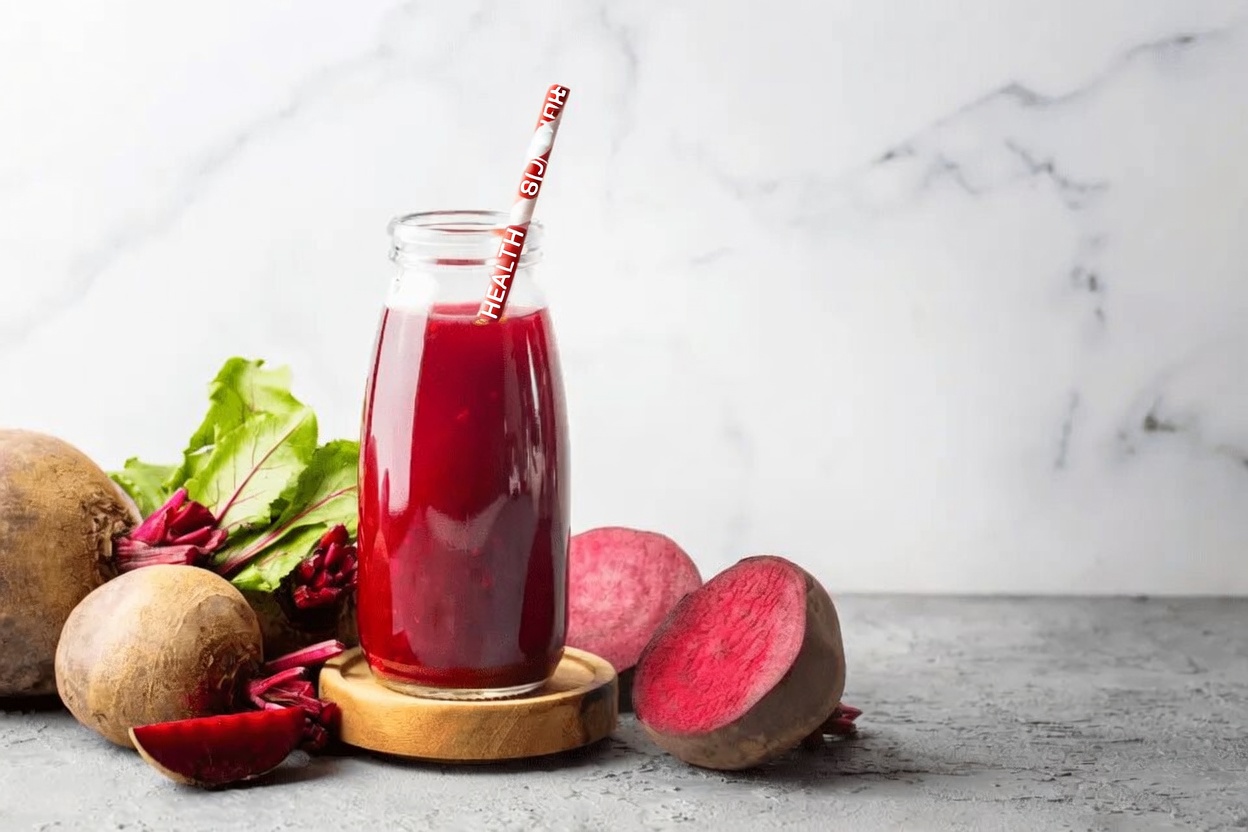
What Research Really Says About Beetroot Juice and Cancer
Beetroot juice is not a cure for cancer—and no responsible research claims it is. However, certain findings explain why it continues to attract scientific interest.
- In lab studies (test tubes), beetroot compounds—particularly betalains—have shown potential to reduce oxidative damage and slow growth of some cancer cell lines under controlled conditions.
- In animal studies, beetroot’s antioxidant and anti-inflammatory effects sometimes appear protective.
- In human research, evidence is still limited and tends to focus on beetroot juice as a supportive food, not a treatment.
Where beetroot juice can be meaningful is in helping strengthen the body’s built-in defenses, such as:
- Supporting antioxidant capacity
- Contributing to inflammation control, which can reduce long-term cellular stress
Key compounds in beetroot juice
- Betalains: Antioxidant pigments that help combat free radicals
- Nitrates: Support circulation and oxygen delivery through nitric oxide production
- Fiber (in whole beets or blended pulp): Supports digestion and elimination pathways
Nutrition research commonly frames beetroot juice as a functional food—helpful as part of an overall lifestyle, not as a standalone solution.

Digestive Support: When Your Stomach Feels “Off”
Ongoing digestive discomfort—like bloating, irregular bowel movements, or heaviness after meals—can quietly affect your energy and mood. Beetroot juice may help in a few practical ways:
- Promoting blood flow to digestive tissues (via nitrates)
- Offering compounds that may help reduce mild inflammation
- Supporting regularity when you include pulp or choose whole-beet blends (for fiber)
If your stomach is sensitive, start gently:
- Dilute beetroot juice with water to reduce intensity
- Begin with smaller servings before increasing
Some research suggests beetroot can have prebiotic-like effects, helping nourish beneficial gut bacteria and encouraging a calmer digestive environment over time.
Beetroot Juice and Blood Sugar: A More Balanced Strategy
Blood sugar ups and downs can leave you tired, irritable, and concerned about long-term metabolic health. Beetroot juice does contain natural sugars, but it also provides antioxidants and nitrates that may support:
- Insulin sensitivity
- Metabolic function
- A healthier post-meal glucose response when used alongside balanced meals
The key is portion size and context. A practical range for most people is 4–8 ounces (120–240 ml) per day. If you’re using whole beets (or blended juice with pulp), the fiber can slow sugar absorption, which may reduce the chance of a sharp spike.
Ways to use beetroot juice more wisely for blood sugar stability
- Dilute it with water or add lemon
- Pair it with meals that include protein and/or healthy fats
- Track your personal response—metabolism varies widely between individuals
Liver Support: Steady, Everyday Protection (Not a “Cleanse”)
Your liver constantly filters and processes substances your body doesn’t need. When it’s under strain, people often report issues like persistent fatigue or dull-looking skin—though symptoms can have many causes.
Beetroot juice may support liver health because betalains and related compounds can help:
- Reduce oxidative stress in liver tissue
- Promote a healthier inflammatory balance
- Support the body’s natural processing pathways
Some studies on metabolic health (including non-alcoholic fatty liver concerns) suggest beetroot intake may help improve certain markers when combined with overall healthy eating. The best way to view beetroot juice is not as a dramatic detox product, but as consistent nutritional support.
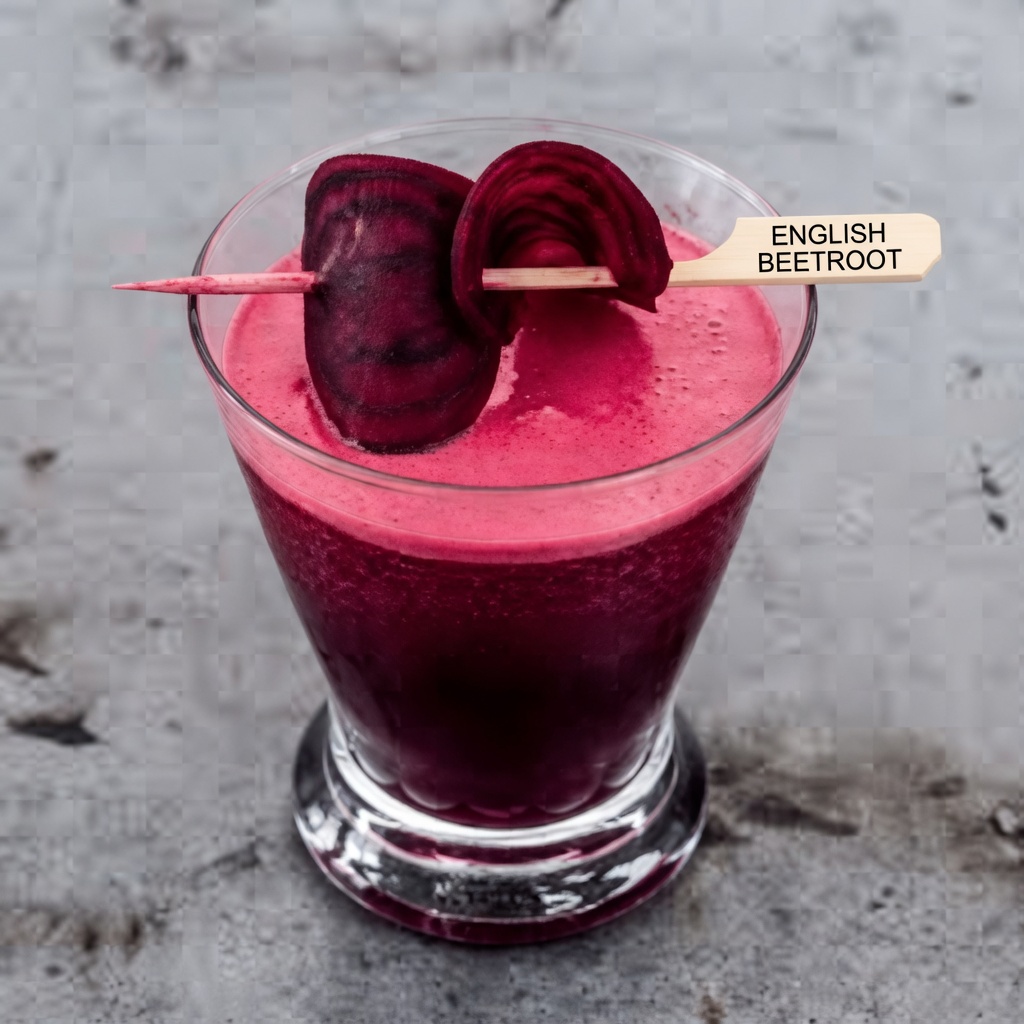
How to Use Beetroot Juice Daily (Simple, Realistic Tips)
To get benefits without feeling overwhelmed, keep it easy and repeatable:
- Choose fresh beets or 100% pure beetroot juice with no added sugar.
- Start small: 4 ounces, ideally diluted with water or mixed with apple/carrot for a smoother taste.
- Drink it mid-morning or after exercise, when many people find it easiest to tolerate.
- Take it with food—especially meals containing protein or healthy fats.
- Check in after two weeks and note changes in energy, digestion, and mood.
Good to know: Fresh beet juice stains easily—use gloves when juicing. Pink or reddish urine/stool (beeturia) can happen and is usually harmless.
The Bottom Line
Beetroot juice won’t cure cancer or replace medical treatment, but it can deliver meaningful, realistic benefits:
- Antioxidant support
- Improved circulation
- Gentle help for digestion, blood sugar balance, and liver function
Used consistently and thoughtfully, beetroot juice becomes a reliable part of a wellness routine—built on evidence, not exaggerated promises.
FAQ
Can beetroot juice replace cancer treatment?
No. Beetroot juice may support general nutrition and antioxidant defenses, but it cannot replace doctor-guided cancer care.
Is beetroot juice safe for people with diabetes?
Often yes, in moderation, but responses vary. Monitor blood sugar and consult a healthcare professional for personalized guidance.
How much beetroot juice should I drink per day?
A common, research-aligned range is 4–8 ounces (120–240 ml) daily, preferably starting on the lower end and adjusting gradually.