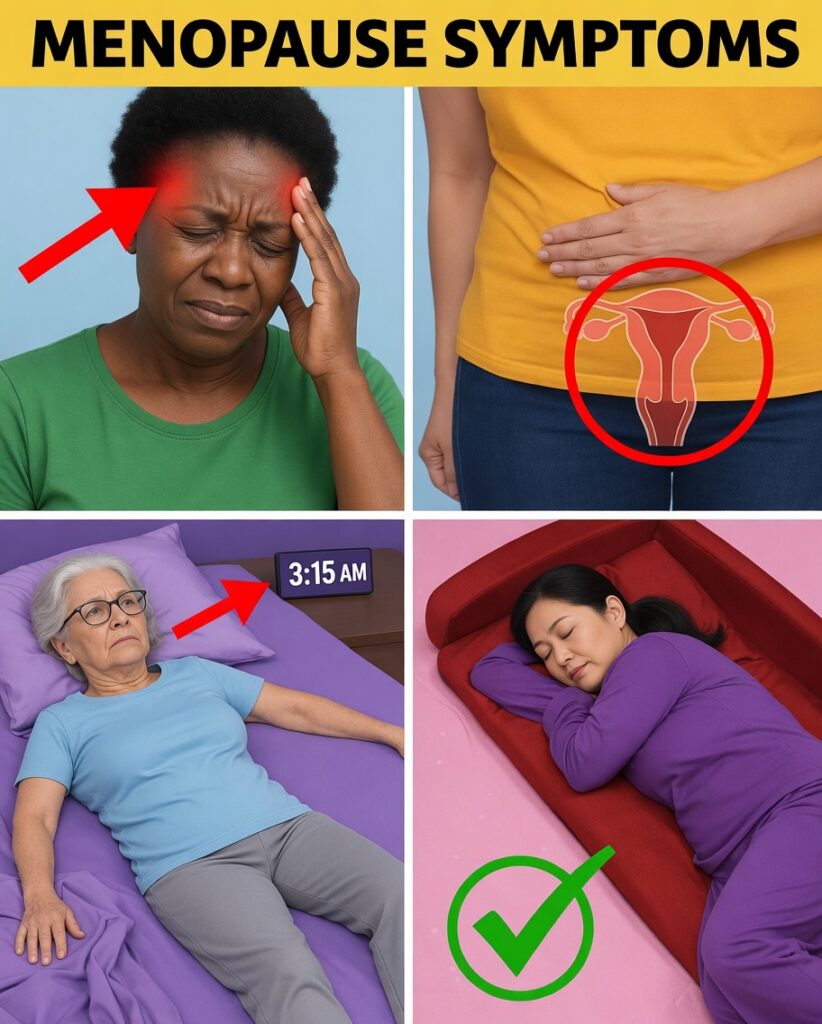
Waking up drenched in sweat or finding yourself snapping at the people you care about can feel unsettling—especially when you can’t tell whether it’s “just stress” or something deeper. These sudden shifts can disrupt your sleep, work, and relationships, turning normal routines into a daily grind and leaving you depleted without a clear reason.
The good news: when you can recognize the signs of menopause, you’re far more likely to feel prepared—and in control. Stay with this guide to the end for a simple, often-missed tip that can make these changes easier to manage.
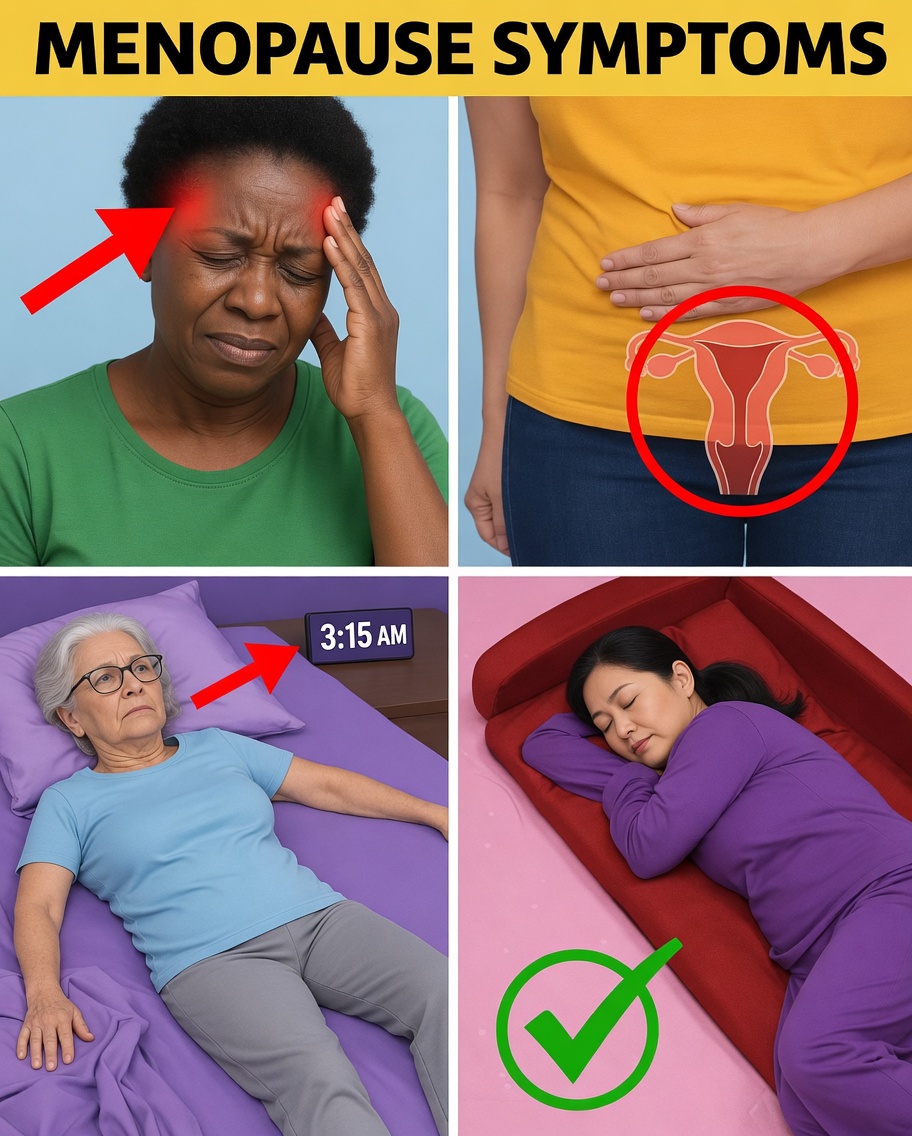
The Hidden Disruption Menopause Can Create
During menopause, changing levels of estrogen and progesterone can throw off your body’s usual rhythm. Many women feel frustrated or alone when symptoms—like unexpected waves of heat—appear out of nowhere. It’s common to brush these experiences off as “normal aging,” but ignoring them can increase the emotional load and make you feel unlike yourself.
Organizations such as the North American Menopause Society have long noted that these symptoms affect most women, yet they’re still not discussed enough. Simply identifying menopause symptoms early can reduce the sense of chaos and help you respond sooner.
Hormonal dips don’t just influence temperature regulation—they can impact energy, mood, stress tolerance, and confidence, creating a ripple effect across your entire day. When others don’t understand what’s happening, it can feel even more isolating. Research also suggests that menopause-related hormonal shifts may heighten stress sensitivity, making small irritations feel much bigger than they used to.

9 Signs of Menopause You Shouldn’t Ignore
Each menopause symptom can affect your health and well-being in a different way. Below are nine common signs of menopause, starting with the more familiar and moving toward the ones many women don’t expect.

9. Night Sweats That Soak Your Sheets
Waking up suddenly with drenched pajamas and wet sheets can leave you cold, uncomfortable, and wide awake—making it harder to fall back asleep and harder to function the next day. Night sweats are strongly linked to hormonal changes that interfere with the body’s temperature control.
A report in the Journal of Women’s Health suggests that a large proportion of menopausal women experience this symptom. Many find relief by choosing breathable bedding and lightweight sleepwear, and by keeping the bedroom cooler.
8. Mood Swings That Feel Out of Your Hands
You may feel emotionally steady one minute—and then a minor inconvenience triggers anger, sadness, or tears the next. These mood swings during menopause can lead to guilt, misunderstandings, and feeling disconnected from the people around you.
Hormones can influence brain chemicals such as serotonin, which affects mood regulation. Research published in Menopause links emotional shifts to estrogen variability. A practical starting point is to track triggers (sleep loss, caffeine, conflict, schedule overload) so patterns become easier to manage.
7. Brain Fog That Makes You Doubt Yourself
Forgetting why you walked into a room or losing your train of thought mid-task can feel embarrassing—especially at work or during important conversations. This “brain fog” is a common menopause complaint, and some evidence suggests estrogen decline may influence cognitive performance in certain women.
A study discussed in Neurology highlights a connection between menopause transition and changes in memory or focus. Many women benefit from mental stimulation (puzzles, learning new skills, reading) and building routines that reduce mental overload.
6. Irregular Periods That Keep You Guessing
If your cycle used to be predictable, an erratic period schedule can be unnerving. Longer cycles, shorter cycles, heavier bleeding, lighter bleeding, or skipped months are all common in perimenopause, when ovulation becomes less consistent.
An Obstetrics & Gynecology overview explains how hormonal variability drives these cycle changes. Using a simple app or calendar to track your periods and symptoms can help you see what’s typical for your body and recognize when something seems off.

5. Hot Flashes That Arrive Without Warning
A sudden surge of heat—often with flushing, sweating, or a racing heart—can hit during a meeting, while traveling, or in the middle of a conversation. Hot flashes are one of the best-known menopause symptoms and are widely associated with hormonal shifts, including fluctuating estrogen.
The Mayo Clinic notes how common and disruptive they can be. Helpful strategies may include layered clothing, cool drinks, hydration, and identifying triggers such as alcohol, spicy food, or overheated spaces.
4. Sleep Problems That Leave You Running on Empty
Even when you’re exhausted, menopause can make sleep feel elusive. You may struggle to fall asleep, wake frequently, or wake too early and can’t return to rest. Over time, poor sleep can worsen mood, concentration, and resilience.
Research in Sleep Medicine links hormonal changes—especially declining estrogen—to sleep disruption. Many people see improvements with a consistent wind-down routine, lower evening screen time, and calming habits like reading, stretching, or breathwork.

3. Weight Gain That Doesn’t Seem to Match Your Habits
Gaining weight—especially around the midsection—can feel confusing when your diet and activity haven’t dramatically changed. This is a frequent concern during menopause, when hormonal shifts can affect fat distribution and metabolic rate.
The Journal of Clinical Endocrinology discusses how menopause can influence body composition. Gentle, consistent movement (such as daily walking) and strength training can support muscle mass, which helps protect metabolism over time.
2. Fatigue That Coffee Can’t Fix
When tiredness becomes constant, it can feel like you’re moving through the day with a weighted blanket on your shoulders. Menopause-related fatigue may be tied to hormonal fluctuations, sleep disruption, stress load, or mood changes.
Studies reported in Climacteric connect menopause transition with reduced energy and increased exhaustion for many women. Short rest breaks, better sleep support, and realistic scheduling can help reduce the “always behind” feeling.
1. Vaginal Dryness That Affects Comfort and Intimacy
Vaginal dryness and discomfort during sex can be emotionally hard to talk about, yet it’s extremely common. Estrogen decline can thin and dry vaginal tissues, leading to burning, irritation, or pain—and sometimes impacting relationships and self-confidence.
Research in Menopause describes how these tissue changes develop. Many women find relief with vaginal moisturizers, lubricants, and clear communication with a partner. If symptoms persist, clinicians can also discuss additional options.

What You Can Do About Menopause Symptoms
Noticing the signs of menopause is step one. Step two is taking small, manageable actions that reduce disruption without adding stress.
Quick Relief Overview
| Symptom | Likely Driver | Potential Relief Ideas |
|---|---|---|
| Hot flashes | Estrogen fluctuations | Layered clothing, cool drinks, hydration |
| Mood swings | Serotonin and hormone shifts | Journaling, mindfulness, stress reduction |
| Brain fog | Cognitive effects of hormonal change | Brain exercises, omega-3–rich foods |
Practical steps you can start this week
- Log your symptoms daily for 2–3 weeks to spot patterns and triggers.
- Drink enough water, which may support energy, temperature regulation, and overall comfort.
- Try relaxation practices like yoga, gentle stretching, or breathwork, especially for sleep and mood support.
Lifestyle adjustments to consider
- Diet: Add phytoestrogen-containing foods (such as soy or flax) if they fit your needs; check allergies and individual sensitivities.
- Exercise: Start with 20-minute walks and gradually build consistency.
- Supplements: Some women explore options like black cohosh, but it’s best to consult a healthcare professional first.
Don’t Let Menopause Symptoms Steal Your Momentum
These nine signs of menopause—ranging from night sweats to fatigue—often signal a major body transition, not a personal failing. When you track changes and test simple strategies, it becomes easier to regain balance and confidence.
A simple, overlooked tip: treat symptom tracking like a short experiment. Choose one symptom to monitor this week and one change to try (cooler bedroom, hydration goal, a daily walk). Small data points add clarity fast.
FAQ
What are common early signs of menopause?
Early signs of menopause often include irregular periods and hot flashes. These can begin in your 40s (sometimes earlier) and may feel sudden or disruptive.
How long do menopause symptoms last?
Menopause symptoms vary widely. Many women experience symptoms for several years, depending on health factors, lifestyle, and individual hormonal patterns.
When should I see a doctor about menopause symptoms?
Consider speaking with a healthcare provider if symptoms disrupt your daily life, feel severe, or change abruptly—especially bleeding changes, intense mood symptoms, or ongoing sleep disruption.
Medical disclaimer: This article is for informational purposes only and is not a substitute for professional medical advice. Always consult a qualified healthcare provider regarding menopause concerns or treatment options.