Your kidneys work behind the scenes 24/7. These small, bean-shaped organs remove waste from the blood, keep minerals in balance, help regulate blood pressure, and maintain healthy fluid levels. However, today’s typical diet—often loaded with ultra-processed foods, excess sodium, and added sugars—can increase the workload on your kidneys over time.
The encouraging part is that everyday, nutrient-dense foods can support kidney health as part of a balanced lifestyle. No single ingredient can “detox” or “cleanse” your kidneys overnight, but foods rich in antioxidants, anti-inflammatory compounds, and fiber may help protect kidney cells and promote normal function.
Two widely discussed, budget-friendly options are garlic and apples. They’re easy to find, simple to use, and offer meaningful benefits for overall renal wellness.
Why Kidney Health Matters
Before focusing on specific foods, it helps to understand what your kidneys do and why protecting them is so important.
Healthy kidneys help your body by:
- Filtering waste products and toxins from the bloodstream
- Balancing electrolytes such as sodium and potassium
- Producing hormones involved in blood pressure control
- Regulating fluid balance to keep internal systems stable
When kidneys become strained or damaged, waste can accumulate. Over time, this may contribute to symptoms such as fatigue, swelling, and more serious long-term complications.
Nutrition plays a major role in kidney protection. Many experts recommend a diet that is low in sodium, minimally processed, and rich in antioxidant-containing whole foods to help lower inflammation and support kidney function.
That’s where kidney-friendly “superfoods” can fit in naturally.
Superfood #1: Garlic — A Natural Support for Kidney Function
Garlic has a long history of use in traditional wellness practices. Beyond its bold flavor, it contains bioactive compounds linked to cardiovascular and metabolic benefits—both closely connected to kidney health.
Key Compounds in Garlic
Garlic’s best-known compound is allicin, a sulfur-based component that forms when garlic is crushed or chopped. Allicin is widely studied for its:
- Antibacterial properties
- Anti-inflammatory activity
- Antioxidant effects
These qualities matter because oxidative stress and chronic inflammation are commonly associated with kidney tissue damage.
Potential Kidney Benefits of Garlic
Including garlic regularly in meals may help:
-
Support healthy blood pressure
High blood pressure is a major risk factor for kidney damage. Garlic is often associated with improved circulation and more relaxed blood vessels. -
Reduce inflammation and oxidative stress
Garlic’s antioxidant compounds may help lower inflammatory strain that can affect kidney tissues. -
Support heart health (which supports kidneys too)
Kidney and cardiovascular health influence each other. Supporting the heart can indirectly support kidney function. -
Promote healthier cholesterol levels
Garlic is frequently linked with improvements in LDL (“bad”) cholesterol, helping reduce vascular stress that can impact renal circulation.
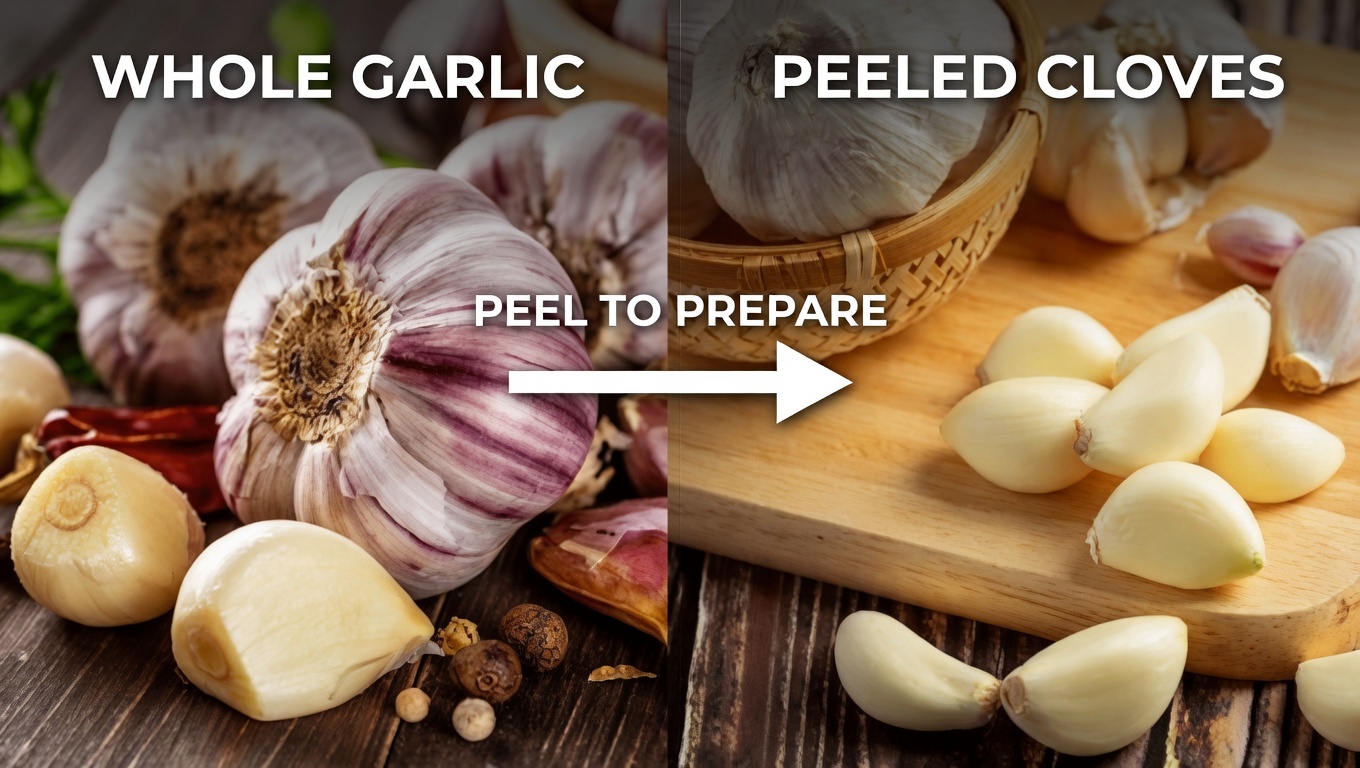
Simple Ways to Add More Garlic to Your Diet
Garlic is one of the easiest kidney-friendly ingredients to use daily:
- Mix crushed garlic with olive oil and lemon for a quick dressing
- Stir minced garlic into soups, stews, and vegetable sautés
- Roast whole cloves for a milder taste and softer texture
- Add garlic to homemade marinades, dips, or sauces
Fresh garlic is typically considered more potent than powdered versions. Using it raw or lightly cooked may help preserve more of its active compounds.
Superfood #2: Apples — A Fiber-Rich Kidney-Friendly Fruit
Apples have earned their reputation as a health-forward snack. They’re often considered kidney-friendly due to their fiber content and plant-based antioxidants that support metabolic balance.
Nutrients in Apples That May Support Kidney Health
Apples provide several compounds connected with wellness:
- Pectin (soluble fiber) to help support blood sugar and cholesterol balance
- Quercetin, an antioxidant concentrated in the peel
- Vitamin C for immune and cellular support
- Polyphenols, plant compounds that help counter oxidative stress
Together, these nutrients may help protect cells and support long-term metabolic health.
Why Apples May Benefit the Kidneys
Nutrition guidance commonly highlights apples for kidney support because they may:
-
Help with blood sugar management
Stable blood glucose matters because diabetes is a leading contributor to kidney disease risk. -
Support healthier cholesterol
Apple pectin is associated with improved cholesterol balance, helping protect blood vessels that supply the kidneys. -
Provide antioxidant protection
Apples contain antioxidants that may help neutralize free radicals and reduce oxidative pressure on kidney tissue. -
Support digestion and elimination
Fiber helps maintain gut health and promotes smoother digestive function, which can reduce overall metabolic strain.
Best Ways to Eat Apples for the Most Benefit
To maximize the nutritional value:
- Eat apples with the peel (if tolerated and properly washed)
- Add sliced apple to oatmeal, yogurt, or salads
- Blend apples into smoothies for a fiber-containing drink
- Pair with nuts or nut butter for a more balanced snack
Whole apples are generally a better choice than sugary apple juices or highly processed apple products.

How to Use Garlic and Apples Together
Garlic and apples might sound like an unusual match, but they can work well in simple meals that support a kidney-friendly eating pattern.
Kidney-Friendly Apple Garlic Salad
Ingredients:
- 1 fresh apple, sliced
- Mixed leafy greens
- Olive oil
- Lemon juice
- 1 small garlic clove, minced
This quick salad combines fiber, antioxidants, and anti-inflammatory compounds in one light dish.
Apple-Garlic Vegetable Stir-Fry
Add apple slices to a veggie stir-fry with garlic, onions, and bell peppers. The apple’s natural sweetness can balance the savory garlic flavor while adding extra fiber.
Additional Habits That Help Protect Kidney Health
Food choices matter, but kidney health is also shaped by daily routines. Helpful habits include:
- Drinking enough water (based on individual needs)
- Cutting back on excess salt and salty packaged foods
- Limiting ultra-processed meals and snacks
- Keeping blood pressure in a healthy range
- Staying physically active
- Reducing added sugar intake
Over time, a balanced eating pattern built around fruits, vegetables, lean proteins, and healthy fats is one of the most reliable ways to support kidney function.
Final Thoughts
Your kidneys work constantly to keep your body in balance—and supporting them doesn’t require extreme detox plans or expensive supplements.
Simple, consistent dietary choices can make a meaningful difference. Adding garlic and apples to your routine provides antioxidants, anti-inflammatory support, and fiber that may contribute to healthier kidney function over time.
These foods are not cures, but they can be part of a smart, sustainable lifestyle that supports kidney wellness and overall health for the long run.
Frequently Asked Questions (FAQ)
-
Can garlic help with kidney failure?
Garlic may support kidney health by helping with inflammation and blood pressure, but it is not a treatment or cure for kidney failure. It should be used as part of an overall healthy diet and medical plan. -
Are apples safe for people with kidney disease?
Apples are generally considered kidney-friendly because they provide fiber and antioxidants. That said, kidney disease often requires individualized nutrition (including potassium monitoring), so it’s best to consult a clinician or renal dietitian. -
How much garlic should I eat per day?
Many people include 1–2 fresh cloves daily as part of meals. Individual tolerance varies, and garlic may interact with certain medications, so check with a healthcare professional if needed.
Disclaimer
This content is for informational purposes only and does not replace medical advice. Always consult a qualified healthcare provider before making significant diet changes, especially if you have kidney disease or other medical conditions.