
Protein Choices for Kidney Health: 4 Best Options and 6 to Limit
Protecting kidney function often starts with what you put on your plate—especially your protein sources. Protein is vital for maintaining muscle, supporting immunity, and repairing tissues. However, for people with kidney concerns, certain proteins (and the additives that come with them) can increase the kidneys’ workload.
Below is a clear, kidney-conscious guide to four protein options to prioritize and six protein sources to limit, plus practical meal-building tips to make everyday eating easier.
Why Protein Selection Matters for Kidney Function
When your body digests protein, it produces waste products such as urea. Healthy kidneys filter these wastes efficiently. But when kidney function is reduced, waste can build up more easily—so the type and amount of protein becomes more important.
The National Kidney Foundation commonly emphasizes choosing high-quality proteins and paying close attention to phosphorus and potassium, since high levels can add extra strain for many kidney patients. The goal is to maintain good nutrition while reducing unnecessary stress on the kidneys.
4 Kidney-Friendly Proteins to Include
1. Egg Whites
Egg whites are widely considered one of the best protein choices for kidney-friendly eating. They provide complete, high-quality protein with relatively low phosphorus, making them easier to fit into many renal diet plans.
- Easy meal idea: Use egg whites in a veggie omelet, or scramble them with fresh herbs for a light, kidney-conscious breakfast.
2. Low-Phosphorus Tofu
Tofu can be a smart plant-based option, particularly varieties that are lower in phosphorus than other soy-based products. It offers solid protein quality and adapts well to many cooking styles.
- Easy meal idea: Pan-sauté tofu with ginger, garlic, and low-potassium vegetables for a balanced, simple dish.
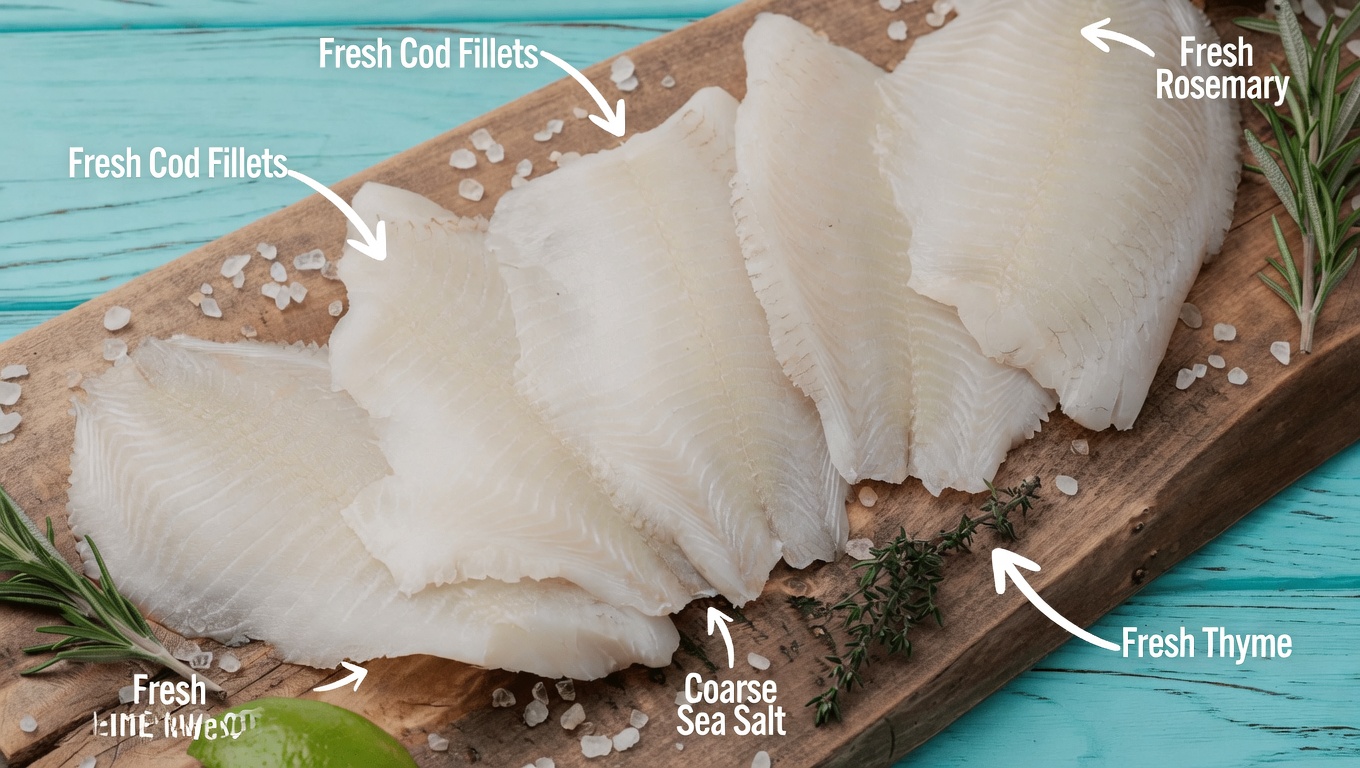
3. White Fish (Tilapia, Cod, Flounder)
White fish is a lean protein that tends to have high biological value and moderate mineral content, which may make it more manageable for kidney-focused diets. It’s also easy to digest and quick to cook.
- Easy meal idea: Bake white fish with lemon and herbs, and serve it with steamed vegetables.

4. Skinless Chicken Breast
Skinless chicken breast is a reliable, lean protein when prepared with minimal salt and without heavy sauces. It’s versatile, widely available, and fits into many kidney-conscious meal patterns.
- Easy meal idea: Grill or bake chicken breast and pair it with a simple salad or roasted vegetables.
6 Protein Sources Kidney Patients Should Limit
1. High-Phosphorus Soy Products
Soy can be nutritious, but certain options—such as soy milk or more heavily processed soy items—may contain higher phosphorus, especially when phosphate additives are included. These are better kept as occasional choices.
2. Processed Meats
Foods like bacon, sausage, hot dogs, and deli meats often contain phosphate additives and very high sodium, both of which can be problematic for kidney health.
3. Dried Legumes (Beans and Lentils)
Beans and lentils provide protein and fiber, but they can also be high in phosphorus and potassium. Many kidney patients can still enjoy them in small amounts, but portion control and preparation matter.
4. Red Meat
Red meat contains valuable nutrients, but it’s also typically higher in phosphorus and can be harder to manage in kidney-friendly meal planning. It’s often best treated as an occasional protein rather than a daily staple.
5. Full-Fat Dairy (Whole Milk, Aged Cheeses)
Many dairy products—especially full-fat milk and aged cheeses—are higher in phosphorus. For kidney patients, dairy often needs careful portioning or substitution based on lab results and clinical guidance.
6. Nuts and Seeds
Nuts and seeds are nutrient-dense, but they’re also usually very high in phosphorus. Large servings can quickly push mineral intake beyond kidney-friendly targets.
Protein Comparison for Kidney-Conscious Diets
-
Egg whites
- Biological value: High
- Approx. phosphorus: Low
- Recommendation: Prioritize
-
White fish
- Biological value: High
- Approx. phosphorus: Low–Moderate
- Recommendation: Include
-
Skinless chicken breast
- Biological value: High
- Approx. phosphorus: Moderate
- Recommendation: Good lean option
-
Low-phosphorus tofu
- Biological value: Medium–High
- Approx. phosphorus: Low
- Recommendation: Controlled plant option
-
Red meat
- Biological value: High
- Approx. phosphorus: High
- Recommendation: Limit
-
Full-fat dairy
- Biological value: High
- Approx. phosphorus: High
- Recommendation: Restrict
-
Nuts & seeds
- Biological value: Medium
- Approx. phosphorus: Very high
- Recommendation: Avoid large portions
-
Dried legumes
- Biological value: Medium
- Approx. phosphorus: High
- Recommendation: Small portions
-
Processed meats
- Biological value: Medium
- Approx. phosphorus: High
- Recommendation: Avoid
This quick comparison can make it easier to choose proteins that better support kidney health while still meeting nutrition needs.
Practical Tips for Building Kidney-Friendly Meals
-
Talk to a healthcare professional
- Kidney conditions and lab targets vary widely, so personalized guidance is essential.
-
Use simple cooking methods
- Choose baking, grilling, or steaming to reduce added sodium and unnecessary additives.
-
Pair protein with low-potassium vegetables
- Options like lettuce, zucchini, and cabbage often work well alongside kidney-friendly proteins.
-
Track your health regularly
- Routine bloodwork and follow-ups help you see how your kidneys respond to dietary changes.
-
Make changes step by step
- Start by adding one kidney-friendly protein choice per day, then build consistency over time.
Final Thoughts
Managing protein intake is a key part of supporting kidney health. By emphasizing high-quality, kidney-friendly proteins like egg whites, white fish, skinless chicken breast, and lower-phosphorus tofu—and reducing items like processed meats, red meat, full-fat dairy, nuts, and high-phosphorus soy products—you can lower strain on your kidneys while still eating well.
Sustainable progress matters more than perfection. Small, consistent adjustments can add up to meaningful long-term benefits.
FAQ: Frequently Asked Questions
1. Can I eat fish every day?
White fish is generally considered kidney-friendly when eaten in reasonable portions. Frequency should still match your overall protein goals and lab targets.
2. Are all soy products unhealthy for kidney patients?
No. Low-phosphorus tofu can work well for many people. The concern is mainly with soy products that are higher in phosphorus or contain phosphate additives.
3. How do I lower phosphorus in beans and lentils?
Soaking dried beans or lentils and discarding the soaking water can help reduce mineral content. Even so, portion size remains important.
Disclaimer
This content is for informational purposes only and is not a substitute for medical advice. Always consult a qualified healthcare professional before making significant dietary changes, especially if you have kidney disease or abnormal lab results.