Aging Eyes and Everyday Strain: Why It Happens and What Can Help
It may feel uncomfortable to say out loud, but many older adults quietly deal with tired eyes, blurred text on phones, or trouble focusing on small print at night. What starts as a minor annoyance can slowly chip away at confidence, independence, and even safety—especially when driving, walking outdoors, or navigating unfamiliar places.
The encouraging news: several common kitchen foods contain nutrients that may support eye comfort and healthy vision as you age. Toward the end of this article, you’ll also find a simple, family-style kitchen mixture that many people add to their routine as part of a balanced diet.
Why Vision Often Changes With Age
From the 50s onward, it’s common to notice increased sensitivity to light, screen discomfort, or difficulty reading fine print. These changes often reflect normal aging.
What many people miss is that daily lifestyle factors can intensify eye strain over time, making vision feel less comfortable even when no serious disease is present.
Common contributors include:
- Long stretches of phone, TV, or computer use
- Reduced tear production that can lead to dryness
- Natural age-related changes in the eye’s focusing ability
- Low intake of nutrients that help maintain eye tissues
- Fatigue, stress, and poor sleep patterns
Studies in ophthalmology and nutritional science frequently discuss how antioxidants and plant-based compounds may help support the body’s natural defenses against everyday oxidative stress—an important factor for long-term eye wellness.
That brings us to a practical point: many eye-supporting nutrients are found in foods people already keep at home.
Nutrients Commonly Linked to Eye Comfort and Vision Wellness
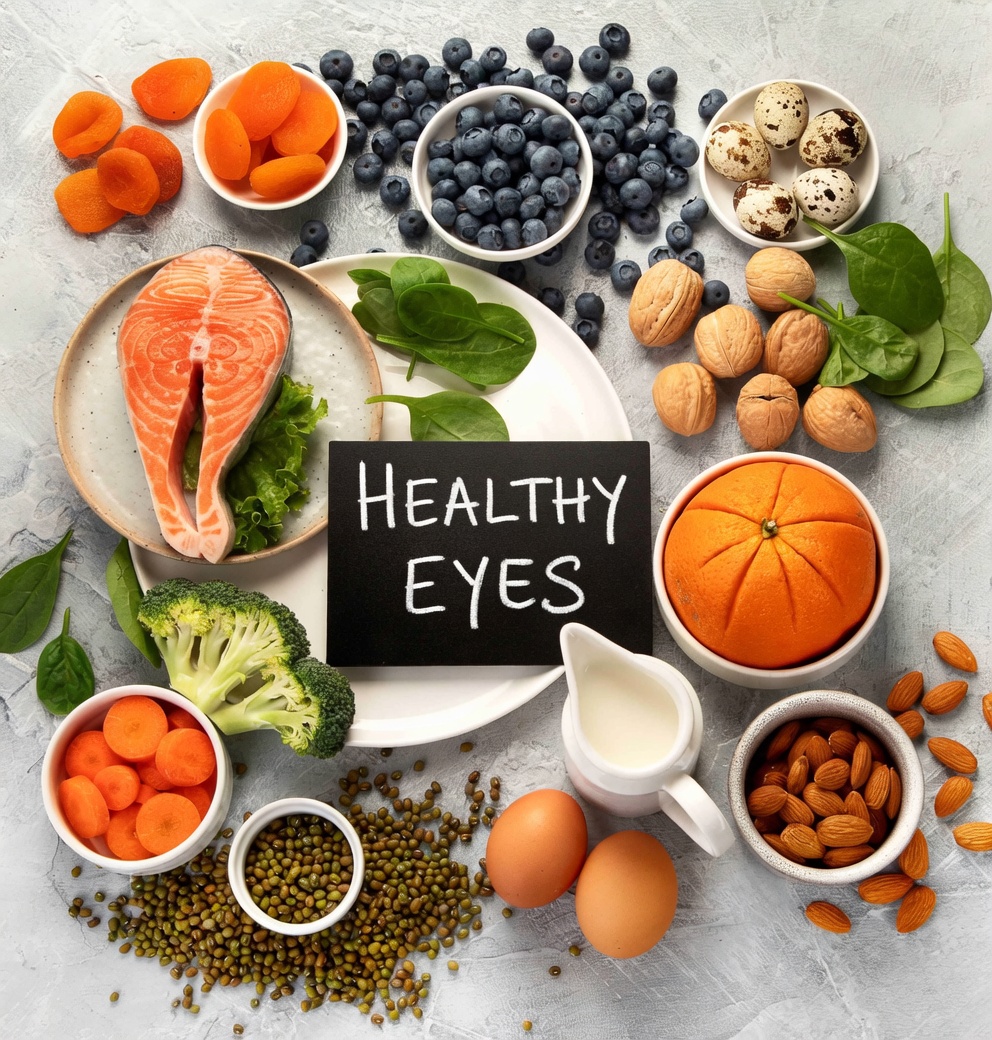
Your eyes are among the body’s most metabolically active organs, meaning they continuously depend on a steady supply of nutrients. Research on healthy vision often highlights a few key compounds.
Vitamin A
Vitamin A supports normal retinal function and contributes to normal vision, especially in low-light settings.
Common food sources:
- Carrots
- Sweet potatoes
- Leafy greens
- Pumpkin
Vitamin C
Vitamin C is a well-known antioxidant that helps protect cells from oxidative stress.
Common food sources:
- Citrus fruits
- Guava
- Papaya
- Bell peppers
Lutein and Zeaxanthin
These carotenoids are naturally present in the retina and are often discussed for their role in filtering certain light wavelengths.
Common food sources:
- Spinach
- Kale
- Corn
- Eggs
A helpful takeaway: some traditional home preparations combine multiple nutrient-rich ingredients in one simple mixture.
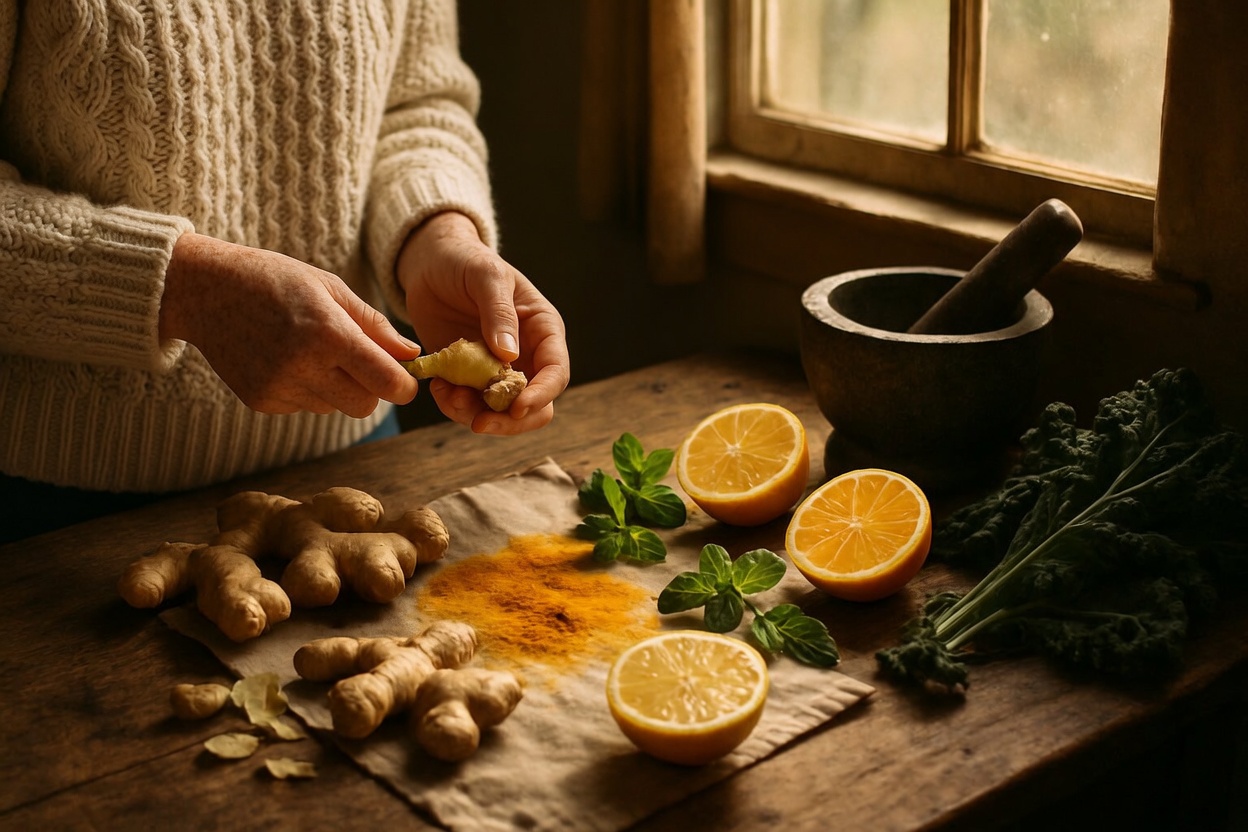
A Simple Kitchen Mixture Many People Use in Wellness Routines
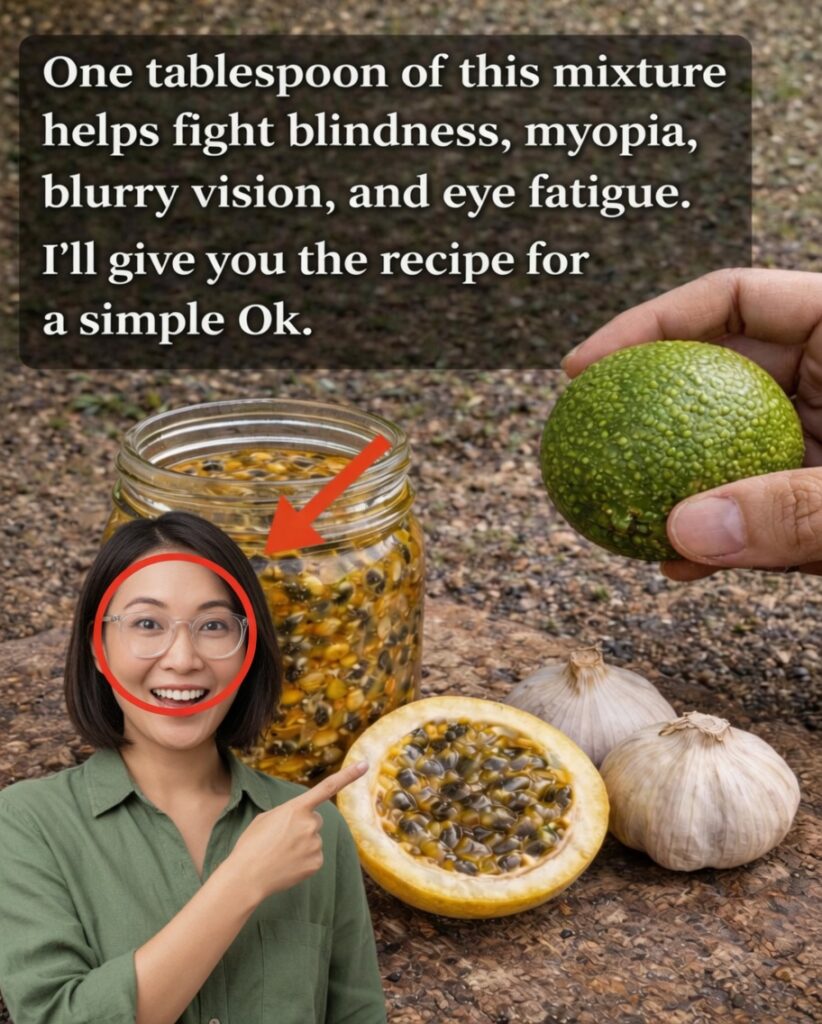
In various cultures, families prepare quick mixtures using fruit, garlic, and honey as part of everyday nutrition habits. The example often shown in images includes ingredients known for their naturally occurring antioxidants and plant compounds.
Ingredients commonly used in similar mixtures:
- Passion fruit
- Citrus (such as lime)
- Garlic
- Honey
These foods have been widely discussed in nutrition research:
- Garlic contains sulfur-based compounds often associated with cardiovascular and circulation support.
- Citrus fruits contribute vitamin C.
- Passion fruit provides polyphenols and carotenoids.
- Honey contains natural antioxidants and can help preserve homemade blends.
Important note: these are nutritious foods, not medical treatments. They can complement a healthy diet, but they do not replace professional eye care or prescribed therapies.
Quick comparison: foods often associated with eye-supporting nutrients
- Carrots — beta carotene — supports vitamin A availability
- Citrus fruits — vitamin C — antioxidant protection for cells
- Leafy greens — lutein & zeaxanthin — associated with retinal wellness
- Passion fruit — polyphenols — antioxidant compounds
- Garlic — sulfur compounds — linked to circulation support
The main idea is not a “miracle” ingredient, but consistent nutrition from a range of whole foods.
How to Make a Simple Nutrient-Rich Mixture at Home
If you enjoy food-based routines, this is a straightforward preparation many people try alongside a balanced diet.
- Cut two passion fruits and scoop the pulp into a clean glass jar.
- Add one spoon of natural honey.
- Squeeze in half a lime.
- Finely crush one small garlic clove.
- Stir gently, seal, and store in the refrigerator.
How people commonly use it:
- Add a small spoon to yogurt
- Mix into warm water
- Spoon over fruit bowls
Reminder: this is a food preparation, not a substitute for medical advice, diagnosis, or treatment.
Daily Habits That Can Reduce Eye Fatigue
Nutrition helps, but eye comfort is strongly shaped by routine behaviors—especially screen habits and hydration.
Try these practical steps:
- Use the 20-20-20 rule
- Every 20 minutes, look about 20 feet away for 20 seconds to relax focusing muscles.
- Keep screens at a healthy distance
- Phones are often recommended around 40–50 cm from your eyes.
- Improve lighting
- Dim lighting forces your eyes to work harder, especially for close-up reading.
- Blink more intentionally
- Blinking supports moisture and can reduce dryness during screen time.
- Stay well-hydrated
- Tear production depends on adequate hydration.
A reality many eye professionals emphasize: small daily habits, repeated consistently, can matter more than any single food.
When to See an Eye Professional
Whole foods can support general health, but certain symptoms should always be evaluated by an eye care professional:
- Sudden changes in vision
- Ongoing blurred vision that doesn’t improve
- Eye pain
- Flashes of light or new dark spots/floaters
- Strong or worsening light sensitivity
Early assessment can make a meaningful difference and may help prevent complications.
Final Thoughts
Many older adults assume eye discomfort is simply something they must “live with.” In reality, balanced nutrition, better screen habits, hydration, and regular eye exams can support overall eye wellness and may reduce day-to-day strain over time.
Foods such as citrus fruits, leafy greens, honey, and passion fruit contribute valuable nutrients to a healthy diet. Combined with practical lifestyle habits and timely checkups, these choices can help your eyes feel more comfortable as the years go on.
Frequently Asked Questions
Can food alone improve eyesight?
A nutrient-rich diet supports eye health, but it cannot replace prescription glasses, corrective lenses, or professional eye care when needed.
How often should older adults have an eye exam?
Many specialists suggest a comprehensive eye exam every 1–2 years for adults over 60, or sooner if symptoms appear.
Is a natural mixture safe to take every day?
Food-based mixtures are often fine in moderation for healthy adults, but anyone with allergies, digestive issues, medication concerns, or medical conditions should speak with a healthcare professional first.
Medical Disclaimer
This article is for educational purposes only and does not replace professional medical advice, diagnosis, or treatment. Always consult a qualified healthcare professional regarding concerns about your vision or overall health.