
Forgetting Names After 50? One Overlooked Sleep Habit May Be Quietly Affecting Your Memory
Have you ever met someone, heard their name, and then—minutes later—felt a wave of embarrassment because it vanished from your mind? Many people shrug it off and assume it’s simply “getting older.” But there’s a lesser-known possibility: a small, automatic habit you repeat every night could be influencing your memory, mental sharpness, and next-day clarity.
One surprisingly common sleep habit is often missed by older adults, and understanding it may change how your brain rests—and how well it functions.

Why Sleep Matters More Than You Think (Especially After 50)
Good sleep isn’t only about waking up refreshed. While you sleep, your brain is busy doing critical maintenance—processing information, strengthening memory, and clearing out waste that builds up during the day.
Studies increasingly connect broken or low-quality sleep with:
- More frequent everyday forgetfulness
- Slower recall and reduced mental clarity
- Higher risk of long-term cognitive decline as we age
Sleep challenges also become more common after age 50, which means the brain may not get enough uninterrupted time to complete its nightly “reset.”
And here’s the key point: it’s not only how many hours you sleep—it’s also how you sleep.

The Brain’s Nightly “Cleaning System” That Works Best During Deep Sleep
Researchers have identified a waste-clearance network in the brain often called the glymphatic system. You can think of it as a built-in overnight rinse cycle—helping flush out toxins that accumulate while you’re awake. This system appears to perform best when sleep is deep and stable.
A simplified look at how sleep stages may support this process:
- Light sleep: moderate support
- Deep sleep: strongest support
- REM sleep: moderate support
What many people don’t realize is that sleep posture may influence how efficiently this system works. Emerging research suggests side sleeping may encourage better fluid flow around the brain compared with sleeping on your back or stomach.
This matters even more for adults over 60, when sleep tends to become lighter and more fragmented.
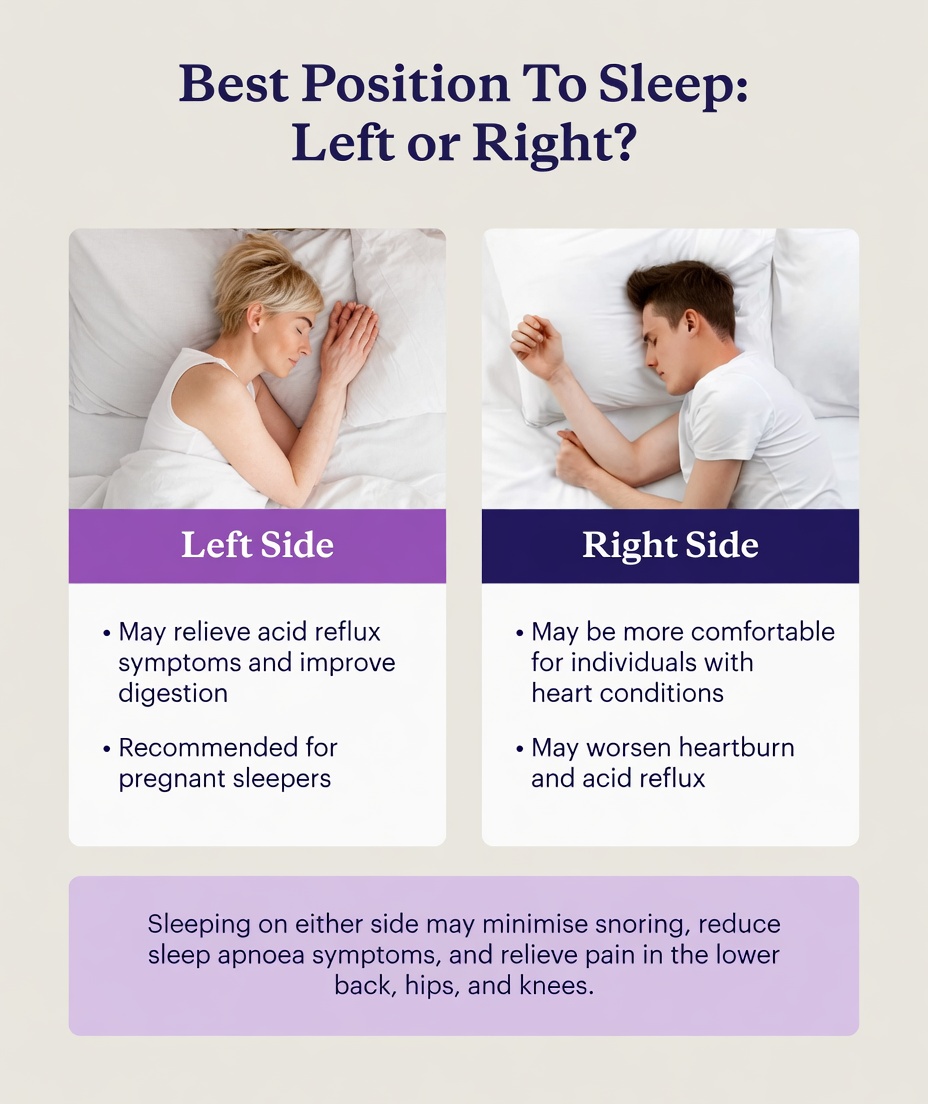
Side Sleeping: A Brain-Friendly Position Many Seniors Don’t Prioritize
Not all sleep positions support sleep quality equally. Many older adults drift into back sleeping because it feels easy and familiar—but comfort doesn’t always equal best results for breathing, snoring, or brain recovery.
A practical comparison:
- Back sleeping: often comfortable, but may increase snoring and breathing interruptions
- Stomach sleeping: can strain the neck and spine; usually not ideal long-term
- Side sleeping: commonly linked to steadier breathing and potentially better brain waste clearance
Side sleeping may help by:
- Supporting more effective waste removal from brain tissues
- Reducing snoring and nighttime breathing disruptions
- Helping maintain healthier oxygen flow during sleep
Still, changing a sleep position you’ve used for decades can feel frustrating at first. The goal is progress—not perfection.

How to Transition Toward Better Sleep Starting Tonight
1. Use Pillows to Make Side Sleeping Easier
Place a firm pillow between your knees to keep hips and spine aligned. Many people find this instantly improves comfort and reduces lower-back tension.
2. Try a Slight Incline if Breathing Is an Issue
If you snore or wake up feeling congested, gently elevate your head with a wedge pillow or supportive cushion. A small incline can improve airflow and make side sleeping feel more natural.
3. Build a Simple Wind-Down Routine
Help your brain shift into sleep mode:
- Stop screens about 30 minutes before bed
- Dim lights in the evening
- Consider a calming herbal tea like chamomile
These cues teach your nervous system that it’s time to power down.
4. Keep Your Sleep Schedule Consistent
A regular bedtime and wake time supports stable sleep cycles, which may help the brain’s nighttime “cleaning” work more efficiently.
Small changes can add up quickly—many older adults notice deeper, more restorative sleep within just a few nights.

Movement Matters: Don’t Ignore Daytime Activity
Sleep improvements work best when paired with gentle daytime movement. Physical activity supports brain and body health by:
- Boosting blood flow to the brain
- Improving nighttime sleep quality
- Supporting mood, energy, and resilience
Easy options include:
- Short outdoor walks
- Light stretching or yoga
- Simple chair-based exercises
Research consistently links regular movement with better cognitive health as we age.
Quick Checklist: Better Sleep for Better Memory
- ☐ Aim to sleep on your side most nights
- ☐ Use knee and head support with pillows
- ☐ Reduce screen time before bed
- ☐ Add gentle daytime movement
- ☐ Keep a consistent sleep schedule
Even modest adjustments can lead to noticeable differences in how you feel—and how clearly you think—each morning.
Frequently Asked Questions (FAQ)
Q1: Do I need to sleep on my side every single night?
No. However, making side sleeping your default position may support more stable breathing and potentially help the brain’s waste-clearance process work more efficiently.
Q2: What if side sleeping feels uncomfortable?
Start gradually and make it easier with supportive pillows (between knees, behind the back, under the head). A slight incline can also help you adjust, especially if snoring or breathing interruptions are a concern.
Q3: Can improving sleep really support memory?
Quality sleep supports brain processes that strengthen memory and clear waste products. Many older adults report better focus, clearer thinking, and improved recall after upgrading their sleep habits.
Disclaimer
This article is for informational purposes only and does not replace medical advice. For personal guidance—especially if you have sleep apnea, chronic insomnia, or memory concerns—consult a qualified healthcare professional.