
Sage Leaves (Salvia officinalis): Benefits, Uses, and Safety Tips
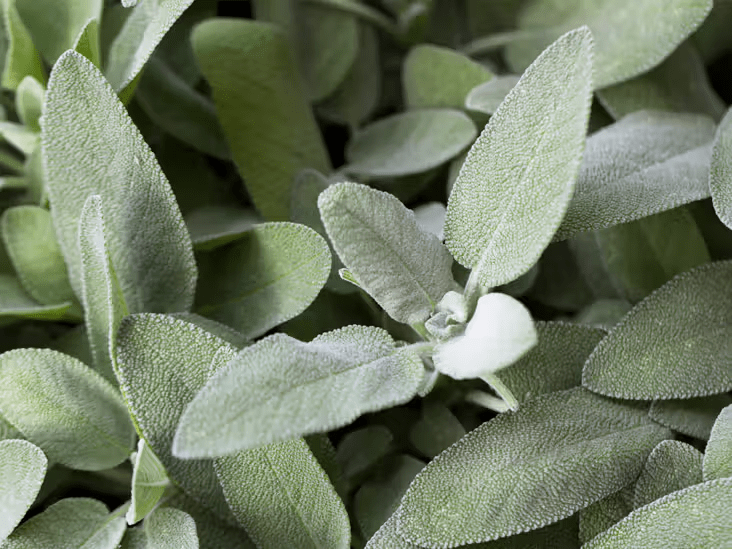
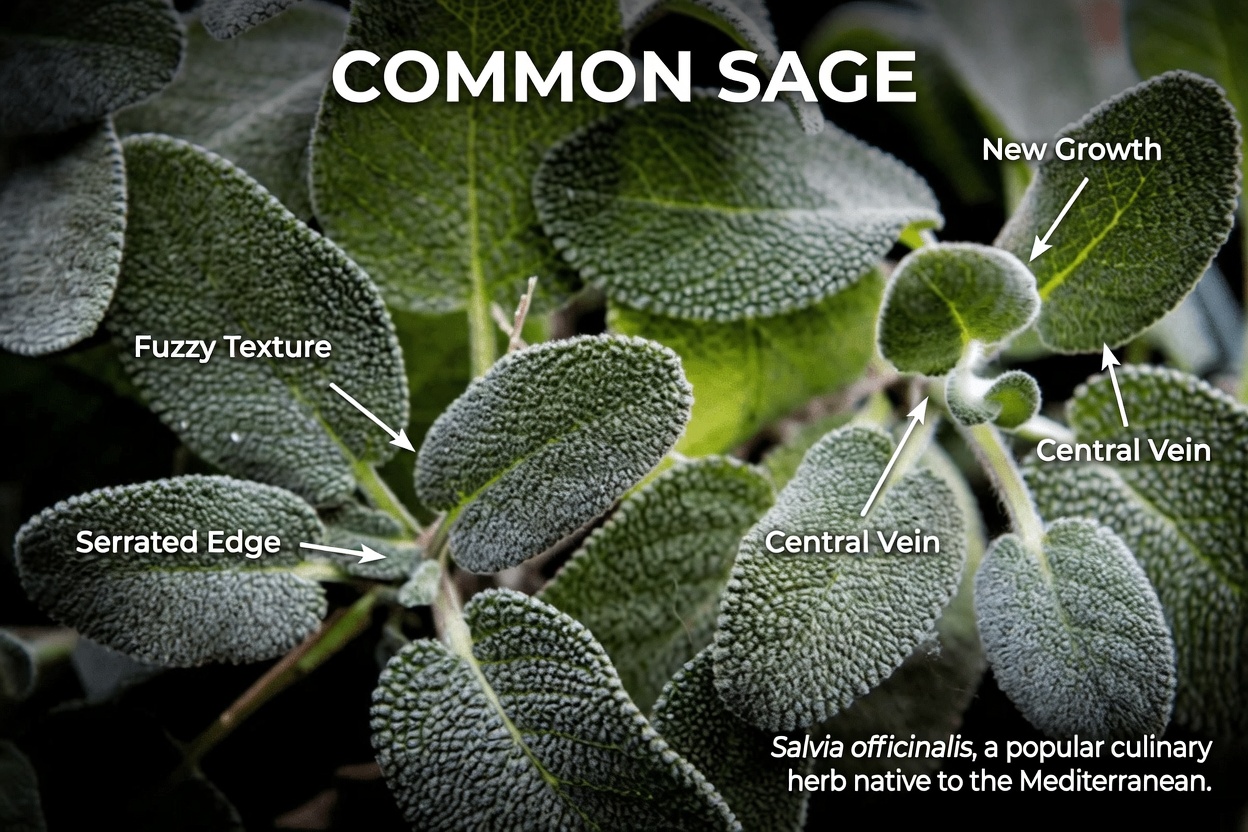
Sage leaves (Salvia officinalis) have a long history in both traditional healing and global cuisine. Native to the Mediterranean region, this fragrant herb is far more than a seasoning: sage is naturally rich in plant compounds linked to digestion support, cognitive health, and women’s wellness. Today, its reputation is reinforced by both centuries of use and a growing body of scientific interest.

Why Sage Leaves Are Considered So Beneficial
The strength of sage comes from its dense concentration of bioactive compounds. Its leaves contain essential oils, flavonoids, phenolic acids, tannins, and antioxidants—elements that contribute to sage’s characteristic aroma and its wellness potential.
Key compounds often associated with sage’s effects include:
- Rosmarinic acid
- Cineole
- Thujone
- Tannins
- Flavonoids
Together, these components are widely studied for their antioxidant, anti-inflammatory, antimicrobial, and digestive-supporting properties.
Top 10 Health Benefits of Sage Leaves
1. Supports Comfortable Digestion
Sage tea and herbal infusions are commonly used to ease indigestion, reduce gas and bloating, and encourage normal digestive flow by supporting gastric activity.
2. Helps Manage Menopause Discomfort
Sage is frequently used to reduce menopause-related concerns such as hot flashes, night sweats, and mood changes like irritability.
3. Encourages Relaxation and Better Sleep
Thanks to its soothing aroma and calming profile, sage may help promote relaxation, making it a supportive option for winding down and improving sleep quality.
4. Supports Memory and Cognitive Performance
Studies suggest that sage extracts may aid memory, focus, and overall brain function, making it a popular herb for mental clarity.
5. Promotes Natural Hormonal Balance
Certain phytonutrients in sage are traditionally used to support menstrual regularity and help reduce monthly discomfort.
6. Provides Antimicrobial and Antiviral Support
Sage is known for properties that may help combat bacteria and viruses, which is why it’s often used for sore throats, mild mouth infections, and seasonal colds.
7. Helps Reduce Excess Sweating
In traditional practice, sage has been used to help control hyperhidrosis (excess sweating), including night sweating.
8. Supports Oral Hygiene and Gum Comfort
Used as a rinse or gargle, sage may help ease gum inflammation, reduce bad breath, and soothe minor mouth sores.
9. Supports Gentle Detox Pathways
Sage is sometimes valued for mild diuretic effects, which can support natural fluid balance and kidney function.
10. Strengthens the Body’s Natural Defenses
With high antioxidant content, sage helps protect cells from oxidative stress and supports overall immune resilience.
Simple, Practical Ways to Use Sage Leaves
Below are easy methods to incorporate sage into daily routines—whether for wellness or self-care.
1. Sage Tea (Herbal Infusion)
Ingredients
- 1 tablespoon fresh or dried sage leaves
- 1 cup boiling water
Directions
- Pour boiling water over the leaves.
- Steep for 5–10 minutes, then strain.
- Enjoy 1–3 cups per day as needed.
2. Sage Mouthwash (Herbal Rinse)
Brew a stronger infusion, allow it to cool fully, then use it as a natural rinse after brushing to refresh the mouth and support gum comfort.
3. Relaxing Sage Bath
Add a few cups of sage leaves (or a strong sage infusion) to warm bathwater and soak to help ease tension and promote relaxation.
4. Sage Poultice for Minor Skin Irritation
Crush fresh sage leaves and apply to areas such as insect bites or mild skin irritation as a traditional, plant-based comfort remedy.
5. Sage Tincture
Soak sage leaves in alcohol for 2–3 weeks, then strain. Use only small amounts and for targeted wellness goals.
Sage in the Kitchen and Home
Sage is also widely appreciated for its culinary versatility. Its warm, earthy flavor pairs well with:
- Roasted vegetables
- Soups and sauces
- Meat dishes and savory fillings
Beyond cooking, dried sage can be used to infuse oils and vinegars, or placed in small sachets to naturally freshen drawers and cabinets.
Precautions Before Using Sage Therapeutically
Sage is generally safe in typical food amounts, but higher-dose or long-term use deserves caution:
- Avoid prolonged high-dose use without medical guidance.
- Not recommended for pregnant or breastfeeding individuals.
- People with hormone-sensitive conditions or epilepsy should consult a healthcare professional, particularly due to thujone content.
Final Thoughts
Sage leaves are more than a pantry staple—they are a time-tested herb with a wide range of traditional uses and modern interest. Whether you drink sage tea, use it as an herbal rinse, add it to meals, or explore other natural applications, sage can be a valuable, versatile addition to a balanced wellness routine.