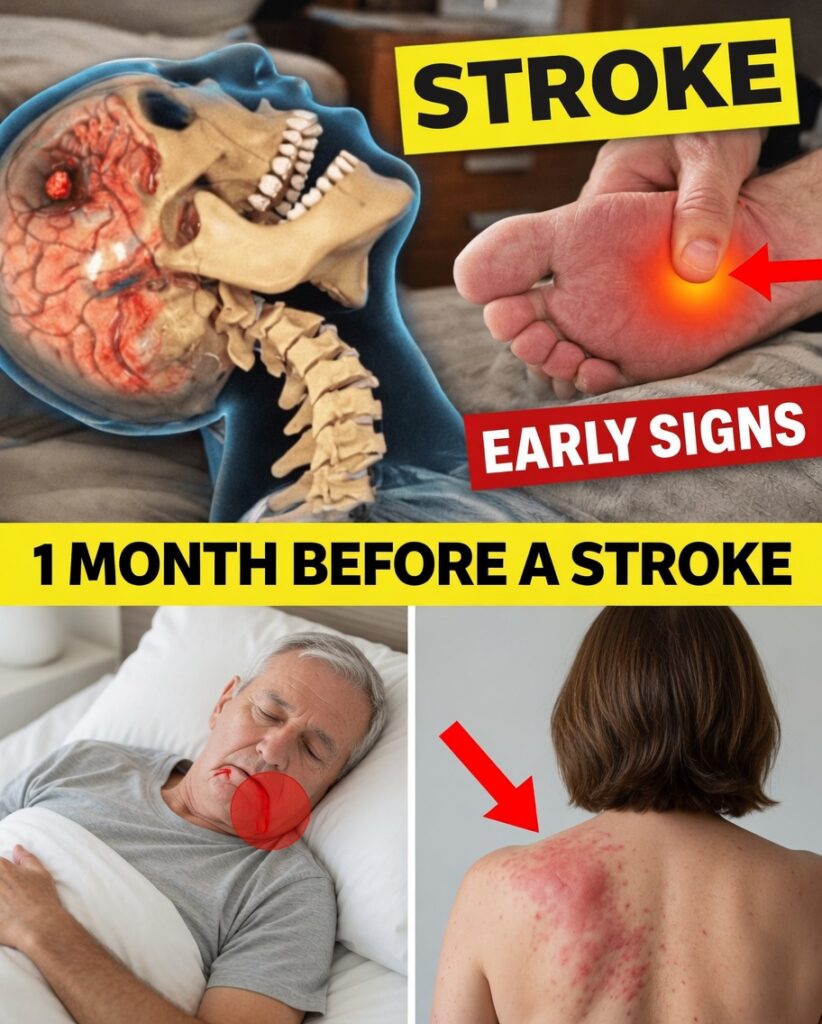
A Quiet Moment, a Subtle Signal: Why Early Stroke Warnings Matter
Imagine sitting with your family, reaching for a coffee, and your hand suddenly feels unusually weak. You might feel briefly dizzy or slightly confused. It’s easy to dismiss—stress, poor sleep, “getting older.” Yet many people learn an unsettling reality too late: the body can send subtle warning signs weeks before a stroke.
The problem is that these signals often fade quickly, so they’re brushed off. But if you notice them early, you may still have time to seek help and reduce harm to your brain. One of the most overlooked warning clues appears near the end of the warning-sign list—something most people don’t expect.
Why Stroke Risk Is Increasing Concern Among Older Adults
Stroke is still one of the world’s leading causes of long-term disability. Public health data consistently shows that hundreds of thousands of people experience a stroke each year, and the impact can be immediate and life-changing.
Doctors worry not only about the medical emergency itself, but also about what can follow:
- Speech may become difficult.
- Balance and coordination can change.
- Everyday independence may be reduced.
There is, however, encouraging news. Studies suggest that the body sometimes provides early alerts before a major stroke. In many cases, these episodes relate to a Transient Ischemic Attack (TIA)—often called a mini-stroke.
A TIA may last only minutes. That short duration is exactly why many people ignore it—yet it can be one of the most important warnings your body will ever give.

8 Warning Signs That Can Appear Weeks Before a Stroke
These symptoms often arrive suddenly and may disappear just as fast. That’s what makes them so easy to rationalize away. Still, clinicians emphasize a critical point: even temporary neurological symptoms should be taken seriously.
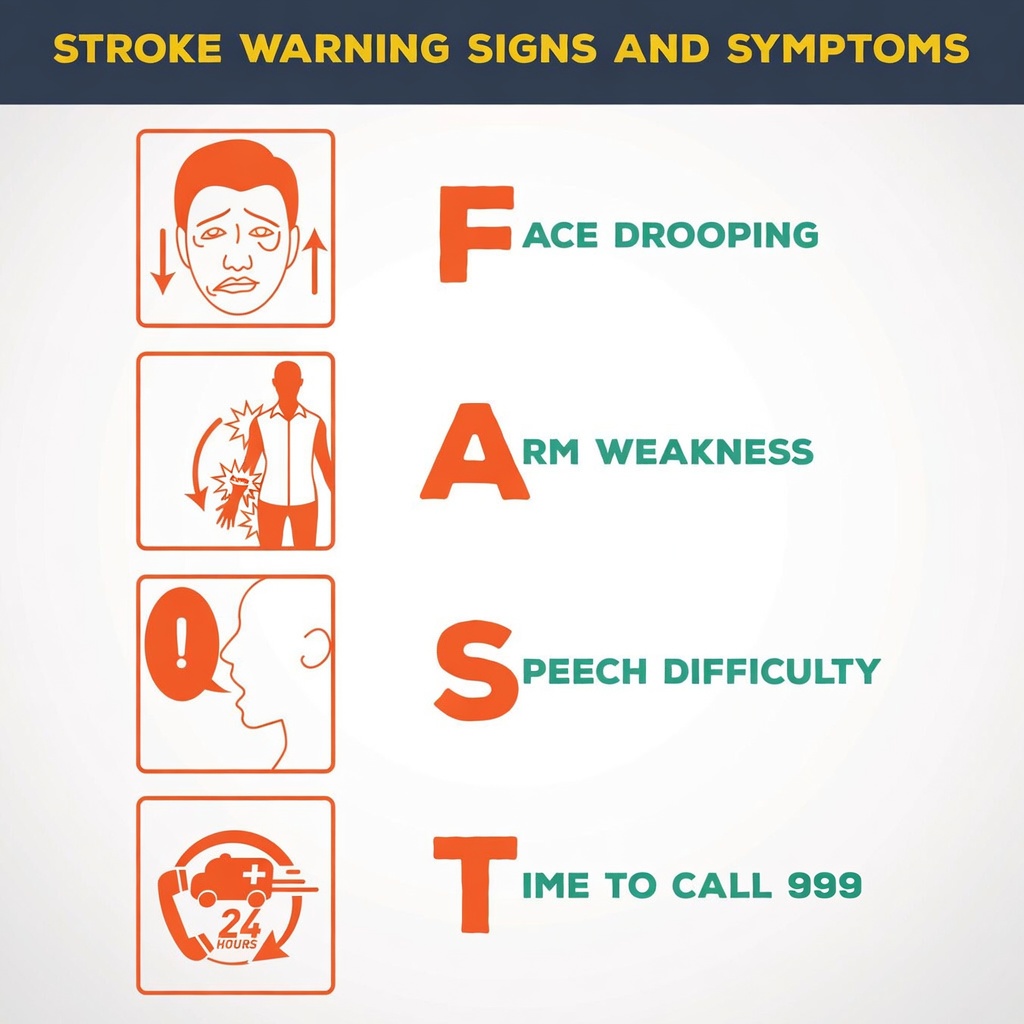
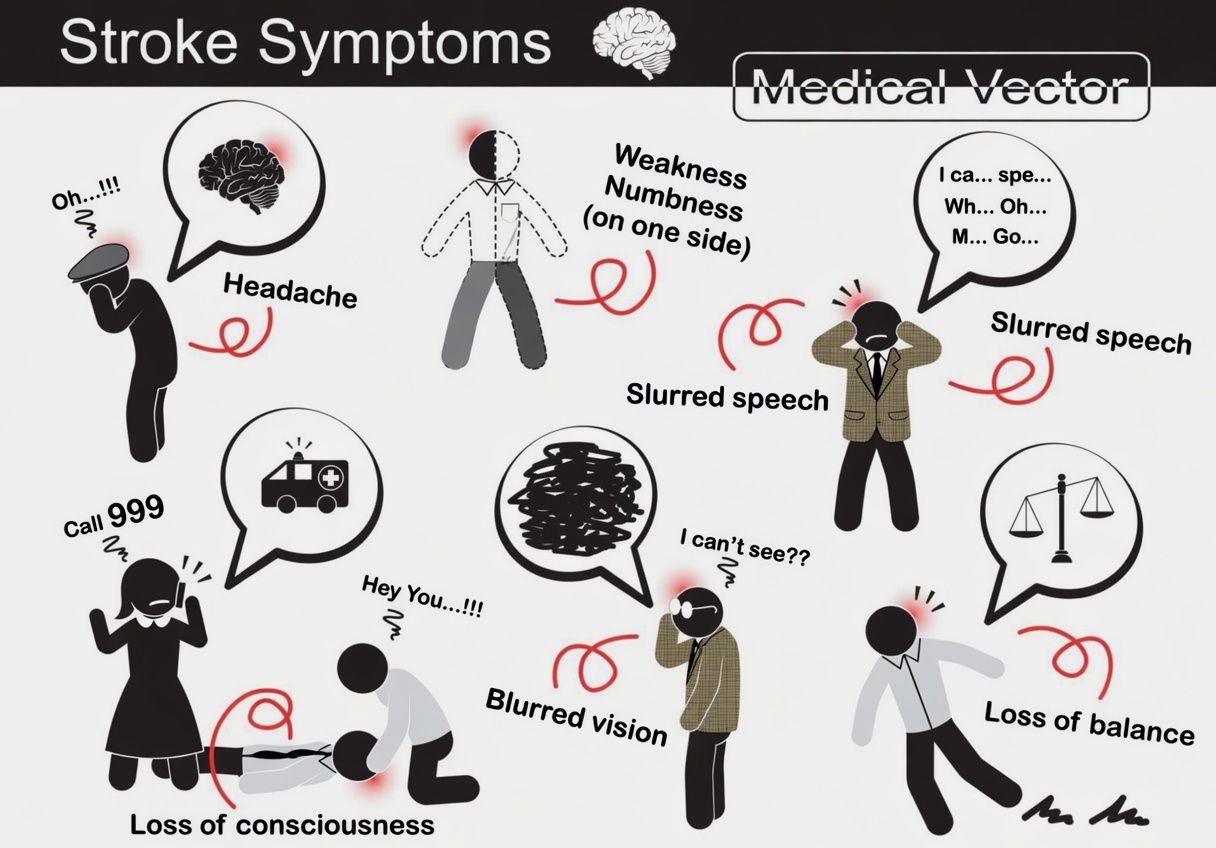
1) Sudden numbness or weakness on one side
You might notice one arm feels heavy, a leg seems less steady, or one side of the face looks slightly drooped. This can happen when blood flow to part of the brain is briefly reduced.
Even if it goes away quickly, it deserves urgent attention.
2) Difficulty speaking clearly
Some people suddenly can’t get words out, speak more slowly, or sound slurred. Others can understand what’s being said but struggle to respond.
Even a short episode may signal that the brain needs immediate evaluation.
3) Abrupt changes in vision
Vision may become blurry, doubled, or briefly dim. Some describe it as though a curtain passed across their sight.
Because it can vanish within minutes, it’s often blamed on eye strain or fatigue—but it can be a warning sign, especially alongside other symptoms.
4) A severe or unusual headache
A headache that feels different from your usual pattern—especially if it begins suddenly—should not be ignored. Some people later report experiencing unfamiliar headaches days before a stroke.
If the pain is abrupt, intense, or “not like you,” it’s worth taking seriously.
5) Dizziness or loss of balance
You may feel the room spin, your steps become unsteady, or standing and walking suddenly feel “off.” Dizziness has many causes, but when it appears suddenly—particularly with other symptoms—it should be evaluated promptly.
6) Confusion or trouble thinking clearly
A subtle but important sign can be sudden mental fog. You may struggle to focus, forget simple details, or feel unusually confused.
Because it can resemble “normal aging,” it’s often overlooked—but it may reflect reduced blood flow to the brain.
7) Shortness of breath or unusual chest pressure
Breathing difficulty is more often associated with heart conditions, but some stroke survivors recall feeling unusually winded in the weeks leading up to their event.
This doesn’t automatically mean a stroke is coming, but it is a signal you should discuss with a healthcare professional.
8) Extreme fatigue or noticeable personality changes
Unusual exhaustion—even after adequate rest—can be an early clue. Some people also notice mood shifts, irritability, or unexplained sadness.
Because these symptoms don’t “sound like stroke,” they’re easy to ignore. But when fatigue and behavior changes occur with other neurological symptoms, the pattern can matter.
9 Everyday Habits That Can Help Lower Stroke Risk
The empowering reality is that many major stroke risk factors are strongly influenced by daily choices. Small, consistent changes can make a meaningful difference over time.
1) Move your body regularly
Physical activity supports circulation and cardiovascular health. A common recommendation is about 150 minutes of moderate activity per week, such as:
- Walking
- Cycling
- Swimming
Even a daily walk supports long-term brain health.
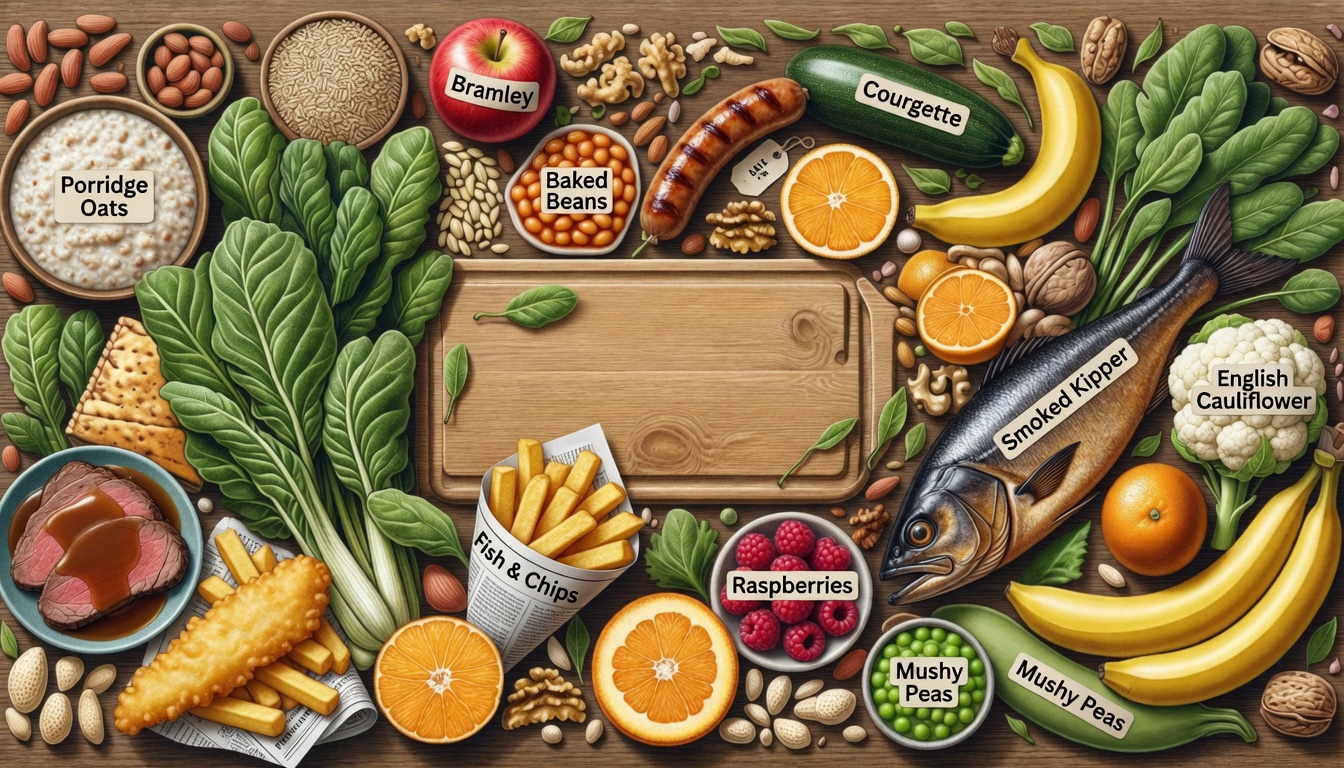
2) Eat a heart-supportive diet
Prioritize:
- Vegetables
- Fruits
- Whole grains
- Nuts and seeds
- Lean proteins
Many studies associate a Mediterranean-style diet with better cardiovascular outcomes.
3) Track your blood pressure
High blood pressure is among the strongest stroke risk factors. Regular checks help you and your clinician understand risk and take action early.
4) Manage cholesterol levels
Balanced cholesterol supports healthy blood flow. Fiber-rich foods, vegetables, and healthy fats can help. Some people may also need medical guidance depending on overall risk.
5) Keep blood sugar stable
For people with diabetes, consistent blood sugar control is essential for vascular health. Routine monitoring, balanced meals, and follow-up care make a difference.
6) Stop smoking
Smoking damages blood vessels and worsens circulation. Quitting is one of the most powerful lifestyle steps for long-term health.
7) Limit alcohol
Moderate drinking is generally considered safer than heavy intake. Excess alcohol can raise blood pressure and strain blood vessels.
8) Address irregular heart rhythms
Conditions like atrial fibrillation increase the risk of blood clots, which can lead to stroke. Regular checkups help detect rhythm problems earlier.
9) Get routine health screenings
Knowing your core numbers helps identify risks before they become emergencies. Key measures include:
- Blood pressure
- Cholesterol
- Blood sugar
- Body weight
Quick Reference: Health Factors to Watch
- Blood Pressure: Around 130/80 or lower
- Helpful habit: Regular monitoring plus lifestyle support
- Cholesterol: Balanced LDL levels
- Helpful habit: Fiber-rich foods and clinician guidance
- Blood Sugar: Stable levels
- Helpful habit: Balanced meals and consistent activity
- Weight: A healthy BMI range
- Helpful habit: Daily movement and mindful eating
Simple Steps You Can Start Today
If you ever experience sudden weakness, speech trouble, or vision changes, seek medical care immediately—even if the symptoms disappear.
For prevention, many people begin with small, realistic actions:
- Check blood pressure monthly
- Walk daily
- Cut back on highly processed foods
- Maintain consistent sleep
- See your doctor for routine checkups
Individually they may seem minor, but together they support long-term brain health.
Final Thoughts
Stroke can feel frightening because it often appears without warning. Yet in many cases, the body does offer early signals—quiet clues that something may be wrong.
By recognizing temporary symptoms early and adopting protective daily habits, you can support your brain, independence, and quality of life over time.
Listen to your body. Don’t dismiss unusual symptoms. Small changes today may protect your future.
Frequently Asked Questions
Can stroke symptoms appear and then disappear before a major stroke?
Yes. Some people experience temporary episodes known as Transient Ischemic Attacks (TIAs). Symptoms can come on suddenly and then resolve within minutes, which is why they are often ignored—yet they still require urgent medical evaluation.