A Small Wake-Up Call: When “Healthy” Foods Don’t Feel Healthy
Last Sunday morning at a neighborhood bakery in Guadalajara, Don Ernesto gave a nervous laugh when his daughter gently pointed out something he’d been trying to ignore. Even though he had been eating “light” for months, his weight kept inching upward. His energy was dropping, and his hands felt cold—even on warm days. What bothered him most was the realization that a few foods he believed were helping might actually be working against him.
Many adults over 60 experience a similar moment: everyday habits quietly influence how the thyroid performs. The encouraging news is that simple food awareness can go a long way—and by the end of this article, you’ll recognize a surprisingly common habit that many older adults overlook.
Goitrogenic Vegetables: Nutritious, But Sometimes Better Cooked
Vegetables like broccoli, cabbage, and kale are famous for their fiber, vitamins, and protective plant compounds—and they deserve that praise.
What’s less widely known is that some of these vegetables contain goitrogens, natural substances that—when eaten in large amounts, especially raw—may reduce how efficiently the body uses iodine, a mineral needed to produce thyroid hormones.
This is not a reason to avoid these vegetables. Instead, the goal is smart preparation and reasonable portions.
In many cases, cooking lowers goitrogenic activity, making these foods easier on iodine metabolism.
Common goitrogenic vegetables include:
- Broccoli
- Cabbage
- Cauliflower
- Brussels sprouts
- Kale
- Radishes

Best Ways to Prepare Them for Thyroid-Friendly Eating
- Broccoli: lightly steamed
- Cabbage: cooked or sautéed
- Cauliflower: roasted or steamed
- Kale: cooked in soups or stews
- Radishes: enjoy in moderation
Nutrition research frequently notes that cooking can significantly reduce these compounds’ impact. In other words, the issue is rarely the vegetable itself—it’s how much and how it’s prepared.
But vegetables are only one piece of the puzzle.
Soy Foods and Thyroid Function: Why Timing Can Matter
Soy products are more popular than ever, often used as alternatives to meat or dairy. For thyroid health, however, quantity and timing can be important.
Soy contains isoflavones, compounds that some studies suggest may influence iodine use and thyroid hormone activity. For many healthy adults, moderate soy intake isn’t considered a major problem. Concerns tend to be more relevant for people who already have thyroid imbalance—or those taking thyroid medication.
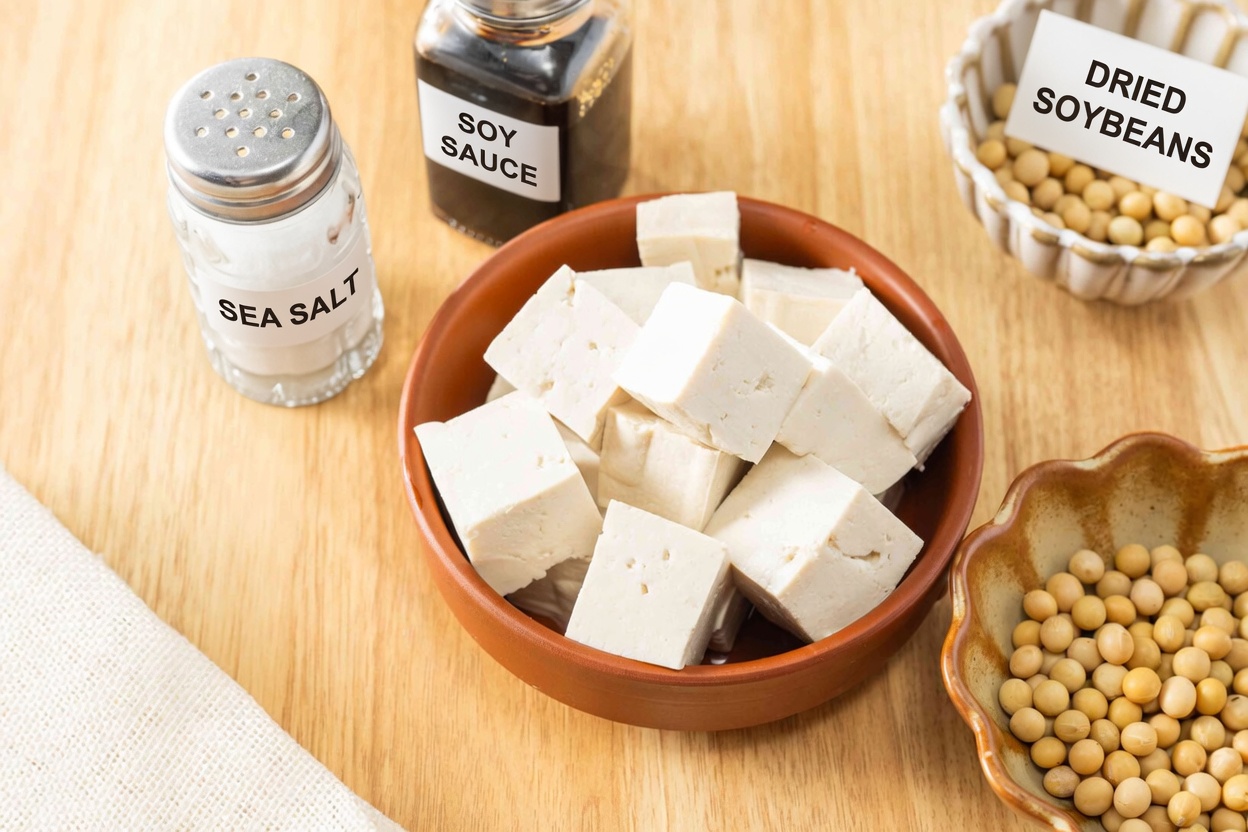
Common soy-based foods include:
- Tofu
- Soy milk
- Edamame
- Soy sauce
A Practical Tip If You Take Thyroid Medication
Many clinicians recommend not eating soy too close to the time you take thyroid medication. Waiting a few hours may help prevent absorption issues. This small scheduling change can lead to noticeable improvements for some people.
Next, there’s an everyday category that often contributes strongly to inflammation and metabolic strain.
Refined Sugar and Processed Carbs: A Quiet Stress on Metabolism
Let’s be realistic: sweet bread with coffee is a cherished routine for many families. In Mexico, pan dulce is more than food—it’s tradition.
But high-sugar, highly processed carbohydrates can increase inflammation, and chronic inflammation can place added stress on hormone systems, including the thyroid.
Common examples include:
- White bread
- Cakes and pastries
- Cookies
- Sugary breakfast cereals

These foods also tend to trigger fast blood sugar spikes. Over time, frequent spikes can disrupt insulin balance and reduce metabolic stability—often affecting energy, weight management, and hormone regulation.
For steadier energy and better metabolic support, many nutrition experts suggest choosing foods that digest more slowly, such as:
- Whole grains
- Beans and lentils
- Vegetables
- Nuts and seeds
But there’s another common kitchen staple that deserves attention.
Refined Vegetable Oils and Fat Imbalance: The Inflammation Link
Look in many home kitchens (and restaurant pans) and you’ll see oils like:
- Corn oil
- Soybean oil
- Sunflower oil
These oils are widely used in packaged foods and commercial cooking. They’re rich in omega-6 fatty acids. Omega-6 fats aren’t inherently “bad,” but when omega-6 intake becomes too high compared to omega-3s, the imbalance may promote inflammation—which can influence hormone regulation.

Better Everyday Fat Choices
Instead of removing fats, aim for better balance with options such as:
- Olive oil
- Avocado
- Walnuts
- Chia seeds
- Fatty fish (such as salmon)
Small swaps can help support a healthier omega-3 to omega-6 ratio over time.
Finally, there’s a pair of daily habits many older adults recognize immediately.
Too Much Caffeine and Alcohol: Small Choices That Compound
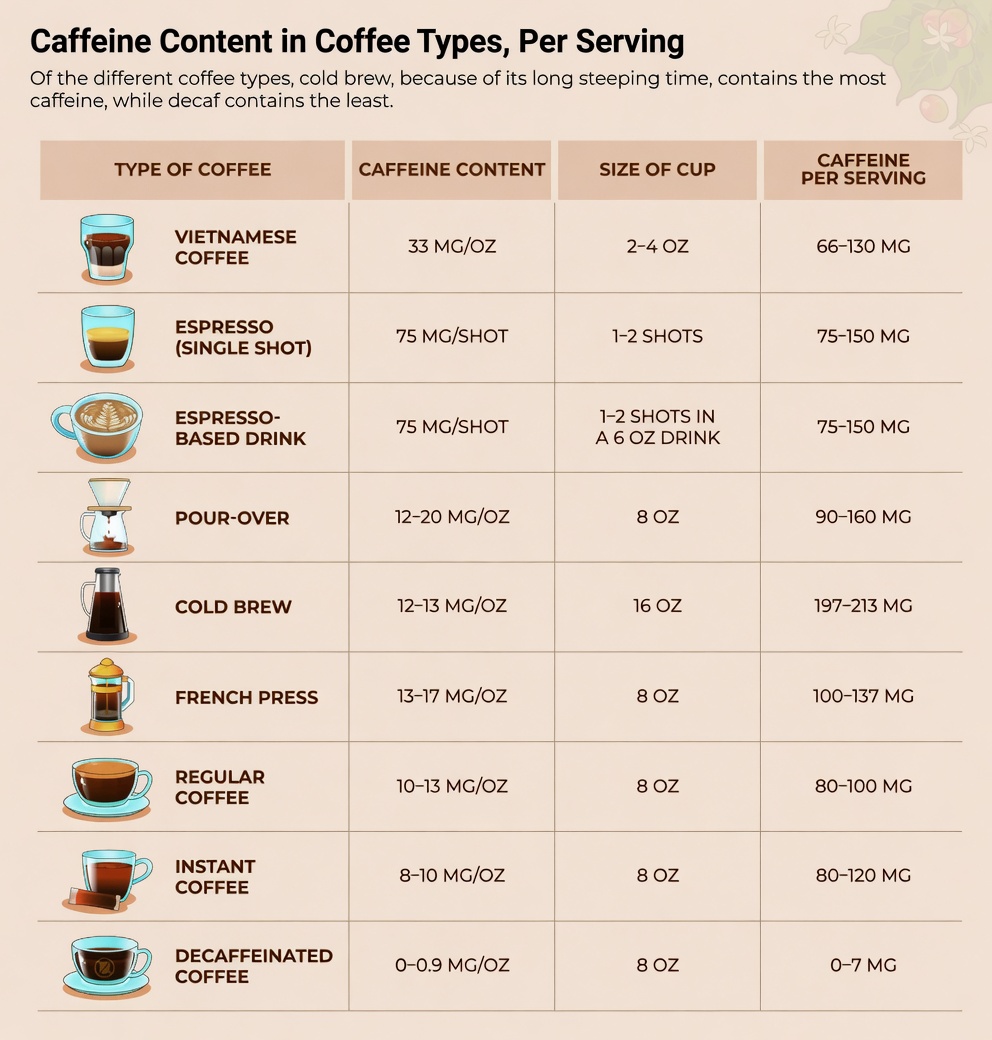
One morning coffee often turns into two. For many people, it seems harmless.
Yet high caffeine intake can affect sleep quality and may interfere with hormonal balance in sensitive individuals. Since sleep plays a major role in metabolism and endocrine function, disrupted sleep can ripple into energy and weight changes.
Alcohol can also affect metabolic pathways, especially when consumed frequently or in larger quantities.
Simple Habits That Often Help
- Keep coffee at moderate levels
- Avoid caffeine late in the day
- Treat alcohol as occasional, not daily
- Stay well-hydrated throughout the day
Long-term health rarely depends on one “bad” food. It usually comes down to the pattern of daily decisions.
Simple Daily Habits for Thyroid-Friendly Eating (Especially After 60)
If your goal is to support thyroid balance through diet, these practical steps are a strong start:
- Cook cruciferous vegetables instead of eating large amounts raw.
- If prescribed thyroid medication, separate soy intake from medication time by a few hours.
- Cut back on frequent sugary, processed snacks.
- Choose healthier fats, such as olive oil, nuts, and omega-3-rich foods.
- Keep caffeine and alcohol in moderation, and protect your sleep.
Research in nutrition consistently suggests that eating patterns centered on whole foods, vegetables, healthy fats, and balanced protein can support metabolic stability and healthier hormone function over time.
Final Thoughts
For many older adults, the biggest surprise is learning that certain foods aren’t “bad”—they simply may require small adjustments. Cooking particular vegetables, limiting refined sugar, choosing better fats, and being mindful with soy and caffeine timing can all make a meaningful difference.
Healthy eating is rarely about strict rules. More often, it’s about understanding how foods interact with your body and making consistent, thoughtful choices.
Frequently Asked Questions
Can I still eat broccoli if I’m concerned about thyroid health?
Yes. Broccoli and other cruciferous vegetables are highly nutritious. For most people, cooking them and eating reasonable portions is a thyroid-friendly approach.
Is soy completely unsafe for the thyroid?
No. Moderate soy consumption is typically fine for most individuals. If you take thyroid medication, the main strategy is usually spacing soy away from the medication to support proper absorption.
Are sugary foods the main cause of thyroid problems?
Sugary foods are not considered a direct cause of thyroid disorders. However, high intake of refined sugar may contribute to inflammation and metabolic stress, which can negatively affect overall hormonal balance.