
Ginger and Cloves for Everyday Wellness: A Simple Blend for Digestion, Energy, and Comfort
Modern life moves quickly, and it’s common to experience occasional digestive discomfort, low energy, or that “run-down” feeling after long days. When your routine leaves you bloated or sluggish, finding a natural, practical option can feel surprisingly difficult.
The good news: a simple blend you can make at home—using two familiar kitchen spices—may help you support daily comfort and vitality. By the end of this guide, you’ll also discover an easy add-in that can elevate your morning cup in an unexpected way.

Why Ginger and Cloves Work So Well Together
Ginger and cloves have been used across cuisines and traditional wellness practices for generations. They’re loved for their bold taste and aroma, but their popularity also comes from the natural compounds they contain—an area explored in many scientific discussions, including research indexed by organizations such as the National Institutes of Health (NIH).
Let’s break down what makes each spice special, and why pairing them is so appealing.
Ginger: A Warming Root with Everyday Versatility
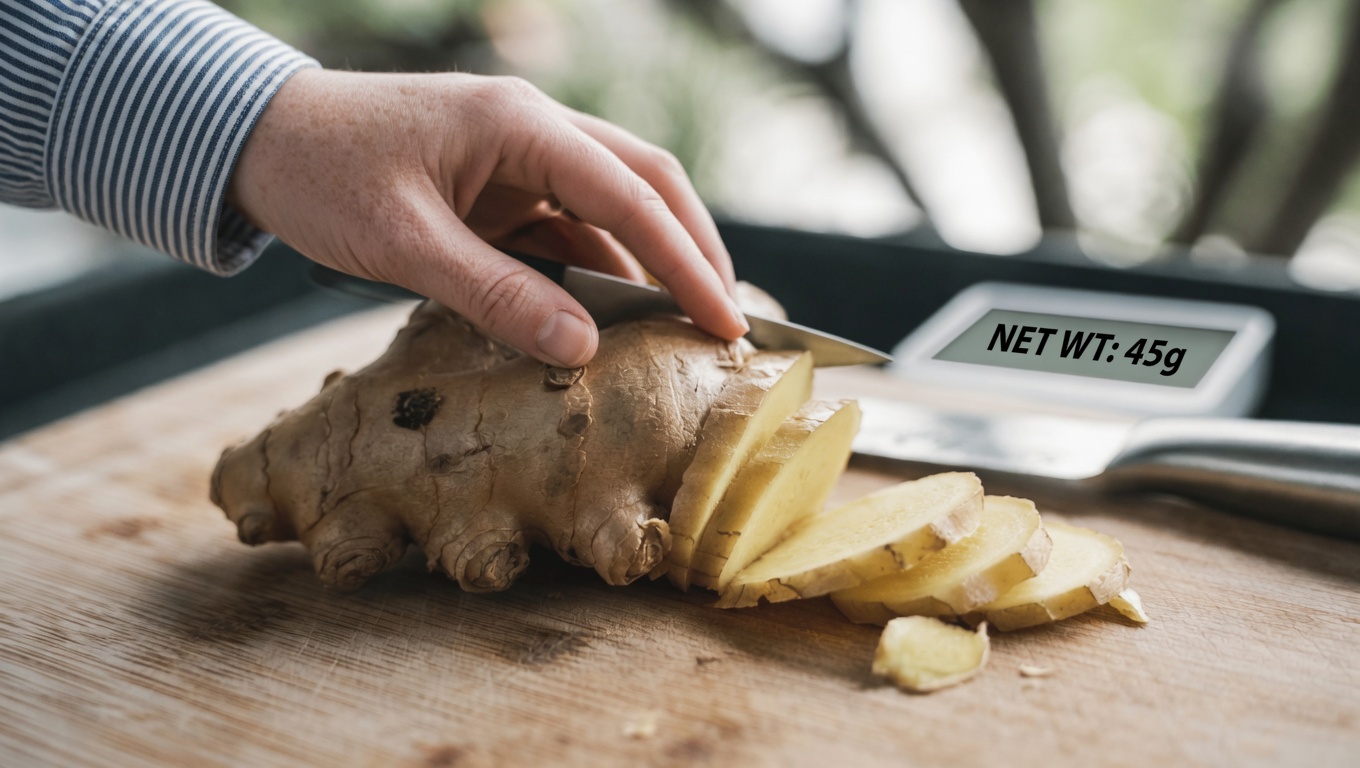
Ginger comes from the Zingiber officinale plant and is known for its spicy, warming profile. It’s widely used in meals and teas, and many studies point to gingerols—naturally occurring compounds that may support digestive function and overall comfort.
You can typically find ginger fresh, dried, or powdered in most grocery stores, making it easy to use consistently.
Cloves: Small Buds, Powerful Aroma
Cloves are the dried flower buds of the Syzygium aromaticum tree. Despite their small size, they have a strong flavor and are usually used in modest amounts.
General research highlights cloves for eugenol, an antioxidant compound often discussed in relation to cellular protection and overall wellness support. Because cloves are intense, a little goes a long way.
Combined, ginger and cloves create a balanced, invigorating blend that many people enjoy for both flavor and daily routine support.
Potential Wellness Benefits of Ginger and Clove Combinations
Blending ginger and cloves is not a new idea—many traditions have used them for comfort and vitality. While individual results vary, the benefits below are commonly discussed in research and everyday use.
1) Antioxidant Support for Daily Defense
Both spices contain antioxidant compounds that may help the body manage everyday oxidative stress. Reviews in journals such as the Journal of Medicinal Food discuss how antioxidants contribute to cellular protection and overall wellness routines.
Adding ginger and cloves to your diet can be a simple, food-based way to increase antioxidant intake.
2) Digestive Comfort After Meals
Occasional bloating after heavier meals is common. Ginger is frequently associated with smoother digestion and stomach comfort. Cloves are also discussed for their potential role in supporting digestive enzyme activity.
Together, they’re often used as a gentle post-meal option—especially in warm tea form. Consistent use, in moderation, tends to matter more than a one-time try.
3) Natural Anti-Inflammatory Qualities
Everyday stressors can contribute to inflammatory responses. Ginger’s compounds have shown promising effects in laboratory and clinical discussions related to inflammation support. Cloves—largely due to eugenol—are also commonly mentioned in this context.
Many people find this blend particularly comforting during cooler seasons when warmth and soothing beverages feel especially beneficial.
4) Immune Routine Support During Seasonal Changes
When weather shifts or schedules get hectic, people often look for simple immune-supporting habits. Ginger and cloves are frequently described as having antimicrobial properties, and research indexed through PubMed discusses their potential role in supporting the body’s natural defenses.
This blend is not a replacement for core health habits (sleep, nutrition, hydration), but it can complement a balanced routine.
5) Comfort for Minor Respiratory Irritation
Warm, aromatic drinks can be soothing when you’re dealing with mild throat or airway irritation. Ginger-clove tea is often used as a cozy, steam-based comfort ritual—especially during seasonal transitions.
The warmth, aroma, and steam may help ease minor discomfort and promote a more relaxed breathing experience.
Ginger vs. Cloves vs. The Combination (Quick Comparison)
| Aspect | Ginger | Cloves | Combined Benefit |
|---|---|---|---|
| Key compound | Gingerols | Eugenol | Broader antioxidant support |
| Common use | Digestive support | Intense flavor, traditional wellness | Balanced wellness blend |
| Flavor profile | Spicy, warming | Strong, aromatic | Invigorating and rounded |
| Typical daily amount (common use) | 1–2 inches fresh | 4–6 buds | Moderate amounts work best |
How to Make a Ginger and Clove Blend at Home
You don’t need special equipment—just basic kitchen staples.
Simple Ginger-Clove Tea (Step-by-Step)
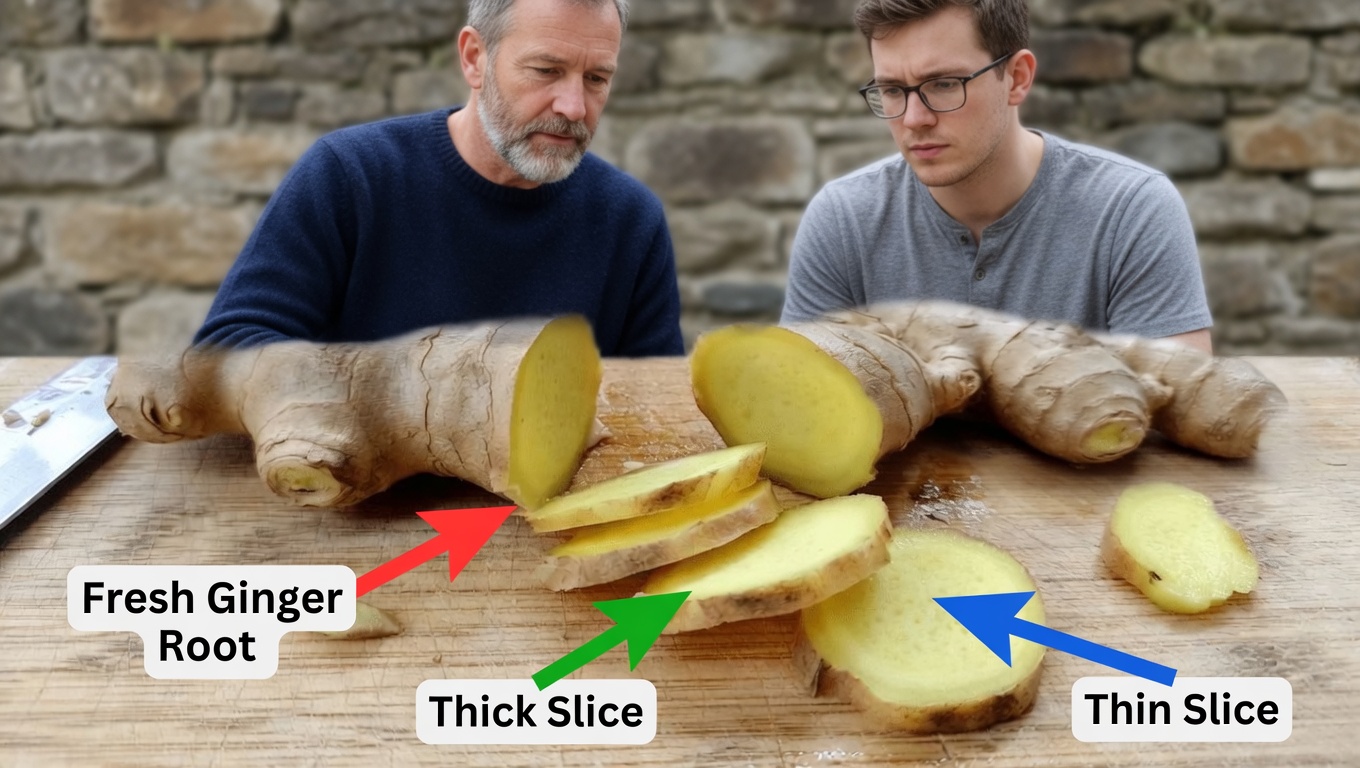
- Prepare ginger: Peel and thinly slice about a 1-inch piece of fresh ginger.
- Add cloves: Use 5–7 whole cloves for a balanced flavor.
- Boil water: Heat 2 cups of water in a small pot.
- Simmer: Add ginger and cloves, then gently simmer for 10 minutes.
- Strain and drink: Pour through a strainer. Add honey if you like.
This recipe typically takes under 15 minutes from start to finish.
Easy Variations for Different Preferences
- Add lemon: Squeeze in ½ lemon for a brighter, citrus-forward taste.
- Add cinnamon: Include one cinnamon stick for a warmer spice profile.
- Serve iced: Chill and pour over ice for a refreshing summer version.
- Use powdered spices: If fresh isn’t available, try about 1 teaspoon of ginger powder and 1 teaspoon of clove powder, adjusting down if the flavor is too strong.
How to Fit Ginger and Cloves into Your Daily Routine
- Morning routine: Drink a warm cup after waking for a gentle start.
- Midday alternative: Use it as a non-coffee pick-me-up.
- Evening wind-down: Sip it as a cozy pre-bed drink.
A practical approach is to start with once per day and adjust based on how you feel. When possible, choose high-quality spices (organic is a good option for many households).
Practical Tips for Best Results
- Use moderate portions: Cloves are potent—more isn’t always better.
- Store properly: Airtight containers help preserve aroma and potency.
- Pair with balanced meals: This blend works best as part of an overall healthy routine.
- Introduce gradually: If you’re new to these spices, start small and observe your body’s response.
Quick Storage Checklist
- Store fresh ginger in the refrigerator for up to 3 weeks.
- Keep cloves in a cool, dark place.
- Grind spices fresh when possible for stronger flavor.
- Avoid humidity to reduce spoilage risk.
Final Thoughts: A Simple Blend That May Fit Your Lifestyle
Ginger and cloves offer a flavorful, accessible way to support daily wellness—especially for digestive comfort, antioxidant intake, and seasonal routines. It’s easy to prepare, flexible to customize, and simple to make part of your day.
And the promised unexpected tip: add a small pinch of black pepper. Some research suggests it may help enhance the absorption of certain beneficial compounds, making your morning cup even more effective.
Frequently Asked Questions (FAQ)
Can I use ground ginger and ground cloves instead of whole spices?
Yes. Ground spices are convenient and work well. Because they’re more concentrated, start with about half the amount and adjust to taste.
How often can I drink ginger-clove tea?
Many people enjoy it 1–2 times per day. Pay attention to how your body responds and keep it part of a varied routine.
Is ginger and clove tea suitable for everyone?
Many adults can enjoy it, but if you have a medical condition, are pregnant, or take medications, it’s best to consult a healthcare professional first.
Disclaimer: This article is for informational purposes only and does not replace medical advice. Always consult a qualified healthcare provider before making significant changes to your routine, especially if you have underlying health concerns.