
Many adults over 60 begin to notice their legs feel heavier than they used to—stairs become more difficult, walks get shorter, and thighs or calves tire quickly. That unsteady sensation can reduce independence and confidence in everyday life. The encouraging part is that a few long-used herbal teas—supported by traditional practice and some modern studies—may gently promote circulation, ease inflammatory discomfort, and support muscle comfort. Keep reading to find the tea that surprises most people.

Why Leg Weakness Often Increases After 60
After age 60, gradual muscle loss (often linked to sarcopenia) can slowly reduce leg strength, making balance more challenging and movement feel more exhausting. At the same time, slower circulation and occasional joint stiffness can add to the feeling of heaviness. Many people then move less, which can further weaken the muscles—creating a frustrating loop.
A simple daily ritual, such as a warm cup of the right tea, may be a calming way to support comfort and steadiness alongside healthy habits.
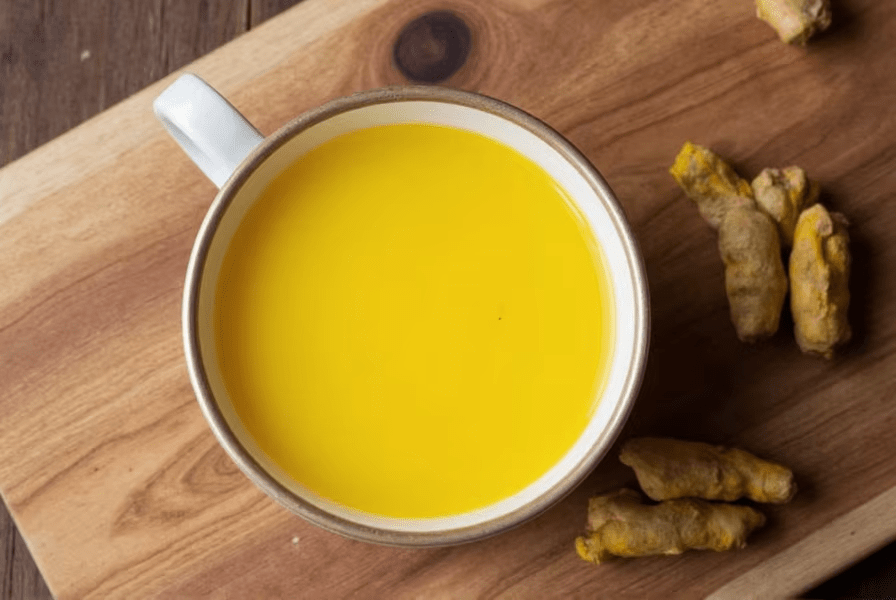
Tea #1: Ginger–Turmeric Tea for Morning Warmth and Ease
A cup of ginger and turmeric tea in the morning can feel deeply soothing for legs that wake up stiff or heavy. This bright, spicy combination has been used for centuries across Asian wellness traditions for its warming qualities.
Modern research points to active compounds such as gingerols (from ginger) and curcumin (from turmeric), which may help support a healthier inflammatory response and encourage blood flow—both important for delivering oxygen and nutrients to leg muscles. Many people also add a small pinch of black pepper, as studies suggest it can improve curcumin absorption. Over time, this morning routine may help the legs feel lighter during early daily activities.
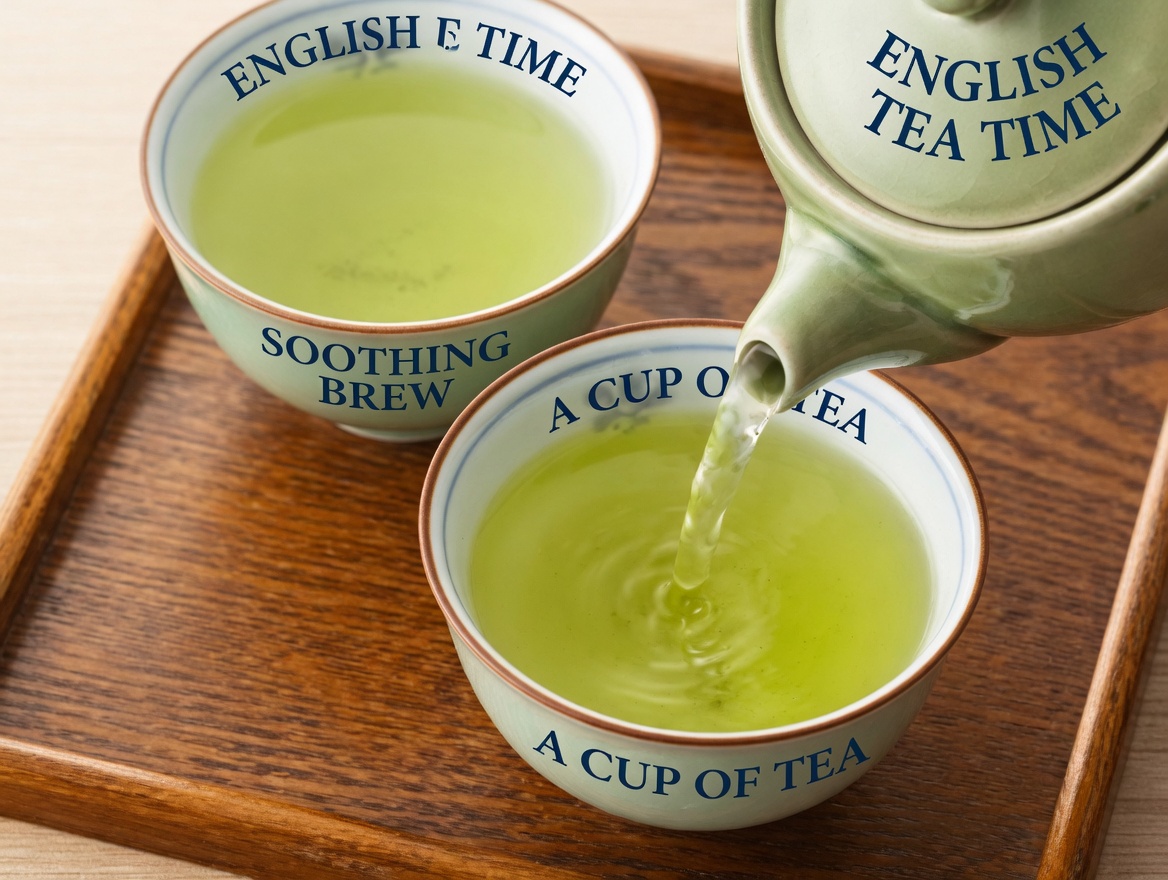
Tea #2: Green Tea with Ginseng for Smooth, Steady Energy
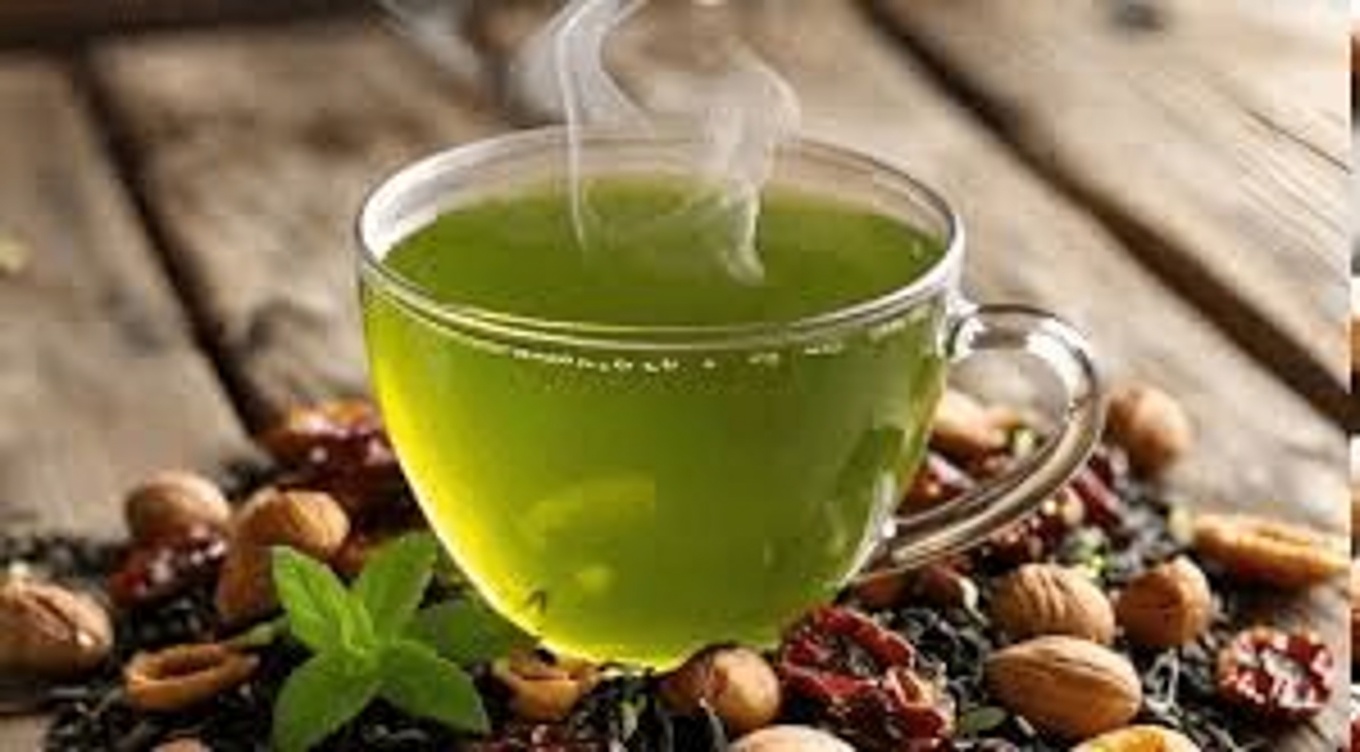
If mid-day fatigue makes longer walks feel unappealing, green tea with ginseng can provide a calmer kind of lift—one many older adults find easier to tolerate than strong coffee.
Ginseng has a long history of use as an adaptogen, and studies suggest it may support how the body uses oxygen during activity, potentially benefiting stamina and muscle performance. Meanwhile, green tea contains catechins, antioxidants that may help protect cells from oxidative stress and support overall muscle health. Together, they can offer focused energy without the “wired” feeling.
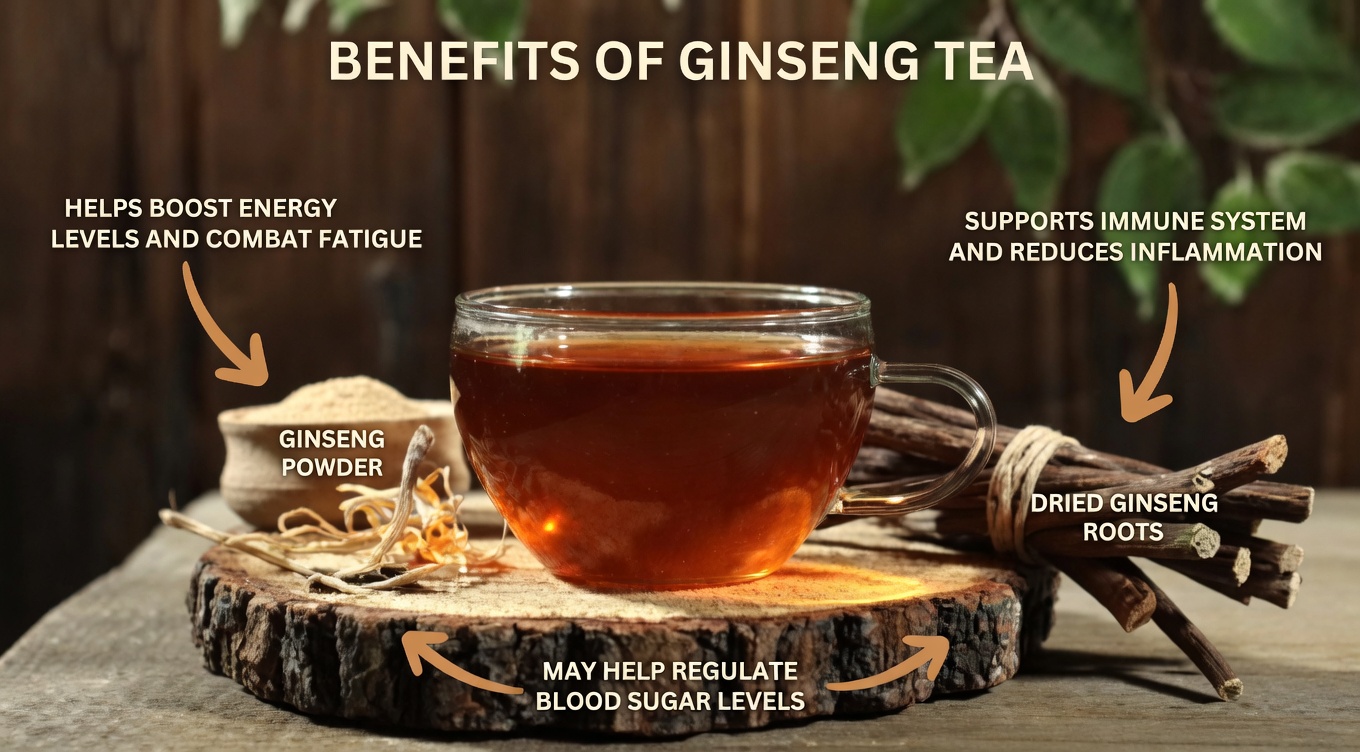
Tea #3: Ashwagandha Tea for Nighttime Recovery and Strength Support
Less familiar to many people, ashwagandha root tea is often the most unexpected option—yet it may be the most intriguing. Taken in the evening, it is commonly described as grounding and restorative.
In Ayurvedic tradition, ashwagandha is valued for supporting vitality and resilience. More recently, research in older adults has shown promising outcomes, with some participants experiencing improvements in lower-body strength, balance, and walking comfort compared with placebo groups. One proposed benefit is stress support: by helping regulate stress-related hormones that can affect the body, ashwagandha may encourage better recovery while you sleep.
Quick Guide: Which Tea Fits Best Into Your Day?
-
Ginger–Turmeric Tea
- Best time: Morning
- Potential focus: Circulation support and inflammatory comfort
- Flavor: Warm, spicy, golden
-
Green Tea + Ginseng
- Best time: Mid-morning to early afternoon
- Potential focus: Steady energy and endurance support
- Flavor: Fresh, grassy, uplifting
-
Ashwagandha Tea
- Best time: Evening
- Potential focus: Recovery, relaxation, stress balance
- Flavor: Earthy, mildly nutty
Safe, Simple Preparation Tips (and How to Use Them Wisely)
Start slowly and pay attention to how your body responds.
-
Ginger–Turmeric Tea
- Slice about 1 inch of fresh ginger and 1 inch of fresh turmeric.
- Simmer in 2 cups of water for 10 minutes.
- Add a pinch of black pepper and optional honey.
-
Green Tea with Ginseng
- Steep a quality green tea bag with sliced ginseng root (or a ginseng blend).
- Use hot (not boiling) water and steep for 3–5 minutes.
-
Ashwagandha Tea
- Simmer 1 teaspoon of dried root or powder in water or milk for 10 minutes.
- Strain and sweeten if desired.
Suggested limit: 1–2 cups per day for each tea.
Important: Speak with your healthcare provider before using these regularly—especially if you take medications. Certain herbs may interact with blood thinners or influence blood pressure and blood sugar.
Everyday Stories Many People Recognize
Many adults over 60 report that consistent tea habits made daily movement feel more manageable—climbing stairs with fewer pauses, enjoying short garden walks again, or keeping up more comfortably with grandchildren. Results vary, but many people describe subtle changes after a few weeks of steady use.
A Gentle Path Toward Stronger, Steadier Days
These herbal teas are not a replacement for exercise, physical therapy, or medical care. However, as a simple daily ritual, they may complement healthy routines that support leg comfort and confidence. Choose the tea that fits your day—whether that’s the bright “golden” morning cup or the calming evening ashwagandha—and listen carefully to your body.
Your legs have carried you through decades; a warm cup of tea can be a small, meaningful way to support them.
Frequently Asked Questions
Are these teas safe for everyone over 60?
Many healthy adults tolerate them well in moderation. Still, it’s best to consult your healthcare provider—especially if you manage diabetes, blood pressure conditions, or take prescription medications.
How quickly could I notice changes?
It depends. Some people feel warmth or improved comfort relatively quickly, while strength and stamina benefits often build gradually with consistent use over several weeks.
Can I drink all three teas in one day?
Many people can, if spaced throughout the day. A safer approach is to begin with one tea, then add others gradually while monitoring how you feel.
Medical disclaimer: This article is for informational purposes only and does not replace professional medical advice. Consult a qualified healthcare provider before starting new dietary practices, especially if you have health conditions or take medications.