A Simple Way to Move Better After 60 (Without Turning Your Morning Upside Down)
Waking up with stiff knees, a tight back, or joints that complain the moment you stand can make everyday life feel harder than it should. Even small tasks—tying shoes, bending to pick something up, or carrying groceries—may trigger discomfort and make you worry about losing independence over time.
The good news: a short, low-impact routine of exercises after 60 can support natural strength, balance, and confidence in movement. Below is an easy plan you can complete in under 10 minutes, plus a final tip that makes it much easier to start and stick with it.
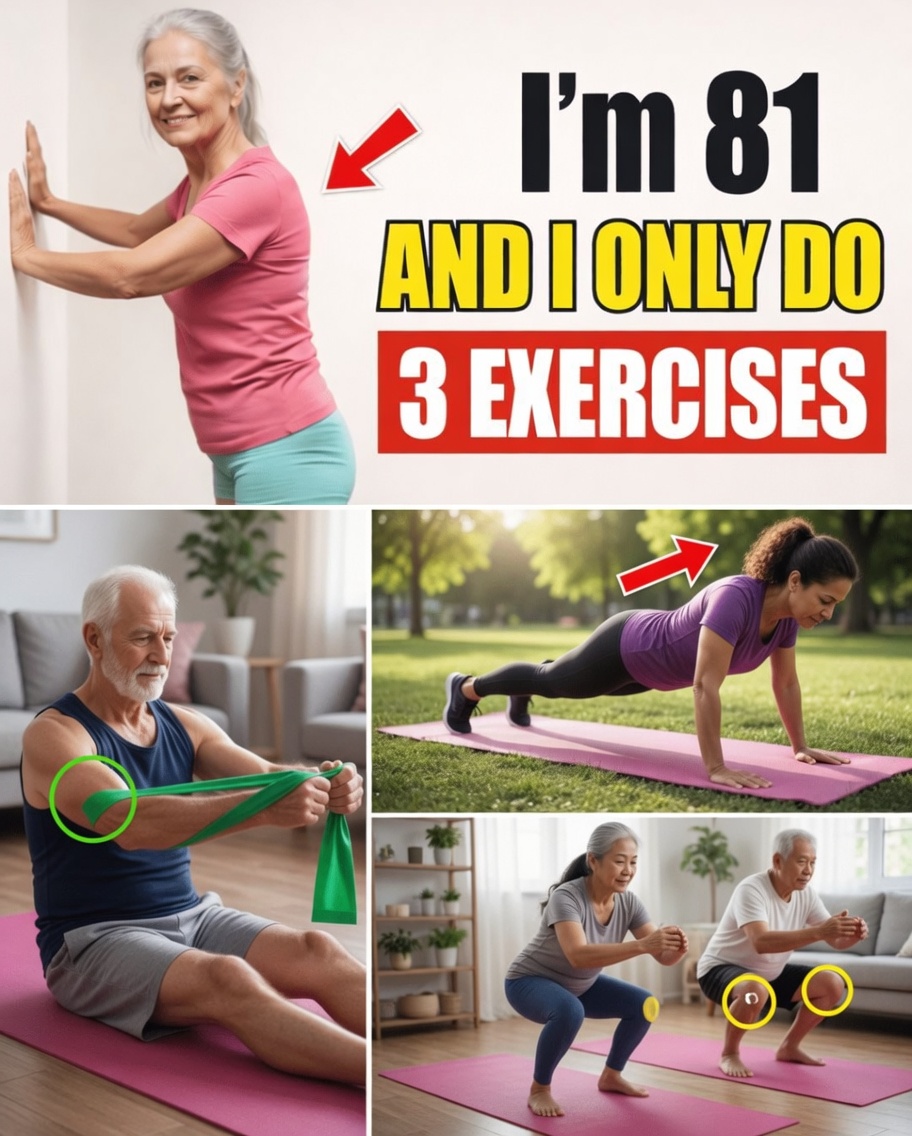
The Foundation: Why These Exercises After 60 Work
After 60, it’s common to notice more stiffness, less muscle support around joints, and reduced stability, which can make stairs feel intimidating or leave you feeling unsteady on your feet. That lack of confidence often leads to moving less—creating a cycle that can worsen mobility.
These exercises after 60 focus on:
- Gentle, joint-friendly movement
- Key strength areas (legs, upper body, core)
- No equipment
- Short duration so it’s easy to repeat daily
Low-impact routines performed consistently are widely associated with better mobility and day-to-day function in older adults—especially when they’re simple enough to do regularly.
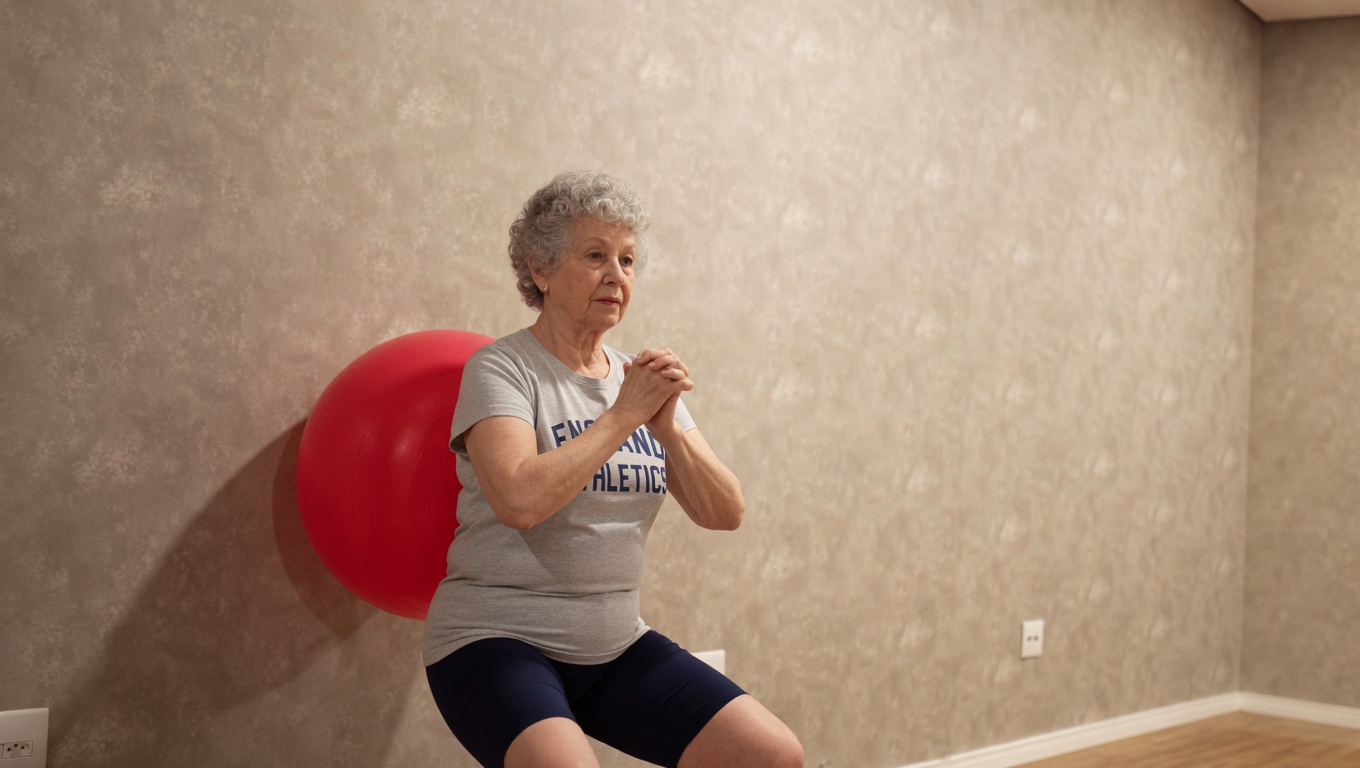
Exercise 1: The “Grandma Squat” (Knees and Hips)
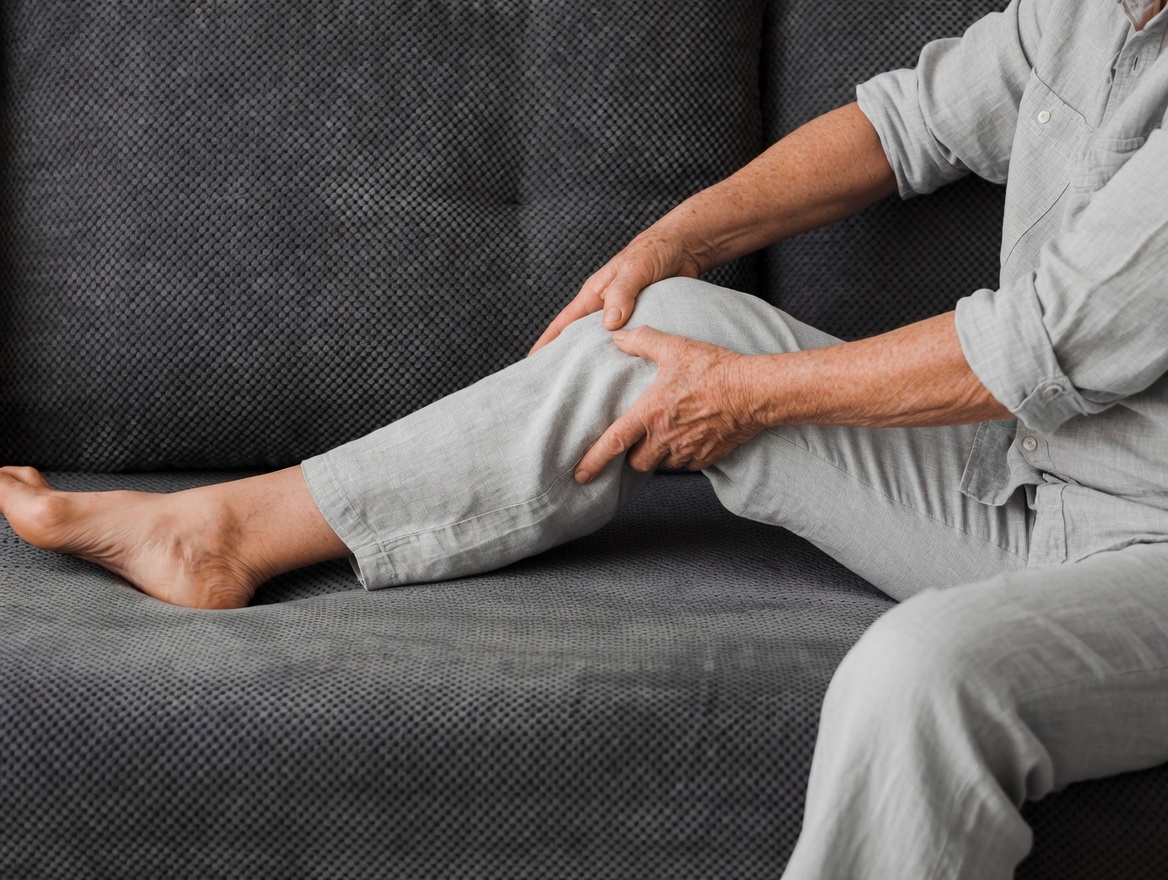
Knee discomfort can make walking, standing, or spending time with family feel more exhausting than enjoyable. The Grandma Squat is one of the most practical exercises after 60 because it mimics a daily movement pattern—sitting and standing—while strengthening the quadriceps, glutes, and hips.
How to do it
- Stand with feet about shoulder-width apart (toes slightly turned out).
- Extend your arms forward for balance.
- Lower slowly as if sitting into a chair—only as far as feels comfortable.
- Pause briefly at the bottom.
- Press through your heels and stand back up.
Goal: 10–15 repetitions in about 2 minutes.
Key form cues
- Keep your chest lifted and back long (avoid rounding forward).
- Tighten your core gently for stability.
- Move slowly—control matters more than depth.
Many people notice everyday improvements quickly, such as feeling more capable on stairs or getting up from a chair with less effort.
Why This Squat Belongs in Exercises After 60
Hips and knees can feel achy after long periods of sitting, which may make you hesitant to stay active. Adding the Grandma Squat to your exercises after 60 routine supports:
- Joint-friendly range of motion
- Leg endurance for walking and standing
- Better balance through stronger lower-body support
It also prepares your body for the next move by warming up large muscle groups safely.
Exercise 2: Wall Push-Up Plus (Shoulders, Chest, and Posture)
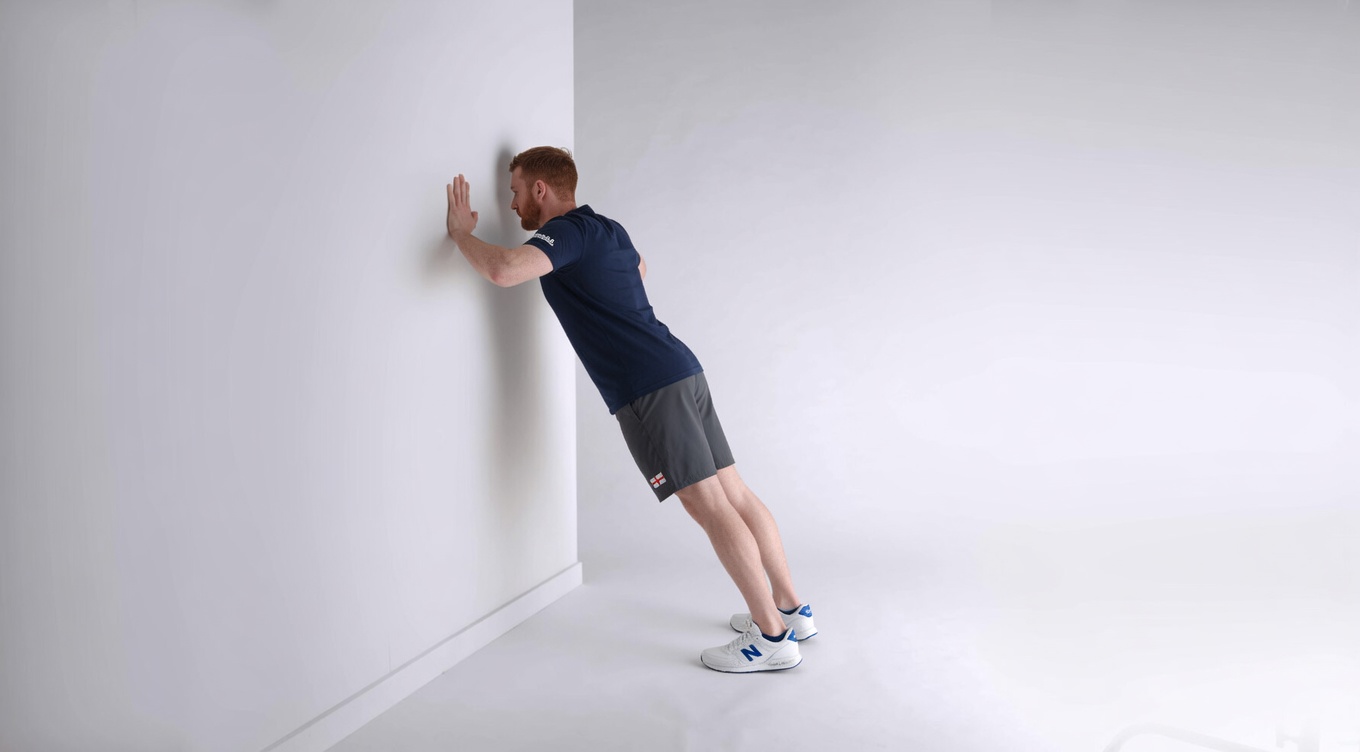
Tight shoulders can interfere with sleep, dressing, grooming, and reaching overhead—leading to frustration and a feeling of relying on others. The Wall Push-Up Plus is a smart addition to exercises after 60 because it strengthens the upper body gently while also training important muscles that help the shoulder blades move well.
How to do it
- Stand facing a wall, feet a comfortable distance back.
- Place hands on the wall at shoulder height.
- Keep your body in a straight line from head to heels.
- Bend elbows and lean toward the wall until your face gets close.
- Push back to the start.
- At the top, add the “plus”: gently squeeze/round the upper back slightly by moving shoulder blades forward, then reset.
Goal: 15–20 repetitions in about 3 minutes.
Technique checklist
- Exhale as you push away from the wall.
- Don’t rush—steady reps build better control.
- Focus on shoulder comfort and smooth movement.
This movement supports posture and can help reduce the forward-shoulder slump that often increases with age.
Shoulder Benefits You’ll Feel in Daily Life
Ongoing shoulder discomfort can quietly shrink your world—less reaching, less activity, less confidence. The “plus” portion of this move targets the serratus anterior, a frequently neglected muscle that plays a major role in shoulder function and comfortable arm movement.
As part of a consistent plan of exercises after 60, this can contribute to:
- More comfortable reaching overhead
- Better shoulder stability
- Improved upper-body control during daily tasks
Next, you’ll add a core move that supports your back and makes bending and lifting feel less stressful.

Exercise 3: The Dead Bug (Core Stability for Back Support)
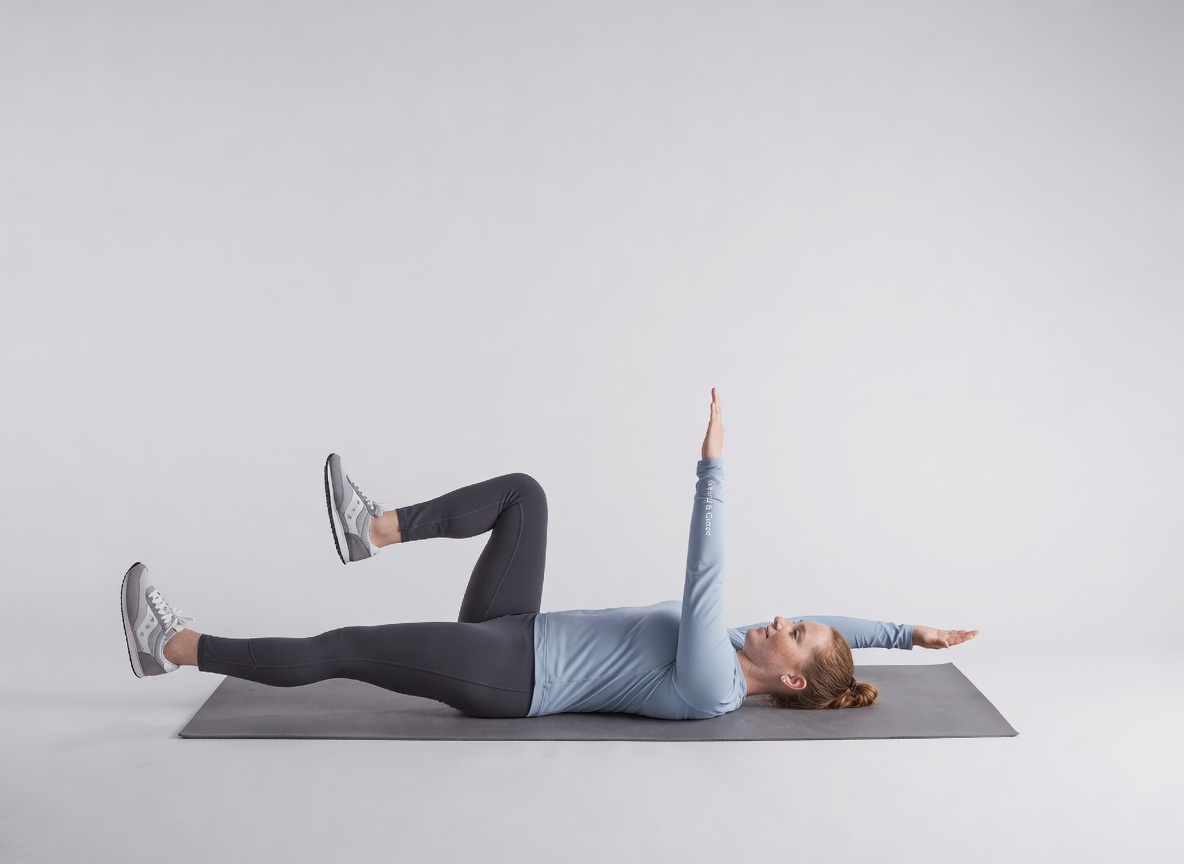
If bending or lifting triggers lower-back strain, even enjoyable activities—gardening, light housework, playing with grandkids—can start to feel risky. The Dead Bug is a core-focused favorite among exercises after 60 because it builds deep stability while your spine stays supported.
How to do it
- Lie on your back (bed or mat works).
- Lift arms toward the ceiling.
- Bend knees to about 90 degrees (shins parallel to the floor).
- Press your lower back gently into the surface.
- Slowly lower one arm and the opposite leg toward the floor.
- Return to center and switch sides.
Goal: 10–12 repetitions per side in about 2 minutes.
Tips to make it safe and effective
- Move slowly enough to keep your back flat.
- Keep breathing—don’t hold your breath.
- Reduce range of motion if your back tries to arch.
This exercise complements the squat and wall push-up by reinforcing whole-body control and supporting spinal alignment.
Quick Summary Table (Time, Focus, What You May Notice Early)
| Exercise | Minutes | Main Focus After 60 | Early Noticeable Change |
|---|---|---|---|
| Grandma Squat | 2 | Knee and hip support | Easier stair navigation |
| Wall Push-Up Plus | 3 | Shoulder and chest strength | More comfortable reaching overhead |
| Dead Bug | 2 | Core stability | Smoother standing up from chairs |
Real-Life Momentum: How People Build Confidence with Exercises After 60
Mobility changes can feel isolating, especially when simple outings begin to feel overwhelming. Some people find motivation by hearing what worked for others:
- Margaret (74), a retired nurse, reported feeling steadier carrying everyday items after adding these exercises after 60 to her week.
- Frank (69) started carefully with support and noticed improved confidence moving around the house.
These stories point to a simple truth: consistency—not intensity—often drives the biggest changes.
A 7-Minute Daily Routine (Easy to Remember, Easy to Repeat)
Lack of time or energy can make routines fall apart, especially if they feel “too workout-like.” This structure makes exercises after 60 fit naturally into a normal day:
- While coffee brews: 15 Grandma Squats
- After brushing teeth: 20 Wall Push-Up Plus reps
- Before sleep (or in the morning on your bed): 12 Dead Bugs
Total time: about 7 minutes.
Short daily sessions are often easier to maintain—and steady repetition is what builds long-term results.
Safety Guidelines for Starting Exercises After 60
If you’re worried about making pain worse, start cautiously and prioritize comfort.
- If you’ve had a recent joint replacement, use smaller ranges of motion and get clearance from your clinician.
- With severe osteoporosis, choose gentler versions (such as seated or reduced-range movements) and seek professional guidance.
- If anything causes sharp pain, stop and adjust (or consult a qualified professional).
A slow, controlled start is typically the safest path forward.
How to Push Through the “Too Stiff to Start” Feeling
Early stiffness is one of the biggest barriers to exercises after 60. Instead of waiting to feel flexible, begin with smaller movements and fewer reps. Many people notice improved ease of movement within weeks when they stay consistent.
Wrap-Up: The Best Way to Make These Exercises After 60 Stick
These three exercises after 60—Grandma Squat, Wall Push-Up Plus, and Dead Bug—support strength, balance, and mobility without equipment or long workouts. The real key is repetition: small daily practice tends to create the biggest payoff in everyday comfort.
Final tip: Do the routine right after your morning bathroom routine, when your body is naturally warmer and joints often feel more ready to move.
FAQ
-
What if I’m completely new to exercises after 60?
Start with fewer reps (even 5 at a time), keep the movements slow, and build up gradually as your comfort improves. -
Can I modify these exercises after 60 to use a chair?
Yes. You can do chair-assisted squats (sit-to-stand or partial stands) and perform wall push-ups closer to the wall for less intensity. For the Dead Bug, reduce the range of motion or keep knees bent higher to protect your back.