A Simple 7‑Minute Routine to Stay Strong and Comfortable After 60
You get out of bed and notice your knees complain more than they once did. Bending to tie your shoes takes planning so you don’t trigger a twinge. Carrying a few grocery bags can leave your lower back tight for hours. When these small annoyances stack up, it’s easy to wonder whether staying active after 60 is destined to feel harder and harder.
Many adults over 60 experience shifts in strength, balance, and joint comfort—and it can be frustrating. The encouraging part: a few gentle, everyday movements can support your body’s ability to stay mobile and capable.
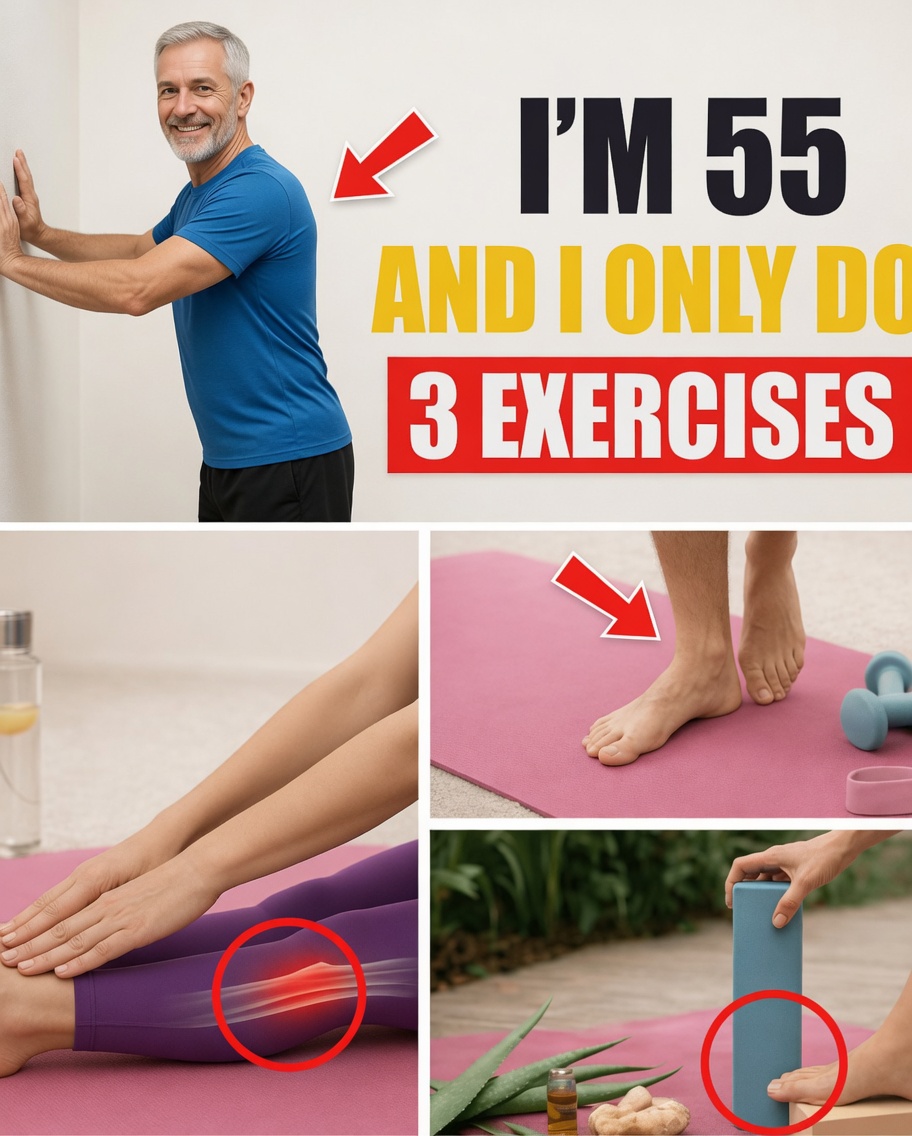
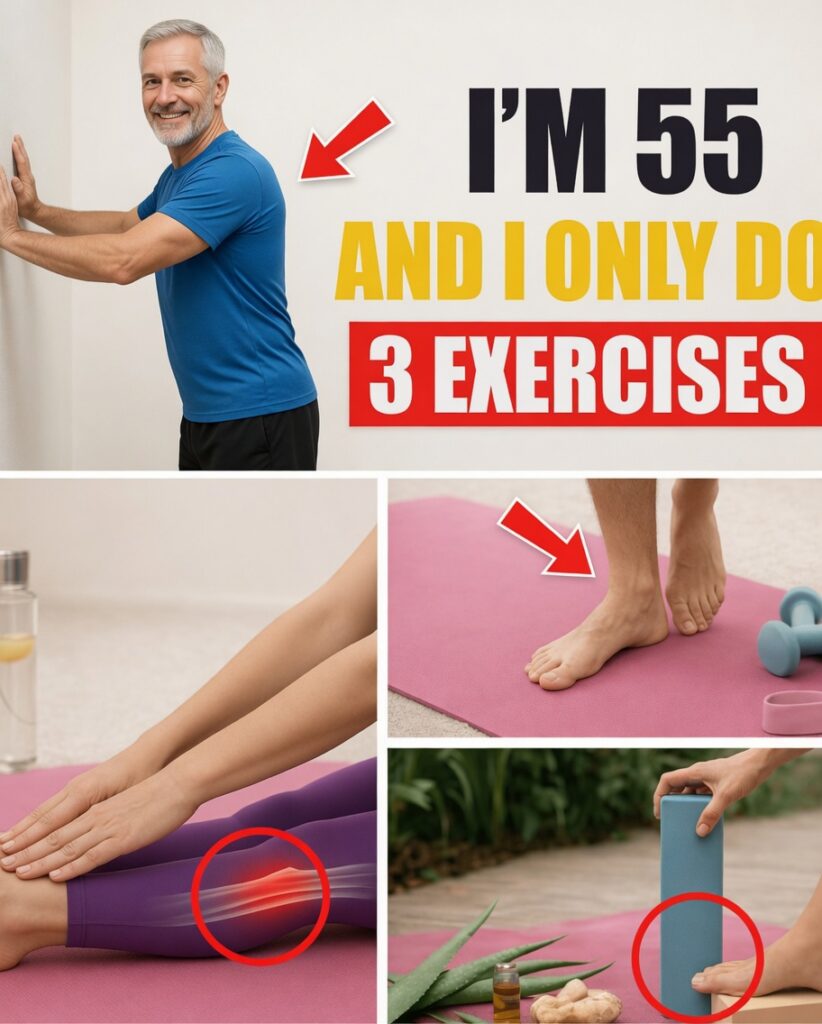
Below are three low-impact exercises after 60 that take about 7 minutes total, require no equipment, and are widely used by active older adults to feel steadier and more comfortable in day-to-day life.
Why Strength and Balance Become So Important After 60
As we age, the body tends to lose muscle mass, joint range of motion, and stability—especially if movement becomes less frequent. Over time, normal tasks like standing up, climbing stairs, or walking on uneven ground can feel more demanding, and concerns about slips or falls may increase.
Research consistently shows that regular, gentle strength training after 60 helps maintain muscle, supports balance, and can improve how joints feel during daily movement. The goal isn’t heavy weights or complicated routines. It’s practicing a few fundamental patterns that target the areas most affected by aging.
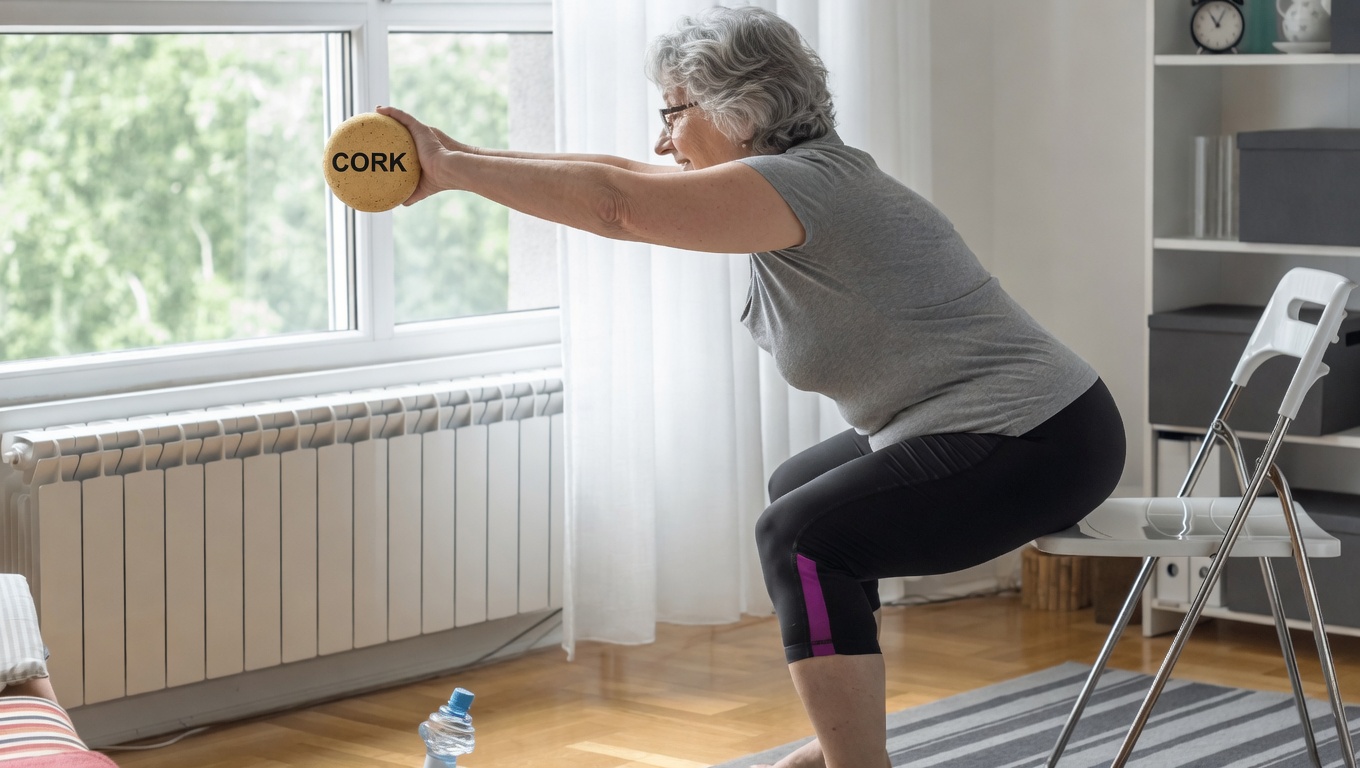
Here are the three exercises covered in this 7‑minute routine:
- Grandma Squat (2 minutes): supports knees, hips, and balance
- Wall Push-Up Plus (3 minutes): supports shoulders, chest, and posture
- Dead Bug (2 minutes): supports core stability and lower back comfort
1. Grandma Squat: A Gentle Way to Support Knees, Hips, and Balance (2 Minutes)
One of the first areas many people notice weakening after 60 is the quadriceps (the large muscles on the front of your thighs). When these muscles lose strength, everyday actions—like getting up from a chair, climbing stairs, or kneeling—can feel harder.
The Grandma Squat is one of the most accessible exercises after 60 because it reinforces a movement you use constantly: sitting down and standing up—while also improving balance.
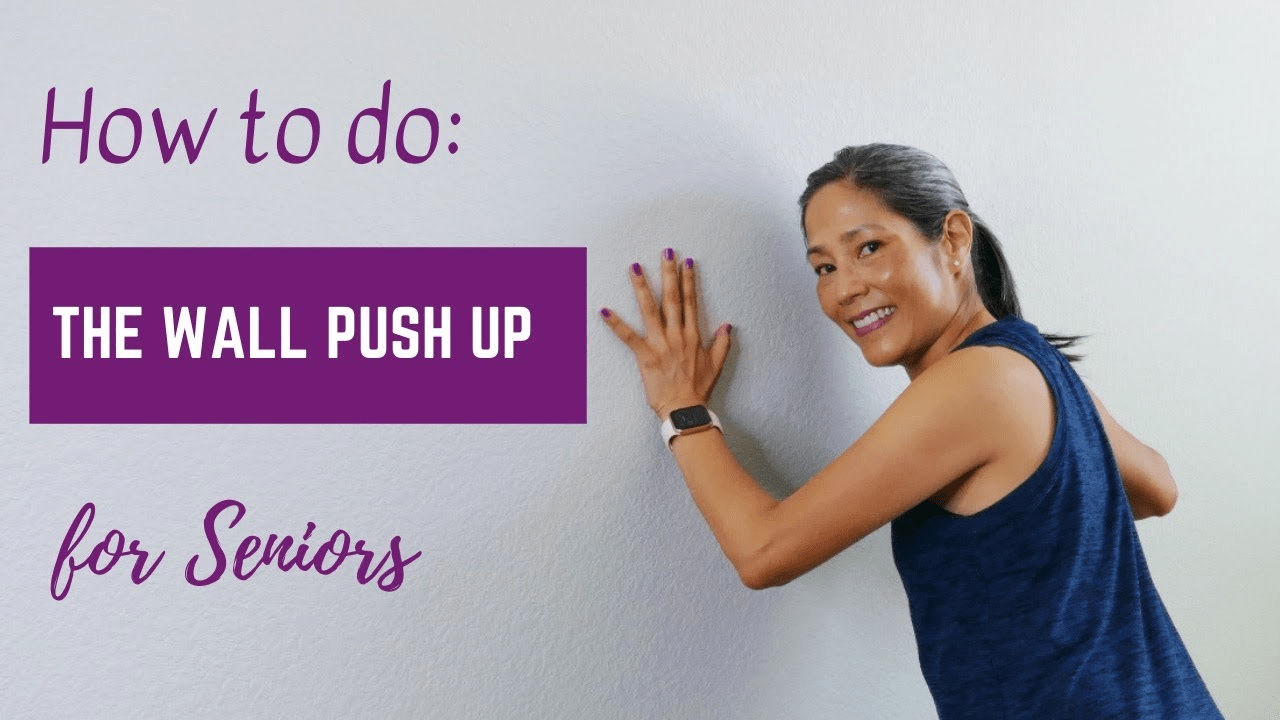
How to do the Grandma Squat
- Stand with your feet about shoulder-width apart.
- Extend your arms forward for balance, or lightly hold a sturdy chair if needed.
- Slowly lower your hips back as if sitting into an invisible chair.
- Go only as far as feels comfortable and controlled.
- Pause briefly, then gently press through your feet to stand tall again.
- Do 10–15 slow reps over about 2 minutes.
What many people notice: with consistent practice, standing up, walking stairs, and moving from seated positions often feels smoother within a few weeks.
Easier option: If squatting feels too challenging, practice sit-to-stand from a sturdy chair. It still provides meaningful strength benefits after 60.
2. Wall Push-Up Plus: Shoulder Mobility and Better Posture (3 Minutes)
Stiff shoulders are common after 60 and can make daily tasks—reaching a high shelf, putting on a jacket, washing your hair—uncomfortable or limited.
The Wall Push-Up Plus is a joint-friendly exercise after 60 that strengthens the chest and shoulders while also activating the small stabilizing muscles around the shoulder blades (important for posture and comfortable overhead reach).
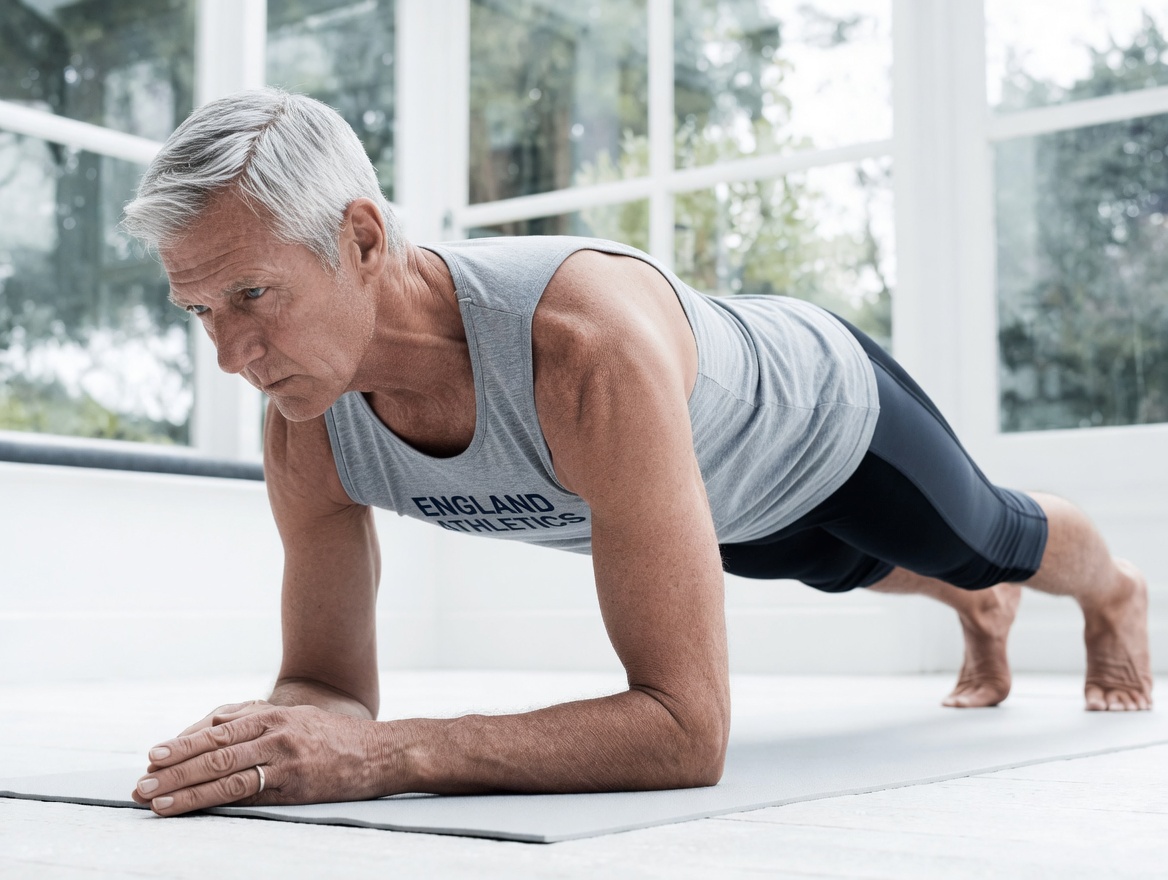
How to do the Wall Push-Up Plus
- Stand facing a wall, placing your hands on it at chest height, about shoulder-width apart.
- Bend your elbows and lean toward the wall in a slow, controlled motion until your nose nearly reaches it.
- Press back to the start position.
- At the top, add the “plus”: gently squeeze your shoulder blades together for 1 second, then relax.
- Complete 15–20 reps over about 3 minutes.
Why it works well after 60: This movement is easier on wrists, elbows, and shoulders than floor push-ups, yet still builds useful strength for everyday function and posture.
3. Dead Bug: Core Stability for Lower Back Comfort (2 Minutes)
Lower back tightness often becomes more noticeable after 60, and one common reason is reduced core stability. When the core isn’t supporting the spine efficiently, bending, lifting, and even standing for long periods can feel less comfortable.
The Dead Bug is a no-crunch, spine-friendly core exercise after 60. It trains deep core control while encouraging a stable, supported lower back.
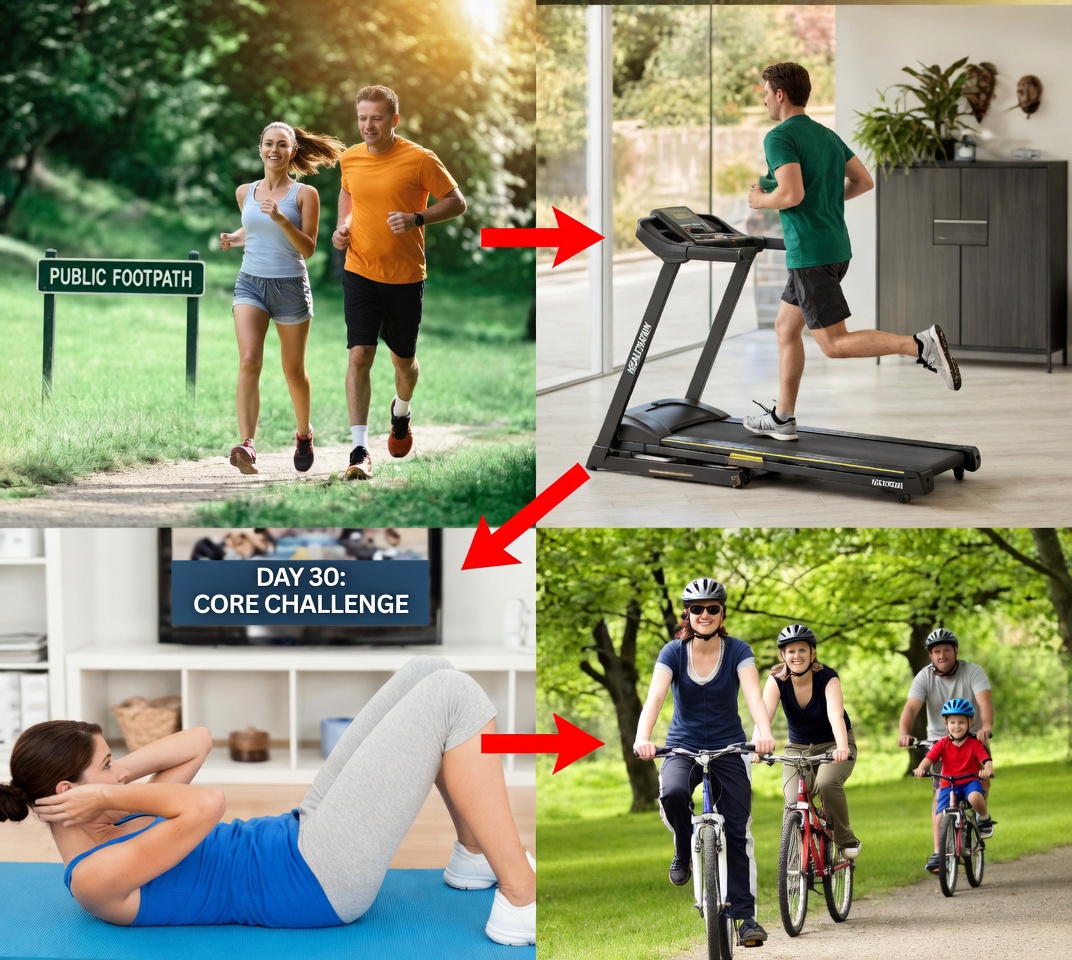
How to do the Dead Bug
- Lie on your back (or choose a modified seated version if getting to the floor is difficult).
- Raise your arms toward the ceiling and bend your knees to about 90 degrees.
- Slowly lower one arm and the opposite leg toward the floor, keeping your lower back gently supported against the ground.
- Return to the starting position and switch sides.
- Do 10–12 slow reps per side over about 2 minutes.
What many people notice: more stability during everyday tasks—like standing up, carrying items, or bending—often improves with consistent practice.
Real Experiences: Adults Over 60 Who Tried These Exercises
- Margaret, 74 (former nurse): “I started these exercises after 60 because getting in and out of the car was becoming difficult. Within a month, movement felt smoother—especially the squats for my knees.”
- John, 68 (retired teacher): “My shoulders were so stiff that putting on jackets was a struggle. The wall push-ups helped a lot. I reach high shelves more easily now.”
- Susan, 71: “After gardening, my lower back used to ache. The Dead Bug made my middle feel stronger, and I can enjoy my flowers again.”
These outcomes are common when people keep the routine simple and consistent—small daily efforts often create noticeable changes.
How to Start Safely (and Actually Stick With It)
- Begin gently: even 1 minute per exercise is a good start if you’re new to workouts after 60.
- Pay attention to signals: stop if you feel sharp pain or anything that feels wrong.
- Pick a consistent time: many people prefer mornings while coffee is brewing.
- Use support freely: a chair for balance or a wall for stability is a smart choice, not a weakness.
- Track real-life progress: notice how stairs, bending, carrying bags, and standing up feel week by week.
For exercises after 60, consistency matters far more than intensity.
Final Thoughts: 7 Minutes Can Make a Real Difference
A short daily habit—Grandma Squat, Wall Push-Up Plus, and Dead Bug—can support strength, balance, posture, and everyday comfort after 60.
No gym. No equipment. Just a few minutes and steady practice. Start tomorrow morning and observe how your body responds over the next few weeks.
Frequently Asked Questions
Can I adjust these exercises if I have joint limitations?
Yes. Use a chair for the squat, change your distance from the wall for push-ups, and perform a seated or simplified Dead Bug. Modifications can still provide meaningful benefits after 60.
How often should I do these exercises?
Daily is ideal, or at least 5–6 days per week. Even 3–4 days weekly can still help, especially if you’re consistent.
When will I notice results?
Many people over 60 feel small improvements in movement ease within 2–4 weeks, with continued progress over time as the routine becomes a habit.