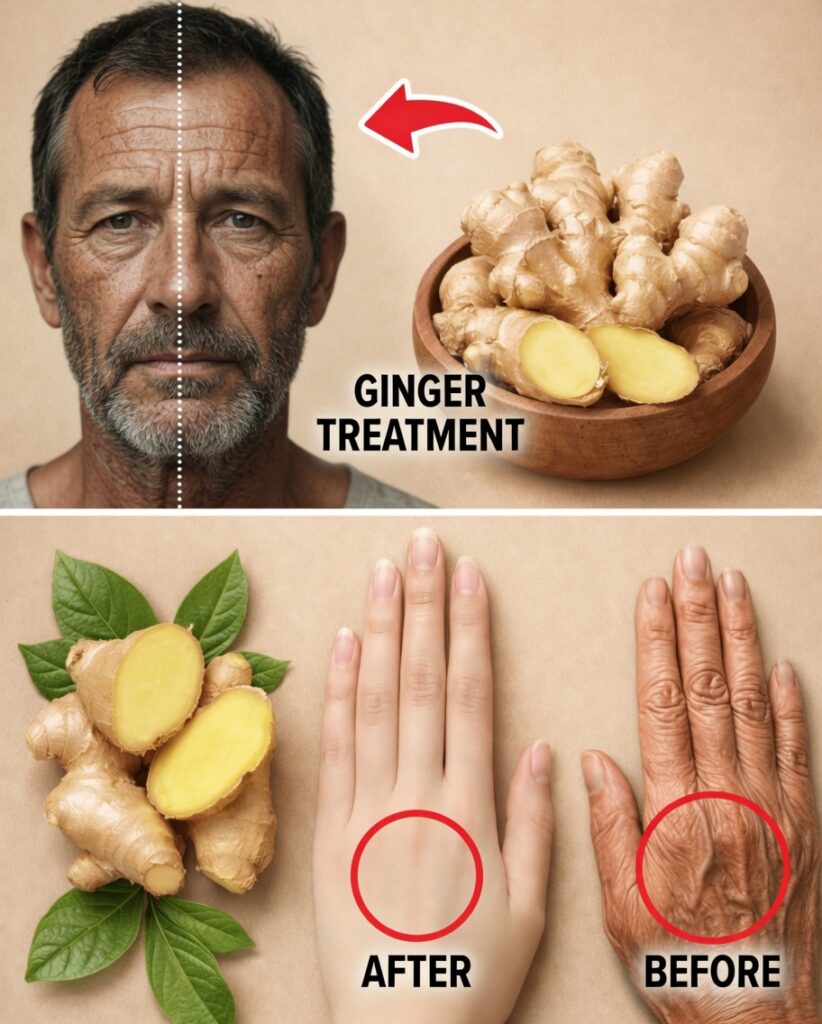
Skin After 40: Why It Can Look Tired—And How Ginger May Help
Many women over 40 notice a frustrating change in the mirror: skin that looks flat and fatigued even after a solid night of sleep. Uneven tone, periodic redness, and a fading “fresh” glow can make you feel older than you are—especially when premium skincare doesn’t live up to the promise. As fine lines become more noticeable and your skin feels less resilient to everyday stress, it’s natural to start looking for gentler, more reliable options.
One surprising contender is ginger, a familiar kitchen spice now gaining attention for its potential to support brighter, calmer-looking skin after 40.
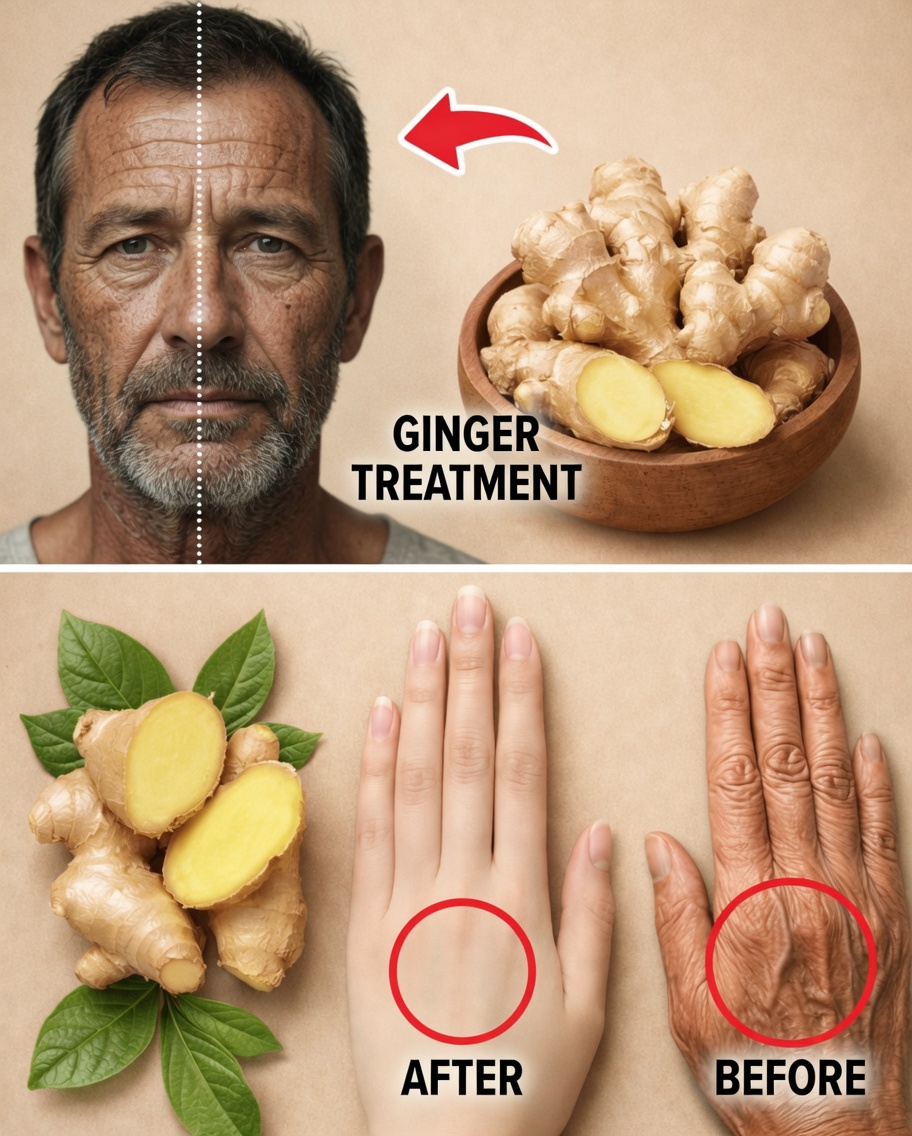
Why Skin Often Changes After 40 (and Why Ginger Is Being Talked About)
After 40, skin typically behaves differently for several reasons:
- Collagen production declines, which can reduce firmness and bounce.
- Moisture retention drops, making skin look less plump and more dull.
- Cumulative environmental exposure (sun, pollution, stress) becomes more visible, often showing up as uneven texture and tone.
This shift can feel discouraging when you remember how easily your skin used to “recover.” Ginger enters the conversation because it contains bioactive compounds—especially gingerol—that are widely studied for their antioxidant and soothing potential.
Research referenced in publications such as Phytotherapy Research highlights ginger’s antioxidant activity, which may help defend against oxidative stress—a major contributor to that worn-out look many women notice in mature skin.
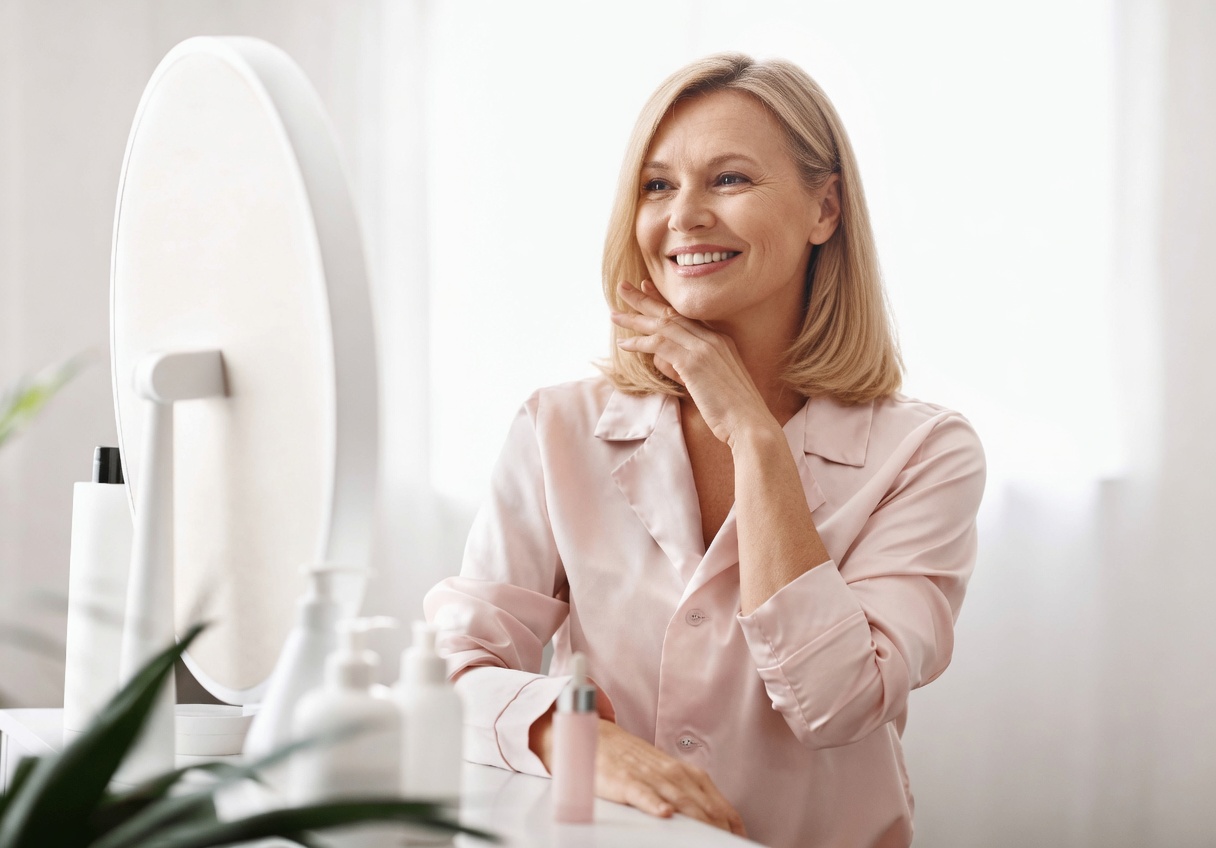
Potential Benefits of Ginger for Mature Skin
Ginger isn’t only a wellness ingredient for tea. Women exploring natural skincare options after 40 often choose ginger because it may offer multiple supportive effects at once:
- Encourages circulation with a gentle warming effect, which may help dull skin appear more “awake.”
- Provides antioxidant support, which is commonly associated with helping protect collagen and minimizing the look of early fine lines over time.
- Helps soothe occasional redness and irritation, especially as skin can become more reactive with age.
- Supports comfortable hydration without feeling heavy—useful for skin that’s dry yet still prone to congestion.
- Adds a layer of daily environmental support, since mature skin often feels the impact of stressors more quickly.
What many women find most appealing is the possibility of a natural, understated radiance—the kind of healthy glow that doesn’t look overdone.
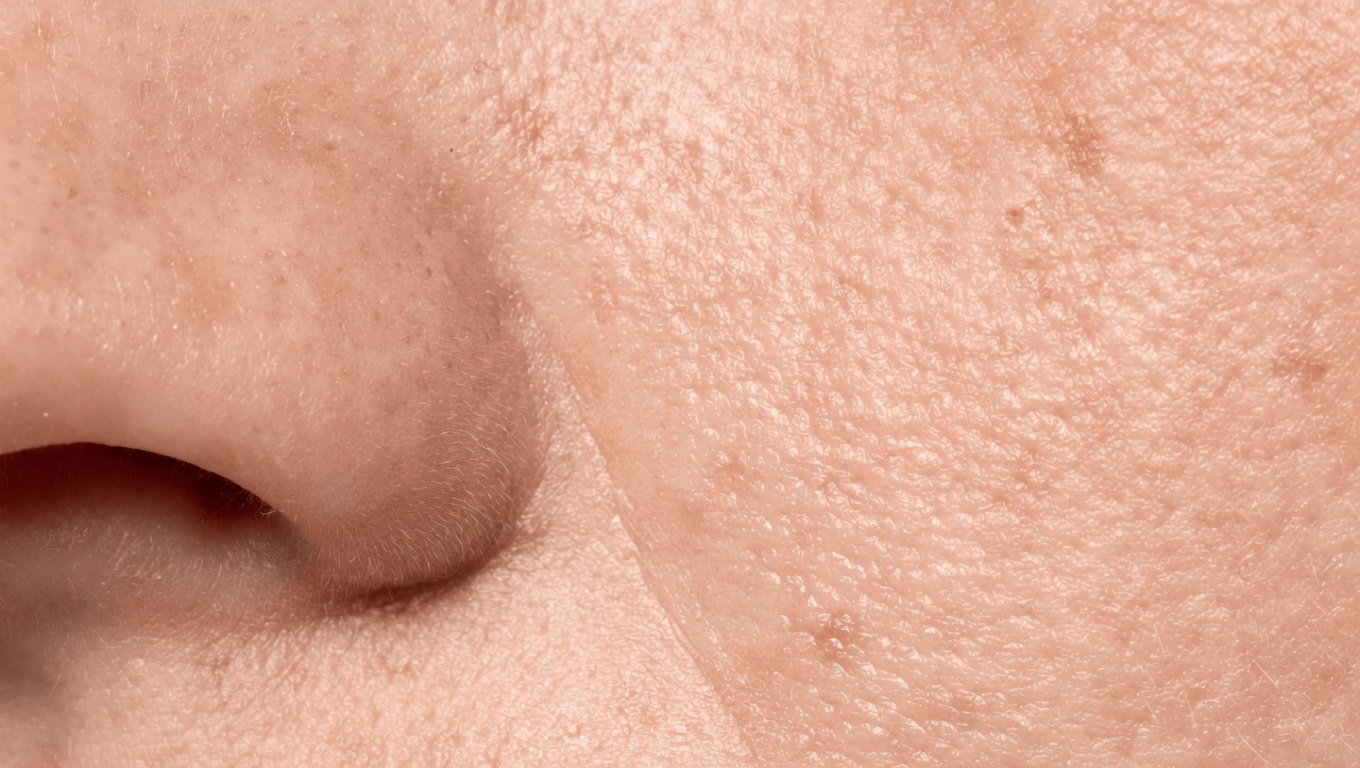
Ginger vs. Common Skincare Ingredients: A Quick Comparison
If you’re wondering how ginger fits into a routine for skin after 40, here’s a practical comparison based on commonly cited findings in sources like the Journal of Medicinal Food and the International Journal of Molecular Sciences.
-
Ginger (gingerol)
- Antioxidant support: High
- Soothing potential: Yes
- Circulation boost: Yes
- Daily-use friendliness for mature skin: Generally yes
-
Vitamin C
- Antioxidant support: High
- Soothing potential: Moderate
- Circulation boost: No
- Daily-use friendliness for mature skin: Can be sensitizing
-
Retinol
- Antioxidant support: Moderate
- Soothing potential: Limited
- Circulation boost: No
- Daily-use friendliness for mature skin: Often irritating after 40
-
Niacinamide
- Antioxidant support: Moderate
- Soothing potential: Yes
- Circulation boost: No
- Daily-use friendliness for mature skin: Usually gentle
Because ginger may combine antioxidant support + soothing comfort + circulation support, many people see it as a gentler option compared with harsher actives.
A Simple Ginger-Inspired Routine for Skin After 40 (90 Seconds)
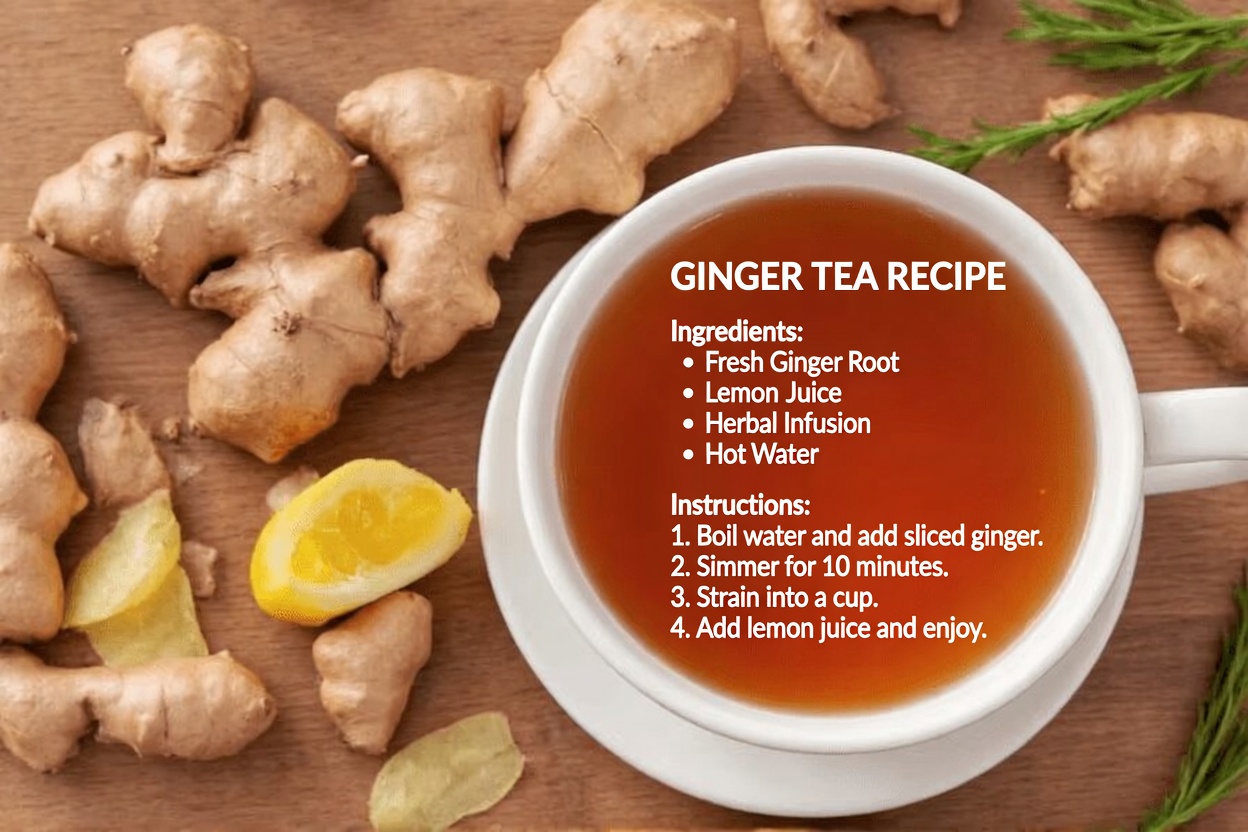
If you want to test ginger in a low-effort way, this minimal routine uses cooled ginger tea as a facial rinse—simple, affordable, and easy to repeat.
-
Make the tea
- Steep 1–2 thin slices of fresh ginger in hot water for 5 minutes.
- Let it cool completely before it touches your skin.
-
Rinse gently
- Splash or pat the cooled tea onto clean skin.
- Avoid the eye area.
-
Lightly massage
- Pat softly for 30–60 seconds to support circulation.
-
Moisturize right away
- Apply your usual moisturizer while skin is still slightly damp to seal in hydration.
If your skin is sensitive, start with a weaker brew (less ginger, shorter steep time). Some women report smoother-feeling skin within days, with more visible brightening after a few weeks of consistent use.
Important: Always patch test first. If you are pregnant or take blood-thinning medication, consult a healthcare professional—ginger can be potent.
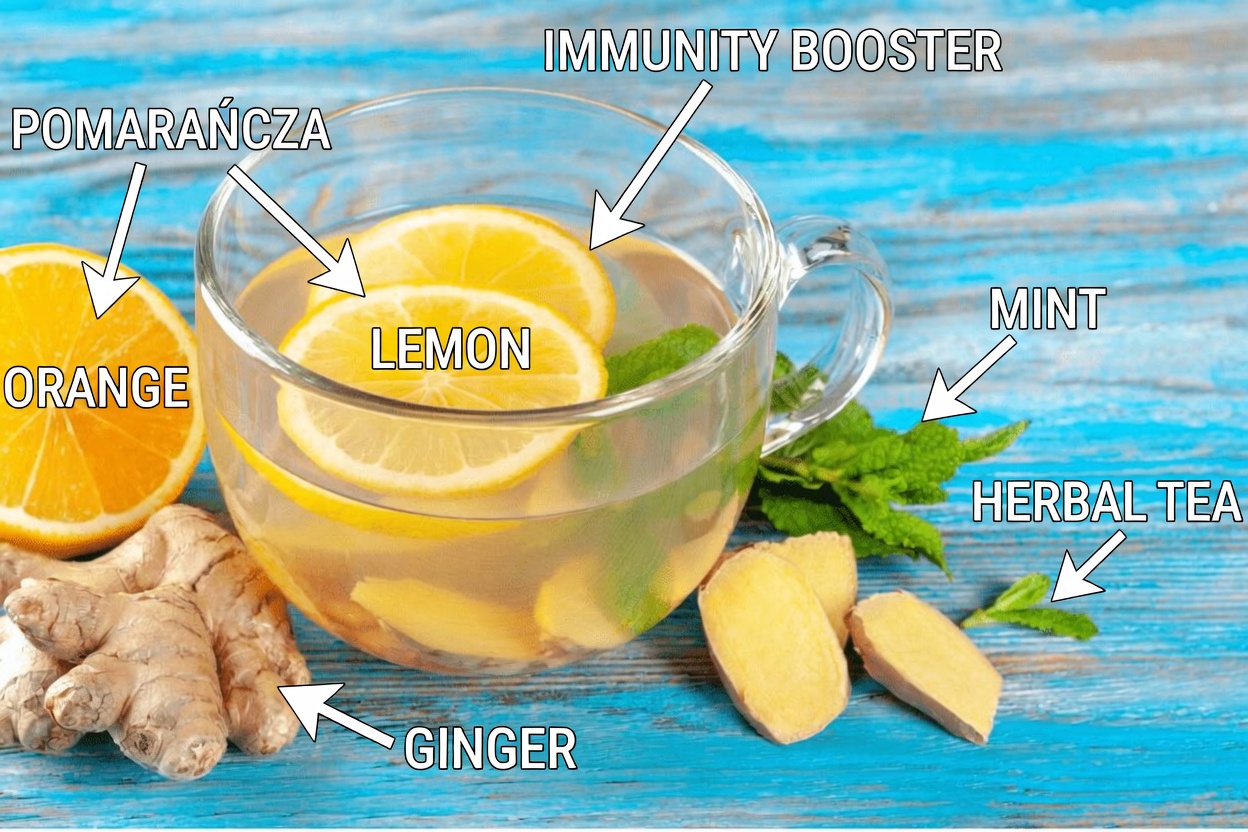
FAQ: Ginger and Skin After 40
Can ginger actually improve dull-looking skin after 40?
Some women report that their skin appears brighter and feels softer, likely connected to ginger’s warming/circulation effect and antioxidant properties. Results vary, and consistency tends to matter most.
Is ginger safe for sensitive, mature skin?
When ginger tea is properly diluted and fully cooled, many people find it comfortable. A mild tingle can be normal, but it should feel like warmth—not burning. Discontinue if irritation persists.
How quickly could I notice a difference?
Many women say their skin looks more refreshed within the first week. A more noticeable glow often appears around weeks 3–4 with regular use.
Final Thoughts: Could Ginger Be a Gentle Ally for Skin After 40?
You don’t necessarily need another expensive product or a complicated multi-step routine to support healthier-looking skin after 40. A simple ginger tea rinse may be a natural, time-tested approach that helps encourage radiance and calm the common concerns that show up with age.
Start small, pay attention to how your skin responds, and stay consistent. The glow you’ve been missing may be simpler than you think.
Disclaimer: This content is for informational purposes only and does not replace medical advice. Consult a qualified healthcare professional before introducing new ingredients—especially if you have sensitive skin, allergies, or underlying health conditions.