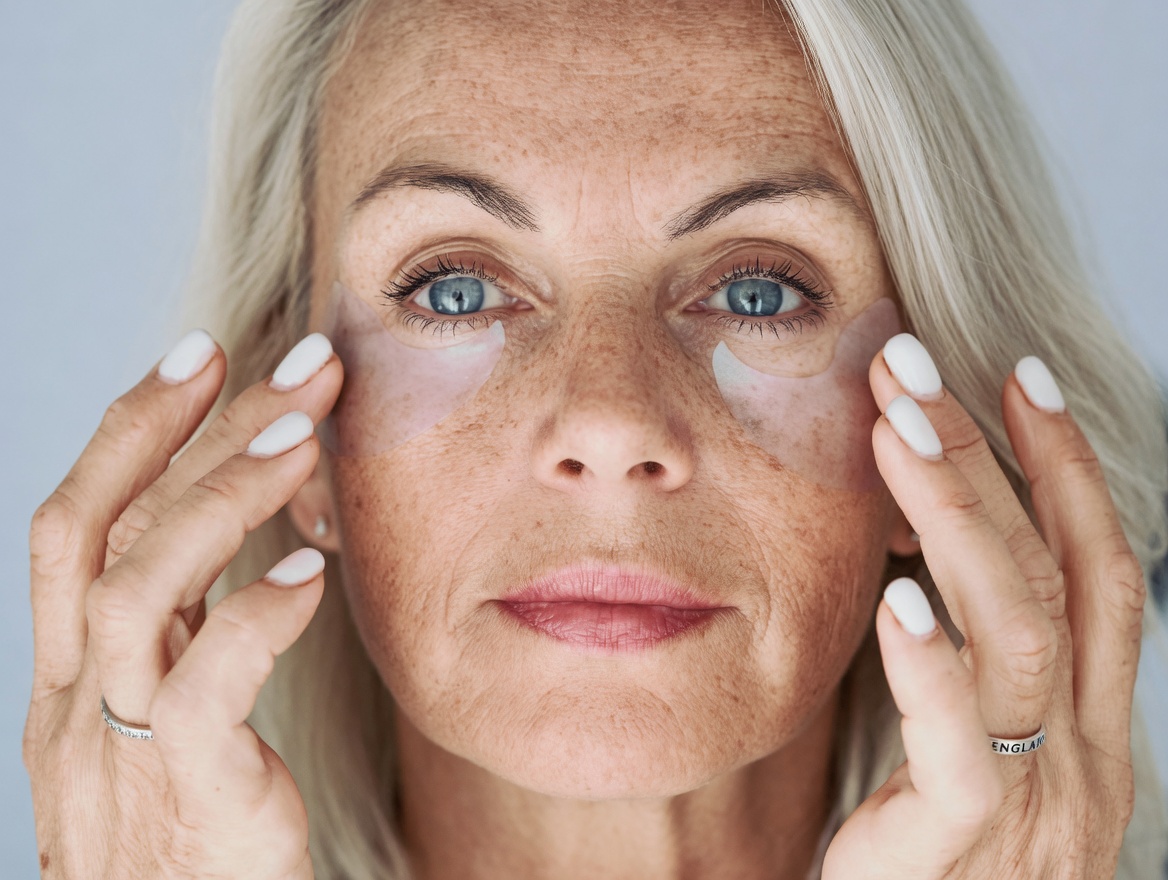
Seeing New Lines at Night? A Gentle Overnight Mask Many Women Over 70 Turn To
Looking in the mirror before bed and noticing deeper creases around the eyes and mouth—or a dry, crepey feel on the cheeks—can be disheartening. After 70, skin often appears less plump and less radiant as natural oil production drops and the skin becomes thinner. And while high-end creams often promise dramatic results, they don’t always deliver (or they may irritate sensitive, mature skin).
A simple, kitchen-friendly option many women explore is a yeast and yogurt mask. Thanks to naturally occurring ingredients like lactic acid and moisturizing compounds, this easy ritual may help the skin feel more comfortable and hydrated by morning. Below is a quick 3-minute recipe, plus one tip that can improve the experience.
Why Mature Skin Often Needs Extra-Gentle Overnight Hydration
As we age—especially past 70—several changes can make skin look and feel drier and more lined:
- Thinner skin structure, which can make fine lines and texture more noticeable
- Lower oil production, leading to tightness and flaking
- Reduced bounce and glow, often linked to slower cell turnover and dehydration
Traditional skincare routines using yogurt, yeast, and sometimes honey draw on simple, naturally derived components:
- Yogurt contains lactic acid, a mild AHA that can gently refine the surface
- Yeast provides B-vitamins and antioxidant-related nutrients often used in skincare
- Honey acts as a humectant, helping the skin hold onto moisture
Some research suggests lactic acid may support smoother-looking skin and improved feel, while humectants can help reduce dryness. Many users also say their skin looks dewier and feels softer after consistent use.
Key Ingredients in a Yeast and Yogurt Mask (And What They Do)
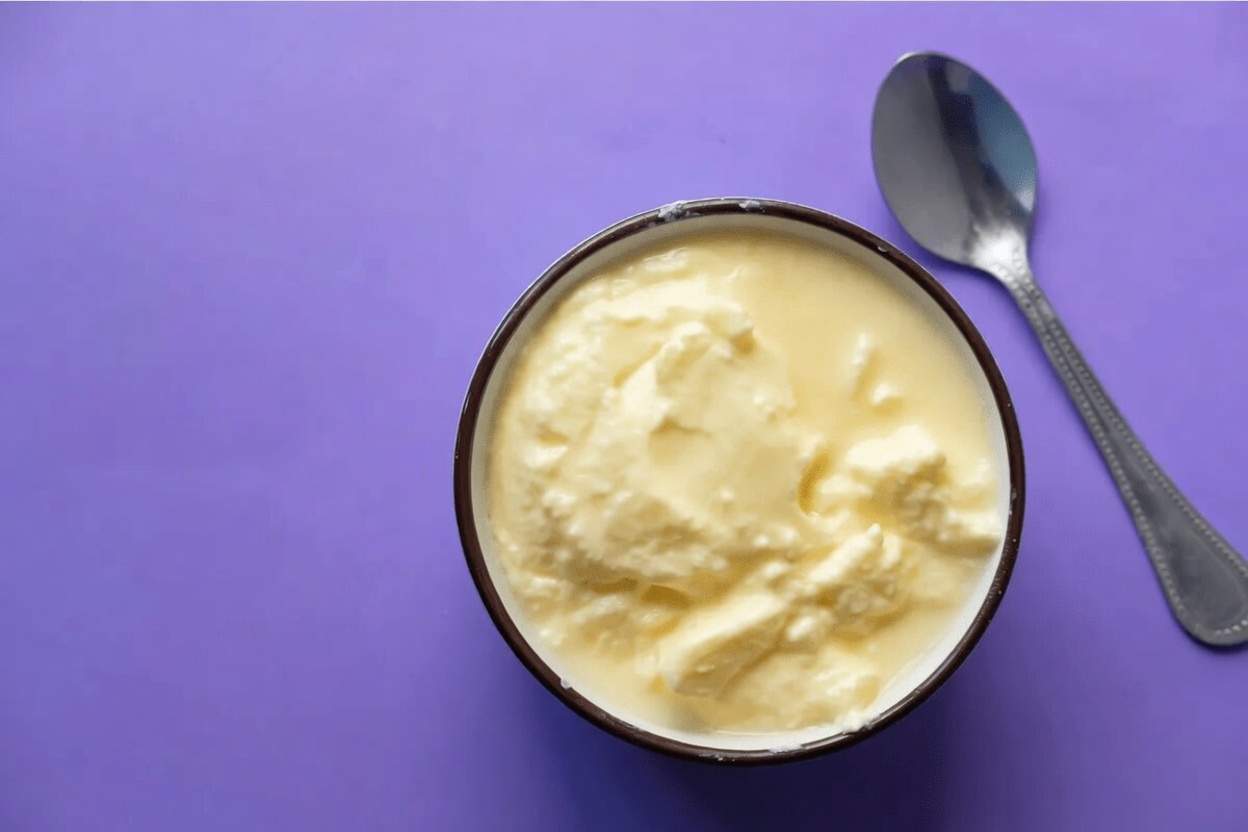
Plain Yogurt With Live Cultures
Choose plain, full-fat yogurt (Greek or regular). It contains lactic acid, a gentle alpha hydroxy acid associated with improved hydration and smoother texture—especially helpful for mature skin that feels rough or dull.
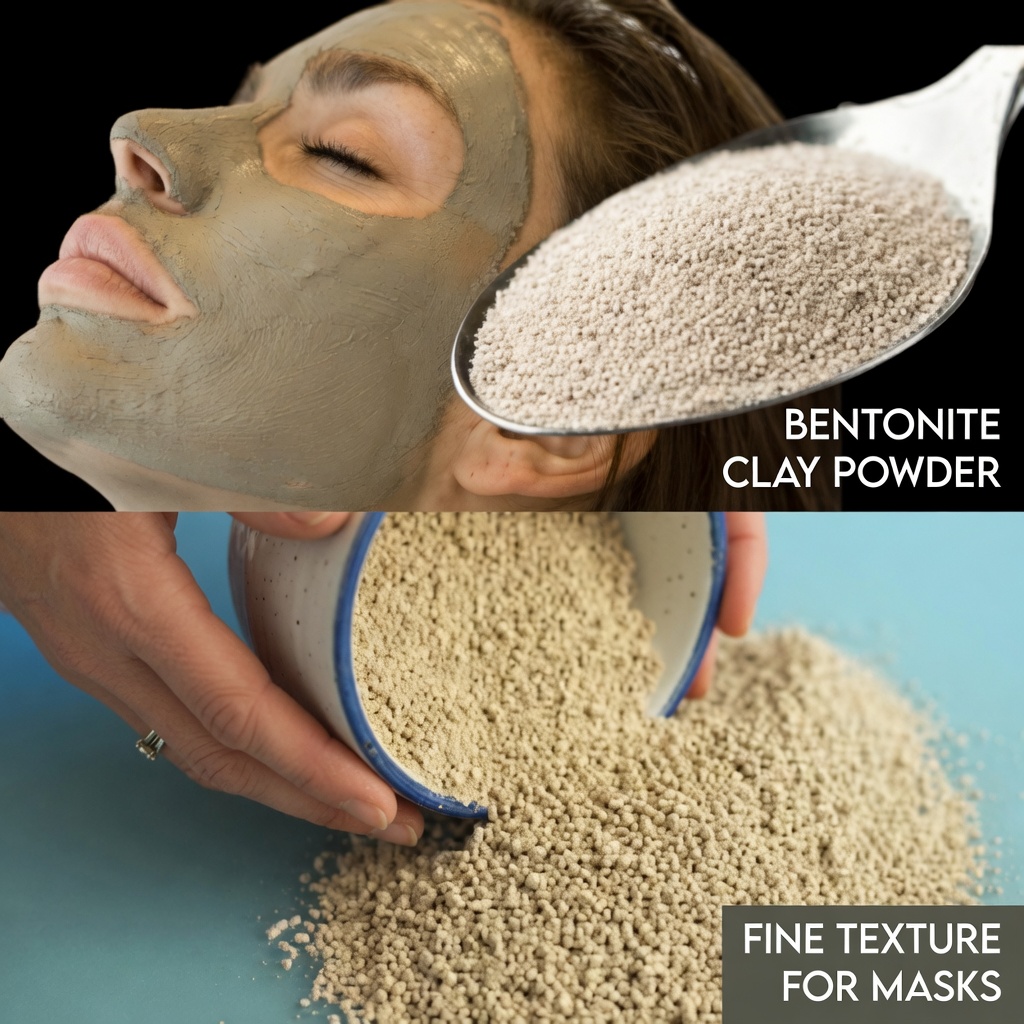
Nutritional Yeast or Brewer’s Yeast
Yeast is naturally rich in B-vitamins and is often discussed for its potential supportive role in skincare. Certain yeast-derived ingredients are also explored for helping the look of elasticity and overall skin condition.
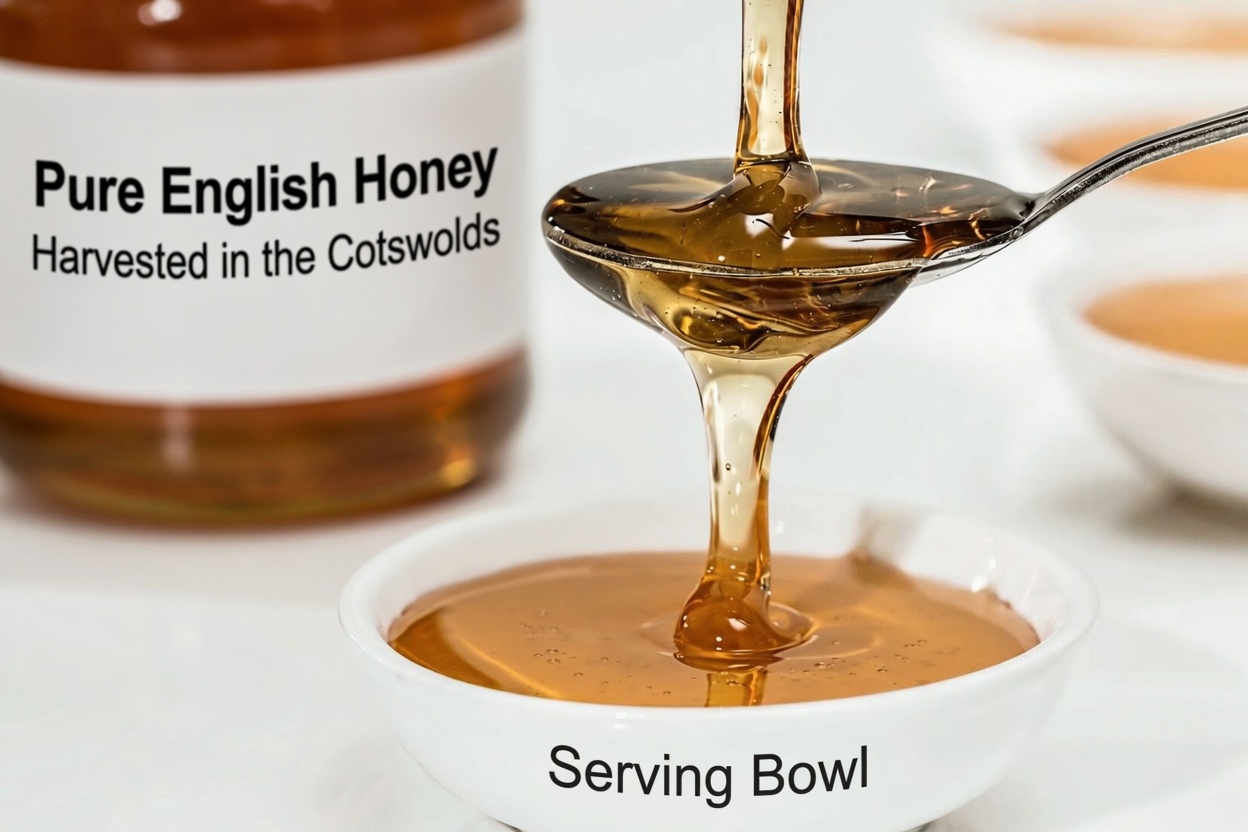
Optional: Raw Honey
Honey is widely used as a natural humectant, meaning it helps draw moisture toward the skin. This can be particularly useful if dryness is the main concern.
Easy 3-Minute Yeast and Yogurt Mask Recipe
This quick mask uses affordable ingredients and can be done as part of a bedtime routine.
Ingredients
- 1 teaspoon nutritional yeast or brewer’s yeast
- 2 teaspoons plain full-fat yogurt (with live cultures)
- 1/2 teaspoon raw honey (optional, for extra hydration)
Steps
- In a small bowl, mix until smooth and spreadable.
- Cleanse your face and gently pat dry.
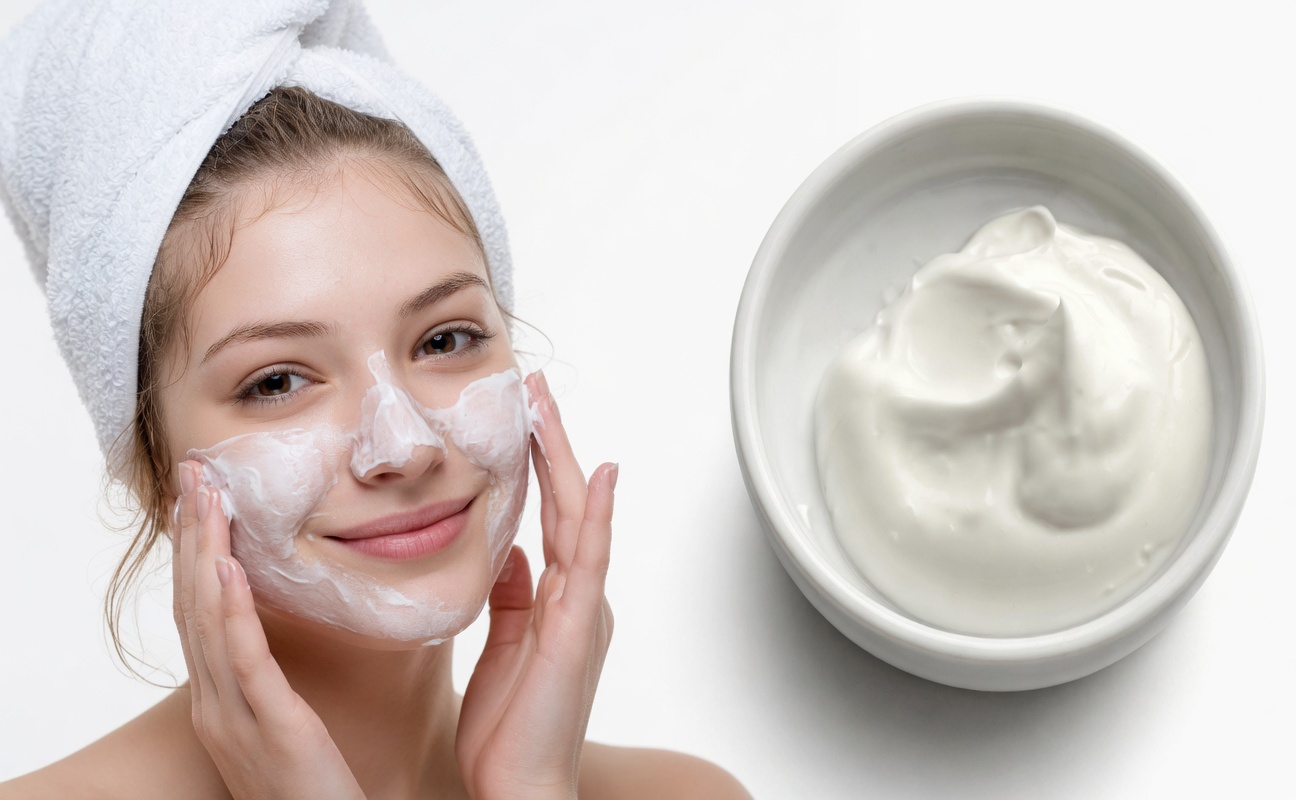
- Apply a thin layer to face and neck (avoid the eye area).
- Either:
- Leave on overnight, or
- Rinse after 15–20 minutes if you prefer a shorter application
- In the morning, rinse with cool water.
Pro tip: Mix a small amount and store it in the refrigerator for up to 4–5 days.
Important: Always do a patch test first. Many people use this mask 1–3 times per week, depending on how their skin responds.
What Many People Notice Over Time (With Consistent Use)
While results vary, users commonly describe these kinds of changes:
- After 1 night: Skin may feel softer and more hydrated (often from immediate moisture support).
- After 7 nights: Skin can appear more refreshed, with less visible dryness (gentle surface smoothing may help).
- After 30 nights: Texture may look smoother with subtle plumping effects (from ongoing hydration and skin-supportive nutrients).
These effects are typically temporary and comfort-focused, not permanent structural changes. Deeper lines usually respond best to long-term skincare strategies and professional guidance.
Tips to Get Better Results From Your Yeast and Yogurt Mask
- Use full-fat yogurt for richer moisture support.
- Add honey if dryness and tightness are your biggest issues.
- In the morning, follow with your regular moisturizer to help seal in hydration.
- Be consistent—but reduce frequency if you notice redness, stinging, or irritation.
Many women over 70 like this approach because it’s simple, low-cost, and easy to fit into a nightly routine.
Frequently Asked Questions
Is a yeast and yogurt mask OK for sensitive, mature skin?
It’s often considered gentle due to mild lactic acid, but sensitivity varies. Always patch test first, and consult a dermatologist if you have reactive skin or existing conditions.
How often should I use a yeast and yogurt mask?
Start with 1–2 times per week. This is often enough to support hydration without overdoing exfoliation.
Can it really reduce lines overnight?
It may temporarily soften the look of lines by hydrating and lightly plumping the skin. More pronounced or deeper lines generally require ongoing care and, in many cases, professional options.
Medical Disclaimer
This article is for informational purposes only and does not replace medical or dermatological advice. Results vary by individual. Always patch test new skincare ingredients and speak with a qualified healthcare provider or dermatologist before starting a new routine—especially for mature or sensitive skin.