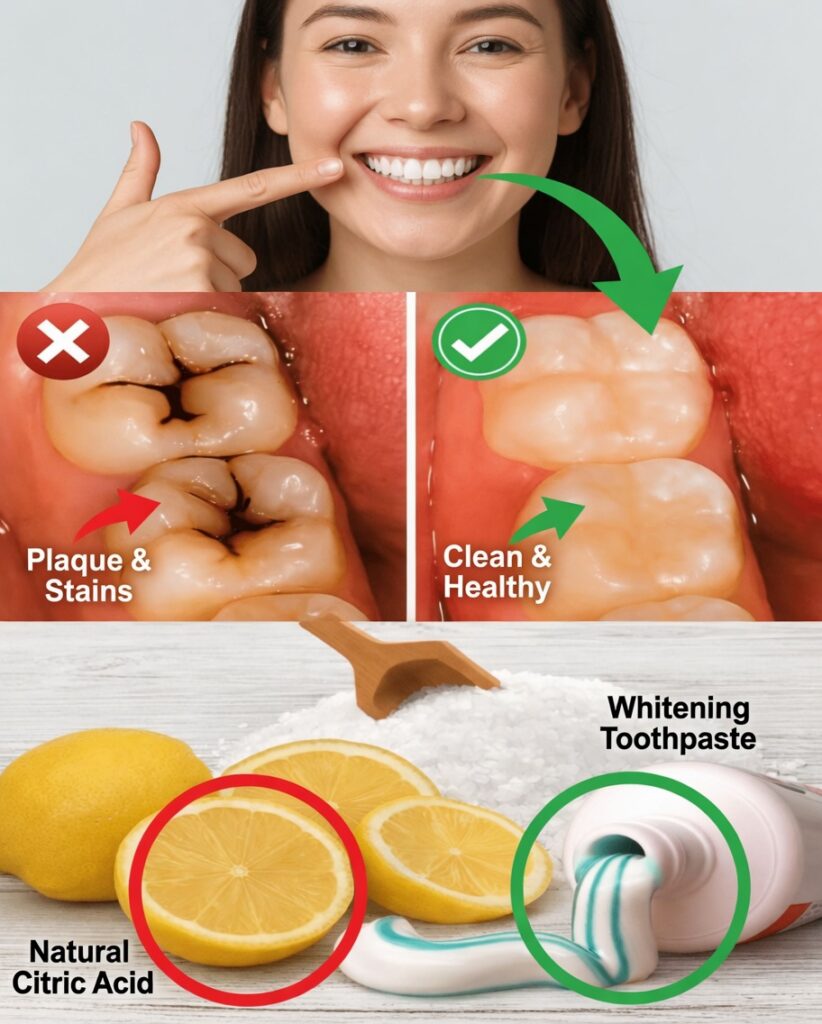
Concerned About a Possible Cavity? You’re Not Alone
Noticing a potential cavity often triggers worries about painful drilling, costly fillings, and rising tooth sensitivity—especially when hot or cold foods suddenly feel uncomfortable. Those fears can make dental appointments stressful and leave you feeling discouraged about your oral health.
The good news is that very early enamel damage may sometimes be supported through the body’s natural remineralization process, where minerals help rebuild the tooth’s surface before a true hole forms. Emerging research and clinical insights suggest that nutrient-dense habits and gentle oral care may help strengthen enamel and slow progression in the earliest stages.
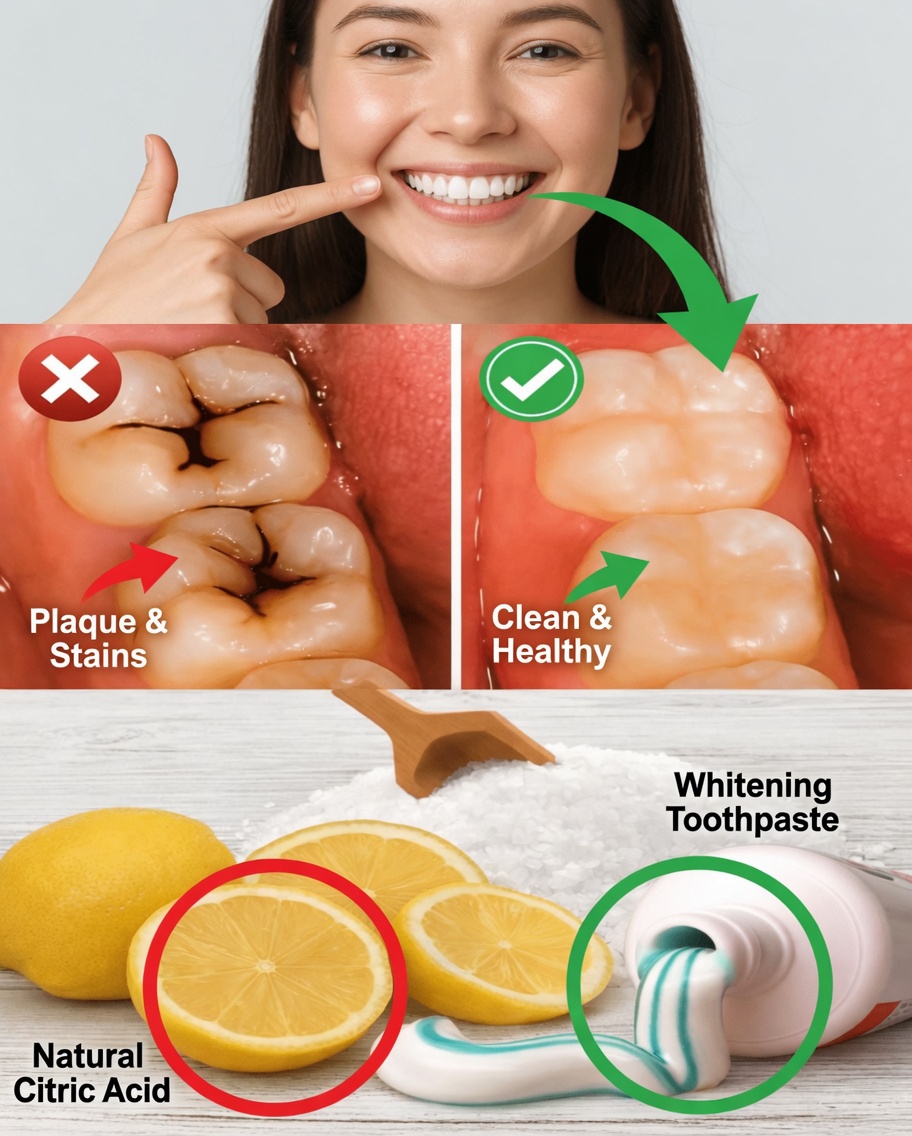
Below are evidence-inspired strategies many people use to support early cavity repair naturally, along with one simple daily ritual that can fit into most routines.
Early Cavities and the Remineralization Window
Cavities begin when oral bacteria feed on sugars and create acids that pull minerals out of enamel (demineralization). Over time, these weakened areas can progress into a visible cavity if the cycle isn’t interrupted—often leading to sensitivity and concern.
In the early phase—commonly seen as white spot lesions or initial enamel breakdown—the mouth can sometimes counteract damage by redepositing minerals back into the enamel. With the right conditions (good saliva flow, fewer acid attacks, and mineral availability), remineralization may become more effective.
Many people feel reassured knowing that proactive, natural steps might help in the beginning stages, potentially reducing the need for immediate intervention.
So what approaches are most commonly used to support early remineralization?
Key Nutrients That Support Stronger Enamel
Diet matters because enamel rebuilding depends on having enough minerals and cofactors available. Certain nutrients are consistently linked to better tooth and bone mineral metabolism, which may help support the goal to naturally repair an early cavity.
The core players include calcium, vitamin D, magnesium, and phosphorus. When these are low, enamel may be more vulnerable, and demineralization can accelerate.
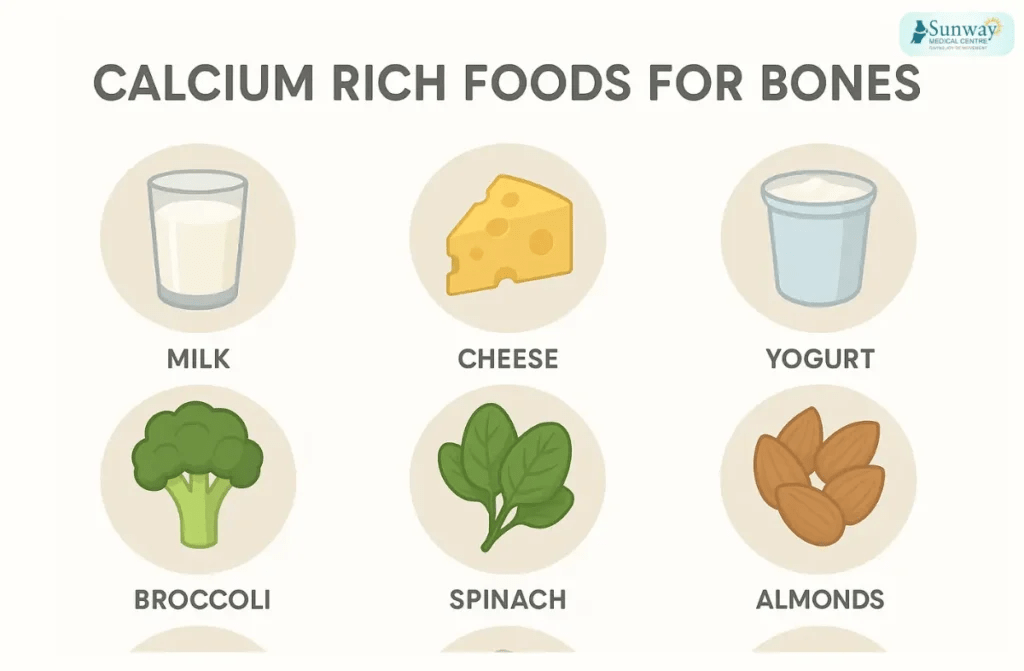
Essential Nutrients for Early Cavity Support
| Nutrient | How It Helps Teeth | Food Sources | Potential Remineralization Support |
|---|---|---|---|
| Calcium | Primary mineral for enamel structure | Dairy, leafy greens, almonds | Helps rebuild mineral density in enamel |
| Vitamin D | Improves calcium absorption and use | Sunlight, fatty fish, eggs | Supports overall mineral balance |
| Magnesium | Supports mineral utilization and tooth structure | Spinach, pumpkin seeds, legumes | May reduce weakness linked to mineral loss |
| Phosphorus | Works with calcium to strengthen enamel | Fish, eggs, whole grains | Encourages mineral redeposit in enamel |
Also Important: Reduce What Fuels Demineralization
To support remineralization, it helps to limit frequent exposure to:
- Sugary snacks and drinks (fuel acid-producing bacteria)
- Highly acidic foods and beverages (increase enamel softening)
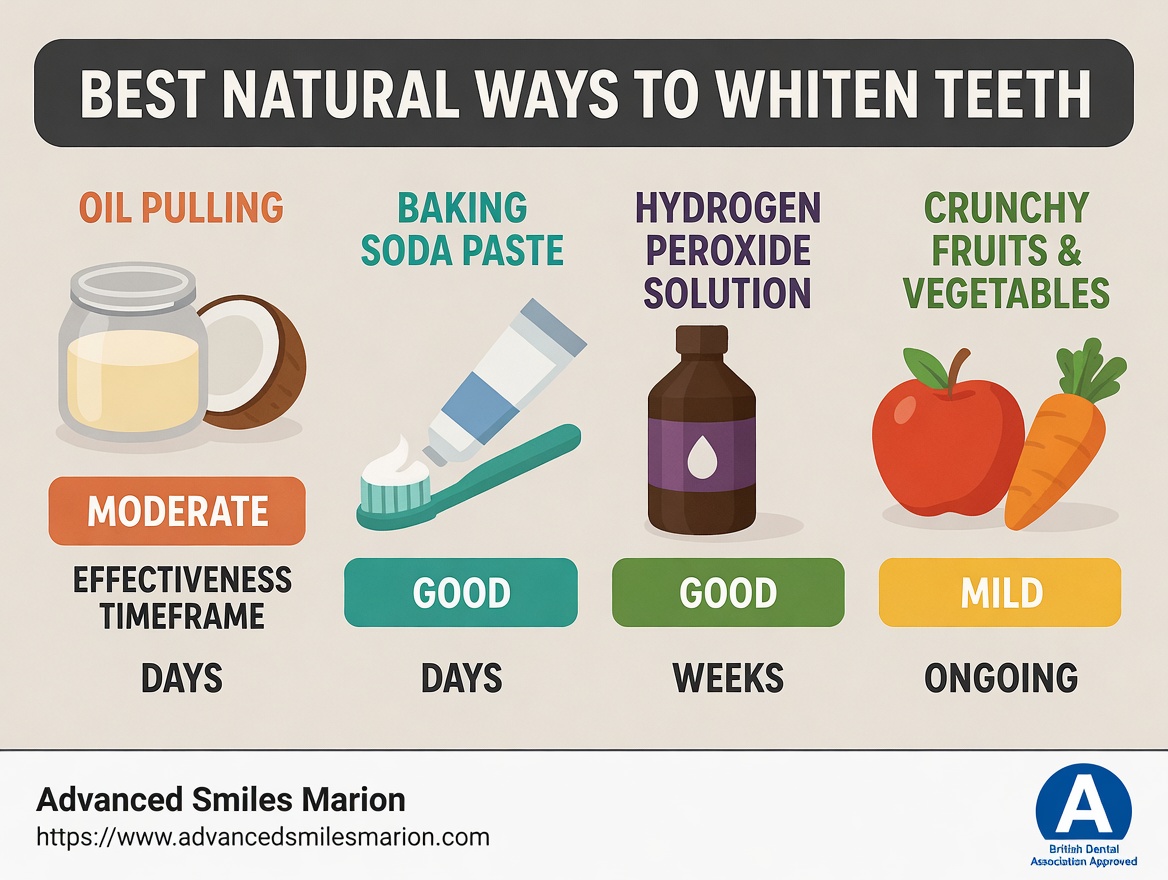
Oil Pulling: A Gentle Morning Ritual Many People Use
Oil pulling is a traditional practice that involves swishing oil in the mouth to help reduce bacteria and plaque buildup—factors that contribute to enamel breakdown.
Many people with mild sensitivity find it a supportive, low-impact habit while working to naturally repair a cavity in its early stage.
How to do it:
- Use 1 tablespoon of coconut oil.
- Swish gently for 10–15 minutes (do not gargle).
- Spit it into the trash (not the sink), then rinse.
- Brush as usual.
Consider Remineralizing Toothpaste Options
Some modern toothpastes are designed to support enamel mineral content more directly than standard formulas. Products containing hydroxyapatite (a mineral similar to natural enamel) or ingredients like calcium carbonate may help create a more enamel-friendly environment.
Switching to a remineralization-focused toothpaste can make you feel more proactive—especially if you’re trying to keep an early lesion from progressing.
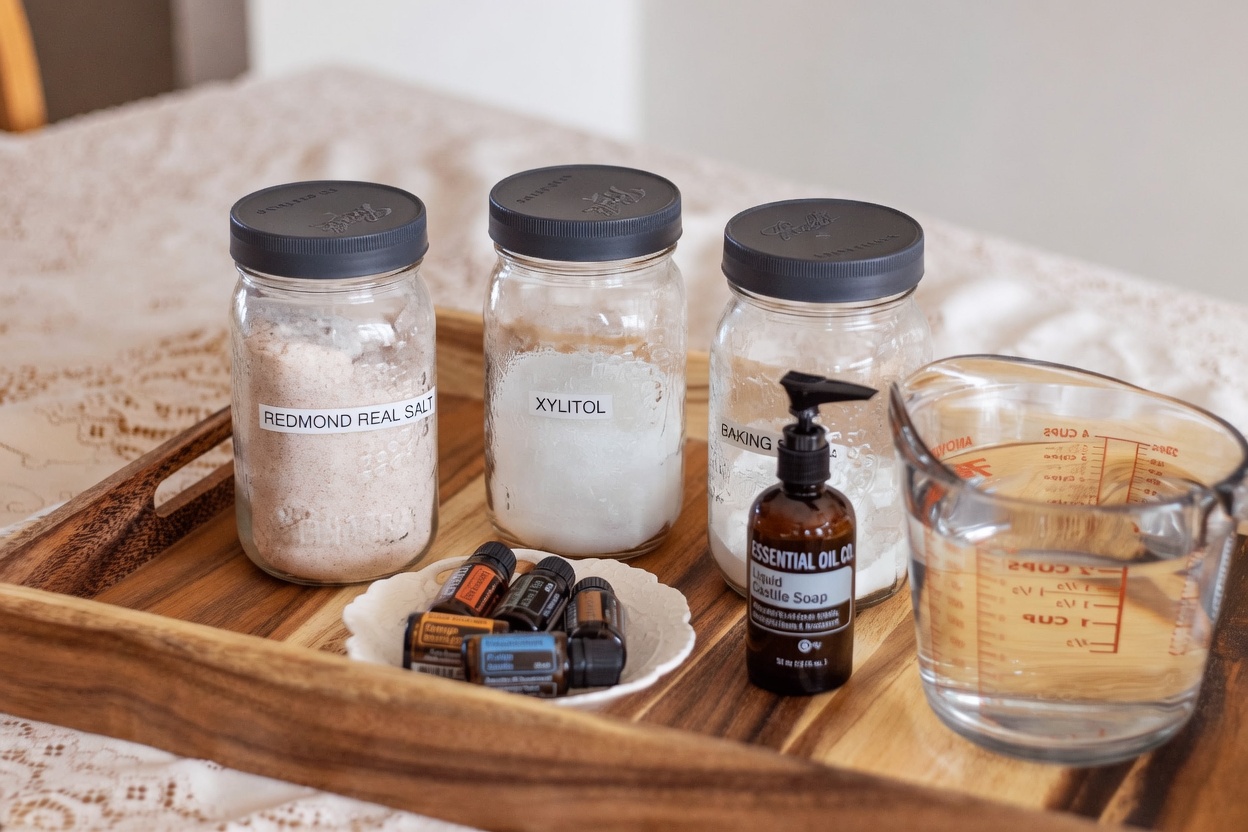
DIY Mineral Rinse to Support Daily Enamel Care
A simple mineral-rich rinse may help by delivering trace minerals and neutralizing acids after brushing—supporting conditions that favor remineralization.
Basic recipe (simple and gentle):
- Warm water
- A small pinch of sea salt
- A small pinch of baking soda
- Optional: 1 drop of an essential oil (use caution and proper dilution)
Swish for about 30 seconds, then spit. This can be a practical add-on for people concerned about early decay or sensitivity.
Herbal Support (Including Clove) for Oral Comfort
Clove has a long history in oral care due to naturally occurring compounds with antiseptic and soothing properties. While it doesn’t “fill” a cavity, it may help with temporary comfort as you support overall oral hygiene.
How people use it:
- Apply properly diluted clove oil to the area (never undiluted).
- Use sparingly and discontinue if irritation occurs.
Other herbs such as neem and licorice root are also studied for antibacterial potential and may support healthier oral bacteria balance.
Increase Saliva Flow: Your Built-In Defense System
Saliva is one of the mouth’s best natural protectors. It helps:
- Wash away food debris
- Neutralize acids
- Deliver minerals that support enamel
Low saliva flow can increase cavity risk and worsen sensitivity.
Simple ways to support saliva production:
- Stay well hydrated
- Chew xylitol gum after meals (often used to reduce cavity risk factors)
A Simple Daily Plan to Start Today
-
Morning
- Oil pulling (optional)
- Brush with a remineralizing toothpaste
- Use a gentle mineral rinse
-
With meals
- Choose nutrient-dense foods rich in key minerals
- Reduce frequent sugar and acidic snacking
-
Throughout the day
- Drink water regularly
- Chew xylitol gum after eating (if appropriate)
-
Evening
- Gentle brushing
- Herbal comfort support if needed (with safe dilution)
With consistency, people often aim for noticeable changes over weeks to months, especially reduced sensitivity—though progress should be monitored professionally.
Frequently Asked Questions
Can you naturally repair a cavity at home?
Early demineralization (like white spots) may respond to remineralization-supportive habits. However, a fully formed cavity typically requires professional treatment. A dentist can confirm what stage you’re in.
How long does it take to notice results?
Some people report improved comfort or less sensitivity in a few weeks, but enamel changes are gradual. Regular dental check-ups are the best way to track whether an early lesion is stabilizing.
Are these methods safe for everyone?
Many are generally gentle, but individual factors matter. Check with a healthcare professional if you have allergies, dry mouth conditions, are pregnant, or plan to use essential oils or significant dietary changes.
Medical Disclaimer
This article is for informational purposes only and does not replace professional dental or medical advice. If you suspect tooth decay, cavities, or ongoing sensitivity, consult a qualified dentist—early professional evaluation is especially important for advanced cases.