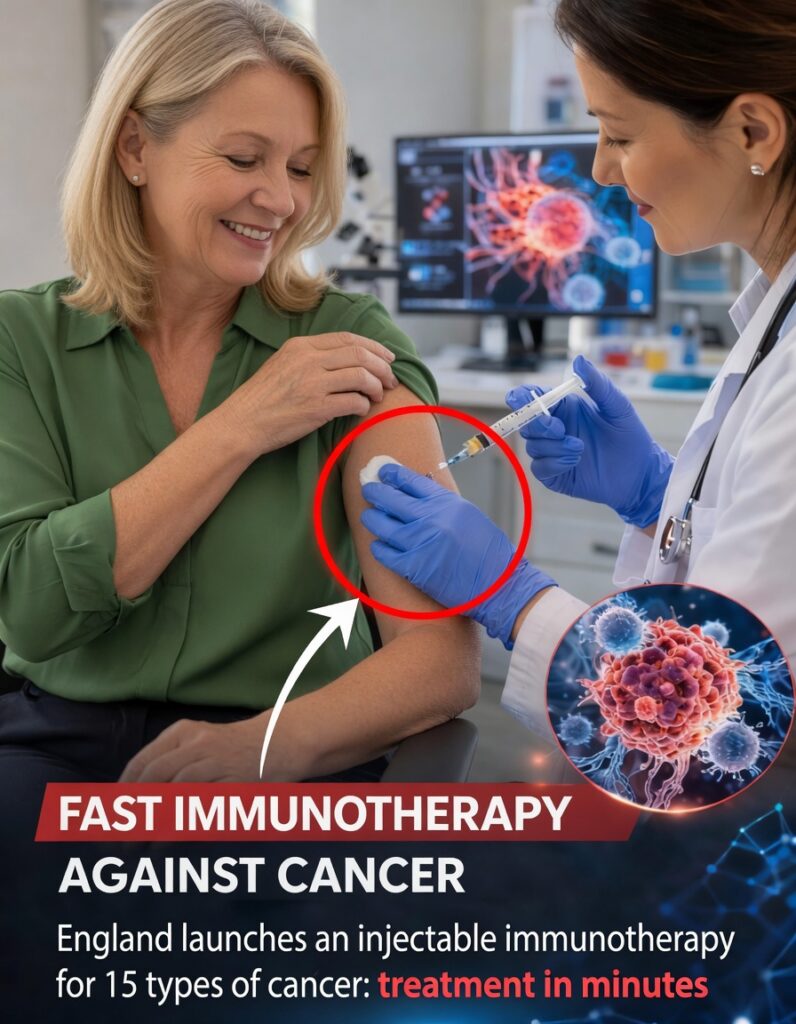
A Minute-Long Cancer Injection: What It Really Means for Your Treatment
For many adults, a cancer diagnosis quickly turns life into a cycle of appointments, long days at the hospital, and lengthy IV infusions. The idea of a cancer treatment that can be given by injection in just a few minutes instead of an hour or more naturally catches attention. Understanding what this “minute-long cancer injection” actually involves can help you talk more confidently with your oncology team and reduce some of the day‑to‑day stress around treatment.
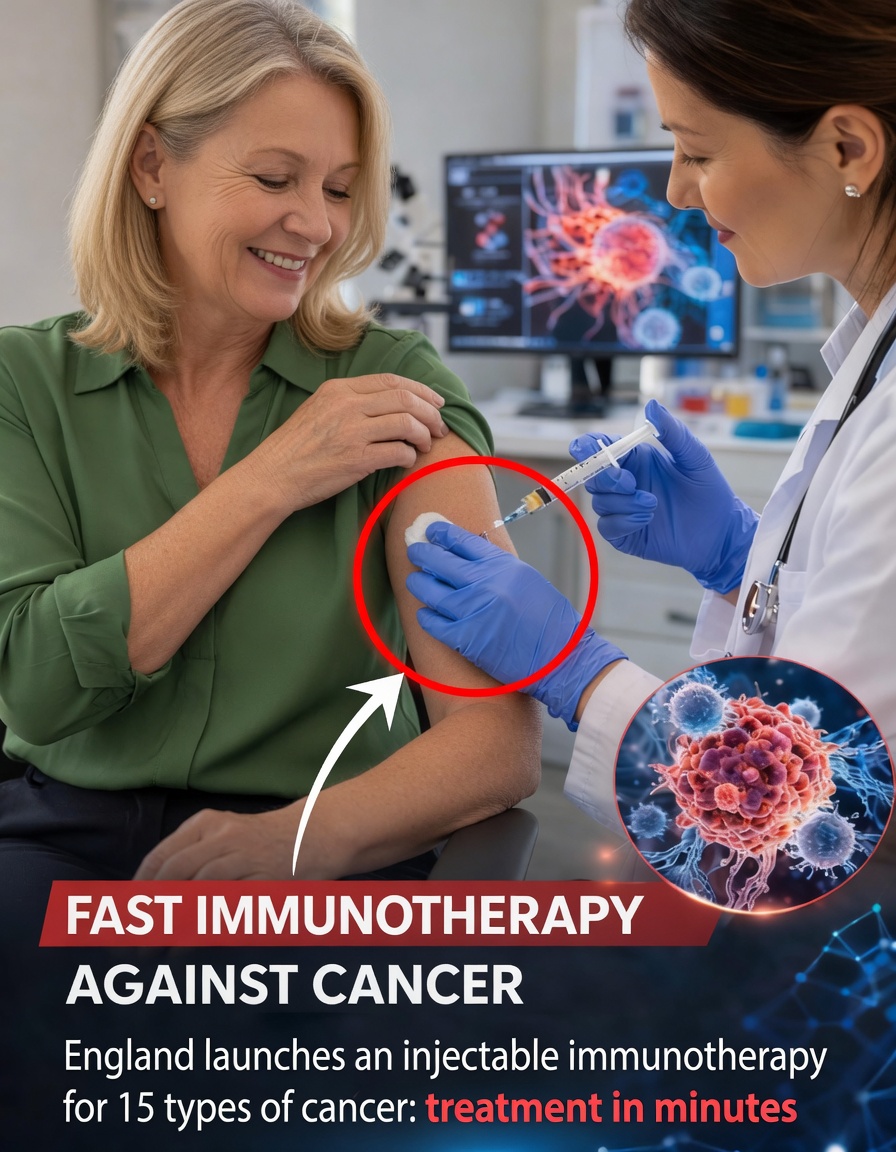
Why the Minute-Long Cancer Injection Is Getting So Much Attention
Cancer care is changing rapidly, and one of the most noticeable shifts is how some immunotherapy drugs are now delivered. Instead of receiving medicine through an IV line over 30–60 minutes, certain treatments can be injected under the skin in roughly 1–5 minutes.
For many people, this minute-long cancer injection:
- Fits more easily into work and family schedules
- Cuts down on time spent in treatment chairs
- Makes hospital visits feel less disruptive to daily life
Shorter sessions do not change how serious cancer is, but they can make ongoing care feel more manageable.
How the Minute-Long Cancer Injection Actually Works
The minute-long cancer injection does not introduce a brand-new drug. It uses the same types of immunotherapy medicines that have been given by IV for years, such as pembrolizumab or nivolumab.
These medicines:
- Help the immune system recognize cancer cells
- Block signals that tumors use to hide from immune defenses
- Support the body in attacking cancer more effectively
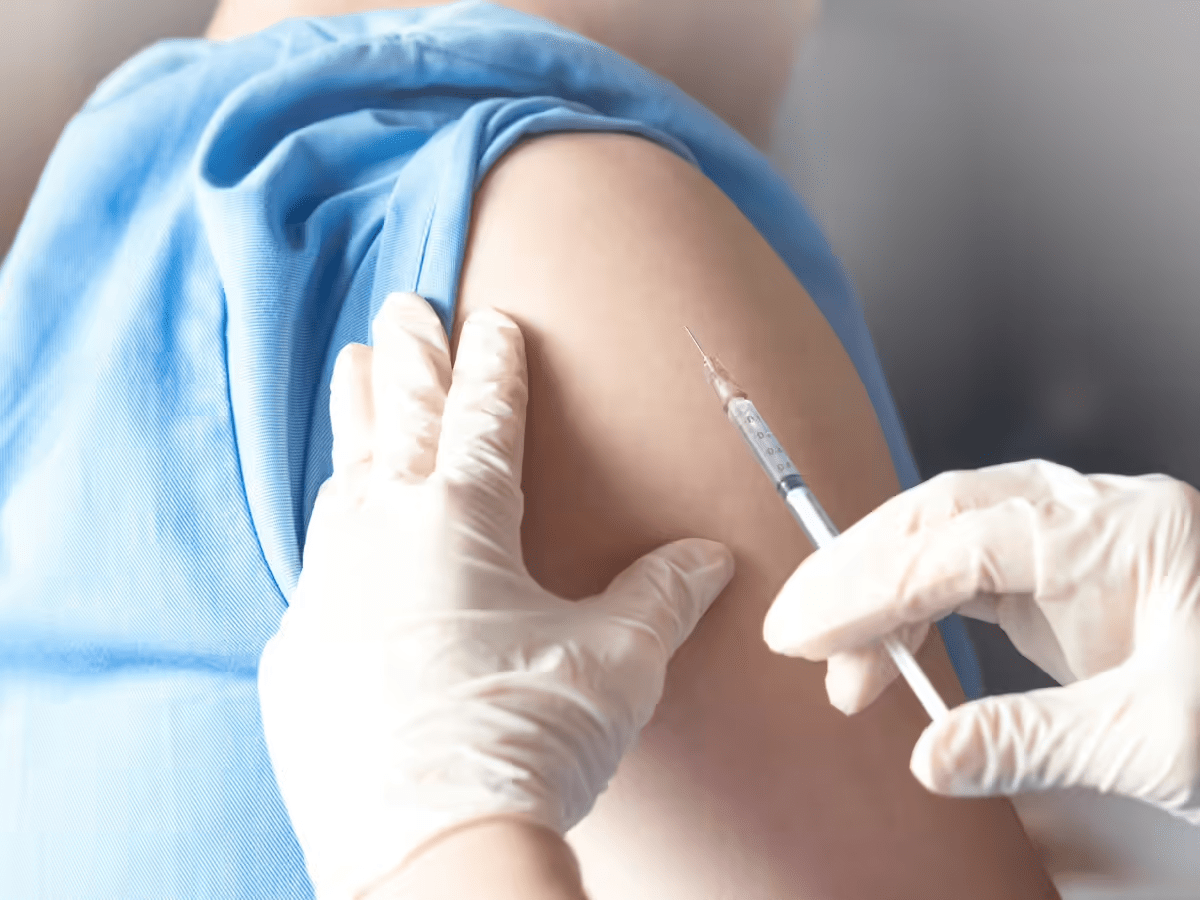
What changes is the method of delivery. Instead of flowing into a vein, the medicine is given as a subcutaneous injection (under the skin), usually in the abdomen or thigh. The formulation is designed so the drug is absorbed into the bloodstream at a rate that matches the IV version closely enough to provide similar results.
From the patient’s perspective, the key difference is time: the medicine is the same type, but the visit is significantly shorter.
Approved Treatments Enabling the Minute-Long Cancer Injection
Several branded formulations now allow immunotherapy to be delivered as a quick under-the-skin injection for many solid tumors. Among them, Keytruda Qlex and Opdivo Qvantig are leading examples used in various countries.
Typical timing looks like this:
- One subcutaneous version can be completed in about one minute
- Another usually takes three to five minutes to administer
In places such as England and the United States, these minute-long cancer injections are already being offered to thousands of patients each month. For eligible individuals, this can mean:
- Less time waiting for IV setup
- No need to sit connected to a drip for long periods
- Fewer procedures related to IV ports or central lines
What stands out most about the minute-long cancer injection:
- Same established medicines, delivered more quickly
- Reduced need for long infusion chairs and treatment bays
- Often given in standard outpatient clinics, not specialized infusion units
What a Visit Feels Like With the Minute-Long Cancer Injection
Instead of preparing for half a day at the hospital, many patients receiving a minute-long cancer injection can arrive, get their injection, and leave within an hour, sometimes even less depending on monitoring requirements.
A typical visit may involve:
- A brief check-in and vital signs
- A short conversation with the nurse or doctor
- A quick injection under the skin of the abdomen or thigh
- A short observation period, as recommended by the care team
Many adults describe the experience as:
- More routine and less exhausting
- Easier to combine with work or family responsibilities
- Less emotionally draining than long hours in a treatment chair
The treatment itself remains serious and important, but the process often feels more like a standard clinic visit than a full infusion day.
The Science Behind the Minute-Long Cancer Injection
Although the delivery method is different, the underlying science of immunotherapy does not change.
With a minute-long cancer injection, immunotherapy still:
- Targets specific checkpoints or signals on immune cells and cancer cells
- Helps immune cells recognize abnormal tumor proteins
- Supports a more active, sustained immune response against cancer
Early research and patient feedback on subcutaneous immunotherapy formulations have shown:
- Comparable levels of drug in the bloodstream to IV versions
- Similar safety and side-effect profiles in many cases
- High patient satisfaction, largely due to shorter visits and less time in treatment chairs
Regulatory approvals for these formulations are based on data showing that they work at least as effectively as standard IV infusions for approved uses.
What Researchers Are Exploring Beyond Today’s Minute-Long Injections
While the currently approved minute-long cancer injections rely on known drugs like pembrolizumab or nivolumab, scientists are testing even more approaches.
Areas of active research include:
- Injections directly into or near tumors to trigger stronger local immune responses
- Combination injections that deliver multiple agents at once
- New formulations designed to be even easier to store, administer, or possibly use at home in controlled settings
These experimental options remain within clinical trials and require careful study before they could become widely available. The minute-long cancer injection you might access today is the convenient, proven version of already trusted immunotherapy medicines.
Why Convenience Matters So Much in Cancer Care
Cancer treatment is often a long journey involving scans, blood tests, appointments, and supportive care. For many adults—especially those over 40 who may be working, caring for family, or managing other health conditions—every hour counts.
The minute-long cancer injection can:
- Reduce time away from work or caregiving
- Lower travel and waiting time for each appointment
- Make it easier to keep up with regular treatment sessions
Looking ahead, this simplified approach could also support future studies on at‑home or community‑based administration, where safe and appropriate.
How to Talk With Your Doctor About the Minute-Long Cancer Injection
If you are curious whether this option fits your treatment plan, consider asking your oncology team:
- “Is there a subcutaneous version of my current or planned immunotherapy?”
- “If I switch to a minute-long cancer injection, how would it change my visit time and schedule?”
- “Are there any differences in side effects or monitoring needs with the injection form?”
Most clinics already have systems to check who qualifies for subcutaneous immunotherapy, based on:
- Cancer type and stage
- Current and past treatments
- Any medical conditions that might affect injections or absorption
Your care team can walk you through whether a minute-long cancer injection is a safe and appropriate alternative.
Healthy Habits That Support Any Cancer Treatment
Whether you are waiting to start a minute-long cancer injection or already using one, everyday choices still play a powerful supporting role.
Helpful habits include:
- Maintaining a healthy weight as recommended by your doctor
- Staying physically active within your energy and safety limits
- Eating a balanced diet rich in colorful fruits, vegetables, whole grains, and lean proteins
- Keeping all scheduled scans, blood tests, and follow-up visits
These steps do not replace cancer treatment, but they can help your body handle therapy better and may support overall well-being.
A Safer Timeline for Considering the Minute-Long Cancer Injection
If this option interests you, you might approach it in stages:
-
Week 1:
- Discuss with your oncologist whether you are eligible for a subcutaneous immunotherapy formulation.
-
Month 1 (if approved):
- Transition to the minute-long cancer injection.
- Pay attention to how you feel during and after appointments.
- Report any side effects or changes promptly.
-
Ongoing:
- Continue regular blood work and follow-up visits.
- Maintain healthy routines in sleep, nutrition, and activity.
- Revisit the plan with your care team if your situation changes.
Quick Comparison: Traditional IV vs. Minute-Long Cancer Injection
Below is a simplified side‑by‑side look at how the two approaches differ in daily life:
| Feature | Traditional IV Infusion | Minute-Long Cancer Injection | Everyday Benefit |
|---|---|---|---|
| Time per treatment session | About 30–60 minutes | About 1–5 minutes | More free time in your day |
| How medicine is given | Via IV port or IV line | Simple under-the-skin shot | Less equipment and setup |
| Typical setting | Infusion chair in hospital | Brief clinic or office visit | Easier scheduling and shorter stays |
Frequently Asked Questions About the Minute-Long Cancer Injection
Is the minute-long cancer injection a cure for cancer?
No. The minute-long cancer injection delivers the same immunotherapy medicines more quickly but does not cure cancer on its own. Effectiveness depends on your cancer type, stage, overall health, and how your body responds.
Who might be eligible for the minute-long cancer injection?
Many adults with certain approved cancer types may qualify. Your oncologist will review:
- Your exact diagnosis
- Previous treatments
- Any other medical conditions
to determine whether a subcutaneous immunotherapy option is appropriate.
Will more minute-long cancer injections become available?
Yes. New subcutaneous formulations and related treatments are actively being developed and approved in different regions. Ask your care team about the most up‑to‑date options relevant to your specific situation.
This information is intended for general education and does not replace professional medical advice. Always consult your healthcare provider for personalized recommendations before changing any part of your cancer treatment plan or starting options such as the minute-long cancer injection.