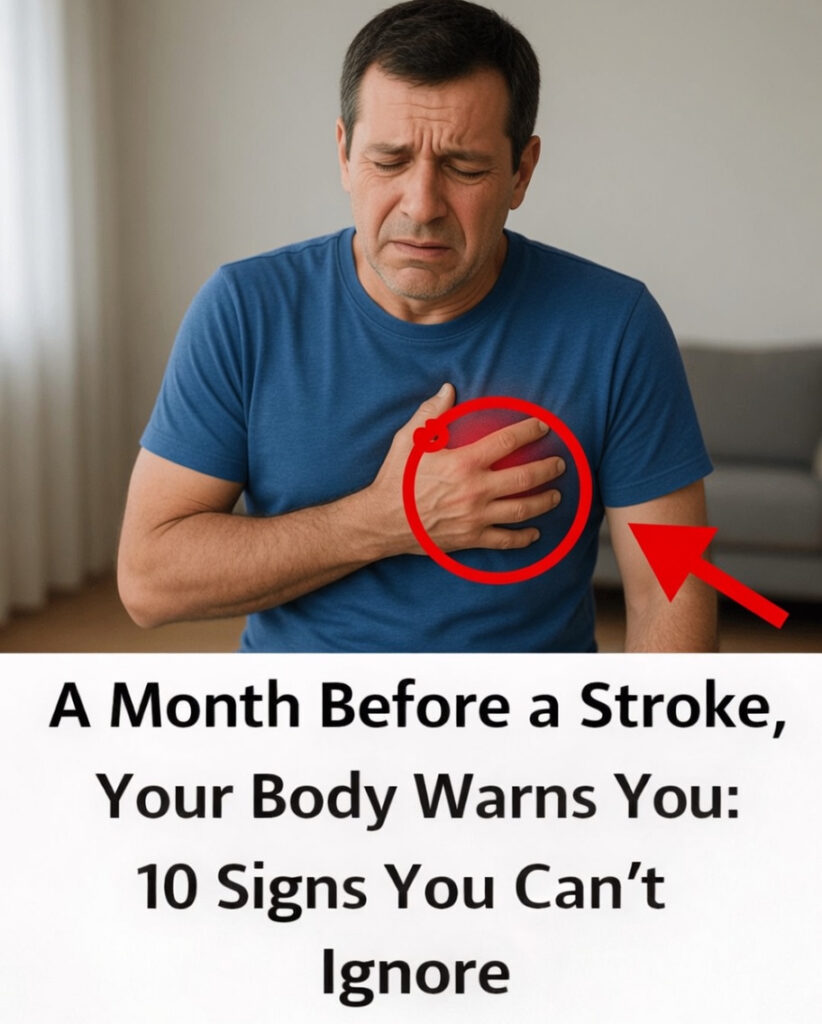
10 Early Warning Signs Your Body May Be Sending Before a Brain Blood Flow Problem
It is common to brush off a strange headache, a brief dizzy spell, or unusual tiredness as the result of stress, poor sleep, or a busy day. However, in some cases, these mild symptoms may be the body’s early warning that blood flow to the brain is being affected. Overlooking them could delay an important conversation with a medical professional before the situation becomes more serious.
The good news is that noticing these signals early may help you act sooner. And interestingly, the tenth sign on this list is often the one people least expect.
Why These Symptoms Can Show Up Weeks in Advance
According to health authorities such as the American Heart Association and Mayo Clinic, some people notice occasional warning signs days or even weeks before a major medical event. These symptoms are not always severe or constant. They may appear briefly, disappear, and then return later, which is why they are often ignored.
Still, recognizing a pattern early can make a real difference. If you know what to watch for, you can speak with your healthcare provider sooner and make more informed decisions. Below are 10 commonly reported signs that deserve attention.
Quick List: 10 Signs to Watch For
- Headaches that feel unusual or last longer than normal
- Sudden vision changes, including blurriness or temporary sight loss in one eye
- Numbness or tingling, often affecting one side of the body
- Weakness in an arm or leg that comes and goes
- Difficulty speaking or understanding speech
- Unexpected dizziness or balance problems
- Unusual fatigue or a sudden drop in energy
- Shortness of breath without a clear reason
- Reduced coordination during normal tasks
- Confusion or sudden mental fog
Let’s look more closely at each sign and why it matters.
1. Headaches That Feel Different From Usual
Many people experience headaches from time to time, but a headache that feels stronger, more persistent, or unlike your usual pattern should not be ignored. The Cleveland Clinic has noted that unusual headaches can sometimes appear before a vascular issue. If the pain feels out of the ordinary, especially along with other symptoms, it is worth paying attention.
2. Sudden Vision Changes
Blurred vision, double vision, or a temporary shadow over one eye can be an important warning sign. These episodes may come and go, making them easy to dismiss as eye strain or fatigue. Still, the American Stroke Association points out that changes in vision can be an early clue that blood flow is being disrupted.

3. Numbness or Tingling on One Side
A sudden pins-and-needles sensation in the face, arm, or leg, particularly on just one side, should be taken seriously. It may only last a few minutes or occur off and on. Even so, one-sided numbness is frequently mentioned in reports of early warning symptoms.
4. Weakness in an Arm or Leg
If one arm feels unusually heavy or one leg seems less responsive, that may be more than simple fatigue. You might notice difficulty holding everyday objects or feel less steady than usual. A classic self-check is to raise both arms and see whether one drifts downward. If that happens, contact a doctor promptly.
5. Trouble Speaking or Understanding Words
Speech problems are one of the most recognized warning signs. You may suddenly struggle to get words out clearly, sound slurred, or have trouble understanding a simple conversation. Even if it lasts only a short time, this is not a symptom to ignore.
6. Dizziness or Balance Problems
Feeling lightheaded or unsteady without an obvious cause can signal more than dehydration or standing up too fast. The CDC includes dizziness and balance issues among key symptoms that can point to circulation problems involving the brain.
7. Unexplained Fatigue
A sudden wave of exhaustion that feels stronger than your normal daily tiredness can be another early sign. This symptom can be especially subtle and is sometimes reported more often by women. Because fatigue is so common, many people miss its significance when it appears alongside other changes.
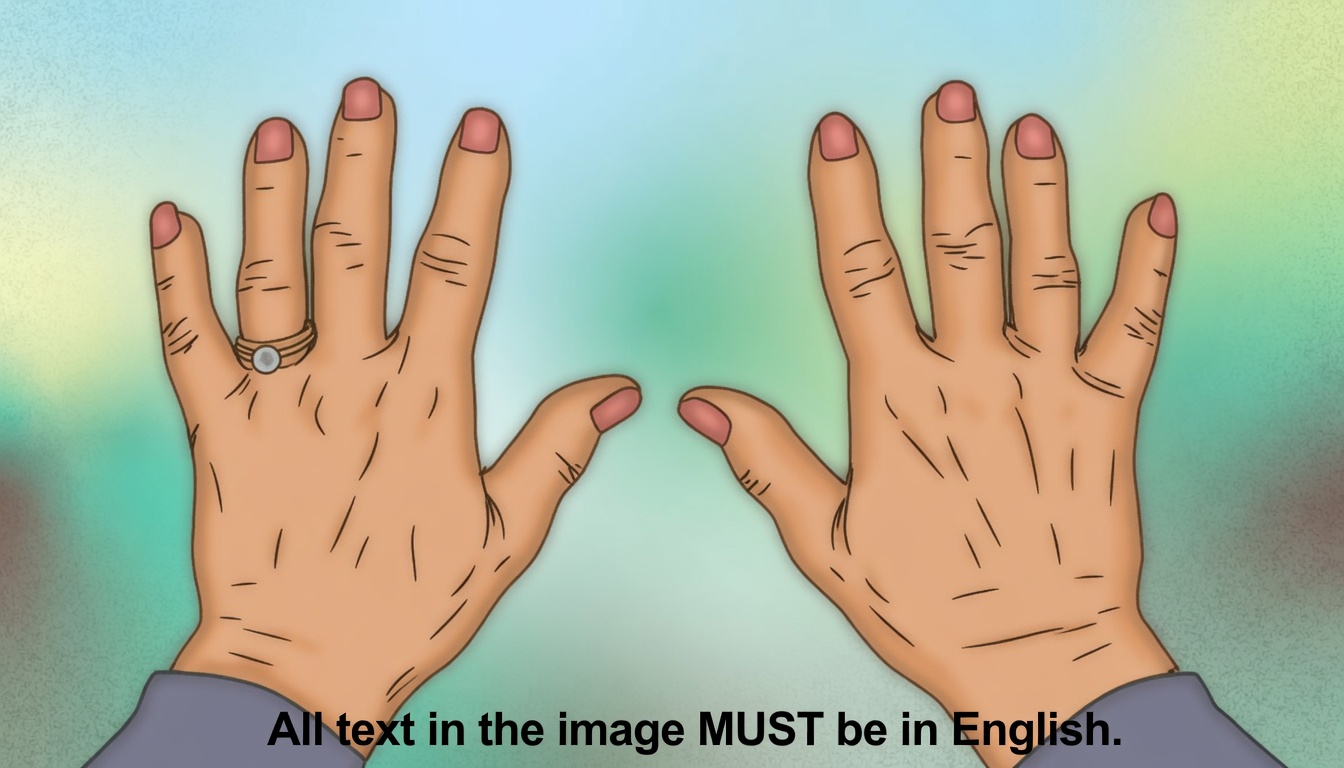
8. Shortness of Breath
Becoming winded after very little effort, or feeling short of breath for no clear reason, may indicate that the cardiovascular system is under strain. On its own, this symptom may not seem alarming, but combined with others, it becomes more important to evaluate.
9. Loss of Coordination
Small coordination issues can be easy to overlook. You might drop things more often, struggle with buttons, or feel clumsy during routine tasks. These changes may seem minor, but they can be meaningful if they appear suddenly or repeatedly.
10. Confusion or Sudden Memory Fog
This is often the most surprising sign. A brief period of confusion, trouble recalling a familiar name, or a sudden sense of disorientation can seem like ordinary forgetfulness. But when mental fog appears along with any of the other symptoms on this list, it may be a sign that you should check in with a healthcare professional as soon as possible.
What You Can Do at Home Right Now
If you want to stay proactive, these simple steps may help you monitor what is happening:
-
Use the FAST check
- Face: Smile and see whether one side droops.
- Arms: Raise both arms and notice if one falls lower.
- Speech: Repeat a simple sentence and listen for slurring or difficulty.
- Time: Write down when symptoms started and contact your doctor.
-
Track your symptoms
- Make a note in your phone or a notebook with the date, time, and what you felt.
- A clear record can help your doctor identify patterns more easily.
-
Check your blood pressure regularly
- An at-home monitor can provide useful information to discuss during appointments.
- Even weekly readings can be helpful.
-
Stay hydrated and keep moving gently
- Drinking enough water and taking simple walks may support healthy circulation.
- There is no need for extreme changes.
These habits are practical, low-cost, and easy to fit into daily life.
Healthy Habits That Support Heart and Brain Health
No lifestyle change can guarantee prevention, but many medical organizations recommend these habits to support overall well-being:
- Eat more vegetables, fruits, and whole grains
- Aim for about 150 minutes of moderate exercise each week
- Manage stress with breathing exercises, downtime, or enjoyable hobbies
- Schedule regular check-ups to monitor blood pressure, cholesterol, and other key numbers
These steps are not quick fixes, but they can help support better health over time.
Final Thoughts
Recognizing these 10 warning signs does not have to create fear. Instead, it can help you feel more prepared and informed. The body often sends subtle signals before a serious problem develops. By noticing changes early and staying in touch with your healthcare provider, you give yourself the best chance to respond in time.
Frequently Asked Questions
What should I do if I notice one or more of these symptoms?
Call your doctor as soon as possible. If symptoms are sudden, severe, or worrying, go to urgent care or seek emergency medical help right away. Even if the symptoms disappear, an evaluation is still important.
Do men and women experience the same warning signs?
Some symptoms may appear differently. Women may be more likely to notice subtle signs such as unusual fatigue or shortness of breath, while men may experience more classic symptoms like weakness or speech problems. Still, every person is different.
Can lifestyle habits improve how I feel from day to day?
Yes. Many experts agree that healthy eating, regular movement, stress control, and routine medical care can support energy, circulation, and overall wellness. Your healthcare provider can help you choose what works best for your situation.
Disclaimer
This article is for informational purposes only and does not replace professional medical advice, diagnosis, or treatment. Always speak with a qualified healthcare provider about symptoms or health concerns. If you believe you may be experiencing a medical emergency, call 911 or your local emergency services immediately.