Silent Signs of Colon Cancer You Should Never Ignore
Colon cancer still takes thousands of lives every year, largely because its earliest signals are subtle and easy to overlook. What might feel like simple digestive upset or ongoing fatigue can, in some cases, be an early sign of something much more serious.
People often chalk these changes up to stress, getting older, or a busy schedule. That delay gives the disease time to develop quietly. Recognizing these hidden warning signs can dramatically increase the chances of detecting colon cancer early and staying in charge of your health. Even more surprising: not all of the clues appear in your digestive system.
Why Early Colon Cancer Is So Easy to Miss
Colon cancer usually starts as small growths in the large intestine and progresses slowly. In its initial stages, it often does not cause severe pain or obvious symptoms. Instead, it tends to produce mild issues that look a lot like common, everyday problems such as:
- Stress-related stomach trouble
- Changes in diet
- Irritable bowel syndrome (IBS) or other functional gut issues
Because the early signs are so nonspecific, many people ignore them. This is why ongoing awareness and routine screening are crucial. Data from organizations such as the American Cancer Society show that when colon cancer is found early, outcomes and survival rates improve dramatically.
Another twist: some warning signs may show up on your skin or in your energy levels, making them seem unrelated to your colon at first glance.
10 Overlooked Warning Signs of Colon Cancer
Below are ten commonly missed symptoms. One single symptom does not automatically mean you have colon cancer, but a pattern of changes is worth taking seriously.
1. Lasting Changes in Bowel Habits
If your normal bowel routine shifts for more than a few days—such as new or persistent diarrhea, constipation, or noticeably thinner stools—it could be an early warning. The Mayo Clinic notes that a growth inside the colon can alter how stool travels through the intestine. Many people blame these changes on travel, diet, or stress and never get them checked.
2. Blood in the Stool or Rectal Bleeding
You may see bright red blood on toilet paper, in the toilet bowl, or notice your stool looks darker or tar-like. According to the Centers for Disease Control and Prevention (CDC), slow bleeding from polyps or tumors can cause these changes. Because hemorrhoids are common, bleeding is often dismissed—but it should always be evaluated.
3. Ongoing Abdominal Pain or Discomfort
Persistent cramping, gassiness, or a dull, nagging ache in the abdomen that doesn’t resolve can indicate a problem. The American Cancer Society explains that tumors can partially block the bowel or irritate the intestinal lining, causing continued discomfort that many people mistake for indigestion or “something I ate.”
4. A Feeling of Incomplete Bowel Emptying
If you regularly feel like you still need to go even after you’ve just had a bowel movement, it may signal an obstruction or irritation in the rectum or lower colon. Research shows this sensation is fairly common in early colon cancer but is often dismissed as a normal part of aging or a minor bowel issue.
5. Consistently Thin or “Pencil-Like” Stools
A new and persistent change to very narrow stools can suggest that something is narrowing the passage inside the colon. The Mayo Clinic lists this as a classic—but frequently overlooked—symptom that should prompt a conversation with a healthcare professional.

6. Unintentional Weight Loss
Losing weight without dieting or increasing exercise is a warning sign that should never be ignored. The CDC notes that cancer can alter how your body uses energy and may reduce appetite due to discomfort or inflammation. If you are dropping pounds without trying, it deserves prompt medical attention.
7. Constant Fatigue or Weakness
Feeling drained all the time, even after restful sleep, can be more than just a busy lifestyle. Slow, chronic internal bleeding from the colon can lead to reduced red blood cells and oxygen delivery, causing significant fatigue. Many people live with this symptom for months before realizing something more serious might be going on.
8. Iron-Deficiency Anemia
Iron-deficiency anemia often appears first on a blood test. It can cause pale skin, shortness of breath, headaches, dizziness, and increased tiredness. In adults, especially men or postmenopausal women, unexplained iron deficiency is a red flag for potential internal bleeding in the digestive tract, including from colon cancer.
9. Persistent Bloating or Excess Gas
Regular bloating, a feeling of fullness, or excessive gas that doesn’t improve with simple dietary adjustments can sometimes be related to changes inside the intestines. While these symptoms are common and usually benign, persistent bloating combined with other warning signs should be evaluated.
10. Unusual Skin Changes
In rare instances, colon cancer can trigger skin signs known as paraneoplastic syndromes. These can include:
- Dark, velvety patches in body folds such as the neck or armpits (acanthosis nigricans)
- Sudden appearance of new skin growths or multiple moles
- Unusual lumps or changes on the hands
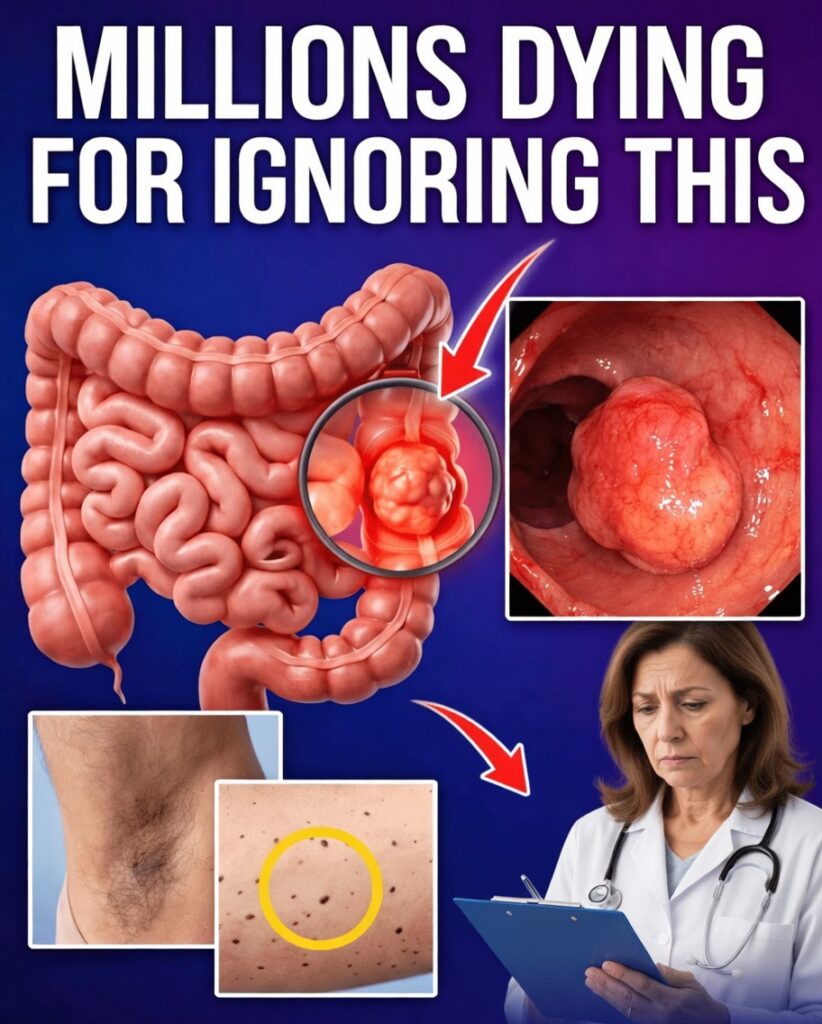
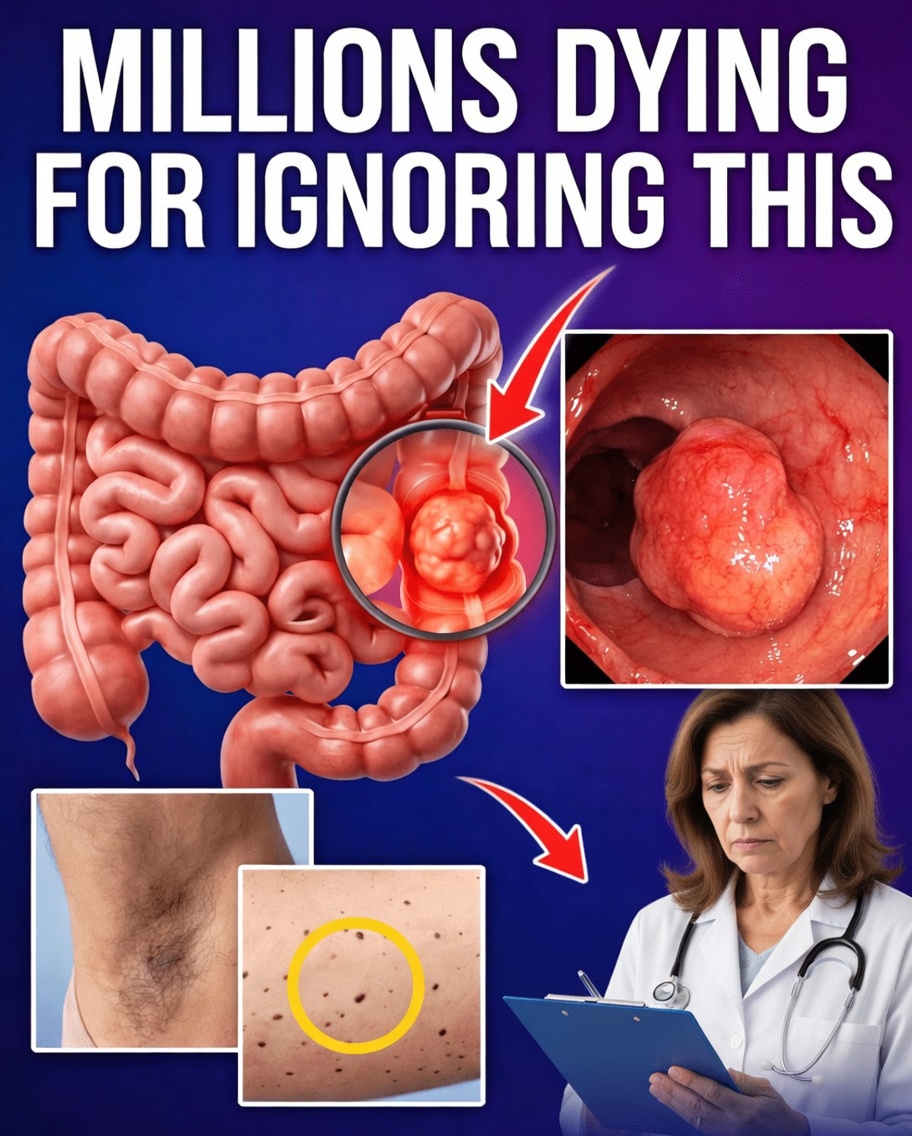
Reports from sources like the Mayo Clinic describe these as early external clues that can show up before any digestive symptoms. The widely shared online images of darkened armpits, scattered moles, or hand nodules illustrate exactly these rare but important connections.
Remember, these signs often don’t show up in isolation. The more symptoms that appear together, and the longer they last, the more important it is to seek medical advice.
Major Risk Factors You Should Know
Symptoms matter, but your personal risk profile also plays a big role in how closely you should watch for changes. Experts commonly point to the following factors:
- Age 45 or older (though cases are increasingly seen in younger adults)
- A family history of colon cancer or precancerous polyps
- Eating a diet high in red or processed meats and low in fiber
- Smoking or heavy alcohol use
- Being overweight or having a sedentary lifestyle
- Long-term inflammatory bowel diseases, such as ulcerative colitis or Crohn’s disease
The American Cancer Society recommends that most adults at average risk begin discussing screening options with their doctor at age 45.
Simple, Actionable Steps to Support Colon Health
You don’t need to wait for symptoms to start protecting your colon. These everyday habits can reduce risk and improve early detection:
- Get screened on time: Arrange a colonoscopy or approved at-home stool test starting at age 45, or earlier if you have a family history or other risk factors.
- Boost fiber intake: Aim to fill half your plate with vegetables, fruits, legumes, and whole grains to support regular bowel movements.
- Stay active: Engage in at least 30 minutes of physical activity most days—walking, cycling, or any movement you enjoy can help lower risk.
- Limit processed meats and alcohol: Reduce sausages, bacon, deli meats, and keep alcohol within recommended limits.
- Track symptoms: If you notice changes, write them down in a journal for one to two weeks—timing, frequency, and triggers—then share this with your doctor.
Small, sustainable changes, combined with routine screening, can significantly strengthen your long-term colon health.
When to Contact a Doctor
You should reach out to a healthcare provider if:
- Any of the symptoms above continue for more than one to two weeks
- Multiple symptoms appear at the same time
- You notice blood in your stool, black or very dark stools, or ongoing abdominal pain
- You have risk factors and have never been screened
Your doctor may recommend blood tests, imaging studies, stool tests, or a colonoscopy to look for potential problems. Bringing up issues related to your digestion or skin may feel uncomfortable, but early discussion often leads to reassurance—or timely treatment when it matters most.
Final Thoughts: Awareness Is a Powerful Defense
Colon cancer does not have to remain a “silent” disease. By understanding these ten warning signs—from changes in bowel habits to rare skin shifts—you give yourself the chance to act early.
Pair this awareness with:
- Regular screenings
- A fiber-rich, balanced diet
- Consistent physical activity
- Limiting tobacco and excessive alcohol
and you significantly strengthen your defenses against colon cancer.

The widely circulated image showing a colon growth alongside hand changes and darkened skin patches is a strong reminder that clues can appear in places we might not expect. Staying attentive to your body’s signals today can translate into life-saving decisions tomorrow.
Frequently Asked Questions
How common are these silent symptoms in early-stage colon cancer?
Many people with early colon cancer report no symptoms at all. When signs do appear, the CDC notes that changes in bowel habits and blood in the stool are among the most frequently reported early warnings. However, subtle symptoms can vary widely from person to person.
Can lifestyle changes really reduce my risk, even if symptoms have started?
Yes. While lifestyle changes cannot replace medical treatment, they can support colon health and may lower overall risk. Eating a high-fiber diet, exercising regularly, maintaining a healthy weight, and avoiding tobacco and excessive alcohol can all contribute to better outcomes alongside professional medical care.
What screening options are available besides colonoscopy?
Several non-invasive tests exist, including:
- At-home stool tests that check for hidden (occult) blood
- Stool DNA tests that look for genetic changes linked to cancer
If these tests show abnormal results, a colonoscopy is typically recommended as the next step for a closer examination.
This information is for educational purposes only and does not replace professional medical advice. Always consult your healthcare provider about any symptoms, concerns, or decisions related to your health and screening options.