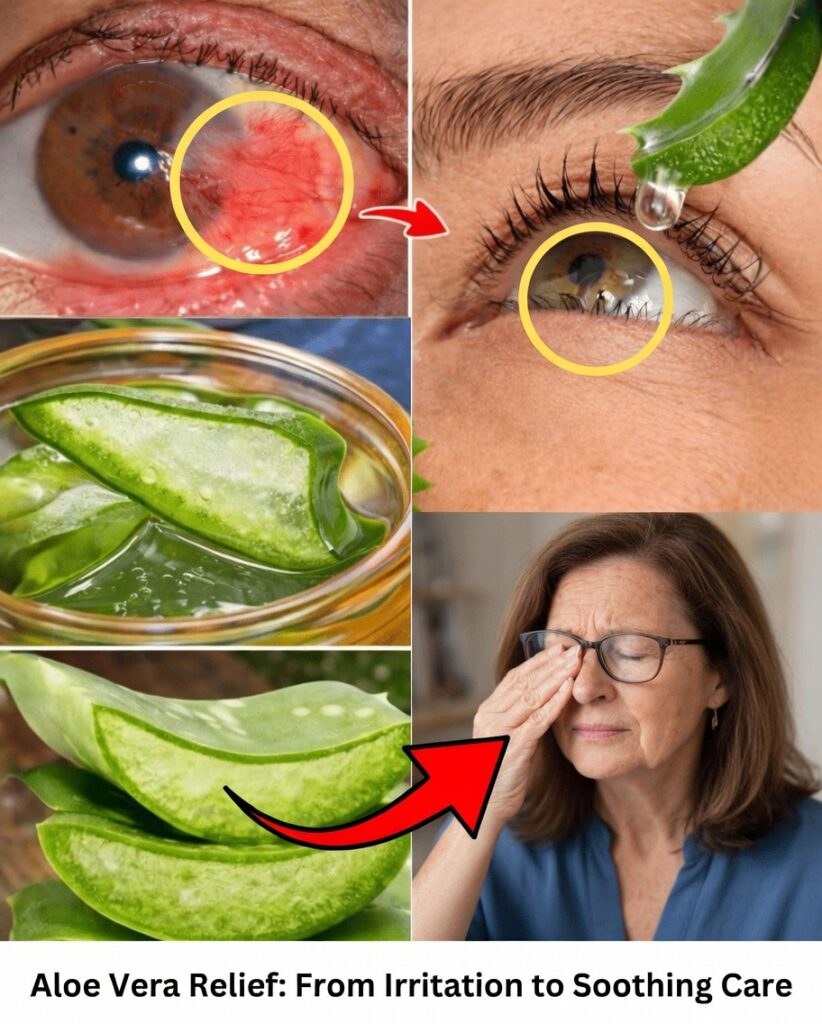
Soothe Tired, Burning Eyes With a Simple Kitchen Plant
If you often wake up with red, tired eyes after a long day of staring at screens or battling seasonal allergies, you’re not alone. That burning, gritty feeling can make everyday tasks like reading, driving, or working on a laptop surprisingly uncomfortable. Instead of feeling refreshed, you may find yourself rubbing your eyes and searching for relief that doesn’t wear off in minutes.
What if a common household plant, already growing on your windowsill or sitting in your kitchen, could play a gentle role in your daily eye comfort routine? Many people are quietly turning to aloe vera as a natural, supportive addition to their eye care habits—and the way they use it is much simpler than you might think.
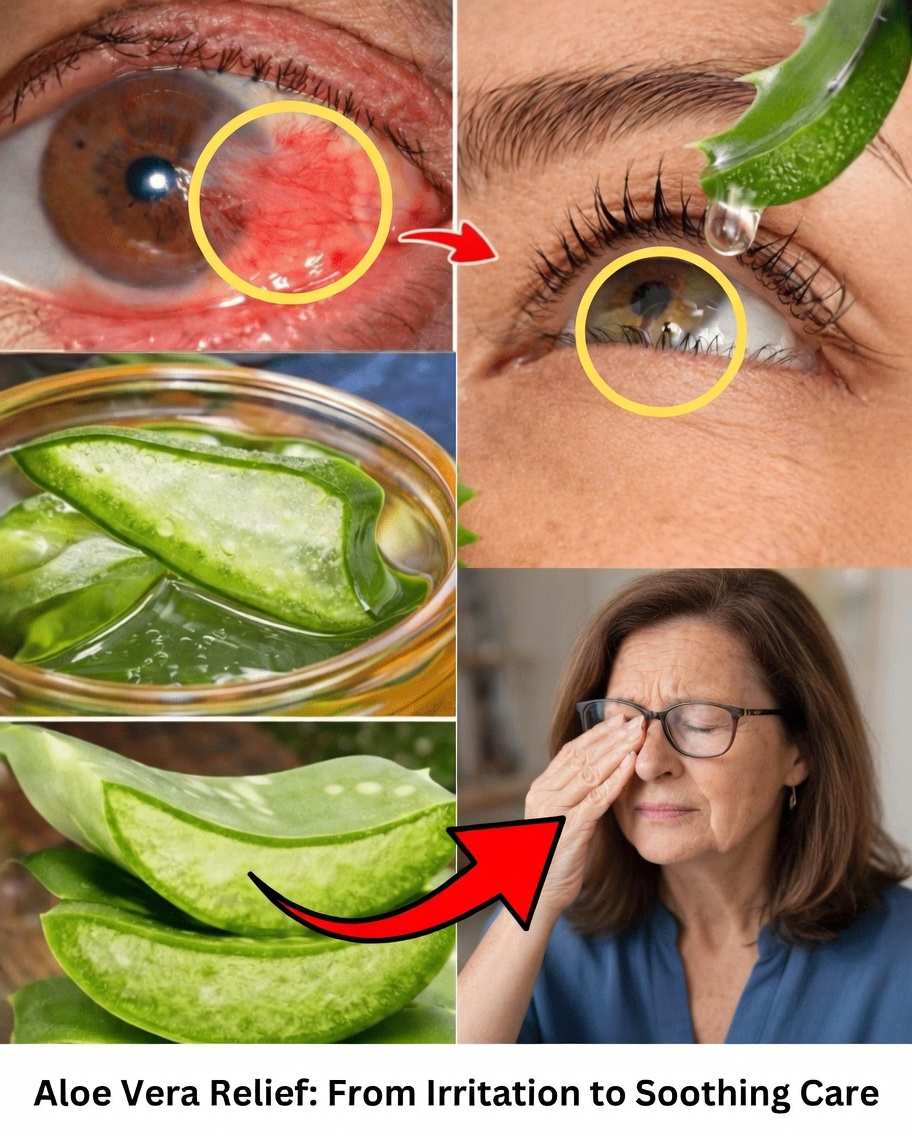
Why Eye Discomfort Feels So Common Today
Modern life is tough on the eyes. Several everyday factors work together to dry them out and leave them feeling strained:
- Prolonged screen time from phones, computers, and TVs
- Air conditioning and heating that reduce indoor humidity
- Aging, which can naturally affect tear quality and production
Studies show that these influences can disturb the thin tear film that keeps the surface of the eye smooth, protected, and well-lubricated. When this delicate layer breaks down, symptoms like redness, dryness, and irritation appear quickly.
Amid rising complaints about eye strain and dry eyes, natural ingredients with calming and hydrating properties—like aloe vera—are drawing more interest as supportive tools for everyday eye comfort.
The Science Behind Aloe Vera’s Soothing Effects
Aloe vera has a long history in traditional wellness for its cooling, moisturizing, and skin-calming properties. The clear gel inside the leaf is rich in compounds that modern research associates with soothing and hydrating effects.
Inside the gel, scientists have identified:
- Polysaccharides that help bind moisture
- Vitamins and antioxidants that combat everyday oxidative stress
- Enzymes and amino acids that contribute to a cooling, calming sensation on the skin
A 2024 clinical study published in Biomedicines evaluated an eye lubricant that combined aloe vera with hyaluronic acid. After one month of use, participants showed improved tear film stability and reported better comfort scores. Laboratory research on corneal cells has also observed antioxidant activity in properly processed aloe extracts, suggesting potential support for protecting delicate eye tissues from routine environmental stress.
Of course, understanding how to use aloe vera safely is just as important as understanding its potential benefits.
Standout Compounds in Aloe Vera Gel
These key components help explain why aloe vera is often used to support comfort and hydration:
- Polysaccharides – Function like natural humectants, helping attract and retain moisture on the skin’s surface.
- Antioxidants – Help neutralize free radicals generated by blue light, pollution, and other everyday stressors.
- Amino acids & enzymes – Contribute to that familiar cooling, soothing sensation when applied to the skin around the eyes.
Safety First: Using Aloe Vera Around the Eyes (External Use Only)
Important safety reminder: Never apply raw aloe vera gel directly into your eyes. Fresh aloe is only appropriate for external use on the skin around the eyes—and even then, only after speaking with an eye care professional or healthcare provider.
For direct eye lubrication, stick with commercially formulated eye drops that may include aloe vera and are specifically designed and tested for use in the eye.
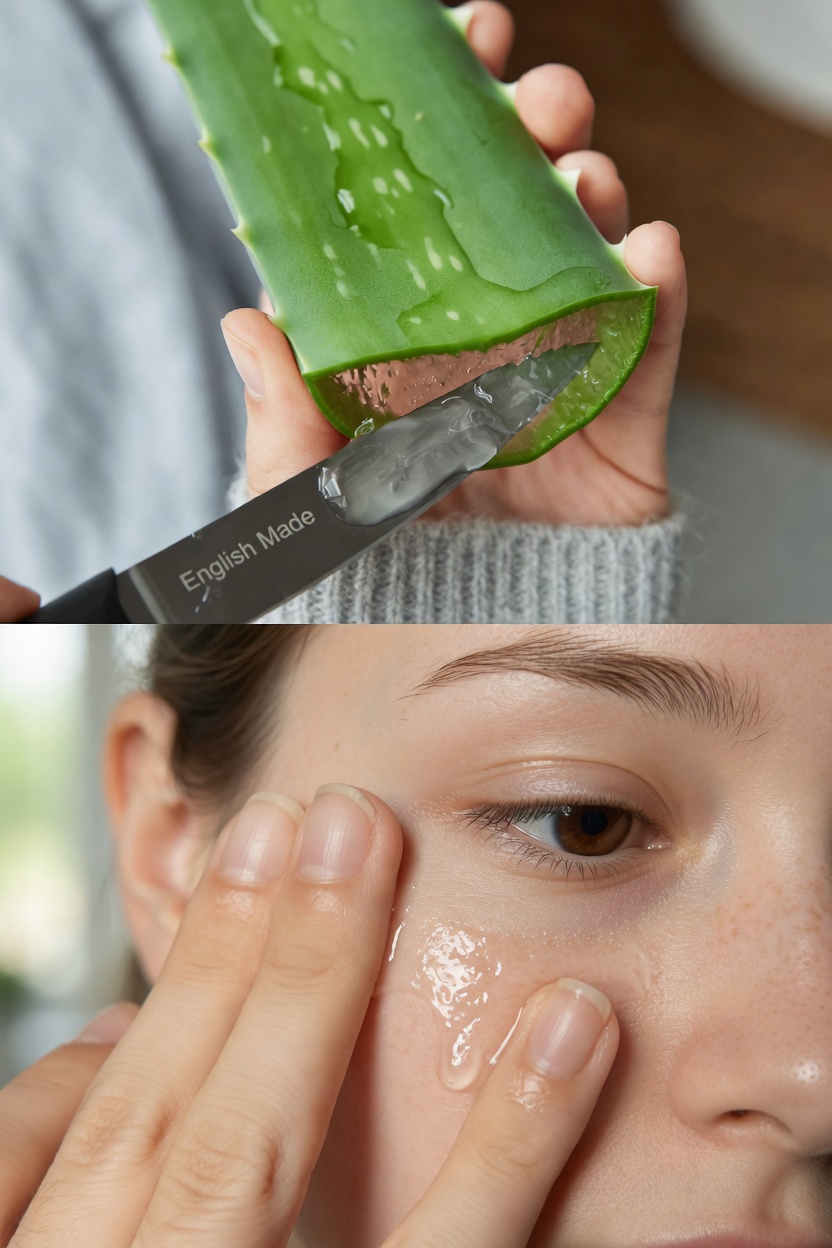
When used externally and with care, many people incorporate fresh aloe into their routine to help the skin around the eyes feel calmer and more hydrated.
Step-by-Step: How to Prepare Fresh Aloe Gel at Home
Follow this simple method to prepare clean aloe gel for external use on the skin around the eyes:
-
Select a mature leaf
Choose a thick, healthy leaf from a well-established aloe plant and cut it cleanly at the base. -
Rinse and drain the latex
Rinse the leaf under cool running water. Then stand it upright in a glass or jar for about 10 minutes to allow the yellow latex (a substance that may irritate skin) to drain out. -
Extract the clear inner gel
Slice the leaf lengthwise with a clean knife. Gently scoop out only the transparent inner gel using a sanitized spoon, avoiding the green outer rind and any yellow residue. -
Smooth and strain the gel
For a more uniform texture, briefly blend the gel, then strain it through a fine mesh strainer or clean cheesecloth to remove any remaining fibrous bits. -
Store properly
Transfer the strained gel into a clean, airtight glass container and keep it in the refrigerator. For best quality, use within about one week.
A Quick Daily Routine for External Eye Comfort
Many people enjoy using chilled aloe gel as part of their morning or evening routine to support the skin around the eyes:
- Start with clean skin.
- Mix a tiny amount of cold aloe gel with a few drops of clean water to thin it slightly.
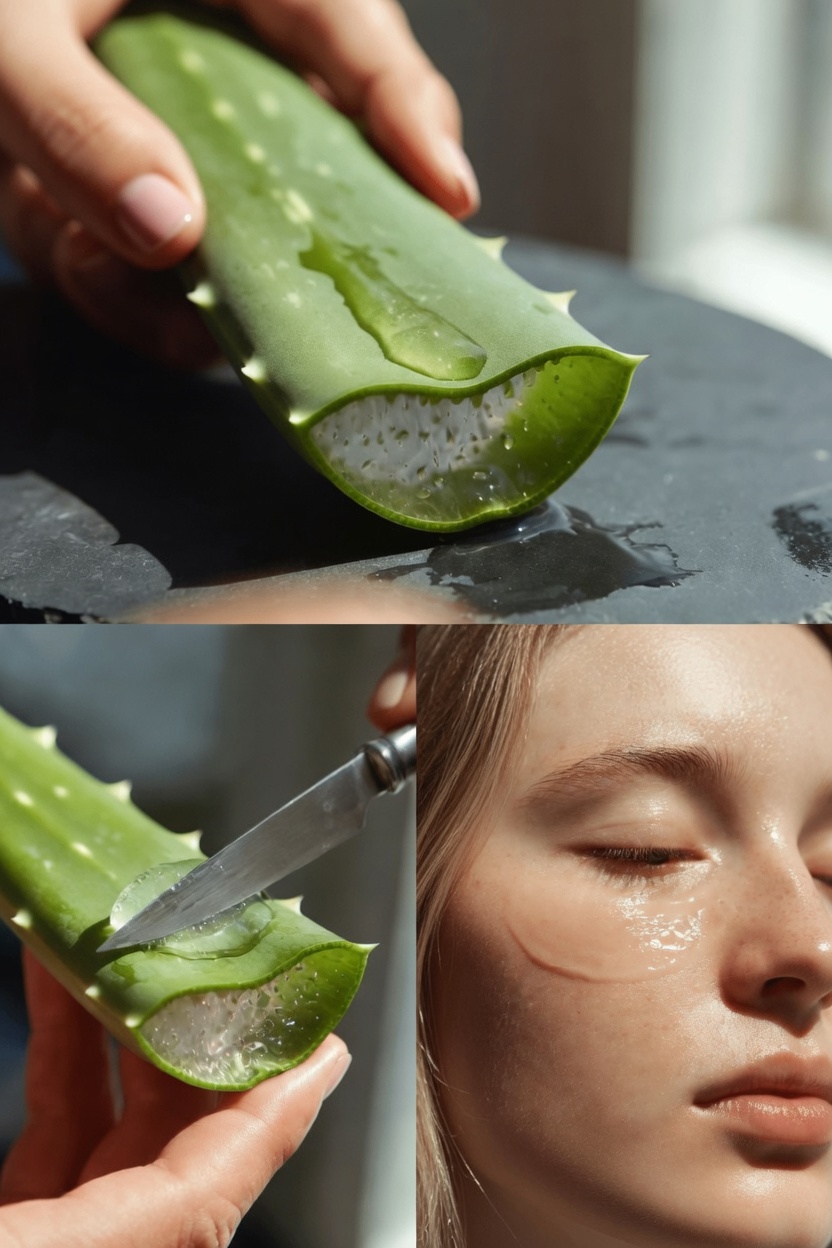
- Using clean fingertips, gently pat the mixture around the orbital bone (the bony area surrounding the eye).
- Avoid applying too close to the lash line to reduce the risk of product migrating into the eye.
- Optionally, follow with a cool compress for a few minutes to enhance the soothing effect.
This simple ritual usually takes less than two minutes and can leave the eye area feeling cool, refreshed, and more comfortable throughout the day.
How Aloe Vera Compares to Other Everyday Eye Comfort Methods
Here’s how external aloe gel fits alongside other common approaches to soothing tired or dry-feeling eyes:
-
Aloe vera gel (external use)
- How it helps: Provides natural cooling and supports moisture on the skin around the eyes.
- Time needed: About 2 minutes.
- Best for: A quick, daily refresh and added comfort for the eye area.
-
Warm compress
- How it helps: Supports the function of the oil glands along the eyelids, which can improve tear film quality.
- Time needed: 5–10 minutes.
- Best for: Dryness related to screen use or meibomian gland issues (as advised by your eye doctor).
-
Artificial tears (lubricating eye drops)
- How they help: Provide direct lubrication to the eye surface.
- Time needed: Around 30 seconds.
- Best for: Immediate, on-the-go relief from dryness and irritation.
-
Cucumber slices (external use)
- How they help: Offer gentle cooling and light surface hydration to the skin around the eyes.
- Time needed: About 10 minutes.
- Best for: Puffiness and a relaxing at-home spa moment.
Aloe vera works best as one piece of a broader eye comfort strategy rather than a standalone fix.
5 Practical Tips to Upgrade Your Eye Comfort Routine
To get the most from aloe vera and support overall eye comfort, consider combining it with these simple habits:
-
Use the 20-20-20 rule with screens
Every 20 minutes, look at something about 20 feet away for at least 20 seconds. This helps reduce digital eye strain while aloe supports the skin around your eyes. -
Keep your gel chilled
Store your aloe gel in the refrigerator. The cool temperature adds an instant refreshing effect when you apply it externally. -
Stay hydrated from the inside
Drinking enough water throughout the day supports healthy tear production and complements any external moisturizing efforts. -
Boost humidity at home or work
Use a humidifier in air-conditioned or heated rooms to prevent excessive dryness in the air, which can worsen eye discomfort. -
Always perform a patch test
Before applying aloe around your eyes, test a small amount on another area of skin (like the inner forearm). If you notice redness, itching, or irritation, do not use it and consult a professional.
For additional support, many people also include omega-3–rich foods such as salmon, sardines, walnuts, or flaxseeds in their diets. These healthy fats have been associated with better tear film quality and can complement your external aloe routine.
Frequently Asked Questions About Aloe Vera and Eye Comfort
Is fresh aloe vera safe to use around the eyes?
Only the clear inner gel of a mature aloe plant should even be considered, and strictly for external use on the skin around the eyes. Always talk with your doctor or eye care specialist first, especially if you have sensitive skin, existing eye conditions, or a history of allergies. Avoid aloe altogether if you are known to be allergic to aloe or related plants.
How often can I apply aloe gel externally around my eyes?
Frequency can vary, but many people find that applying a small amount once or twice per day is enough. Pay close attention to your skin’s response. If you notice any stinging, redness, or swelling, stop using it immediately and consult a healthcare professional.
Can aloe vera replace my regular eye drops or prescriptions?
No. Fresh aloe gel is not a substitute for lubricating eye drops, medicated drops, or any treatment prescribed by your eye doctor. Commercial aloe-based eye drops are specially formulated and tested for safety inside the eye, which is very different from using raw gel on the skin. Always use any eye medication exactly as directed and maintain regular eye exams.
Final Thoughts: A Gentle Addition to Your Daily Eye Care
Aloe vera is not a miracle cure, and it will not fix every eye problem overnight. However, when used carefully and consistently as part of a broader routine, many people find that it offers a simple, natural way to help the area around their eyes feel cooler, calmer, and more comfortable.
The most important ingredients in any routine are patience, purity, and professional guidance. Everyone’s eyes and skin are different, so what works beautifully for one person may need adjustment—or may not be suitable—for another.
Disclaimer
This article is for informational purposes only and is not intended to provide medical advice, diagnosis, or treatment. It does not replace a consultation with a qualified eye care professional or healthcare provider. Always speak with your doctor before trying any new eye care routine, especially if you have existing eye conditions, wear contact lenses, take medications, or have known allergies. Individual experiences and results can vary.