
Have you ever felt slightly uncomfortable at a routine appointment when your doctor asks about your eating habits—and you suddenly remember the salty snacks, packaged meals, or sugary drinks you have been relying on lately? This is a common experience, especially for older adults. Your kidneys work quietly for years, but everyday choices can gradually increase their workload. Over time, that added strain may influence how well the body filters waste and manages fluid balance.
The good news: a few familiar kitchen spices can support overall wellness when used regularly in healthy, home-cooked meals. And one everyday spice on this list may surprise you by the end.

Turmeric: The Golden Spice That Helps Support Natural Balance
Turmeric has played a major role in traditional cooking and wellness routines for centuries. Its vibrant color comes from curcumin, a natural compound widely researched for its antioxidant qualities.
As we age, the body tends to experience more oxidative stress—a process linked to unstable molecules that may affect cells and tissues across the body, including kidney tissue. Some studies suggest curcumin may help reinforce the body’s natural defenses against oxidative stress. This doesn’t mean turmeric replaces medical advice or treatment, but it can be a helpful part of a balanced diet.
Potential supportive benefits of turmeric include:
- Providing antioxidant plant compounds
- Supporting the body’s normal inflammatory response
- Contributing to overall metabolic balance as part of healthy meals
Easy ways to use turmeric in everyday cooking:
- Add a small pinch to soups, lentils, or stews
- Stir into warm milk or plant-based milk for a soothing drink
- Sprinkle lightly on roasted vegetables
One often-missed tip: pairing turmeric with a little black pepper may improve absorption of its natural compounds.
But turmeric is only one piece of the puzzle.
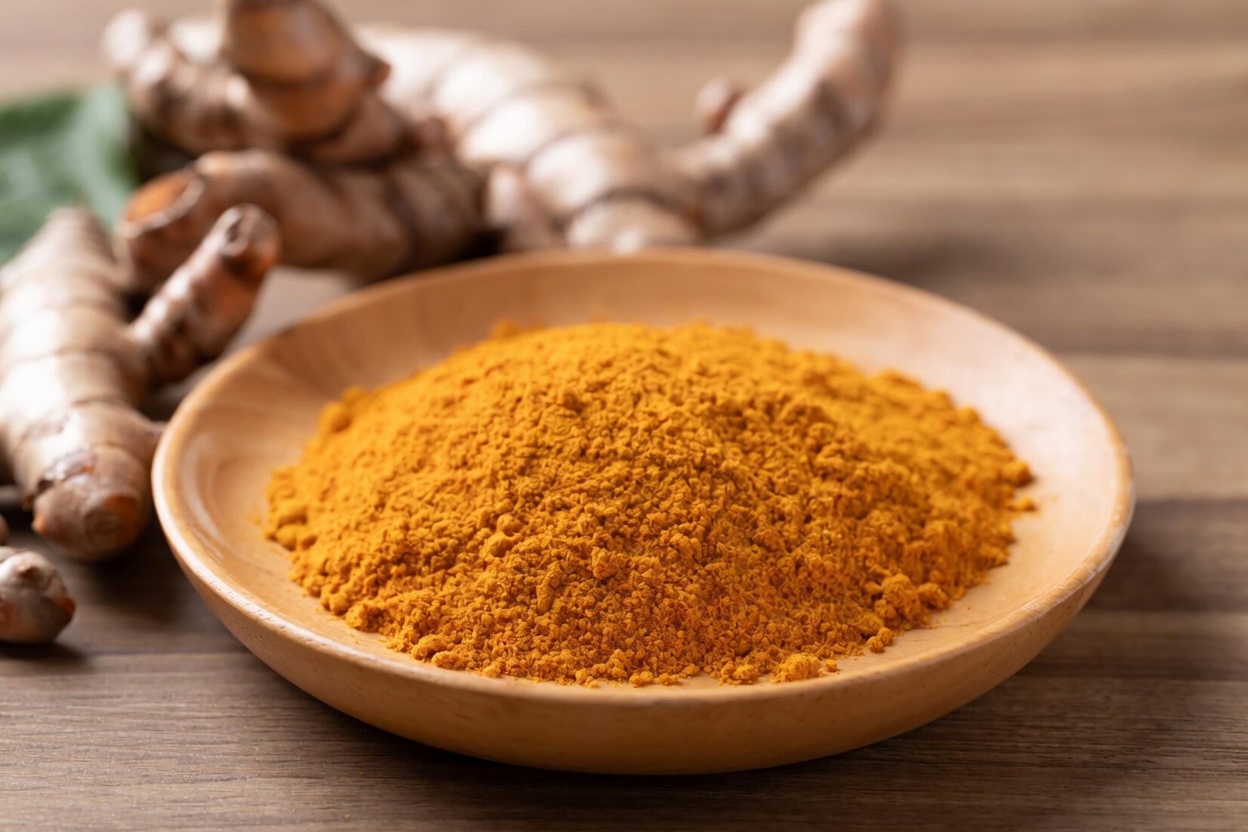
Garlic: A Bold Flavor That Can Help You Cut Back on Salt
Garlic has been a staple in global cuisines for thousands of years. Beyond taste, it contains sulfur-based compounds such as allicin, which researchers have studied for various wellness-supporting properties.
This matters for kidney wellness because one of the biggest diet-related challenges is excess sodium. Too much salt can influence fluid balance and circulation, potentially increasing strain on the kidneys’ filtration work over time.
Garlic offers a practical advantage: when meals are flavorful, people naturally use less salt. Research often highlights garlic’s connection to heart and circulation support—important because the kidneys depend on healthy blood flow.
Simple ways to add garlic to daily meals:
- Stir crushed garlic into soups and vegetable stews
- Mix fresh garlic with olive oil and herbs for an easy dressing
- Roast whole cloves and spread them on whole-grain bread
A key takeaway for many adults over 60: replacing some salt with garlic and other spices may be one of the simplest upgrades you can make to everyday eating.
Next is a spice that supports wellness in a different, gentler way.
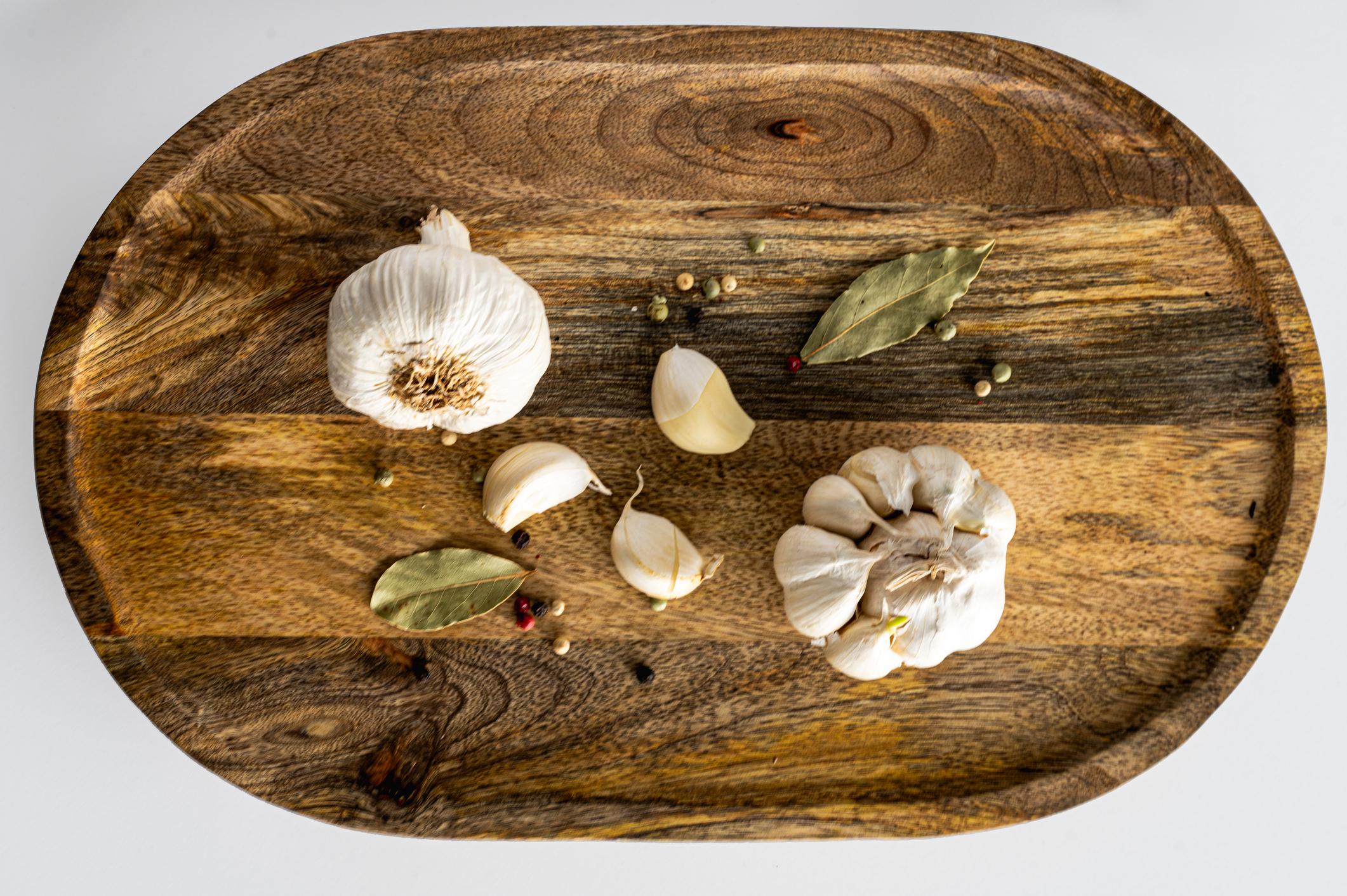
Ginger: A Gentle Root That Supports Digestion and Circulation
Many people already associate ginger with stomach comfort, especially for nausea or indigestion. Modern nutrition research is also exploring ginger’s broader role in wellness.
Ginger contains natural compounds such as gingerols and shogaols, which have been studied for their antioxidant activity and digestive support.
Why does digestion relate to kidney health? Because efficient digestion and healthy circulation help the body manage nutrients and metabolic waste more smoothly.
Some research suggests ginger may support:
- Healthy circulation
- Metabolic balance
Both can help organs receive the oxygen and nutrients they need.
Easy ways to include ginger regularly:
- Sip warm ginger tea after meals
- Add grated ginger to stir-fries and vegetable dishes
- Blend fresh ginger into smoothies
For many older adults, ginger tea becomes a comforting daily habit—warming, satisfying, and flavorful without added sodium.
And now, a spice best known for desserts—but valued for much more.

Cinnamon: A Sweet Spice That Supports Healthy Blood Sugar Balance
Cinnamon is loved worldwide for its warm aroma and comforting flavor. A small amount can make oatmeal, fruit, yogurt, coffee, and tea taste richer—without needing extra sugar.
Scientists are especially interested in cinnamon for its polyphenols, plant compounds studied for their potential role in metabolic health.
This matters because stable blood sugar is strongly linked to long-term kidney wellness. Various nutrition studies associate healthier blood sugar patterns with less stress on small blood vessels throughout the body—including the delicate filtration structures in the kidneys.
Simple ways to enjoy cinnamon more often:
- Sprinkle on oatmeal or yogurt
- Add a pinch to coffee or tea
- Blend with fruit in smoothies
A quick comparison of small daily choices:
- Heavy salt use: may increase sodium intake
- Seasoning with spices: adds flavor without excess sodium
- Sugary desserts: may disrupt blood sugar balance
- Cinnamon with fruit or oats: offers sweetness with less added sugar
Small choices, repeated consistently, can add up over time.
Now we come to the final set of spices—traditional seeds used across many cultures.
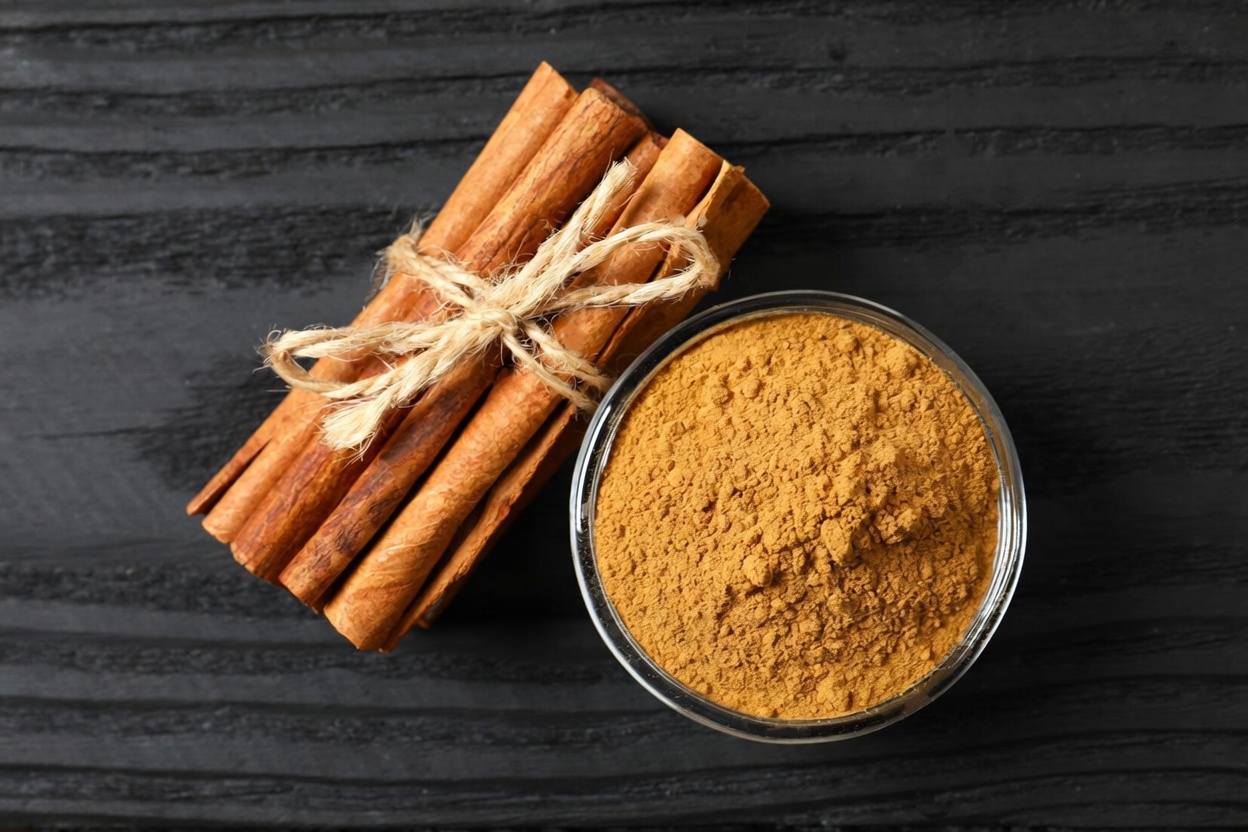
Coriander and Cumin: Traditional Seeds That Support Digestive Comfort
Coriander and cumin seeds are common in Latin American, Asian, and Middle Eastern cooking. These aromatic seeds contain natural plant compounds and antioxidants often associated with digestive support and general wellness.
Traditional practices have long used coriander in particular for gentle digestive comfort and fluid balance support. While modern research is still exploring these effects, nutrition experts widely agree on a major practical benefit:
Spices like coriander and cumin make healthy foods taste better.
When vegetables, beans, lentils, and whole grains become more enjoyable, people tend to choose them more often—supporting healthier eating patterns overall.
Simple ways to cook with coriander and cumin:
- Add cumin to bean dishes, soups, or stews
- Use coriander seeds in homemade herbal tea
- Season roasted vegetables with coriander powder
A helpful perspective: healthy eating doesn’t always require a complicated plan. Sometimes it starts with better use of the ingredients already in your kitchen.
Actionable Tips: Building a Kidney-Friendly Kitchen With Spices
If you want to support healthier daily habits through cooking, start with these practical steps:
-
Reduce salt gradually
Replace part of the salt with garlic, turmeric, cumin, or ginger. -
Season vegetables generously
Spices can make vegetables far more satisfying, helping you eat them more often. -
Choose herbal drinks more often
Ginger tea or coriander seed tea can be a comforting alternative to sugary beverages. -
Cook more meals at home
Home cooking gives you control over sodium, added sugar, and processed ingredients. -
Rotate your spices
Each spice provides a slightly different mix of plant compounds and antioxidants.
Consistency matters more than perfection. Even small daily improvements can gradually support better long-term wellness.