Why the Same Diet and Workout Plan Can Produce Different Results
Two people can follow nearly identical eating habits and fitness routines and still end up with completely different results. One person may eat plenty and remain naturally thin, while another may struggle to keep their energy up even when eating carefully. That can feel frustrating, especially when your progress seems slower than someone else’s.
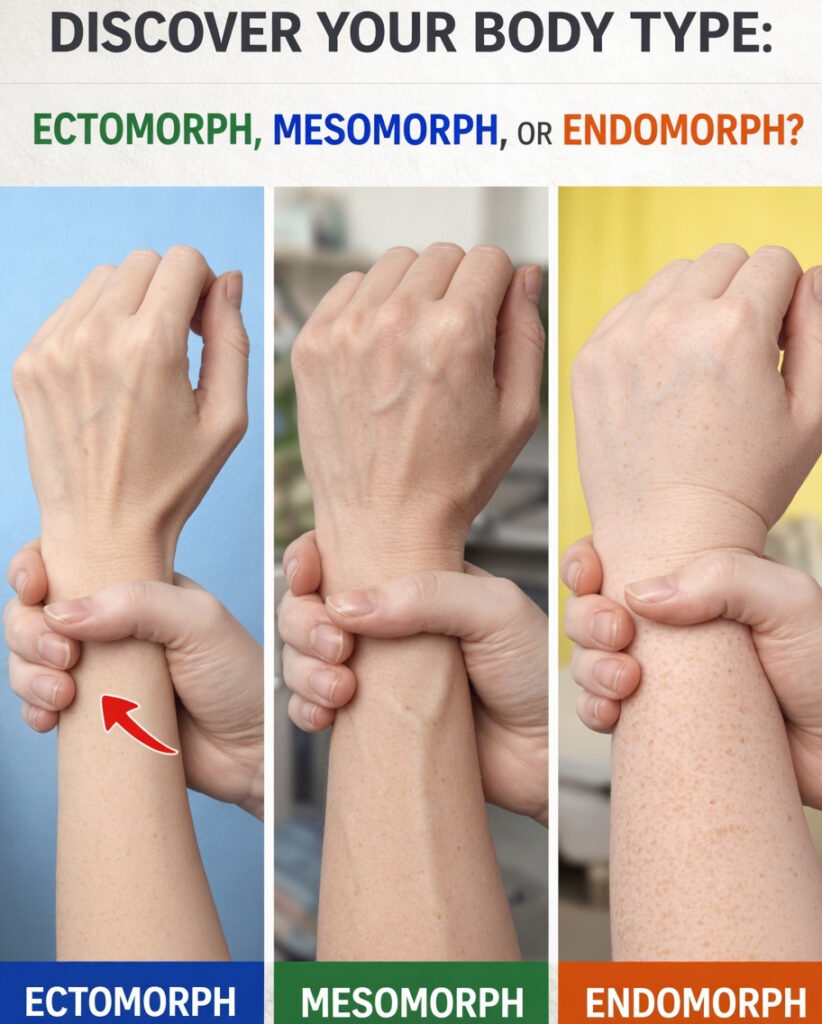
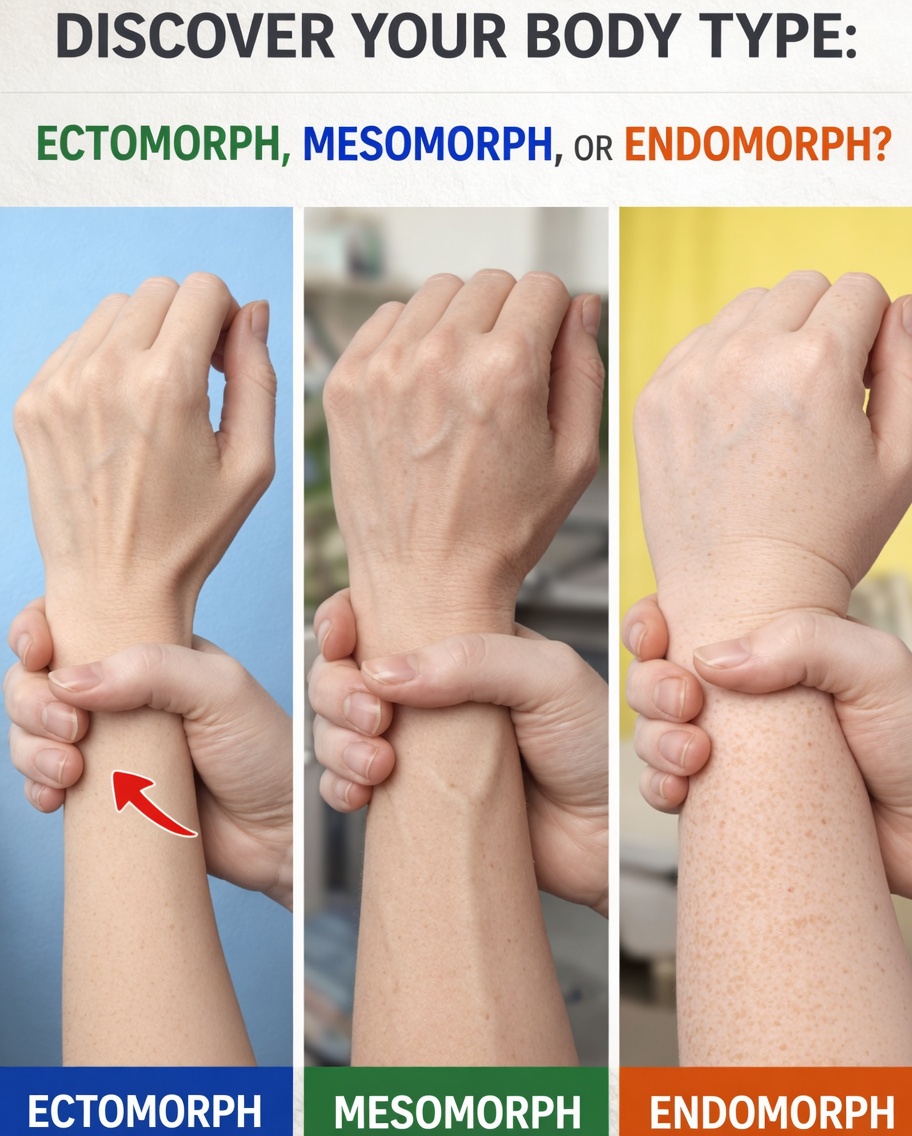
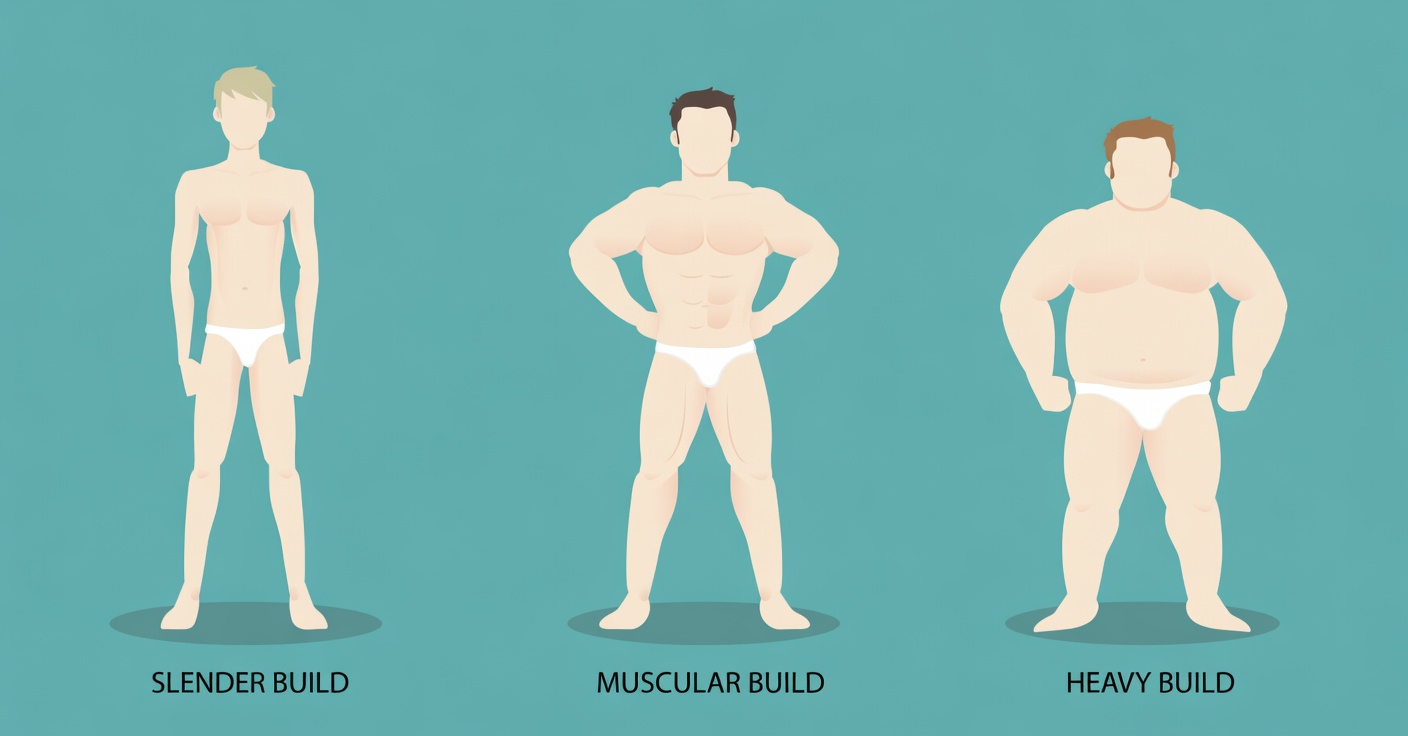
A major reason for this is natural body type, often called a somatotype. These classifications reflect broad physical patterns that can affect how your body handles nutrition, exercise, and recovery. Understanding the traits of ectomorph, mesomorph, and endomorph body types is not about limiting yourself with a label. Instead, it gives you useful insight so you can make choices that better match your body.
What many people overlook is this: once you recognize your natural tendencies, it becomes easier to build habits that are realistic, effective, and sustainable. Rather than forcing your body into a one-size-fits-all plan, you can work with it to improve energy, strength, and long-term wellness.
What Are Somatotypes?
The concept of body types was introduced decades ago as a way to describe general body structure and metabolic tendencies. Today, experts acknowledge that most people do not fit neatly into a single category. Instead, many individuals show a combination of characteristics. Even so, the somatotype model remains helpful for creating more personalized nutrition and fitness strategies.
Studies in exercise physiology suggest that genetics can influence how easily a person gains muscle, stores body fat, or recovers from training. The three classic categories—ectomorph, mesomorph, and endomorph—each come with distinct strengths and challenges.
The purpose of learning about them is not to place strict limits on yourself. It is to improve self-awareness and make smarter lifestyle decisions.
Ectomorph: Lean, Light, and Fast-Metabolism
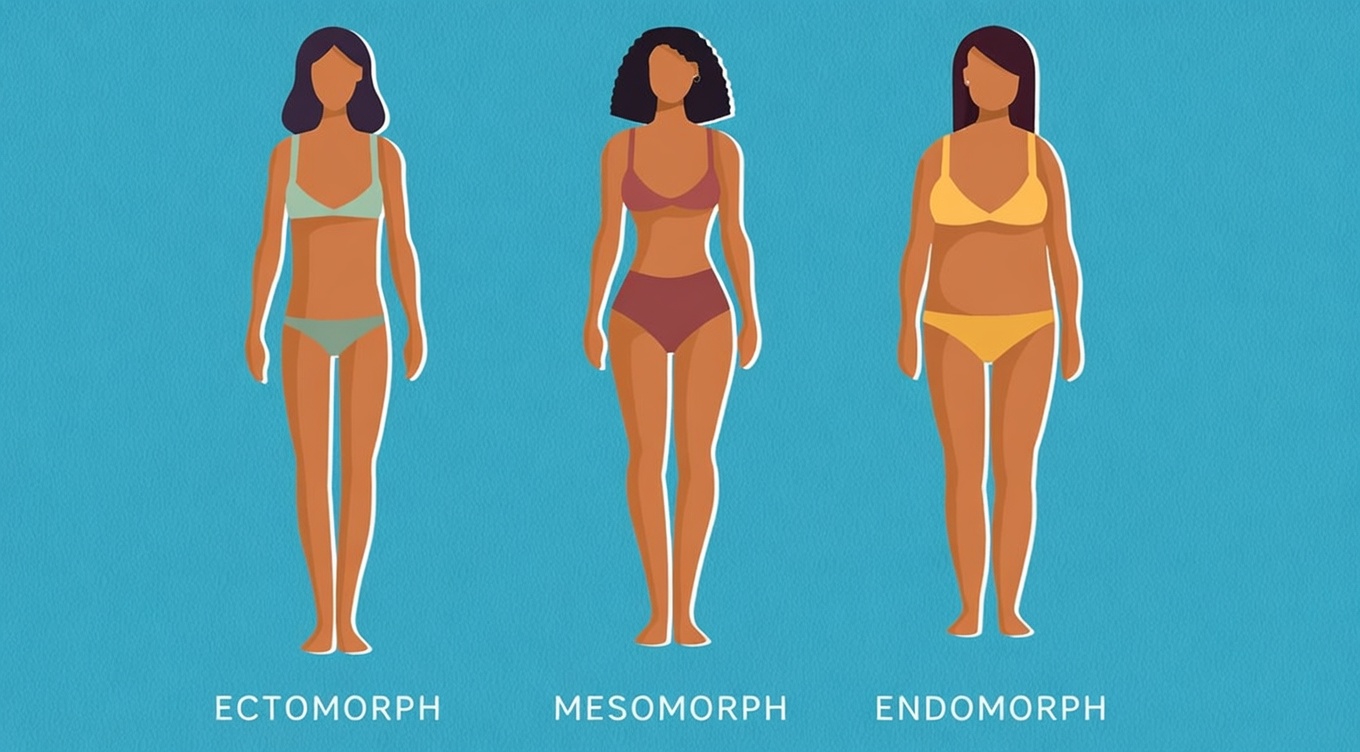
People with an ectomorph body type often have a slim frame, narrower shoulders, and longer limbs. Their metabolism tends to run fast, which means they may burn through calories quickly and find it difficult to gain weight or muscle.
Common ectomorph traits include:
- A naturally lean or slender appearance
- Difficulty gaining weight
- Slower muscle growth despite training
- High daily energy expenditure
- Greater fatigue when nutrition and rest are not adequate
Being naturally slim does not mean an ectomorph cannot become strong and healthy. It simply means the body often needs steady fuel and a thoughtful training plan.
How to Support an Ectomorph Body Type
For ectomorphs, the goal is usually to fuel consistently rather than restrict. Helpful habits may include:
- Eating regular meals that combine complex carbohydrates, protein, and healthy fats
- Adding calorie-dense whole foods such as nuts, avocados, seeds, and whole grains
- Focusing on strength training with compound exercises
- Prioritizing enough rest between workouts to support recovery
This type of routine can help support stable energy, improved strength, and better muscle development over time.
Mesomorph: Naturally Athletic and Adaptable
A mesomorph body type is often associated with a balanced, muscular build. People in this category may respond quickly to training and often notice changes in strength and body composition more easily than others.
Typical mesomorph characteristics include:
- A proportional, athletic-looking frame
- Strong potential for building muscle
- Good natural strength and endurance
- The ability to perform well in different types of exercise
One important point for mesomorphs is that their bodies often adapt efficiently. While that can be an advantage, it also means variety is important to keep progress moving.
How to Support a Mesomorph Body Type
Mesomorphs usually do well with a plan that combines consistency and variety. Supportive strategies often include:
- Blending strength training, cardio, and mobility work throughout the week
- Following a balanced eating pattern centered on vegetables, quality protein, and whole foods
- Paying attention to recovery to avoid overtraining
- Rotating training styles such as HIIT, sports, resistance workouts, or yoga
This balanced method can help mesomorphs stay challenged while maintaining strong performance and enjoyment.
Endomorph: Strong, Solid, and Steady
Individuals with an endomorph body type often have a broader, sturdier frame and a naturally solid build. They may gain weight more easily, but they can also make excellent progress with structure, patience, and consistency.
Common endomorph traits include:
- A stronger or heavier bone structure
- A rounder body shape
- Good long-term potential for building strength
- Positive results from routine and consistency
The encouraging news is that endomorphs often respond very well to sustainable habits and steady effort.
How to Support an Endomorph Body Type
For endomorphs, the most effective strategy is usually to focus on manageable, long-term habits instead of extremes. Useful practices may include:
- Choosing nutrient-dense meals rich in vegetables, fiber, lean protein, and healthy fats
- Keeping meal timing fairly regular to support steady energy
- Combining resistance training with enjoyable movement such as walking, swimming, or cycling
- Measuring success beyond the scale, including strength, mood, and energy improvements
With the right routine, endomorph body types can become remarkably strong, resilient, and healthy.
Why Most People Are Not Just One Body Type
In real life, very few people are a perfect example of a single somatotype. Most fall somewhere in between, with combinations such as ecto-mesomorph or meso-endomorph. On top of that, your dominant traits may shift over time due to age, hormones, stress, activity level, and lifestyle changes.
That is why observation matters more than labels. Instead of trying to fit perfectly into one category, pay attention to patterns such as:
- Do you gain or lose weight easily?
- Where does your body tend to store weight?
- How quickly do you recover after intense exercise?
- Which foods and activities help you feel strongest and most energized?
These clues are often far more valuable than trying to identify a “pure” body type.
Practical Ways to Use Body Type Knowledge
When you understand your body’s natural tendencies, you can make more informed choices about fitness and nutrition. A simple way to apply this knowledge is:
- Ectomorphs: Emphasize frequent, balanced meals and make recovery a priority.
- Mesomorphs: Use variety in workouts and nutrition to avoid plateaus.
- Endomorphs: Build consistency around nourishing meals and a mix of strength and movement.
The purpose of body type awareness is empowerment. It helps you set realistic expectations and create kinder, more effective strategies for long-term health.
Creating a Healthier Relationship With Your Body
When you stop battling your natural build and begin supporting it, healthy habits often feel easier to maintain. You may notice more energy, less frustration, and stronger confidence in what your body can do.
The biggest reward is not chasing a specific appearance. It is feeling capable, energized, and comfortable in your body every day.
Frequently Asked Questions
1. Can body type change over time?
Your natural tendencies are influenced largely by genetics, but your body composition and performance can absolutely change with training, nutrition, age, and lifestyle. Many people notice that their traits evolve over the years.
2. Is one body type better than another?
No. There is no “best” body type. Each one has its own benefits and its own areas that may need more attention. What matters most is choosing habits that support your personal goals and overall well-being.
3. How can I identify my body type?
Start by looking at your natural frame, your history with diet and exercise, and how your body typically responds to training, food, and recovery. Many people are a blend of two types. A qualified fitness professional can also help you assess your tendencies more accurately.
Disclaimer
This article is intended for educational and informational purposes only. It should not be used as a substitute for professional medical, fitness, or nutrition advice. Before making major changes to your diet or exercise program, consult a qualified healthcare provider.