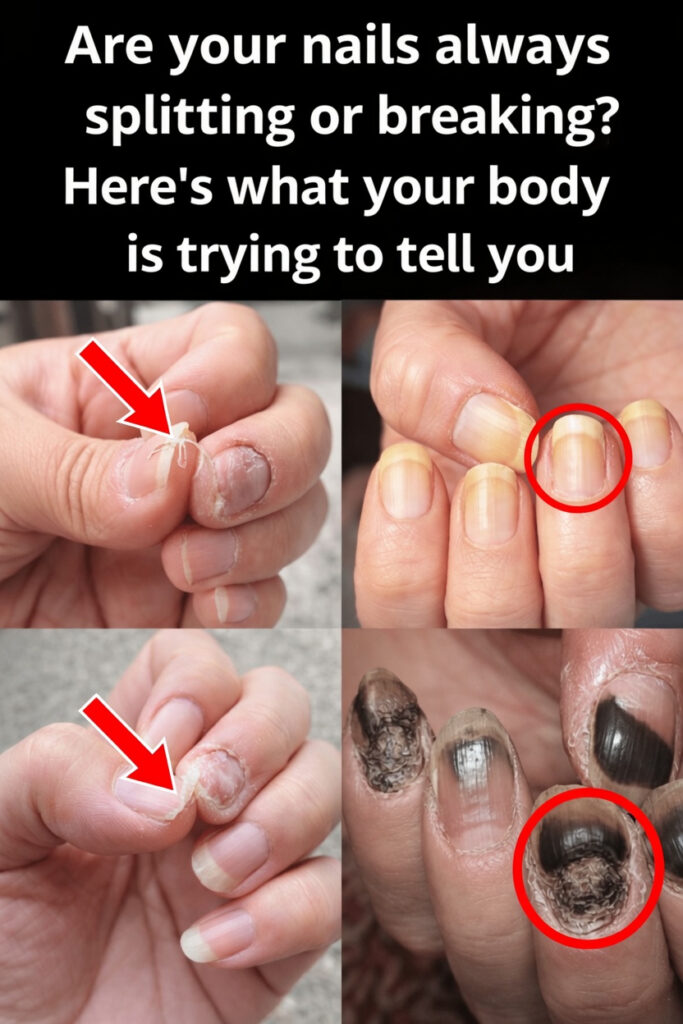
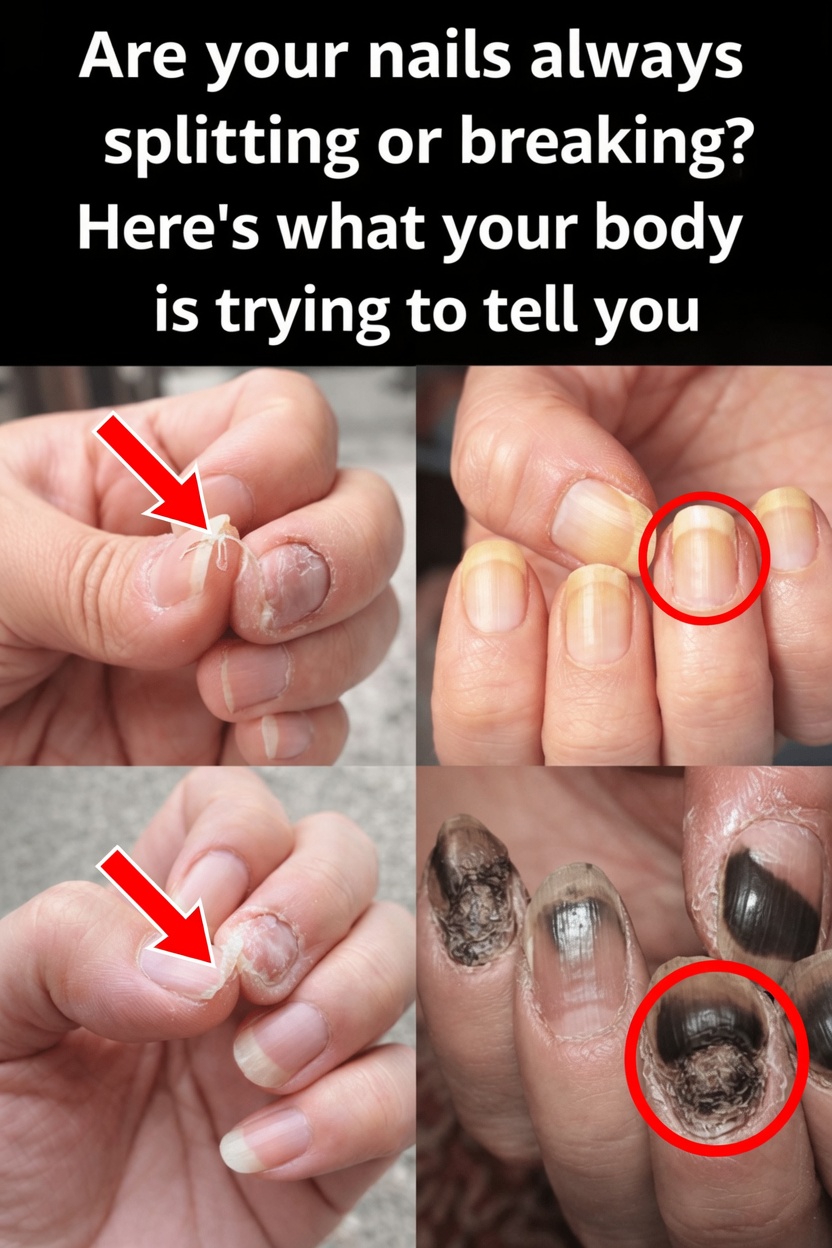
Brittle, Splitting Nails: What Your Body May Be Trying to Tell You
You reach into your bag for your keys, and a nail catches on the fabric. Another one cracks. Later, while typing, the edge of a nail starts peeling away. If this sounds familiar, you are far from alone. Nails that split, chip, or break easily are a common frustration, especially with age, and they can make your hands feel neglected even when you take care of them.
Nails are not only cosmetic. They can reflect what is happening inside the body. Because nails are made mainly of keratin, a durable structural protein, changes in their texture and strength may point to daily habits, nutritional gaps, or sometimes an underlying health issue. In many cases, however, brittle nails can be improved with a few practical adjustments. Often, they are simply a sign that your body needs a little more support.
What Causes Nails to Become Brittle?
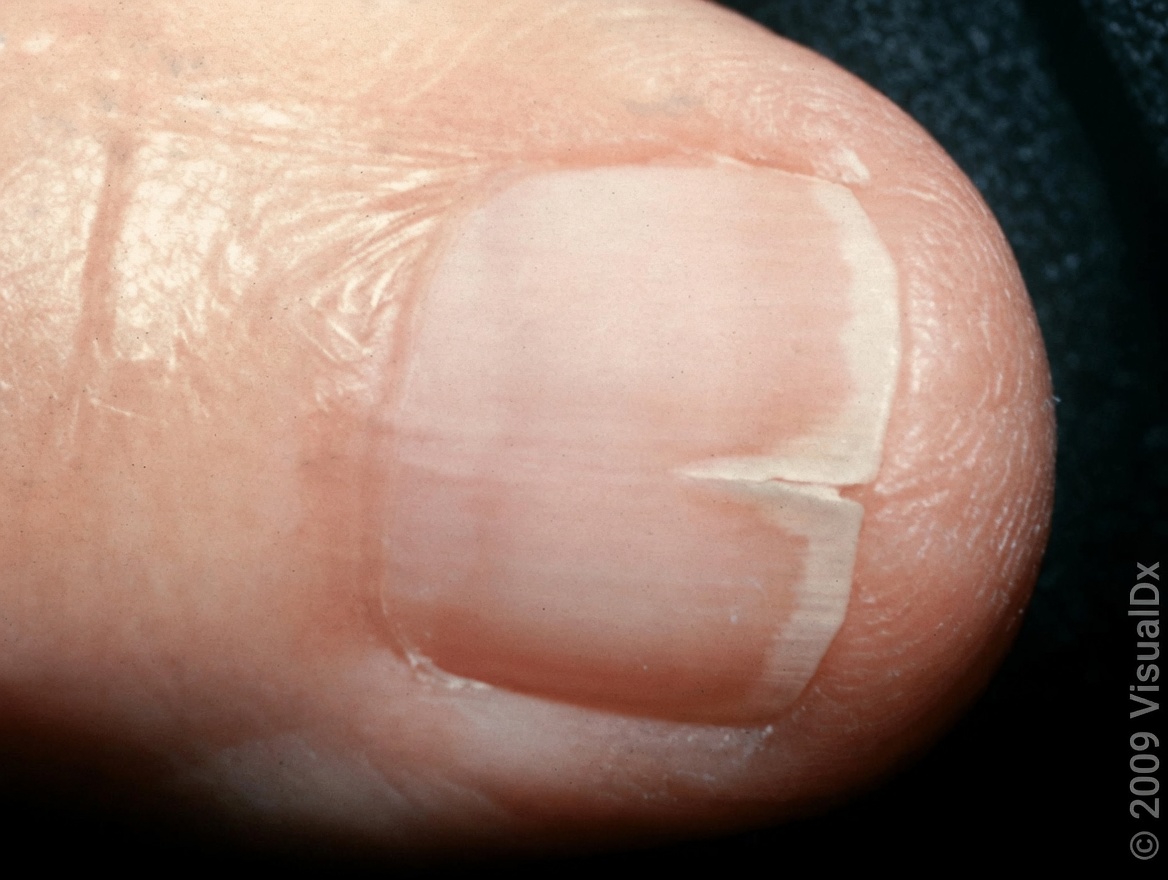
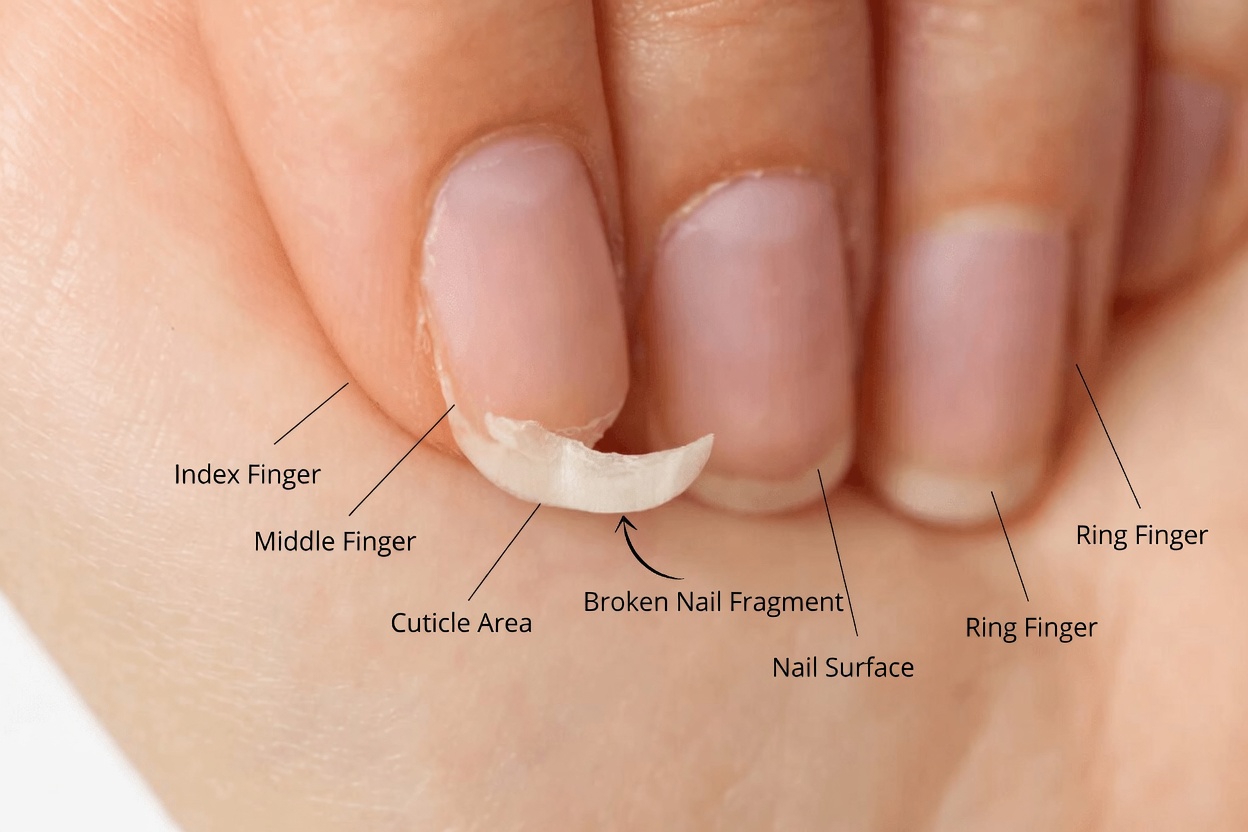
Fragile nails, sometimes called onychoschizia, are very common and affect a significant number of adults, particularly women over 50. They often split at the ends, peel in thin layers, or snap more easily than they used to.
The encouraging part is that the cause is often not serious. For many people, weak nails are linked to routine exposure and lifestyle factors rather than disease.
Daily Habits That Can Damage Nail Strength
Constant contact with water is one of the biggest reasons nails dry out. Repeated handwashing, washing dishes, doing laundry, and frequent use of sanitizer can strip away the natural oils that help keep nails flexible.
Dry weather can make the problem worse. So can harsh household cleaners and nail polish removers, especially formulas containing strong solvents like acetone. Even if you occasionally wear gloves, repeated cycles of soaking and drying still put stress on the nail surface and can leave it vulnerable to cracking.
How Aging and Lifestyle Affect Nail Health
As people get older, nails usually grow more slowly and lose some of their natural elasticity. This makes them more likely to split or break under pressure. Many also notice that their nails become thinner, more ridged, or less smooth with time.
Certain beauty habits may also contribute. Long nails are easier to catch and tear. Frequent gel manicures, extensions, or repeated salon treatments can weaken the nail plate over time, especially if removal is rough or frequent.
Nutritional Deficiencies That May Show Up in Your Nails
Strong nails depend on a steady supply of nutrients. When the body is lacking key vitamins or minerals, nails may become weak, brittle, or prone to peeling.
Iron Deficiency and Anemia
Low iron is a well-known cause of fragile nails. In some cases, the nails may even develop a spoon-like shape. If brittle nails appear along with tiredness, weakness, or low energy, iron deficiency may be worth investigating.
Biotin and B Vitamins
Biotin, also known as vitamin B7, plays a role in keratin production. Some studies suggest that biotin supplements may help improve nail strength in certain people, although the results are not the same for everyone.
Other Important Nutrients
Nails also rely on:
- Protein
- Zinc
- Omega-3 fatty acids
- A balanced intake of vitamins and minerals overall
A nutritious diet supports healthy nail growth, while long-term nutrient gaps may gradually make nails weaker.
It may be tempting to start supplements right away, but it is best to speak with a healthcare professional first. Taking too much of certain nutrients can create other health problems.
Medical Conditions Linked to Brittle Nails
Sometimes splitting nails are not just a surface issue. They can occasionally be associated with broader health conditions.
Thyroid Problems
An underactive thyroid, or hypothyroidism, can lead to dry, brittle nails. It may also come with symptoms such as:
- Fatigue
- Weight gain
- Feeling unusually cold
- Dry skin
If a thyroid problem is the cause, proper treatment may improve nail quality over time.
Anemia and Poor Circulation
Iron-deficiency anemia can make nails fragile. Circulation-related conditions such as Raynaud’s syndrome, which reduces blood flow to the fingers, may also affect nail health.
Skin Conditions, Infections, and Medications
Other possible contributors include:
- Psoriasis
- Eczema
- Fungal nail infections
- Certain medications, including chemotherapy drugs or retinoids
That said, these causes are less common than simple environmental damage and moisture loss.
Real-Life Examples of Nail Recovery
Consider Lisa, age 58, who struggled with splitting nails for years. She often washed dishes without gloves and regularly used acetone remover. Once she began wearing protective gloves and moisturizing every day, her nails gradually became stronger over the next few months. The painful snags stopped, and her hands looked healthier again.
Then there is Mark, 62, who noticed that his nails had become brittle around the same time he started feeling unusually tired. After a medical check, he learned he had low iron. Once that deficiency was treated, both his energy and his nails improved.
These examples show an important truth: even small changes can produce noticeable results.
Practical Ways to Make Nails Stronger
If your nails keep splitting, a few simple habits can make a meaningful difference.
1. Protect Nails From Water and Chemicals
Wear cotton-lined rubber gloves when cleaning, washing dishes, or using household products. After washing your hands, dry them thoroughly instead of leaving moisture trapped around the nails.
2. Moisturize Every Day
Apply hand cream, nail oil, or cuticle oil daily, especially after bathing or handwashing. Products containing ingredients such as lanolin or alpha-hydroxy acids may help improve moisture retention.
3. Use a Gentle Nail Care Routine
Keep nails shorter so they are less likely to snag. File them in one direction instead of sawing back and forth. Avoid harsh buffing, which can thin the nail surface.
4. Support Nail Health Through Nutrition
Focus on foods rich in the nutrients nails need, including:
- Lean proteins
- Leafy green vegetables
- Nuts and seeds
- Iron-rich foods
- Plenty of fluids
Common Approaches for Brittle Nails
| Approach | How It Helps | Tips |
|---|---|---|
| Protective gloves | Reduces water exposure and moisture loss | Use during cleaning and dishwashing |
| Moisturizing oils or lotions | Helps lock in hydration | Apply morning and night |
| Balanced diet | Supports keratin production and nail growth | Include protein and iron-rich foods |
| Supplements such as biotin | May improve strength in some cases | Check with a doctor before starting |
Safe First Steps You Can Try
-
Moisturize daily
Massage oil or cream into your nails and cuticles. Avoid any product that causes irritation or allergic reactions. -
Use gloves for chores
Choose cotton-lined gloves when working with water or cleaning products. Replace them once they become worn. -
Trim nails properly
Cut nails straight across and smooth rough edges gently with a file. -
Stay hydrated
Drink enough water and pay attention to whether your nails improve over time.
Professional medical advice should always come first if you are unsure of the cause.
When to See a Doctor
If your nails do not improve after a few months of home care, it is a good idea to consult a healthcare professional. You should also seek help if you notice:
- Pain
- Swelling
- Discoloration
- Thickening
- Sudden nail changes
Symptoms such as fatigue, hair loss, weight changes, or skin problems may offer important clues and should not be ignored. A doctor may recommend simple testing to look for issues such as iron deficiency or thyroid imbalance.
Start Improving Your Nail Health Today
Healthier, stronger nails are often possible with a few steady habits. Protecting your hands, keeping nails moisturized, and making sure your diet supports nail growth can all add up over time. Small steps may help you avoid painful splits, keep manicures looking better, and feel more confident about your hands again.
The next time you wash your hands, dry them gently and apply a quick layer of moisturizer. It is a simple routine, but it can make a real difference.
Frequently Asked Questions
1. Can biotin repair splitting nails overnight?
No. Biotin may help support nail strength over time, but it does not work instantly. When it helps, results usually appear after several months of consistent use. Always speak with your doctor before starting any supplement.
2. How long does it take to see stronger nails?
Most people notice improvement within 3 to 6 months if they consistently protect and moisturize their nails. Because nails grow slowly, patience is important.
3. Are splitting nails ever a sign of a serious problem?
Usually, they are not. However, if brittle nails appear along with symptoms like tiredness, weight changes, hair loss, or skin issues, a medical check-up is a smart next step. A simple blood test can often identify common causes such as low iron.
Important Note
This article is for informational purposes only and should not replace professional medical advice. For guidance tailored to your health needs, consult a qualified healthcare provider.