
Atorvastatin Side Effects: What to Expect and How to Manage Them
Millions of people take atorvastatin every day to lower cholesterol and protect their heart. Although this medication is widely used and often well tolerated, some people notice new sensations or physical changes after starting it. That can be unsettling, especially if you are unsure whether what you are feeling is normal.
The reassuring part is that most of these reactions are mild and manageable. When you understand what may happen and what to watch for, it becomes much easier to respond calmly and stay on course with treatment. There is also a practical strategy many people use to feel better without giving up the benefits of the medication.
What Atorvastatin Does and Why Side Effects Can Occur
Atorvastatin is part of the statin family, a group of medicines commonly prescribed to reduce LDL cholesterol and lower the risk of heart attack and stroke. As your body breaks down and uses the drug, certain systems such as the muscles, stomach, or skin may react.
Not everyone experiences side effects, and when they do happen, they are often temporary. Still, recognizing them early can help you manage them more effectively and discuss any concerns with your healthcare provider.
Reliable medical sources, including organizations like the Mayo Clinic, consistently emphasize that informed patients tend to work more confidently with their doctors rather than worrying on their own.

Muscle and Joint Pain: A Common Concern
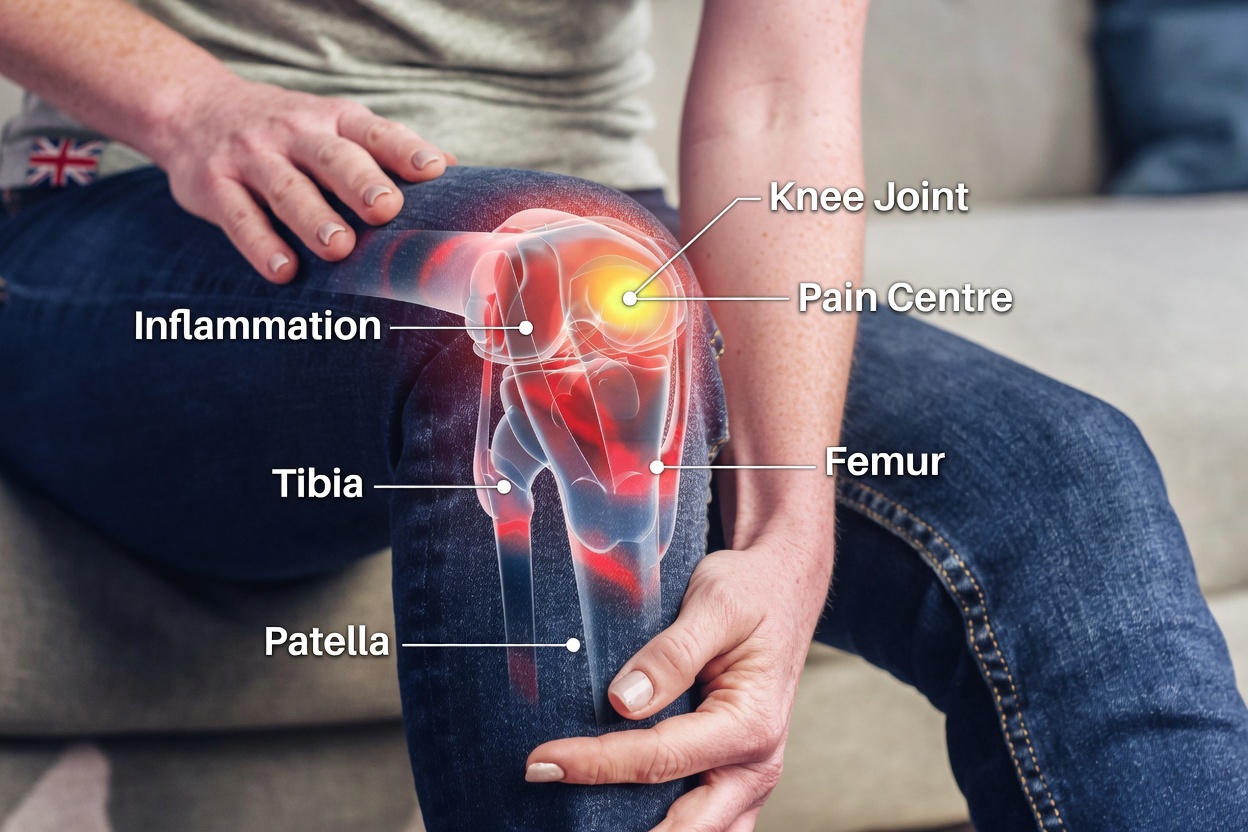
One of the most frequently discussed atorvastatin side effects is muscle discomfort. Some people develop soreness, tightness, or stiffness in areas like the back, shoulders, arms, or legs. It may feel similar to post-exercise fatigue, even if you have not been especially active.
Joint sensitivity can also occur, particularly in the knees or hips. These symptoms often show up during the first few weeks of treatment and may gradually improve as the body adapts.
You are not alone if you notice this. Research suggests that muscle-related symptoms are reported by up to 10% of statin users, though the majority describe them as mild rather than severe.
Simple ways to ease muscle or joint discomfort
- Stretch gently in the morning, especially in sore areas
- Drink enough water throughout the day
- Focus on low-impact movement such as walking or swimming
Digestive Issues That May Appear Early On
Stomach-related reactions are also fairly common when starting atorvastatin. Some people report nausea, bloating after meals, loose stools, mild cramping, or heartburn. These symptoms can be annoying, but they often settle down within a few days or weeks.
Small adjustments in your eating habits can make a noticeable difference. Many people feel better when they eat lighter meals more often and avoid foods that are very greasy, spicy, or heavy.
This is one of the easiest side effects to manage, and for some users, changing meal timing is enough to improve comfort significantly.
Skin Reactions and Other Visible Changes
Atorvastatin can occasionally cause visible skin changes. These may include light itching, facial flushing, or a small red patch on the skin. While these reactions are usually not dangerous, they can be surprising if they happen suddenly.
Keeping the skin clean and using a gentle moisturizer may help reduce irritation. In many cases, the reaction fades on its own without any special treatment.
One important point to remember is that side effects vary from person to person. One individual may have no symptoms at all, while another may notice a temporary rash or sensitivity. That is why paying attention to your own experience matters.
Other Possible Side Effects to Know About
In addition to muscle, digestive, and skin-related symptoms, some people mention a few less common issues. These can include headaches, trouble sleeping, feeling unusually tired, or mild cold-like symptoms such as a runny nose or sore throat. Some users also report brief dizziness when standing up quickly or mild urinary discomfort.
Below is a list of 15 commonly reported atorvastatin side effects:
- Muscle aches or soreness
- Joint pain or stiffness
- Headaches
- Nausea
- Diarrhea
- Indigestion or heartburn
- Unusual tiredness
- Difficulty sleeping
- Runny nose or sore throat
- Brief dizziness
- Mild rash or itching
- Arm or leg pain
- Urinary tract irritation
- Temporary memory fog
- Small changes in energy levels
These side effects come from real-world reports made to healthcare professionals. Most people do not experience all of them, and many notice only one or two mild symptoms.
What You Can Do Right Now
You do not need to wait helplessly for symptoms to pass. A good first step is to keep a simple daily record of how you feel, including when symptoms begin and whether they improve or worsen. Bringing these notes to your doctor can help them decide whether your dose, timing, or routine should be adjusted.
Four practical habits that may help
- Take atorvastatin with food in the evening
- Eat plenty of colorful fruits and vegetables
- Stay active with gentle, regular exercise
- Ask your pharmacist before adding any new vitamins or supplements
These small steps can often reduce discomfort without requiring major lifestyle changes.
When You Should Contact Your Doctor
Most atorvastatin side effects are mild, but some symptoms should never be ignored. Seek medical advice promptly if you have muscle pain along with dark urine, severe weakness, or fever. You should also get immediate attention for yellowing of the skin or eyes, serious stomach pain, or swelling of the face.
Many people are surprised by how helpful a simple conversation with their doctor can be. Often, there are solutions that do not involve stopping treatment completely.
How People Often Feel Better Without Stopping Atorvastatin
A lot of adults find that a few targeted changes improve their experience dramatically. For some, combining atorvastatin with regular light exercise and a Mediterranean-style diet makes side effects easier to manage. Others feel better after changing the time of day they take the medication.
One especially practical approach involves asking a doctor to evaluate vitamin D or coenzyme Q10 levels when appropriate. This is not a guaranteed fix, but ongoing research suggests it may help some people feel more comfortable while continuing treatment.
Final Thoughts: Stay Informed and Stay Supported
Atorvastatin remains one of the most studied and commonly used medications for heart protection. Most people take it without major problems, and even when side effects do appear, they are often manageable with simple changes and medical guidance.
The key is to notice symptoms early, respond thoughtfully, and keep communicating with your healthcare provider. With the right support, you can often continue getting the heart-health benefits of atorvastatin while minimizing discomfort.
Frequently Asked Questions
Do atorvastatin side effects usually disappear on their own?
Yes, many mild side effects improve within a few weeks as your body adjusts to the medication. If symptoms continue, your doctor may recommend changing the dose or the time you take it.
Can I stop taking atorvastatin if the discomfort is too strong?
Do not stop taking atorvastatin without speaking to your doctor first. They can guide you safely and may offer another option that still helps protect your heart.
Are side effects the same for everyone?
No. Reactions can differ based on age, diet, other medications, and individual body chemistry. That is why symptom tracking and regular follow-up are so useful.
Disclaimer
This article is for informational purposes only and does not replace professional medical advice. Always speak with your healthcare provider before changing your medication, supplement use, or health routine. Only a qualified medical professional can determine what is appropriate for your specific situation.