
Dates as a Healthy Snack: Benefits, Risks, and How Many to Eat
That mid-afternoon energy dip can make a candy bar or packaged snack feel irresistible. If you want something naturally sweet without relying on heavily processed foods, dates are a smart option to consider. They taste like a treat, yet they also deliver fiber, minerals, and protective plant compounds that refined sugar simply doesn’t offer.
Still, dates aren’t perfect for everyone. Below, you’ll find the key health benefits of dates, the potential downsides, and practical guidance on portions—so you can snack with confidence.

What Are Dates?
Dates are the fruit of the date palm (Phoenix dactylifera), eaten for thousands of years—especially across the Middle East and North Africa. Most people enjoy them dried, which intensifies both their sweetness and their nutrient density. Popular varieties include Medjool, Deglet Noor, Ajwa, and Zahidi.
Although dates taste like candy, they’re a whole food. That means you’re getting natural sugars along with fiber and micronutrients, not empty calories. If you need a quick, natural energy boost, dates can fit the bill.
1. Quick, Natural Energy Without the “Crash”
One of the biggest reasons people reach for dates is simple: fast energy. Dates contain naturally occurring sugars—glucose, fructose, and sucrose—that your body can use quickly.
They can be especially helpful:
- After fasting or a long day
- Before exercise
- During a demanding workday
- When you need a convenient, portable snack
Unlike many sugary snacks, dates also provide fiber and minerals, which can help you feel more stable afterward instead of swinging from a spike to a slump.

2. Digestive Support Thanks to Fiber
Dates are a fiber-rich fruit, and fiber plays a major role in keeping digestion running smoothly. Eating a small serving of dates may help:
- Encourage more regular bowel movements
- Reduce constipation
- Support a healthier gut environment
A key caution: too many dates—especially for people with sensitive digestion—can lead to bloating or stomach discomfort. Portion control matters.
| Digestive benefit | How dates may help |
|---|---|
| Regularity | Supports consistent bowel movements |
| Constipation relief | Helps stools pass more easily |
| Gut support | Nourishes beneficial gut bacteria |
3. A Concentrated Source of Essential Minerals
Dates provide several minerals that support daily function and recovery, including:
- Potassium (heart rhythm, muscle function)
- Magnesium (nervous system support, relaxation)
- Copper (red blood cell production)
- Iron (oxygen transport in the blood)
These nutrients can be useful if you’re feeling run-down, dealing with dehydration, or simply not getting enough minerals through your usual diet.
4. Potential Heart Health Benefits
Dates can complement a heart-smart eating pattern largely because of their potassium and fiber content. When part of a balanced diet, they may help:
- Support healthy blood pressure
- Contribute to better cholesterol management
- Reduce oxidative stress via antioxidants
Dates contain antioxidant compounds such as flavonoids and phenolic acids, which help protect cells from damage. For best results, pair dates with other heart-healthy choices (vegetables, legumes, nuts, and whole grains).
5. Brain Support from Antioxidants
Research suggests the antioxidants in dates may benefit the brain by helping to:
- Lower inflammation
- Support memory and cognitive function
- Protect nerve cells over time
Dates are not a treatment for neurological diseases, but they can be one small, beneficial piece of an overall brain-supportive diet.
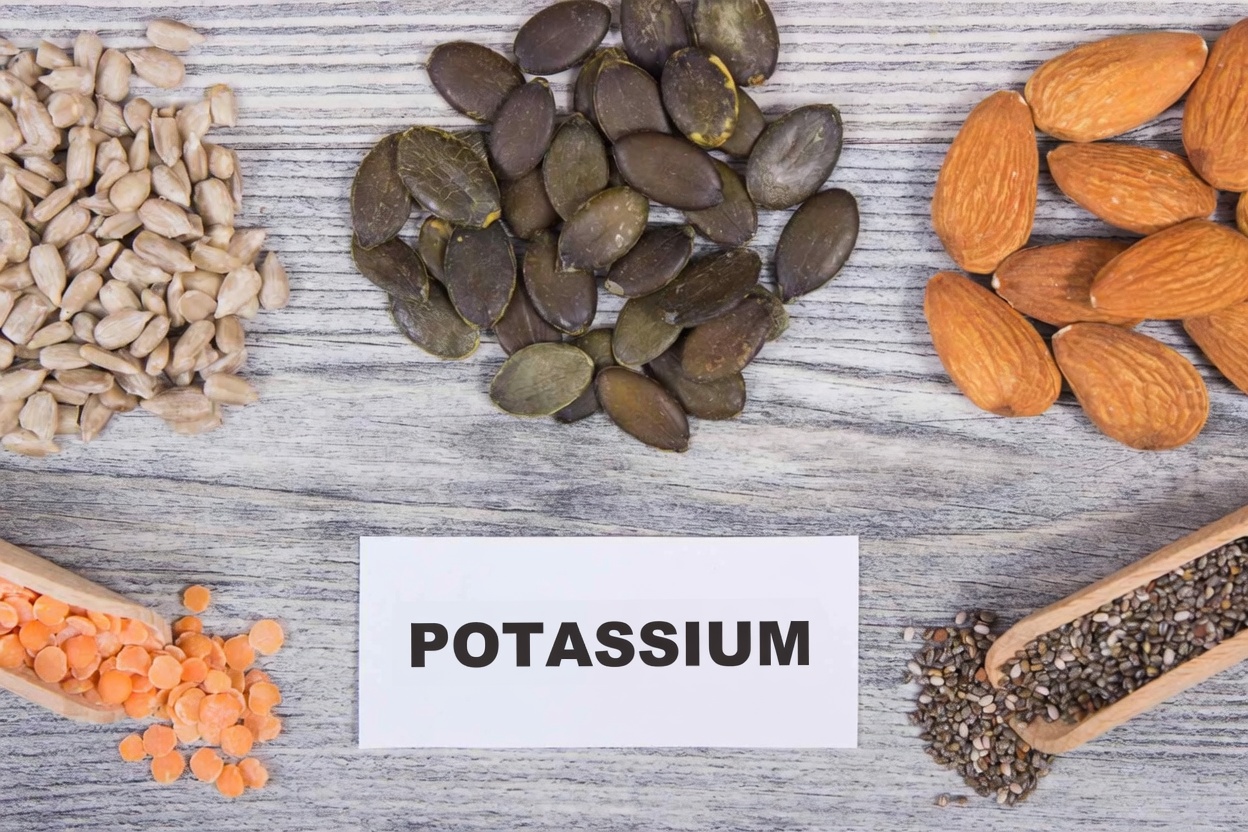
6. Bone-Friendly Nutrients
Dates contain bone-supporting minerals such as calcium, phosphorus, and magnesium. Combined with a nutrient-dense diet and adequate vitamin D, they can contribute to maintaining strong bones over time.
7. A Natural Alternative to Refined Sugar in Recipes
Dates are often used as a natural sweetener to replace refined sugar. Try them as chopped fruit or blended into date paste for:
- Smoothies
- Energy balls
- Baked goods
- Homemade desserts
You’ll get sweetness plus fiber and minerals, making them a more nutrient-rich choice than white sugar. However, dates are still high in sugar and calories, so “natural” doesn’t mean unlimited.
Who Should Be Cautious With Dates?
Dates are nutritious, but some people should be more careful due to their sugar density. Use caution if you:
- Have diabetes or insulin resistance
- Follow a low-sugar or low-glycemic diet
- Have a sensitive digestive system
- Are trying to lose weight aggressively and tracking calories closely
Because dates can raise blood sugar more quickly than many other fruits, portion size is essential, especially when eaten daily.
How Many Dates Per Day Is Reasonable?
For most healthy adults, 2–4 dates per day is a practical range. Regularly going beyond that can increase the likelihood of:
- Too much added sugar overall (even if it’s natural)
- Calorie surplus and possible weight gain
- Digestive discomfort (bloating, gas)
Think of dates as a concentrated fruit: small portion, big impact.
Final Takeaway
Dates are a nutrient-dense, naturally sweet snack that can support energy, digestion, and mineral intake—when eaten in moderation. They’re not a miracle food, and they may not suit every health goal, but they can be an excellent alternative to processed sweets if you keep portions sensible.
FAQ
Are dates good for weight loss?
They can fit into a weight-loss plan if you limit portions. Because dates are calorie- and sugar-dense, overeating them can slow progress.
Can dates help with constipation?
Yes. Their fiber can support bowel regularity and ease constipation. Too many, however, may cause bloating.
Are dates safe for people with diabetes?
People with diabetes should eat dates cautiously and monitor portions due to the high sugar content. Check with a healthcare professional for personalized advice.