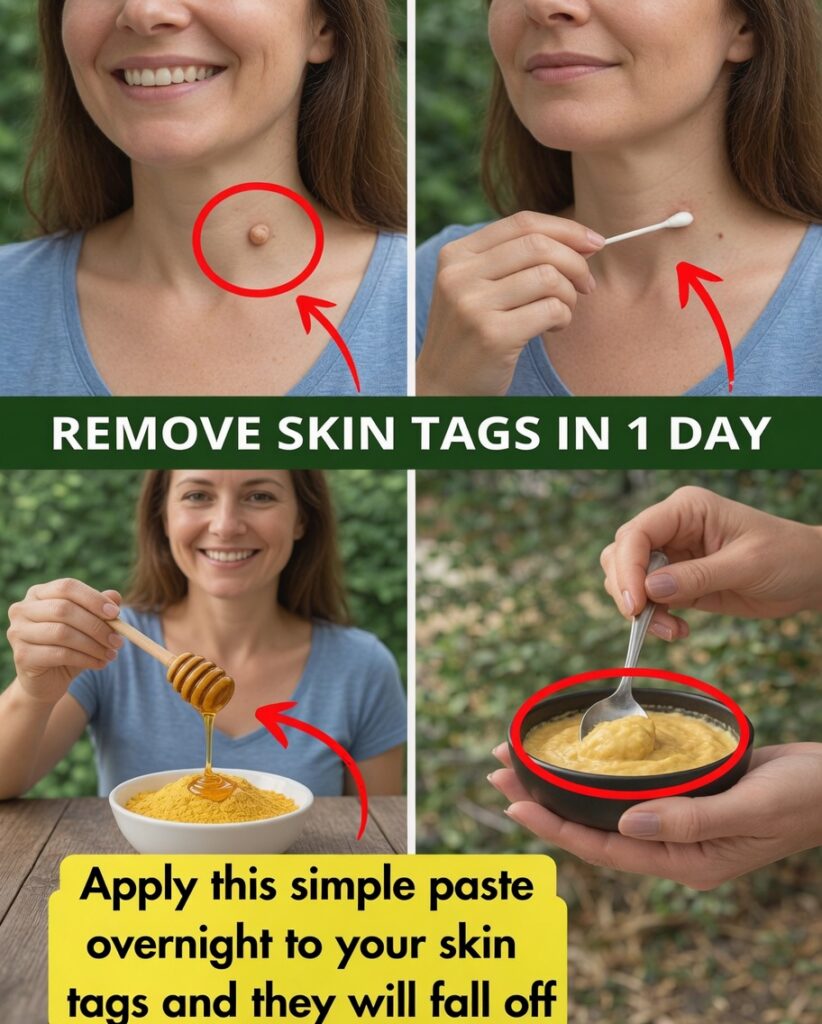
Skin tags can be surprisingly upsetting: those tiny, soft growths on the neck, underarms, eyelids, or other friction-prone areas may be harmless, yet they can still make you feel self-conscious. When a tag repeatedly rubs against clothing, a bra strap, or jewelry, it can become a daily nuisance that affects how comfortable you feel in your own skin.
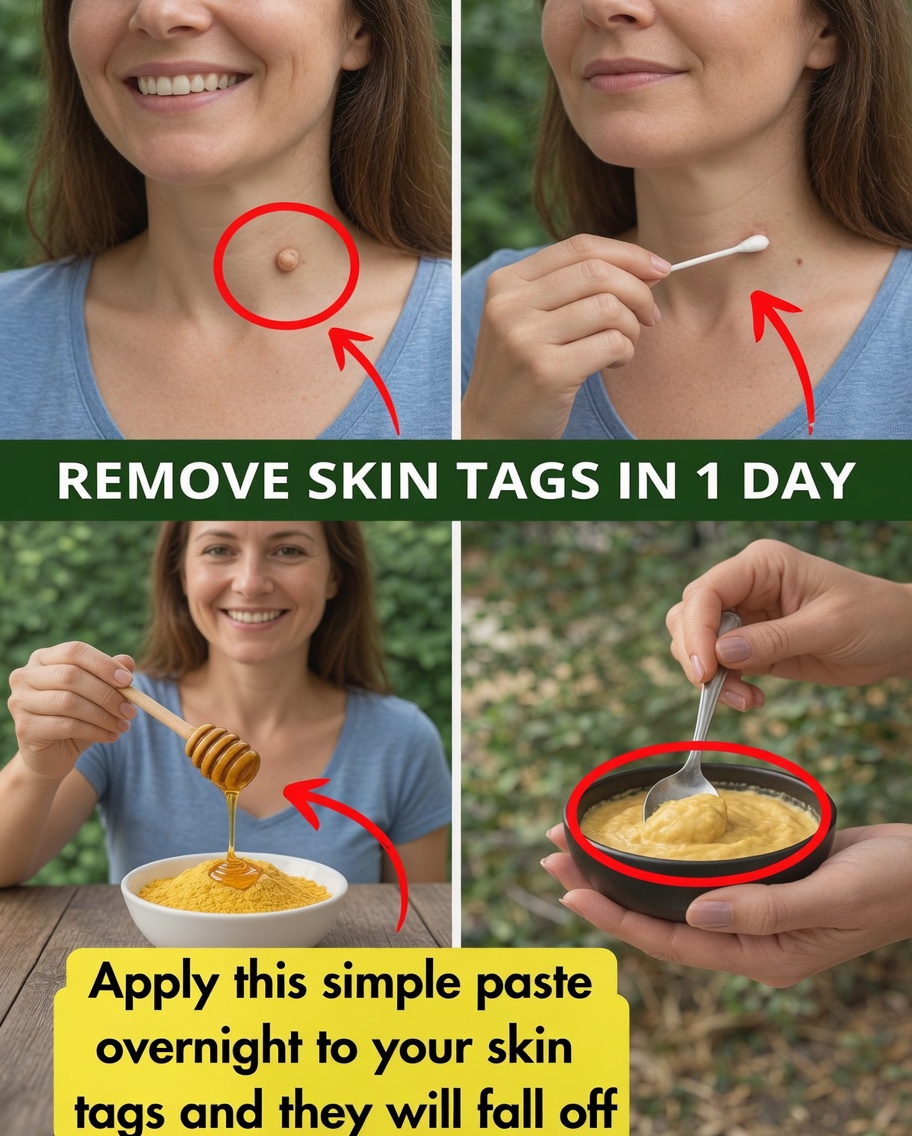
Because of that, many people look for natural skin tag removal options they can try at home—something gentle that avoids a clinic visit. It’s worth keeping expectations grounded, though: most home remedies for skin tags are supported mainly by personal stories, not strong clinical evidence. A cautious, safety-first approach matters more than chasing a “quick fix.”
Understanding Skin Tags (Acrochordons) and Why Natural Options Are Popular
Skin tags—also called acrochordons—are benign (non-cancerous) skin growths. They often appear in skin folds or areas exposed to frequent friction. Common contributing factors include:
- Ongoing rubbing (skin-on-skin or fabric-on-skin)
- Genetics
- Weight changes and metabolic factors
They usually don’t hurt, but they can be cosmetically annoying—especially on visible areas like the neck or face. That’s why searches for “natural remedies for skin tags” are so common. Medical sources frequently note that while skin tags are not dangerous, true removal is typically safest when performed by a healthcare professional, especially to avoid bleeding, infection, or scarring.
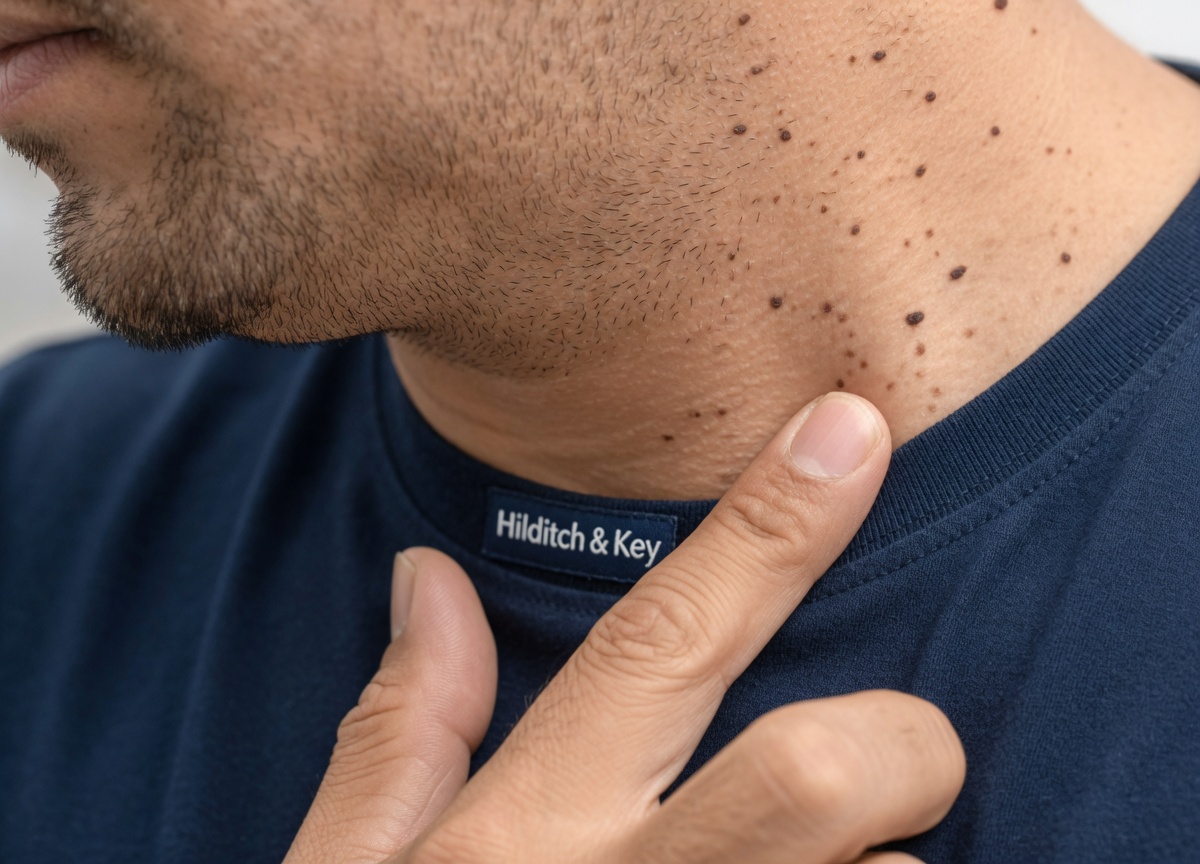
Realistic Expectations: What Natural Skin Tag Remedies Can (and Can’t) Do
Natural approaches rarely work overnight. If they help at all, results usually take weeks of consistent use, and even then the outcome is unpredictable. Many widely shared methods can also cause irritation, particularly on thin or sensitive skin.
A practical takeaway:
- Low-risk, gentle methods may support gradual drying for some small tags.
- There is limited scientific proof for most at-home remedies.
- If irritation appears, the risks can outweigh any potential benefit.
Patience, careful observation, and basic skin care often provide the most peace of mind when exploring skin tag treatment at home.
6 Common Natural Remedies for Skin Tags (With Use Tips and Cautions)
Below are popular, frequently discussed options—plus the key safety concerns that come with each.

1) Tea Tree Oil (Often Used for Its “Drying” Reputation)
Tea tree oil is widely known for antimicrobial properties, and many people apply it hoping it will gradually dry out the tag. However, effectiveness for skin tags is not well proven, and undiluted tea tree oil can irritate or trigger allergic reactions.
- How it’s used: Dilute with a carrier oil (like coconut or jojoba). Apply a small amount to the tag once daily.
- Caution: Stop immediately if stinging, redness, rash, or swelling appears.
2) Apple Cider Vinegar (Acid-Based Approach)
Apple cider vinegar is often promoted because of its acetic acid content, with claims that it may “break down” tissue over time. In reality, it can cause chemical irritation or burns, especially if used strong or left on too long.
- How it’s used: Dilute heavily, apply with a cotton pad for 15–30 minutes, then rinse.
- Caution: Higher risk of burning and post-inflammatory discoloration, especially on sensitive skin.
3) Garlic (Strong, Potentially Irritating)
Garlic contains active compounds that may affect skin, and some people report “drying” effects. The downside: garlic can be very harsh, and it may cause burns or dermatitis.
- How it’s used: Crushed garlic is placed on the tag briefly, then washed off.
- Caution: Do not leave on for long periods; discontinue if any burning sensation occurs.
4) Banana Peel (A Gentle, Low-Irritation Option)
Banana peel is often suggested as a mild, accessible option. Claims focus on enzymes and antioxidants, though evidence is minimal. It’s generally considered less irritating than acids or essential oils.
- How it’s used: Place the inner peel against the tag and secure it overnight.
- Caution: Still discontinue if itching or rash occurs.
5) Vitamin E Oil (Skin-Soothing Support)
Vitamin E is mainly used to nourish and soothe surrounding skin. Some people apply it in hopes of supporting gradual changes, though direct evidence for removing tags is limited.
- How it’s used: Apply a drop to the tag daily; some cover it overnight.
- Caution: Stop if clogged pores, redness, or irritation develops.
6) Castor Oil + Baking Soda Paste (A “Drying Paste” Blend)
This mixture is commonly shared online as a DIY paste that may help shrink tags over time. It remains anecdotal and can be irritating for some.
- How it’s used: Mix into a paste, apply to the tag, cover, and leave overnight.
- Caution: Watch closely for redness or tenderness and discontinue if irritation starts.
Quick Comparison: Natural Remedies for Skin Tags

| Remedy | Commonly Claimed Benefit | Main Risk | Evidence Level | Best Fit (If Trying) |
|---|---|---|---|---|
| Tea tree oil (diluted) | Drying effect, antimicrobial reputation | Irritation, allergy | Anecdotal | Small tags, non-sensitive areas |
| Apple cider vinegar (diluted) | Gradual “breakdown” of tissue | Burning, discoloration, irritation | Limited | Only with strong dilution and caution |
| Garlic | “Enzyme/compound” effect | Burns, severe irritation | Anecdotal | Very short contact only (not ideal) |
| Banana peel | Gentle, low irritation | Minimal (possible allergy) | Very low | Conservative, gentle trials |
| Vitamin E oil | Skin support/soothing | Low (possible irritation) | Anecdotal | Sensitive skin around the tag |
| Castor oil + baking soda | Drying paste | Irritation | Anecdotal | Overnight use with close monitoring |
Safety Rules Before Trying Any Home Remedy for Skin Tags
To reduce the chance of infection, scarring, or unnecessary inflammation:
- Patch test first on a small area of skin.
- Do not cut, pull, or twist a skin tag off yourself.
- Never tie off a tag at home (bleeding and infection risk).
- Stop immediately if you notice pain, swelling, blistering, or bleeding.
- Avoid eyelids and genital areas, where skin is delicate and complications are more likely.
- Keep the area clean and dry before and after any application.
Many dermatologists discourage DIY removal because complications can be more troublesome than the tag itself.
When to Skip Natural Remedies and See a Professional
Seek medical evaluation promptly if a growth:
- Changes color (especially dark/irregular pigmentation)
- Grows rapidly
- Bleeds easily
- Becomes painful or ulcerated
- Doesn’t clearly look like a typical skin tag
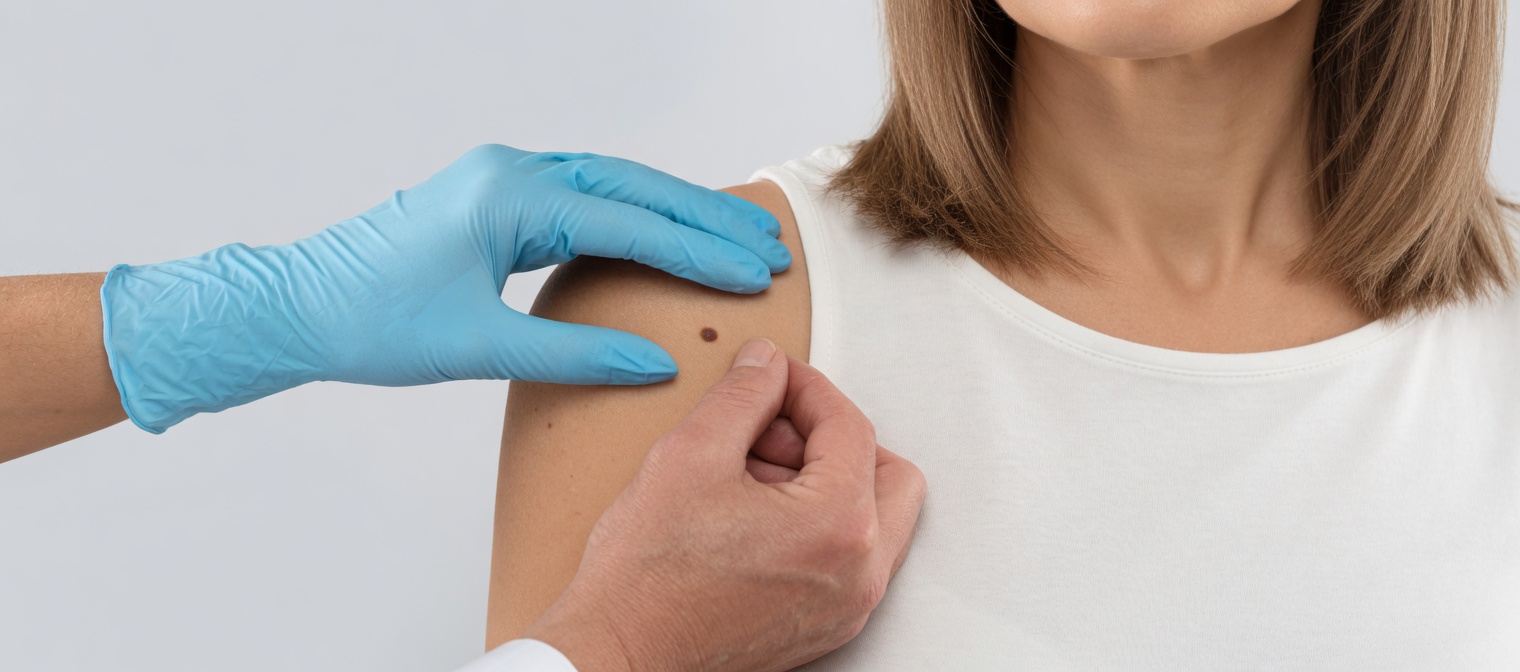
Large tags, facial tags (especially near the eyes), or any uncertain lesion is best handled by a clinician. Professional removal is usually quick, controlled, and designed to minimize scarring.
Conclusion: A Balanced, Low-Risk Approach to Skin Tags
Natural options such as diluted tea tree oil, banana peel, or vitamin E may feel like accessible first steps for people exploring home remedies for skin tags. Still, results are inconsistent, and irritation is a real possibility—especially with acidic or strong ingredients like vinegar or garlic.
For long-term confidence and prevention, focus on:
- Reducing skin friction where possible
- Maintaining a healthy weight (when relevant)
- Choosing professional care when a tag is bothersome, changing, or in a sensitive location
FAQ: Natural Remedies for Skin Tags
Are natural remedies effective for removing skin tags?
Some people report improvement, but scientific evidence is limited. Outcomes vary widely, and many “success stories” are anecdotal.
What is the safest natural remedy for skin tags?
No home method is guaranteed safe or effective. In general, gentler options (like banana peel or vitamin E) tend to carry a lower irritation risk, while acids and harsh substances pose higher risk.
Can home remedies for skin tags cause scarring or burns?
Yes. Apple cider vinegar and garlic in particular can cause burns, irritation, and post-inflammatory marks that may last longer than the skin tag itself.
When should I see a dermatologist instead of trying DIY methods?
If the growth bleeds, hurts, changes color, grows quickly, is on the face/eyelid/genitals, or you’re not certain it’s a skin tag, professional evaluation is the safest choice.